
Description
38% OFF Forest 6′ x 6′ Acoustic Noise Reduction Fence Panel (1.83m x 1.80m) cuts road noise by up to 30dB, with tested performance, 17mm boards and a 15 year anti-rot guarantee.
A fence panel that does more than mark a boundary
If you are looking at the Forest 6′ x 6′ Acoustic Noise Reduction Fence Panel, chances are you want more than a standard fence. You may need privacy, a smarter looking garden edge, and a bit less noise coming in from the road, neighbours, or the general daily bustle that seems to find its way into every outdoor space.
This panel is made for exactly that kind of job. It has an acoustic rating of 4 and offers up to 30dB noise reduction, which can make the average road noise feel closer to a normal conversation level. That is the kind of change people tend to notice once the panel is in place. Not by magic, just by the way it is built and tested.
It is also worth saying that this is not a decorative panel pretending to be acoustic. The noise reduction performance has been independently tested to British Standards BS EN 1793-2:2012 (Road traffic noise reducing devices) Category B3, as well as BS EN ISO 10140-2 and ISO 717-1. So there is proper testing behind the claims, which gives a bit more confidence when you are spending money on something meant to last.
What makes this panel different
The main idea behind the panel is simple: reduce the way sound moves through and around the fence. That is where the Triform Technology comes in. The face of the panel has multiple angles, so sound waves are not just passing straight through. Instead, they are reflected, diffused and absorbed. In plain terms, the fence is designed to make noise work harder before it reaches your garden.
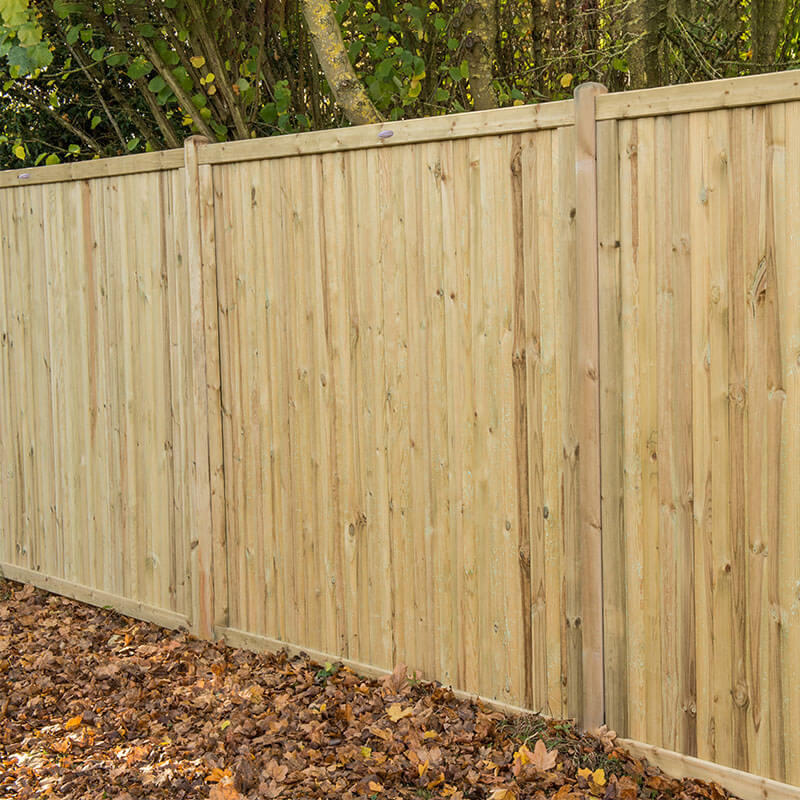
The board construction also helps. The panel uses 17mm thick, sturdy, smooth planed tongue and grooved interlocking boards. That interlocking design is useful because it helps limit gaps. And with acoustic products, gaps matter quite a lot. Even a small opening can let sound squeeze through, so the construction here is doing more than just looking tidy.
The boards can be fitted vertically or horizontally, depending on the look you want. If you want to emphasise the height of the fence run, vertical fitting can help. If your space benefits from stretching the line out visually, horizontal fitting may suit better. It is a nice bit of flexibility, and not every panel offers that.
Key features at a glance
- Size: 6′ x 6′ (1.83m x 1.80m)
- Noise reduction: up to 30dB
- Acoustic rating: 4
- Testing: BS EN 1793-2:2012 Category B3, BS EN ISO 10140-2, ISO 717-1
- Boards: 17mm thick smooth planed tongue & grooved interlocking boards
- Frame: 45mm thick rebated frame
- Guarantee: 15 year anti-rot guarantee
- Installation: can be fitted vertically or horizontally
- Maintenance: no annual re-treatment required
Built to keep gaps down
One of the more practical details here is the 45mm thick rebated outer frame. This does two jobs. First, it adds strength to the overall panel. Second, it helps keep the construction tight, so there are no easy routes for noise to pass through. That matters a lot in acoustic fencing, because sound will find any weak spot if it can.
The panel is mounted within a robust frame rather than being left with loose edges, which gives the whole unit a more complete feel. It also means the panel looks as purposeful as it performs. Some fencing products can seem a bit basic, but this one has a more considered structure. Not flashy, just properly made.
The benefit of tested noise reduction
Noise reduction is the main draw, of course. If your garden backs onto a busy road, a school run route, or simply a place where traffic never really stops, then any reduction can make outdoor time more comfortable. Up to 30dB reduction is not a tiny detail. It can change how your space feels, whether you are sitting out with a drink, letting children play, or trying to enjoy a quiet morning.
The testing to British Standards is helpful for another reason too. It means the panel has not just been designed to look the part; its performance has been measured in recognised ways. That gives a better idea of what it can do in real use. It is not perfect, no acoustic product is, but it is properly backed up.
A panel that also looks right in the garden
Acoustic fencing can sometimes look heavy or purely functional. This panel is made with a bit more attention to style. The angled Triform face gives it a textured appearance, and the option to fit the boards vertically or horizontally means it can work with different garden layouts.
If you want to make a boundary feel taller, vertical boards can draw the eye upwards. If your space is narrow, horizontal fitting can help the run feel longer and more balanced. It is not a huge design trick, but it can make a difference when you are trying to make the fencing feel like part of the garden rather than just a barrier.
The smooth planed finish also adds to the look. It feels neater than rough sawn timber and can sit well with both modern gardens and more traditional outdoor spaces. So whether the rest of your garden is paved, planted, or mixed, the panel should not look out of place.
Low maintenance is a real advantage
One thing people often want with fencing is less hassle. This panel comes with a 15 year anti-rot guarantee, and there is no annual re treatment or maintenance required. That is a practical point, especially if you do not want to spend time regularly staining or treating timber.
It is the sort of detail that becomes more useful over time. A panel that keeps doing its job without much attention is easier to live with. You still want to keep an eye on general installation and surrounding post condition, of course, but the fence itself is not asking for yearly work just to stay in decent shape.
How to get the best from it
For the best acoustic performance, the panel should be fitted using slotted ‘H’ posts or screwed directly to a pressure treated fence post. The reason is simple: gaps reduce performance. Sound will always look for a way through, so the tighter the installation, the better the result.
If you are planning the installation yourself, take your time with the posts and alignment. Acoustic fencing tends to be less forgiving than standard fence panels if the frame is not properly supported. A neat fit really does matter here. It may sound obvious, but people sometimes rush the post setting and then wonder why the performance is not quite what they expected. Bit of a pain, that.
If you are using a landscaper or fence installer, it is worth pointing out that this is an acoustic panel and not just a decorative one. That way they can plan for the tighter fitting and make sure the system works as intended.
Where this panel makes sense
This panel suits a range of situations. It can be a good fit for homes near roads, driveways, shared access paths, or gardens where privacy and noise reduction both matter. It may also suit side boundaries, rear garden edges, or enclosed outdoor seating areas where you want the space to feel calmer.
Because the panel is the standard 6′ x 6′ size, it is easier to plan around than some custom options. That makes it practical for replacing existing fencing runs or building a new section with a consistent height.
If your priority is a fence that simply hides a view, there are cheaper options. But if you want something that also helps with sound, this is a much more targeted choice. It is doing a specific job, and that is often where the value sits.
Useful details before you buy
It helps to think about the full fence run, not just the panel itself. Acoustic performance depends on the whole system, including posts, fitting method, and how tightly the panels join together. Even a good panel can be let down by a poor installation. So if you are planning a full boundary upgrade, the posts and fixings are part of the decision, not an afterthought.
You should also think about the direction of the noise. Acoustic fencing tends to be most useful when positioned between the noise source and the space you want to protect. It is basic stuff really, but people sometimes place it where it looks best rather than where it works best. Ideally you want both.
As for appearance, the choice between vertical and horizontal boards gives some freedom. If you are matching existing timber work, this can help the fence sit more naturally in the garden. Small things, but they make a difference when the fence is going to be there for years.
Why buyers tend to choose it
People often choose this panel because it brings together a few things that are usually hard to find in one product: tested acoustic performance, a sturdy timber build, a clean finish, and low maintenance. It is not trying to be fancy. It is designed to reduce noise, provide privacy, and hold up over time.
The 15 year anti-rot guarantee is also reassuring for buyers who want a longer-term solution. Combined with the robust frame and thick interlocking boards, it feels like a proper investment in the edge of the garden, not just a quick fix.
And with the current 38% OFF offer, it becomes a more attractive option if you have been comparing acoustic fencing and waiting for a better moment to buy. Discounts matter, but only if the product itself fits the job. In this case, it seems to tick the right boxes for many garden spaces.
Final thoughts
The Forest 6′ x 6′ Acoustic Noise Reduction Fence Panel is a solid choice if you want a fence that works harder than a standard boundary panel. It offers measured noise reduction, a strong construction, a flexible fitting style, and a finish that can sit well in a wide range of gardens.
For anyone dealing with traffic noise, overlooked seating areas, or a garden that just feels a bit too exposed, this panel gives you a practical way to improve the space. It is not about making a garden silent, because that is not realistic. But it can help take the edge off unwanted noise and make the area feel more usable.
If you want a product with proper testing behind it, useful build details, and less maintenance to think about later on, this is one worth a close look. And with the discount in place, it may be a good time to sort the boundary while the offer is still on.


