
Shed Treatment 4x1 - Best Deals in UK!
Showing all 2 results
-
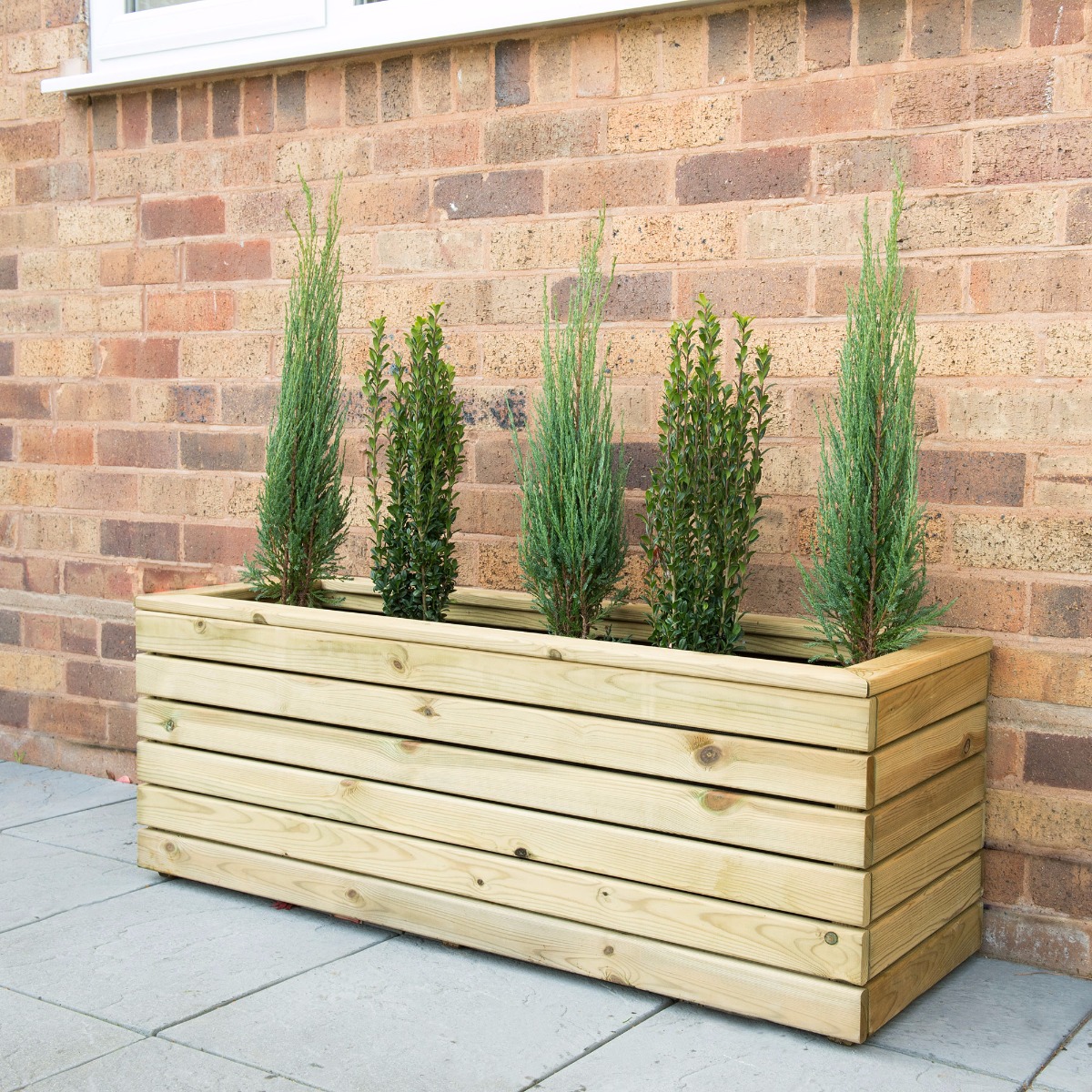
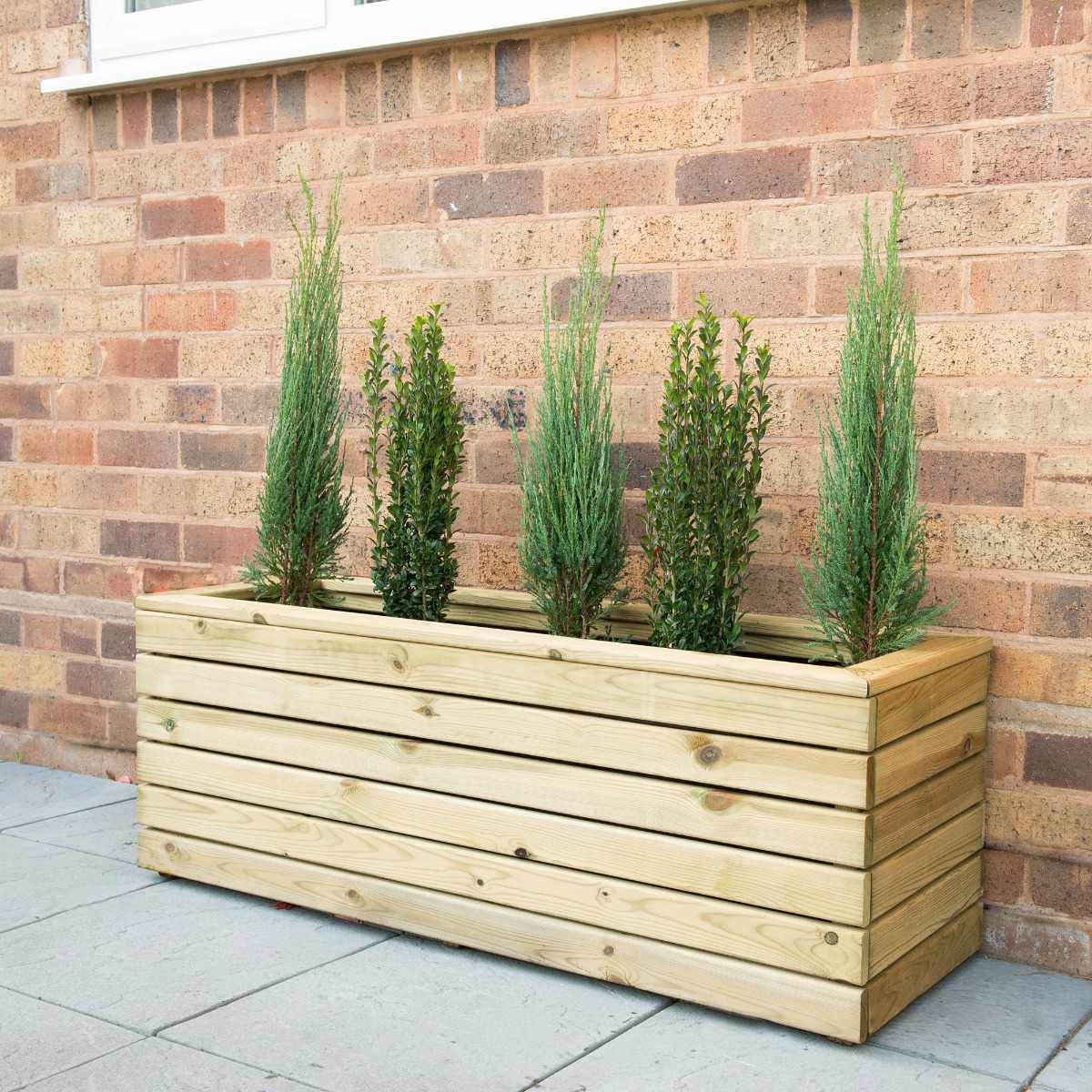
37% OFF: Forest Linear Long Wooden Garden Planter 4’x1′ (1.2×0.4m) £99.9937%
-
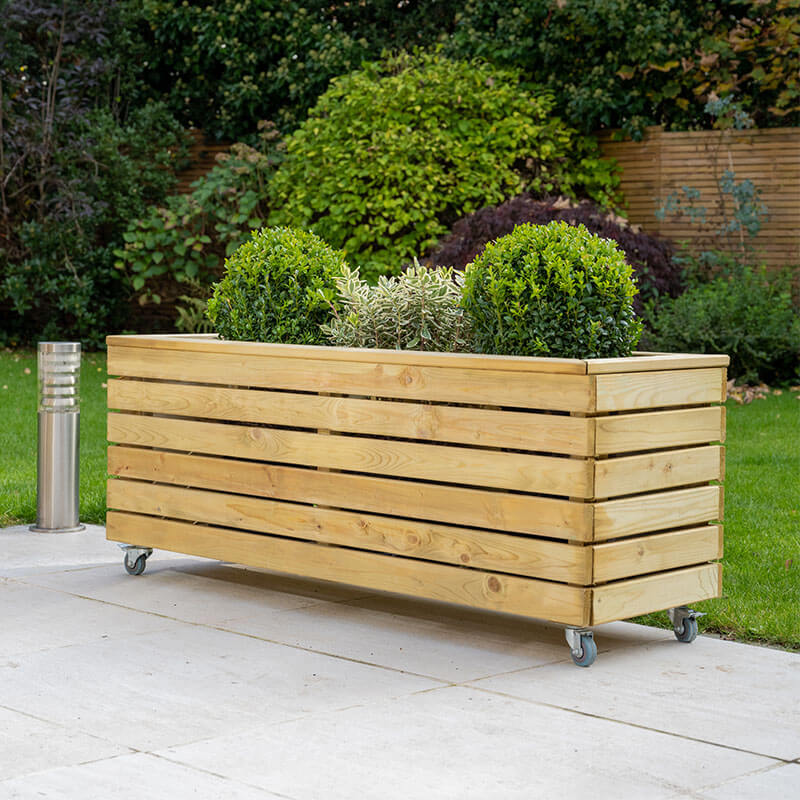
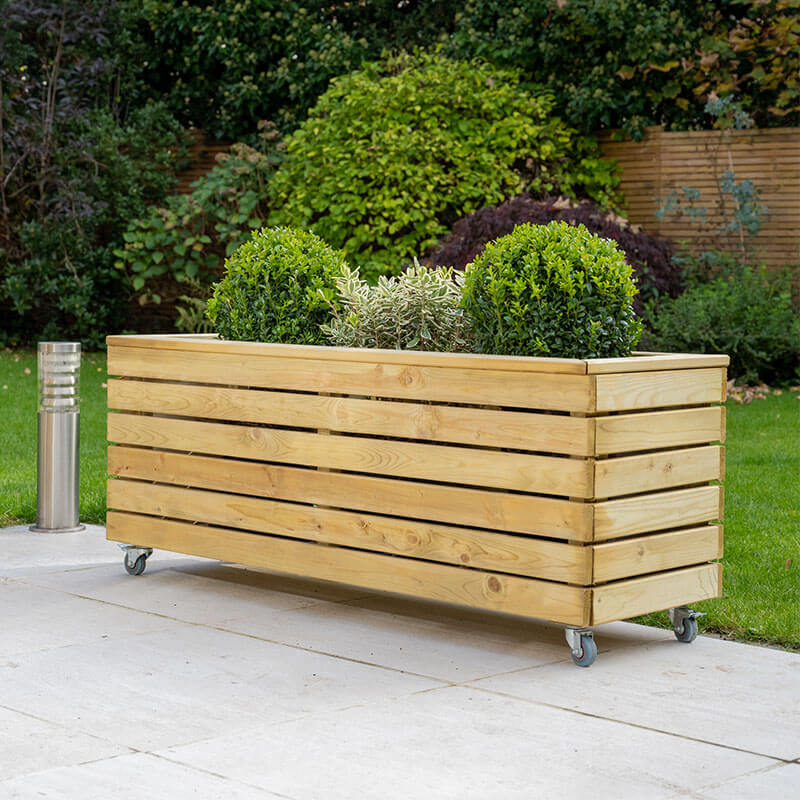
23% OFF: 3’11 x 1’4 Forest Linear Long Wooden Garden Planter with Wheels (1.2m x 0.4m) £145.9923%
Shed Treatment 4×1 for timber sheds, summerhouses and outbuildings: compare brush-on, sprayable and coloured finishes, see the differences in coverage, drying and protection, and choose a treatment that suits your shed.
What “4×1” means when the shed needs looking after
Shed Treatment 4×1 is the sort of category people search for when they want one treatment to do several jobs on exterior timber. In practice, that usually means a product designed to help with preservation, colour, weather resistance and surface finish in a single system, rather than building up separate layers of different products. For a shed, that is handy because the timber is exposed on more than one side of the story: rain at one edge, sunlight on another, and damp around the base if the ground stays wet. A 4×1 treatment brings those needs together in a way that feels a bit more straight forward.
The main appeal is not just convenience. It is also about getting a more even result across boards, trims, doors and panel joints. Shed timber is often mixed in condition, with some parts still fairly fresh and others already weathered. A 4-in-1 shed treatment can help bridge that gap, making the whole structure look more pulled together. If you are comparing products, it is worth looking closely at what each one actually claims to do, because some are better for colour refresh, while others are more focused on penetration and water shedding.
Brush-on, spray and other forms that change the job
One of the main differences in this category is the form the treatment comes in. That matters because sheds are not flat, simple objects. They have grooves, corners, ledges, end grain and awkward bits around hinges and vents. The application method can make a big difference to how tidy the finish looks and how well the product gets into the timber.
Bestseller der Kategorie Shed Treatment 4x1
- Brush-on shed treatment gives the most control on edges, joints and detailed timber.
- Sprayable treatment can cover wide panel areas fast, but often needs back-brushing for an even finish.
- Liquid preservative-style finishes are often chosen when deeper timber soak-in is wanted.
- Coloured coatings suit sheds where the look matters as much as the protection.
- Clear treatments keep more of the timber grain visible, which some buyers prefer for natural wood.
For many buyers, the best choice depends on whether the shed is new, already stained by weathering, or has patches where old product is still hanging on. A brush-on finish can be slower, but it tends to help with rough sawn timber and areas where you want to work the treatment into the grain. A spray version can be quicker on large flat sections, though it may leave thin spots if the user is not careful. That small difference matters more than people sometimes expect, especially on sheds with lots of horizontal ledges where rain sits.
Clear, tinted or solid colour: picking the look first
Another useful split in Shed Treatment 4×1 is the finish itself. Some buyers want the shed to blend into a garden border, while others want the timber to show through. The finish can change the whole feel of the building, even if the protection level is similar on paper.
Clear treatments are useful when the timber already looks good and you want the grain, knots and natural variation to stay visible. They can be a good match for newer sheds, though they may show weathering more quickly if the wood is left in full sun. Tinted finishes sit in the middle, adding a soft colour without fully hiding the timber. They are often chosen where the shed needs a little visual lift, but not a painted look. Solid colour coatings give the strongest change in appearance and can help disguise mismatched panels or older repairs. That said, they do alter the character of the wood more than a clear product would.
There is also a practical difference. Lighter colours can make it easier to spot dirt, algae or areas where the coating has worn thin. Darker colours can suit some gardens really well, but they may show brush marks more if the product is applied unevenly. A bit of testing on an offcut or back panel is worth the time. It sounds fussy, but on a shed it can save you from ending up with a finish that looks fine up close and a bit patchy from the path.
Protection where sheds usually start to fail first
The usefulness of shed treatment is often decided at the weak points, not the broad face panels. The timber edges, cut ends, corner joints and lower boards near the ground are the places that tend to take the most punishment. A 4×1 shed treatment is often picked because it is meant to help across several of these problem areas at once.
Water resistance matters around the base, where splashback and damp soil can leave timber looking tired quickly. UV resistance becomes more important on south-facing sheds or roofs that catch a lot of sun, where colour fading can show up early. Penetration into the grain helps on older timber that has started to dry and open up. And surface flexibility can matter too, because shed boards expand and contract with weather changes. A finish that is too rigid may look neat at first but can start cracking at joins.
Some products are better for long-term colour retention, others for keeping the wood looking natural while still helping with moisture control. That is one of the main differences buyers should notice. A treatment that looks good in the tin does not always behave the same way once it meets rough-cut wood, old nail holes and knots that suck up more product than the rest. This is why shed owners often prefer a product that is easy to recoat without needing a full strip-back every time.
New timber, weathered boards and the awkward middle ground
Not all sheds are at the same stage, and that changes the way the treatment should be chosen. New timber usually takes product more evenly, so clear or lightly tinted treatments can look clean and smooth. Weathered timber, by contrast, may absorb unevenly, which can create shading differences if the product is very transparent. Then there is the awkward middle ground: a shed that is not new, but not badly worn either. That is often where buyers spend the most time comparing finishes.
For lightly weathered sheds, a tinted 4×1 treatment can help even out the look without hiding the grain completely. On older sheds with patchy colour, a more opaque option may give a more consistent result. If the wood has rough fibres raised by rain and sun, a treatment with decent coverage can make the panels look more settled. Still, it is worth remembering that stain, tone and absorption can vary across the same shed. One board may take more colour than the next, and that is normal. It is one of those things people notice only after they start brushing, then suddenly the fence panel next door starts looking jealous.
What to look for in the tin, bottle or can
When buyers compare products in this category, the label details matter more than the marketing fluff. The important points are usually quite specific:
- Coverage rate so you can estimate how many panels or sheds one pack may cover.
- Drying time, especially if the shed has one side exposed and you need to work round the weather.
- Recoat window for anyone planning a second pass for richer colour or better build.
- Finish level such as matt, satin or more sheen, which changes the look on timber.
- Application method that matches the tools you already have.
- Colour range if matching existing timber, doors or garden buildings matters.
- Suitability for exterior timber, because not every wood product behaves the same way outdoors.
The better fit is often the one that matches the shed itself rather than the one with the broadest promise. A narrow lapboard shed, for example, may need careful edge work, while a large tongue-and-groove building may benefit from a product that flows out evenly over bigger sections. If a treatment is very thin and runny, it may be fine on smooth boards but awkward around joints. If it is heavier bodied, it may give better colour build, but you will probably need to watch for drips under the trim. Little things, yes, but they add up.
Why a 4×1 treatment can be the practical choice
People often want a single product that reduces the number of separate steps. That is one reason Shed Treatment 4×1 makes sense for garden buildings. Instead of choosing a separate preservative, colour product, water-resistant finish and touch-up layer, the buyer can often cover several needs in one go. That does not mean every product does everything equally well, but it does mean less juggling of tins, less repeat measuring, and fewer chances of a mismatch between layers.
It can also make maintenance more manageable from season to season. If the shed only needs a refresh rather than a complete strip and rebuild, a compatible treatment can keep the job simpler. This is especially useful on tool sheds, potting sheds and storage buildings where the goal is more about keeping timber in decent shape than creating a showpiece finish. Still, appearance matters too. A tidy shed does change how the rest of the garden feels. It makes the whole place look more settled, even if the lawn has gone slightly wild again.
Where the differences really show up on the shed
On paper, many timber treatments sound similar. In use, the differences show up in a few key places. One is colour depth. Another is how evenly the product settles into rough and smooth grain. A third is how the finish handles repeated weather cycles. Some shed treatments fade gently, while others can go patchy if they are not applied generously enough. Some leave a more natural timber feel, while others create a firmer surface that changes the look of the wood more clearly.
The underside of overhanging panels, door edges and exposed corners often tell the truth about a treatment better than the main face. If those areas stay looking coherent after a season or two, that is usually a good sign the product has suited the timber. If the treatment has worn at the edges while the centre still looks fine, that suggests uneven exposure or not quite enough build in the first place. It is not always about the product alone. Sheds face a mix of moisture, sun and air movement that changes from one garden to the next. A sheltered corner can age very differently from a shed sitting in open wind.
Small buying tips that help the finish go further
A few practical points can help buyers get more value from the category without turning the job into a weekend saga. First, check whether the shed timber is dry enough to take treatment properly. If the boards are still holding too much moisture, the finish may not settle as intended. Second, pay attention to the end grain and lower edges. These parts often need extra attention because they drink up more product. Third, plan for access. A tin that looks easy to use is less helpful if the path round the shed is tight and the doors only open halfway.
It is also worth thinking about the future finish, not just the first coat. If you want to refresh the shed later, choosing a product type that can be recoated with less fuss can make life easier. Matching the new treatment to what is already on the timber can help avoid awkward patches and colour jumps. And if you are unsure between two shades, the slightly quieter one is often easier to live with in a garden setting. A shed is part of the backdrop, but it is still on show every day.
Built for timber that has a lot to put up with
That is really the appeal of this category: 4×1 shed treatment is aimed at timber that sees varied, practical outdoor use and needs one finish to do several jobs without making the process overcomplicated. Whether you are working on a compact tool shed, a larger garden store or a decorative timber building, the choice comes down to how much colour you want, how much grain you want to keep visible, and how much time you want to spend applying it.
Buyers often end up choosing between subtle and obvious, quick and careful, clear and coloured. None of those options is wrong. They just suit different sheds. What matters is picking a treatment that fits the timber, the weather exposure and the final look you want to live with. If the shed sits neatly in the garden and the timber stays looking cared for, that is usually the result people were after in the first place.
[Sassy_Social_Share]