
Shed Treatment 5x3 - Best Deals in UK!
Showing all 2 results
-
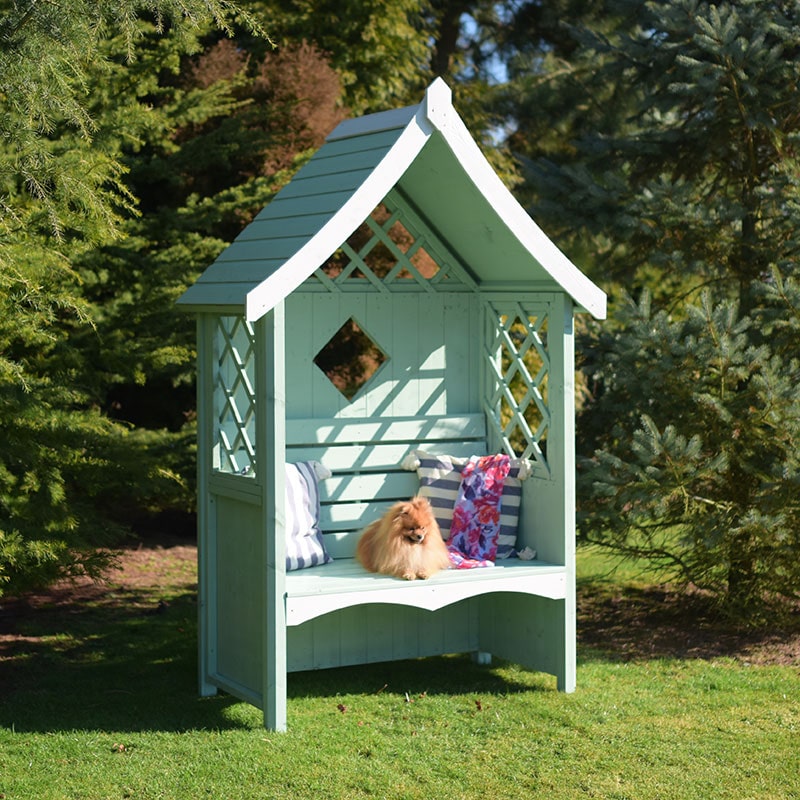
23% OFF: Shire Rose Garden Arbour Seat 5′ x 3′ £344.9923%
-
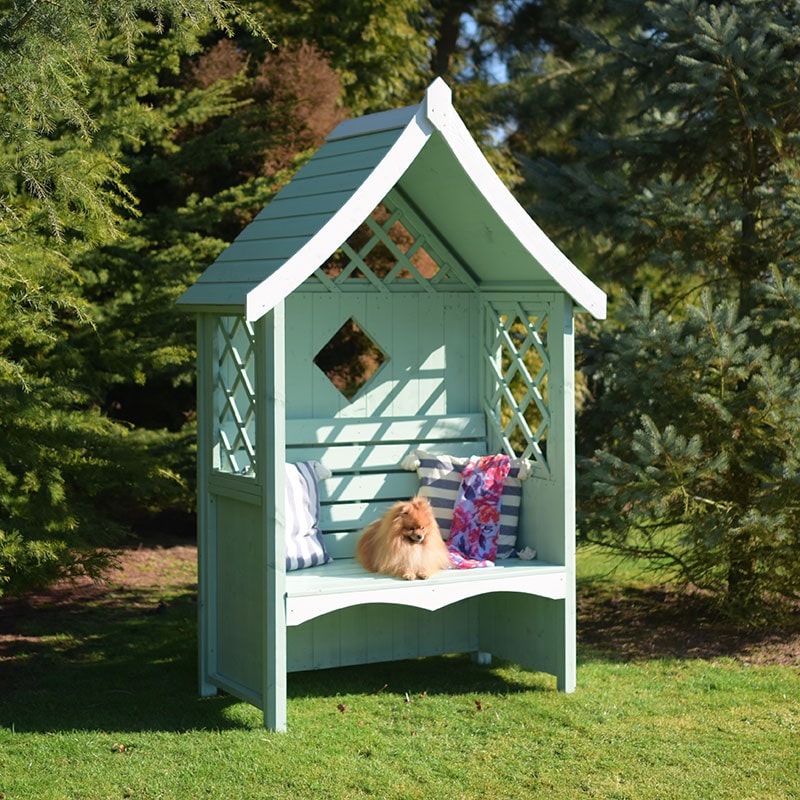
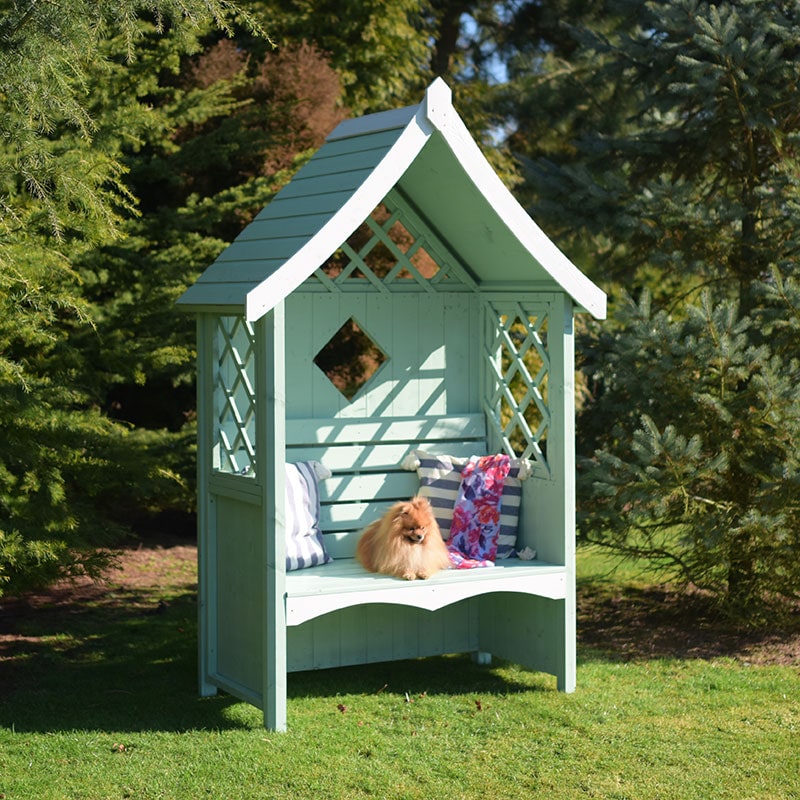
12% OFF: Shire Rose Garden Arbour Seat 5′ x 3′ £396.9912%
Shed treatment for 5×3 sheds helps protect compact timber buildings from damp, UV fade and everyday wear, while keeping the grain visible and the finish neat for longer.
Why 5×3 really changes the treatment choice
A 5×3 shed is small enough to feel tidy in a garden, but it still gets the same weather as a larger building. That matters when choosing a shed treatment, because the coverage, finish and number of coats can feel different on a compact shed than on a bigger one. On a 5×3 footprint, the surface area is manageable, yet every panel, edge and joint is more noticeable. A patchy stain or uneven colour can stand out quickly.
This is where the right treatment makes a proper difference. Whether the shed is used for tools, bikes, potting bits or just storing things that do not want getting wet, the finish needs to suit both the timber and the look you want. Some buyers want a natural wood stain that shows the grain. Others prefer a more solid protective coating with a colour that matches fencing, sleepers or other garden timber. On a 5×3 shed, both options can work well, but they give a very different result.
The main treatment types for compact timber sheds
When people look for shed treatment 5×3, they are usually choosing between a few common formats. Each one does a different job and gives a different finish:
Bestseller der Kategorie Shed Treatment 5x3
- Wood stain – adds colour while still letting the timber grain show through.
- Preservative treatment – helps guard the wood against rot, mould and moisture.
- Fence and shed paint – gives a more opaque look and can be a bit more formal or colour-led.
- Water-repellent finish – reduces water uptake and suits sheds that see a lot of rain or spray.
- Clear treatment – keeps the timber look as natural as possible, while still giving protection.
The main difference is not just colour, but also how much of the timber remains visible. A stain tends to leave the texture and grain easier to see. A paint covers more, which can be useful if the shed timber is uneven in tone or already has marks. A clear treatment sits somewhere in between, with a more subtle effect.
Grain, colour and finish: what the eye notices first
Because a 5×3 shed is fairly small, the finish tends to read as a single visual block. That means the shade and sheen level are important. A satin finish can look calm and tidy. A matt finish feels a bit more natural. A glossier coating can draw attention to the shed, which some people like if it is part of a more designed garden.
Colours often chosen for compact sheds include oak tones, cedar shades, grey washes and darker brown finishes. The reason these work well is simple: they sit easily beside planting, paving and other timber features. If the shed is in a small garden, a lighter treatment can make it feel less heavy. If it is tucked against a fence or hedge, a darker finish can help it blend in.
The timbers on a 5×3 shed also tend to be seen up close, so the quality of the finish matters. Brush marks, pooling at edges or colour mismatch can be more obvious here than on a larger building. That is one reason people often choose a treatment with a smoother spread and a more even dry down.
Protection that suits the size, not just the wood
A smaller shed still faces the same basic challenges as a full-size garden building: rain, morning moisture, sun exposure and changes in temperature. The advantage of a 5×3 shed treatment is that it can be chosen with the exact exposure in mind. For example, a shed sitting under a tree canopy may deal with more damp and leaf litter, so a moisture-resistant finish becomes more useful. A shed in a bright open spot may need better UV resistance to stop fading and drying out.
For many buyers, the appeal of a good treatment is not only visual. It is also about helping the shed stay looking cared-for without turning it into a major project. A decent finish can help reduce the dull, greyed look timber gets after weathering. It can also help with staining from water runs and general grime. On a 5×3 shed, that matters because the whole structure is visible from a few steps away.
Stain, paint or preservative: the differences that matter
Choosing between stain, paint and preservative is often the part that causes hesitation. They overlap a bit, but they are not the same.
- Stain is usually picked when the timber look is part of the appeal. It gives colour without fully hiding the grain.
- Paint gives a more solid colour and can suit a shed that needs to match a garden scheme.
- Preservative is chosen more for protection than for a decorative look, although many products do both jobs to some degree.
For a 5×3 timber shed, stain is often a neat middle ground because it keeps the shed looking like timber rather than a coloured box. Paint can be the better choice if the shed has mixed timber tones or if you want a cleaner, more uniform result. Preservative-led products are useful when the main focus is weather resistance, especially in exposed gardens where rain and shade are a regular thing.
Compact shed, compact application: why coverage feels different
One useful thing about 5×3 shed treatment is that the job is usually easier to visualise. There is less wall area, fewer awkward lengths of timber and a smaller roofline to work around. That can make the treatment process feel more manageable, even when you are after a fairly detailed finish. It also means the amount of product used is easier to estimate, which is handy if you are trying to avoid buying far more than needed.
At the same time, small sheds can be a bit fussy because the edges, joins and trim pieces are all close together. A treatment that flows well and does not leave heavy build-up around corners can look tidier. Products that soak in evenly or brush out cleanly are often preferred here. The finish tends to be judged by the whole shed rather than by one area, so consistency counts.
What buyers usually look for in a 5×3 finish
People shopping in this category often want a treatment that balances a few practical points:
- Colour choice that fits the garden without looking odd next to fencing or paving.
- Visible grain if the shed timber is part of the appeal.
- Weather protection against rain, damp and sun.
- Even coverage on smaller panelled surfaces.
- Low-fuss upkeep so the shed keeps looking decent between seasons.
That mix is why some people lean towards semi-transparent treatments, while others want a more solid finish. If the shed is new and the timber looks clean, a stain can be enough to enhance it. If the timber has mixed tones, knots or a slightly uneven look, a more opaque treatment can make the whole unit feel more pulled together.
Shade choices that suit small gardens better
On a 5×3 shed, colour can change the way the whole corner of a garden feels. Greys often work well where people want the shed to sit quietly in the background. Natural browns and warm cedar tones feel more traditional and suit planting-heavy spaces. Dark oak or deeper brown shades can give the shed a grounded look, although they may make a small garden feel a touch smaller if the shed is very visible.
Some treatments are designed to be more transparent, which gives a soft, wood-first appearance. Others are richer and more even in colour. The difference is useful if you are trying to match an existing timber piece, like a gate, summerhouse trim or pergola. A slight mismatch can look more obvious in a small garden, so matching the overall tone is worth thinking about.
Useful tips for choosing the right treatment without overdoing it
If you are looking at shed treatment for a 5×3 shed, a few simple checks can help narrow things down:
- Check the wood tone first – pale timber and richer timber often take stain differently.
- Think about how visible the shed is – if it sits near the patio, the finish matters more.
- Look at the garden colours around it – the treatment should sit comfortably with fencing, decking or planters.
- Decide how much grain you want to keep visible – this usually guides stain versus paint.
- Consider exposure – open sites benefit from finishes that handle sun and rain more evenly.
A lot of buyers also prefer treatments that do not make the shed look overworked. A 5×3 shed can look smart with a modest, well-chosen colour rather than something too bold. That is not to say bright or strong shades are wrong, just that the shed is small enough for the result to be noticed very quickly.
When the shed is more than storage
Even a modest shed can play a visual role in the garden. A 5×3 shed might sit next to a narrow path, frame the end of a border or act as a tucked-away feature near a fence. In those cases, treatment choice becomes part of the garden look, not just a practical decision. A neat finish can make the shed feel placed on purpose rather than just dropped in.
This is especially true where space is tight. A small shed with a tidy, even treatment looks considered. A patchy one can pull the eye for the wrong reason. Buyers often notice this once they start comparing finishes: one product gives a soft, blended result, another gives sharper colour or more coverage. That difference is useful when you are trying to make a compact garden look ordered without making it feel plain.
The small details that make a better result
On a shed this size, the little things matter a bit more than people expect. Trim edges, door framing, panel joins and the underside of the roof line all take treatment differently. Products that settle evenly and do not leave streaks around those details tend to give a cleaner look. If the shed includes visible hinges, trims or boards with more texture, a treatment that handles surface variation well can save the finish from looking messy.
Many customers also look for a treatment that keeps the shed looking fresh but not plastic. That is a fair way to describe the sort of result people often want: enough protection to keep the timber looking cared for, but not so much sheen that it loses character. On a 5×3 shed, that balance is often what turns a basic garden store into something that feels properly part of the space.
Why this category keeps getting chosen
The appeal of shed treatment 5×3 is that it answers a very specific need. The shed is compact, the timber is visible, and the finish is part of the overall garden look. That makes treatment choice more than a simple add-on. It becomes part of how the shed works in the space, how it stands up to weather and how much of the timber character stays on show.
Whether you want a natural stain, a solid colour finish, a clear protective coating or something in between, the main aim is the same: give the shed a finish that suits its size and its spot in the garden. For a 5×3 building, that usually means a result that looks neat close up, handles changing weather and feels right beside the rest of the garden timber. That sort of choice tends to hold up well, and it makes the shed look like it belongs there, which is what most buyers are after anyway.
[Sassy_Social_Share]