
Fencing under £200 - Best Deals in UK!
Showing all 10 results
-
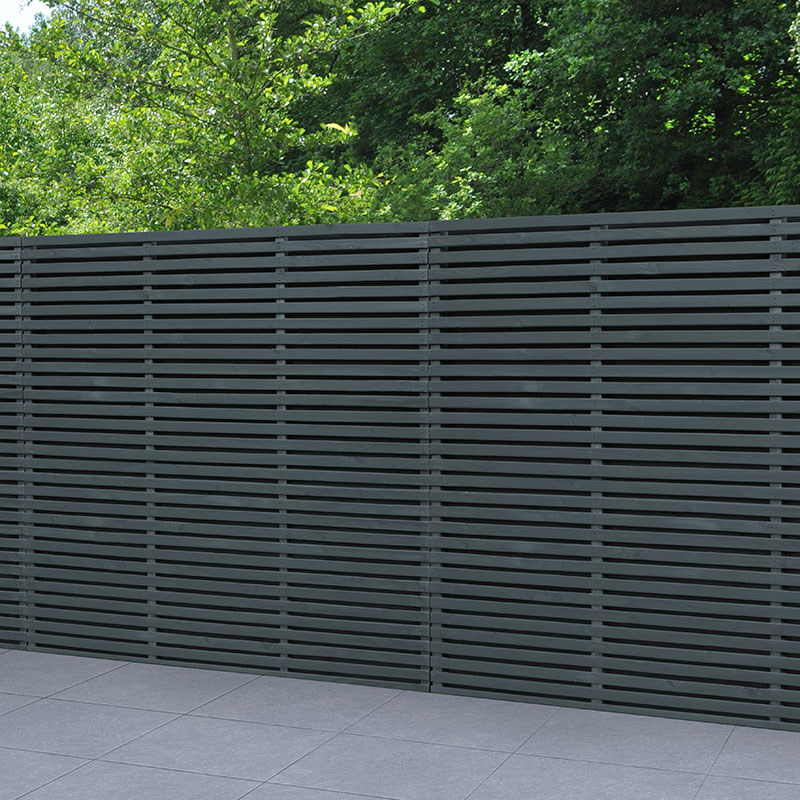
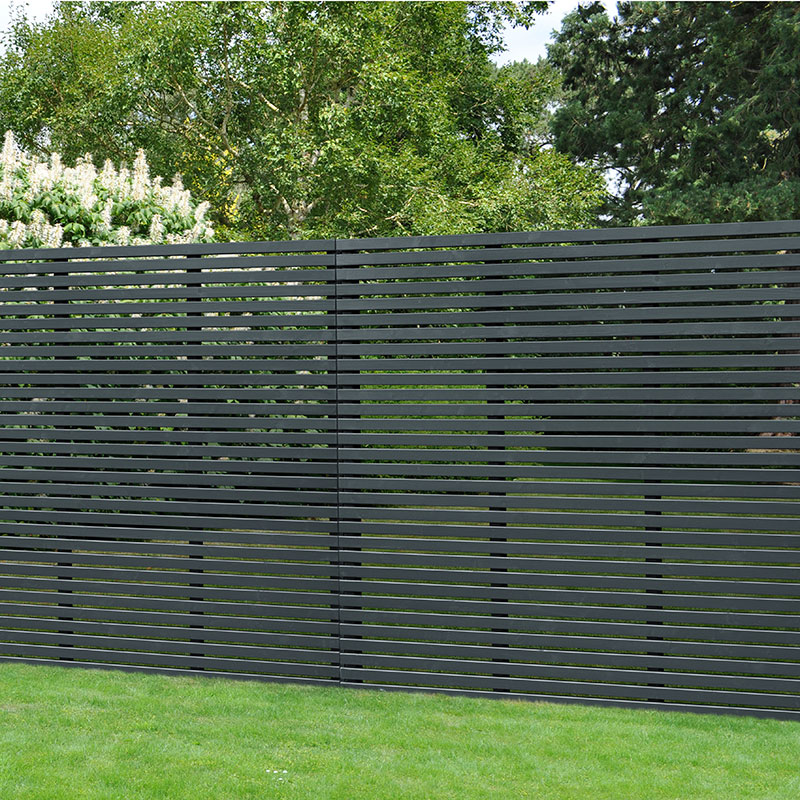
48% OFF: Forest 6′ x 6′ Contemporary Grey Slatted Fence Panel (1.8m x 1.8m) £134.9948%

-
47% OFF: Forest 6′ x 6′ Contemporary Grey Slatted Fence Panel (1.8m x 1.8m) £137.9947%
-
46% OFF: Forest 6′ x 6′ Contemporary Grey Double Slatted Fence Panel (1.8m x 1.81m) £139.9946%

-
44% OFF: Forest 6′ x 6′ Contemporary Grey Double Slatted Fence Panel (1.8m x 1.81m) £144.9944%
-
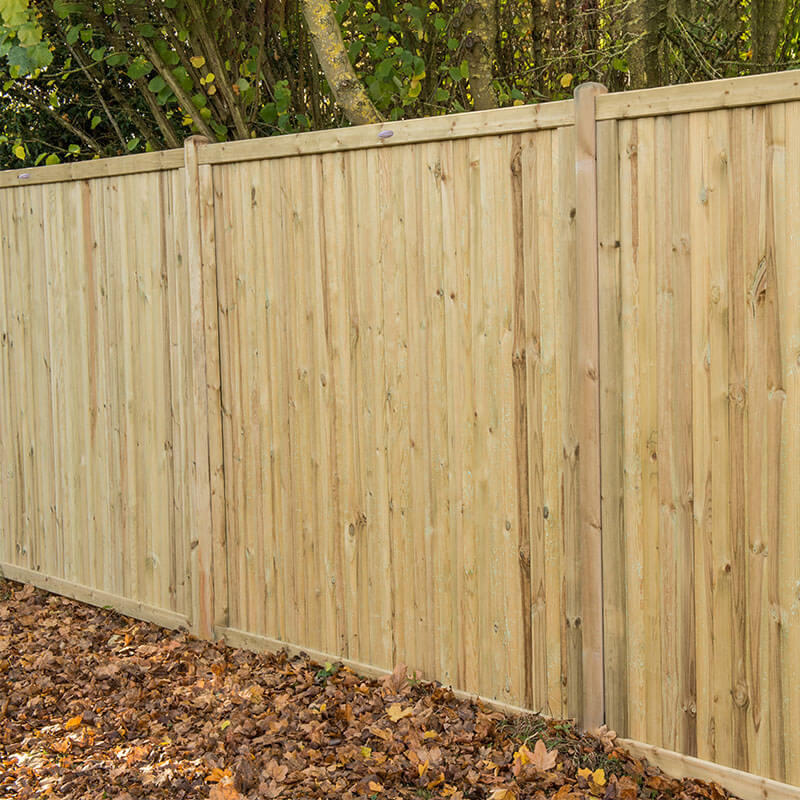
38% OFF: Forest 6′ x 6′ Acoustic Noise Reduction Fence Panel (1.83m x 1.80m) £141.9938%

-
34% OFF: Forest 6′ x 6′ Europa Prague Pressure Treated Decorative Fence Panel (1.8m x 1.8m) £104.9934%

-
30% OFF: 1.8m x 0.9m Forest Heavy Duty Tongue and Groove Gate £104.9930%

-
30% OFF: Forest 6′ x 6′ Pressure Treated Contemporary Double Slatted Fence Panel (1.8m x 1.8m) £124.9930%

-
23% OFF: Forest 6′ x 6′ Pressure Treated Tongue and Groove Fence Panel (1.83m x 1.83m) £114.9923%

-
23% OFF: Forest 6’x6′ Pressure Treated Vertical Tongue and Groove Fence Panel (1.83m x 1.83m) £114.9923%

Fencing under £200 for practical garden boundaries, side returns and front plots: compare panel styles, trellis tops, decorative screens and affordable fence kits to find a tidy fit for smaller projects.
Budget fencing that still looks considered
Fencing under £200 is often the sweet spot for shoppers who want a proper boundary without pushing the whole garden project over budget. At this level, you are usually looking at individual panels, lighter screening, trellis sections, feather edge-style options, or a simple run of fence components rather than a full premium system. That is not a drawback. It simply means you can focus on the right type of fencing for the space, instead of paying for features you may not need.
This category suits all sorts of jobs: marking a patio edge, tidying a shared side path, replacing a few tired panels, or creating a neater division between planting and seating areas. The best choice depends on how much privacy you want, how much light you want to keep, and how solid the boundary needs to feel. A lighter screen can soften a space, while a denser fence gives a more enclosed look. Both can sit comfortably under £200 if the run is short or the format is simple.
Panel shapes that do different jobs
When browsing affordable fencing, the shape of the panel matters as much as the price. Closeboard-style panels give a fuller, more private feel because the boards overlap or sit tightly together. That makes them a sensible pick for spaces where you want less of a gap between your garden and the next one. By contrast, lap panels use horizontal slats and are usually lighter in appearance, which can suit smaller gardens or casual borders.
Bestseller der Kategorie Fencing under £200
Trellis-topped panels are a useful middle ground. The lower section can define the boundary, while the open trellis above keeps the fence from feeling too heavy. They work well where you want a bit of division but do not want the whole area boxed in. If your garden already has strong shapes, a trellis top can break up the line a little. If the space is narrow, a fully solid fence may feel more private, but the trellis option can make the boundary seem less tall.
Hit and miss fencing is another interesting form. The boards are fixed alternately on each side, leaving small gaps. From some angles it feels more open, yet it still gives a tidy boundary and can cope better visually with wind. It is a good choice if you want privacy without the look of a completely flat wall of timber. For buyers who like a bit of texture and movement, this style often stands out from standard panels.
Feather edge, lap or trellis: the differences that matter
If you are comparing fencing under £200, the biggest difference is usually between solid privacy, semi-open screening and decorative boundary. Feather edge fencing, where vertical boards overlap, tends to feel more robust and traditional. It gives a neat, close finish and suits gardens where a stronger boundary is wanted. It is often chosen for side returns or replacement runs where the current fence already has a plain, straightforward line.
Lap fencing is more about economy and simplicity. The horizontal slats create a familiar look that suits most suburban gardens, and it can be a good option when you want a quick visual tidy-up rather than a bold feature. It is often the type people think of first when they want a fence that is easy to match with existing garden elements.
Trellis fencing sits in a different category entirely. It is less about blocking views and more about shaping them. It can frame planting, section off a bin area, or make a low boundary feel a bit more finished. If you are working with a modest budget, a trellis panel can be a smart buy because it adds style without needing to take up a large portion of the spend. In some gardens, that is exactly the point.
Short runs, corner fixes and simple boundary jobs
One of the main reasons people look for fencing under £200 is that not every project needs a full perimeter. Sometimes you just need a short run to finish off a corner, replace a broken section, or neaten a boundary beside a shed or path. In those cases, the main thing is not buying too much. A budget ceiling can actually help narrow the choice to something practical.
For small jobs, the finish can matter as much as the structure. A straight, even line of panels can make a compact space feel more ordered, while a slightly decorative edge can turn an awkward gap into a feature. If the fence is visible from the house, you may want a style that looks tidy from a distance. If it sits beside planting, a softer, more open design can blend in better. Little choices like this make a bigger difference than people expect, and yes, it’s easy to overlook them when the price tag is front and centre.
Where privacy ends and light begins
Different fencing forms handle privacy in very different ways. A solid panel blocks more of the view, which helps if the garden is overlooked or you simply prefer a more secluded feel. This can be useful for seating areas, side boundaries and spots where you want the garden to feel like its own space. It also gives a cleaner backdrop for planting and outdoor furniture.
A semi-open design, such as hit and miss or trellis sections, lets light and air through more freely. That can be handy in a smaller garden where a heavy fence might feel a bit close. These styles still define the boundary, but they create a softer edge. They are also good if you want to keep some connection with the rest of the garden or avoid creating a hard visual stop.
The choice is often about balance. A fully enclosed run can be practical, but it may dominate a narrow plot. A lighter fence can feel friendlier and less imposing, though it will not hide quite as much. Thinking in terms of screening, openness and visual weight helps you choose more confidently, rather than simply going for the tallest-looking option.
Materials and finishes with a sensible price tag
In this budget range, timber is often the most common material, and there are good reasons for that. It has a familiar look, works with most garden styles, and is easy to pair with existing posts, gravel boards or edging. Within timber fencing, the appearance can still vary a lot: some sections look clean and contemporary, while others lean more traditional and rustic. That means you can still aim for a specific style without moving into a more expensive bracket.
There are also differences in finish. Some panels have a plain, utility feel, which is useful when you want the boundary to sit quietly in the background. Others include decorative top cuts, lattice details or shaped edges that give the fence more personality. If you are matching an existing run, the finish matters as much as the dimensions. A mismatch in board style or top line can stand out, even when the colour seems close enough.
For shoppers trying to keep things within budget, the most useful question is often: does this fence do one job well, or is it trying to do too many? A simple panel that fits the space properly is usually better than a fancier option that makes installation awkward or overspends on features you will barely notice from the terrace.
Use the budget to solve the right problem
It helps to shop by the problem, not just the item. If you need more privacy, look first at solid closeboard or overlap panels. If the garden feels boxed in already, consider trellis-topped fencing or hit and miss panels to keep the boundary lighter. If the job is mostly about making a tired edge look cleaner, a straightforward lap panel may do the work without asking for much of the budget.
For front gardens, lower fencing or decorative sections can be more suitable than tall privacy panels. A lower line keeps the space open to the street while still giving it shape. In a back garden, taller options may feel more practical if the main concern is seclusion. Side boundaries often need a mix: enough height for privacy, but not such a heavy look that the whole path feels cramped. That small difference in placement can change the best fence choice quite a bit.
What to check before adding to basket
Before buying, it pays to check a few details carefully:
- Panel width and whether it suits the run you need to cover.
- Panel height, especially if you are replacing an existing section and want the line to stay even.
- Panel style, because overlap, closeboard, trellis and hit and miss all create different levels of privacy.
- Visual weight, which matters in smaller gardens or narrow side passages.
- Compatibility with existing posts or gravel boards, so the new fence does not look patched together.
- Whether the design is one-sided or finished on both faces, which can be relevant for shared boundaries.
These checks can save a lot of hassle later. A panel might look right in the picture, but the proportions may not suit your space at all. For a budget buy, the aim is not just to spend less. It is to spend well, on something that fits the job properly the first time.
Affordable fencing that still feels intentional
There is a big difference between a cheap fence and a good-value fence. Good-value fencing under £200 should make the garden look more planned, not simply cheaper. That might mean choosing a clean horizontal line for a modern terrace, or a more traditional overlapped look for a classic back garden. It might mean selecting trellis for a planting border, or a heavier panel for a boundary that needs to feel more private.
The nicest thing about this category is that it lets buyers make clear design decisions without stretching too far. You can pick a fence that supports the rest of the space: timber tones for a natural garden, slim lines for a tidy urban plot, open sections for a lighter feel, solid sections for a more enclosed one. The fence becomes part of the layout, not just something that sits at the edge and gets ignored.
Small garden, tight budget, better result
If your space is limited, the right fence can make the garden feel less cluttered and more coherent. In a small plot, a heavy or overcomplicated fence can take over, while a balanced design gives the eye somewhere calm to rest. That is why simple forms often work so well under £200. They leave room for the rest of the garden to breathe.
For buyers comparing options, it can help to ask what you want the fence to do visually: hide, frame, divide or soften. A fence chosen with that in mind tends to look more convincing once installed. A plain panel can be the best answer where the garden already has enough detail. A decorative top or semi-open design can be the better call where the boundary itself needs to carry a bit of the style.
In other words, this is a category for making smart choices. You do not need to overspend to get a fence that looks suited to the garden. You just need the right shape, the right level of screening, and a style that fits the job instead of fighting it. That is often where the best buys are found, even if the budget is modest.
Why buyers keep coming back to this price range
Fencing under £200 stays popular because it suits real-life garden projects. Not every boundary needs a grand overhaul. Sometimes one or two panels are enough to make the space feel sorted again. Sometimes the budget is set because the rest of the garden needs attention too. And sometimes the aim is simply to get a neat, credible finish without turning the project into a big spend.
This category works well for that kind of practical thinking. It gives access to panel fencing, trellis sections, hit and miss designs, overlap styles and closeboard options, all with different strengths. That variety means the purchase can be matched to the space rather than forced into a one-size-fits-all choice. And that is usually the difference between a fence that just fills a gap and one that really suits the garden.
If you are weighing up your options, look closely at the style, the privacy level and the visual finish. Those three things do most of the work. Get them right, and even an affordable fence can make the edge of the garden feel much more settled, more usable and a bit more thought through.
[Sassy_Social_Share]