Maximum Size Greenhouse Without Planning Permission Guide UK
Navigating greenhouse planning permission in the UK can be a complex process for homeowners and gardening enthusiasts. Understanding the permitted development rights is crucial when considering adding a greenhouse to your property without extensive legal complications.
The UK’s building regulations provide specific guidelines for constructing greenhouses that can be built without seeking formal planning permission. Homeowners must carefully consider size, height, and location to ensure compliance with local authority requirements.
This comprehensive guide will explore the intricacies of greenhouse planning permission, helping you make informed decisions about your garden structure while staying within legal boundaries.
Inhaltsverzeichnis
Key Takeaways
- Understand permitted development rights for greenhouses
- Know maximum size limitations without planning permission
- Consider location and proximity to property boundaries
- Check local authority specific regulations
- Assess potential impact on neighbouring properties
- Recognise the importance of height and material restrictions
Understanding Planning Permission for Greenhouses in the UK
Navigating the world of greenhouse construction requires a clear understanding of permitted development rights and planning authority guidelines in the UK. Homeowners often find themselves puzzled by the intricate regulations surrounding greenhouse installations.
https://www.youtube.com/watch?v=YHsrjzV3L4s
The legal framework for greenhouse construction is designed to balance homeowner flexibility with community planning considerations. UK greenhouse regulations provide specific guidelines that help property owners understand their rights and limitations.
What Constitutes Permitted Development Rights
Permitted development rights offer homeowners significant freedom in constructing greenhouses without full planning permission. These rights typically include:
- Structures under a specific size threshold
- Greenhouses located within designated garden areas
- Installations that meet specific height and positioning criteria
Key Planning Authority Guidelines
Local planning authorities have specific requirements that homeowners must carefully consider. Critical factors include:
- Maximum allowable structure dimensions
- Proximity to property boundaries
- Visual impact on surrounding properties
Legal Framework Overview
Understanding the legal landscape helps prevent potential disputes. Property owners should always consult local planning guidance, as regulations can vary between different local authorities across the United Kingdom.
Always verify specific local requirements before commencing greenhouse construction.
Pro tip: Detailed documentation and pre-project consultation can save significant time and potential legal complications.
Maximum Size Greenhouse Without Planning Permission Guide
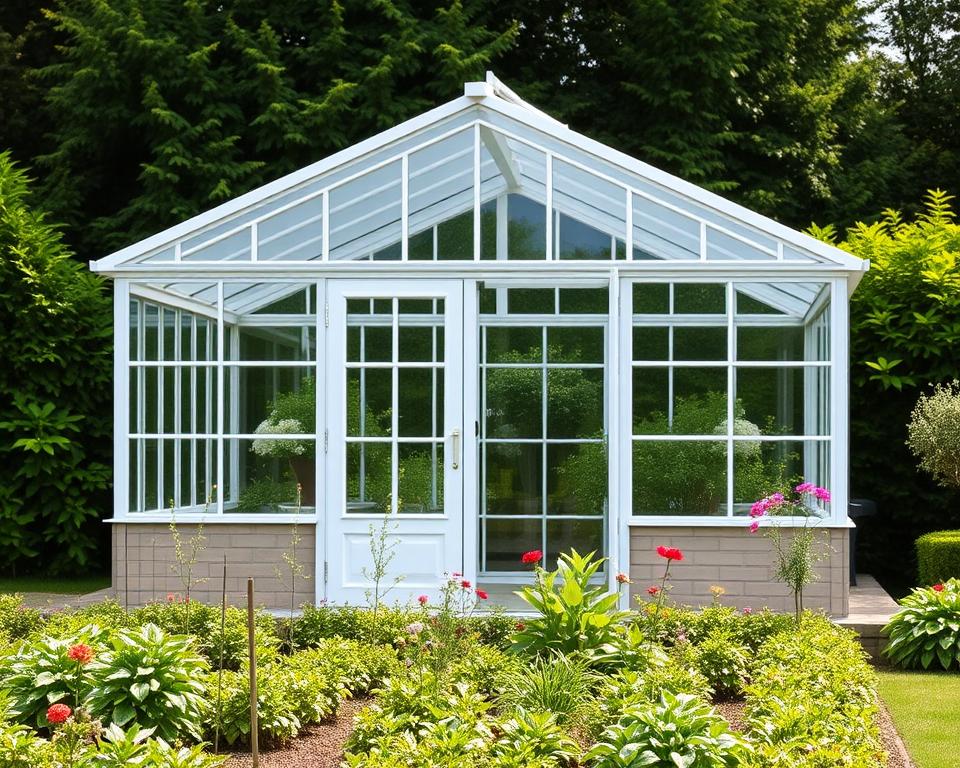
Navigating the maximum greenhouse size UK regulations can be tricky for gardening enthusiasts. Understanding permitted greenhouse dimensions is crucial for homeowners looking to enhance their outdoor spaces without legal complications.
UK planning regulations provide clear guidelines for greenhouse construction without requiring formal planning permission. The key considerations for permitted greenhouse dimensions typically include:
- Maximum footprint of 30 square metres
- Height restrictions of 4 metres for standalone structures
- Location must be within the property’s curtilage
Property owners should carefully evaluate their specific circumstances when planning a greenhouse. Local variations can exist, making it essential to consult local planning authorities for precise guidance.
| Greenhouse Type | Maximum Permitted Size | Planning Permission Required |
|---|---|---|
| Residential Garden Greenhouse | 30 sq metres | No |
| Large Commercial Greenhouse | Over 30 sq metres | Yes |
Careful measurement and strategic placement are key when considering permitted greenhouse dimensions. Homeowners must ensure their greenhouse meets all local building regulations to avoid potential legal issues.
Always verify specific local requirements before commencing greenhouse construction.
Height Restrictions and Building Regulations
Navigating greenhouse height restrictions in the UK requires careful attention to building regulations. Homeowners must understand the specific guidelines that govern greenhouse construction to ensure compliance and avoid potential legal issues.
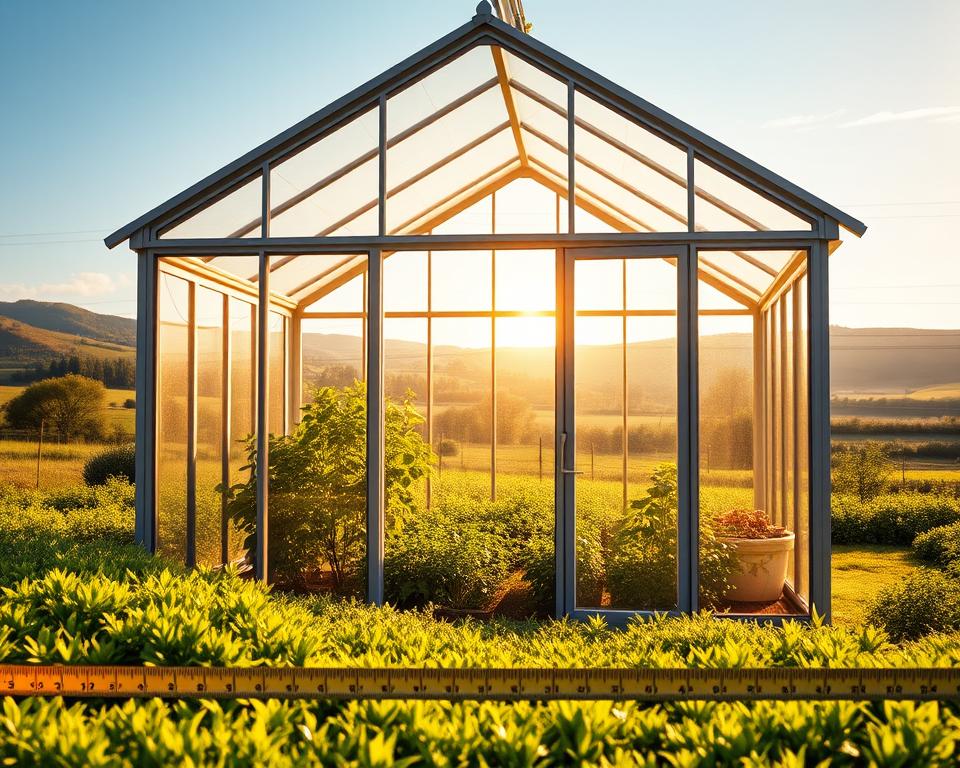
When planning a greenhouse, several critical height parameters must be considered. The building regulations for greenhouses are designed to maintain neighbourhood aesthetics and prevent potential boundary disputes.
Maximum Eaves Height Requirements
For greenhouses without planning permission, the eaves height plays a crucial role. Typically, these structures must adhere to the following limitations:
- Single-storey greenhouses: Maximum 2.5 metres in height
- Greenhouses near property boundaries: Restricted to 2.5 metres or lower
- Larger structures may require formal planning permission
Overall Height Limitations
The total height of a greenhouse impacts its permitted development status. UK regulations typically specify:
| Location | Maximum Height | Planning Permission Required |
|---|---|---|
| Residential Garden | 4 metres | No |
| Near Boundary | 2.5 metres | No |
| Larger Structures | Exceeds 4 metres | Yes |
Distance from Property Boundaries
Greenhouse height restrictions UK also consider proximity to property lines. Key considerations include maintaining adequate distance and respecting neighbour boundaries. Structures closer to boundaries typically require more conservative height measurements.
Understanding these building regulations for greenhouses helps homeowners make informed decisions about their garden structures while avoiding potential legal complications.
Location Requirements and Property Boundaries
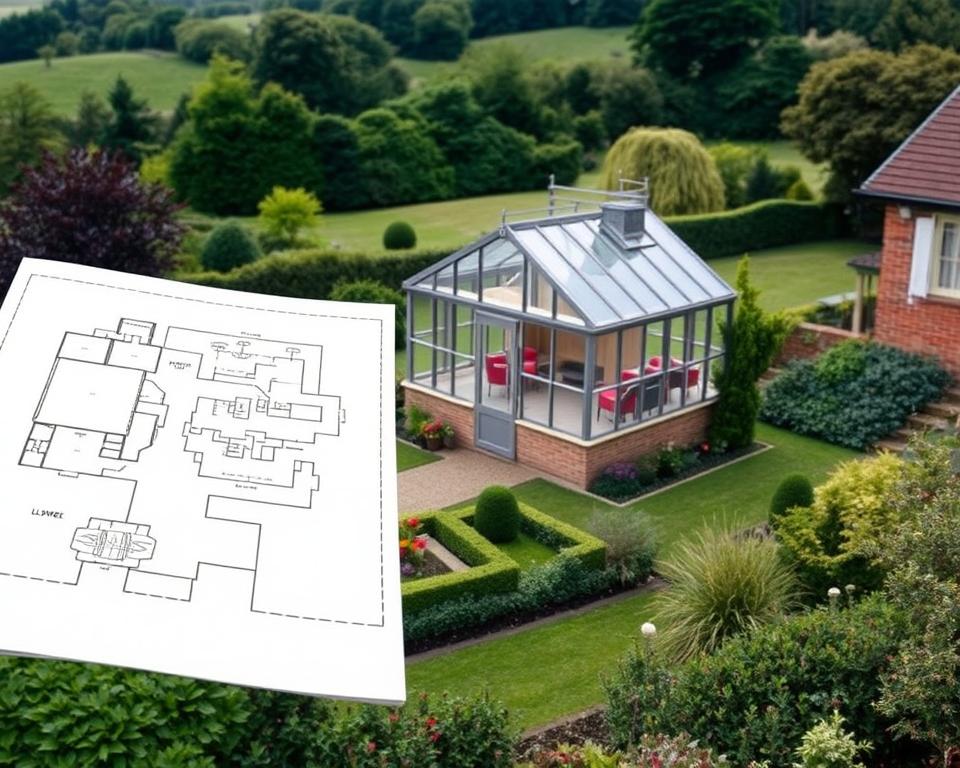
Understanding greenhouse location rules is crucial for UK homeowners planning to install a greenhouse without seeking planning permission. Property boundary regulations UK require careful consideration to ensure compliance with local building guidelines.
When positioning a greenhouse, several key factors determine its permissibility:
- Distance from the main dwelling
- Proximity to property boundaries
- Garden placement considerations
Rear garden locations typically offer more flexibility for greenhouse placement compared to front gardens. Homeowners should measure the proposed greenhouse location carefully, ensuring it meets specific spatial requirements.
| Location Criteria | Permitted Development Guidelines |
|---|---|
| Rear Garden Placement | Generally Allowed |
| Front Garden Placement | Restricted |
| Distance from Boundary | Minimum 2 metres recommended |
Pro tip: Always check local authority regulations, as specific requirements can vary between different UK regions.
Accurate measurement and strategic placement are key to avoiding potential planning enforcement issues.
Material Considerations for Permitted Greenhouses
Selecting the right greenhouse construction materials is crucial for creating a durable and compliant structure. Homeowners must carefully consider various elements to ensure their greenhouse meets UK building regulations and permitted development rights.

When planning your greenhouse, understanding the approved construction materials becomes essential. The choice of materials directly impacts the structure’s longevity, performance, and legal compliance.
Approved Construction Materials
- Aluminium frames: Lightweight and corrosion-resistant
- Wooden frames: Traditional and aesthetically pleasing
- Galvanised steel: Durable and strong
- Polycarbonate panels: Lightweight glazing option
Glazing Regulations UK
The glazing regulations UK require specific safety considerations for greenhouse construction. Homeowners must select materials that provide adequate transparency, insulation, and durability.
| Glazing Material | Pros | Durability |
|---|---|---|
| Glass | High transparency | 25-30 years |
| Polycarbonate | Lightweight, shatter-resistant | 10-15 years |
| Acrylic | UV resistant | 15-20 years |
Foundation Requirements
Greenhouse foundations are critical for structural integrity. Proper base preparation ensures stability and longevity of your greenhouse structure.
- Concrete slab foundation: Most stable option
- Gravel base: Cost-effective alternative
- Paved foundation: Provides good drainage
Pro tip: Always check local planning guidelines before finalising your greenhouse construction materials and foundation design.
Impact on Listed Buildings and Conservation Areas

Constructing a greenhouse on a listed building or within a conservation area requires careful navigation of specific regulations. Listed building greenhouse regulations demand extra attention from homeowners seeking to add structures to historic properties.
Local planning authorities impose strict guidelines to preserve architectural and historical significance. Property owners must understand conservation area restrictions before beginning any greenhouse project.
- Obtain explicit permission from local conservation officers
- Ensure proposed design matches historical architectural context
- Submit detailed planning applications with comprehensive documentation
- Respect original building materials and architectural integrity
Critical considerations for listed buildings include:
| Regulation Category | Key Requirements |
|---|---|
| Material Selection | Use historically sympathetic materials |
| Structural Impact | Minimal interference with original structure |
| Visual Aesthetics | Complement existing architectural style |
Professional consultation with heritage experts can significantly streamline the approval process for greenhouse installations in sensitive locations.
Always prioritise preserving historical architectural character when planning greenhouse additions to listed properties.
Homeowners should anticipate potentially longer approval timelines and more rigorous scrutiny when proposing greenhouse structures in conservation areas or on listed buildings.
Measuring Your Available Space Correctly
Planning a greenhouse requires precise garden size measurement and understanding greenhouse setback requirements. Accurate space assessment helps homeowners create the perfect greenhouse while avoiding potential legal complications.
Before installing a greenhouse, several critical factors must be considered to ensure proper placement and compliance with local regulations.
Garden Size Calculations
Measuring your garden space involves more than simple length and width calculations. Consider these key steps:
- Use a professional measuring tape for precise dimensions
- Measure the total garden area
- Identify potential obstructions like trees or existing structures
- Create a scaled drawing of your garden layout
Greenhouse Setback Requirements
Setback requirements determine the minimum distance between your greenhouse and property boundaries. These regulations vary depending on local planning guidelines.
- Check local authority regulations
- Measure distances from property lines
- Consider neighbouring properties’ sightlines
- Ensure adequate clearance from existing structures
Pro tip: Always consult your local planning department for specific greenhouse setback requirements to avoid potential legal issues.
Common Mistakes to Avoid When Building a Greenhouse
Navigating greenhouse construction can be tricky for UK homeowners. Many enthusiasts fall into common traps that lead to planning permission mistakes and potential legal complications. Understanding these pitfalls is crucial for a successful greenhouse project.
Greenhouse construction errors often stem from inadequate research and hasty planning. Homeowners frequently underestimate the importance of precise measurements and local regulations.
- Ignoring local planning permission requirements
- Miscalculating greenhouse dimensions
- Overlooking boundary restrictions
- Choosing inappropriate construction materials
- Failing to consider future garden development
Property owners must pay special attention to specific guidelines that could impact their greenhouse installation. Precise measurements and thorough research are your best defence against potential regulatory challenges.
| Common Mistake | Potential Consequence | Recommended Action |
|---|---|---|
| Exceeding height limits | Planning enforcement notice | Verify exact height restrictions |
| Incorrect boundary placement | Neighbour disputes | Consult property boundaries |
| Neglecting material regulations | Forced reconstruction | Check approved materials |
Professional advice can help you navigate the complexities of greenhouse construction. Local planning authorities offer guidance to prevent costly greenhouse construction errors and ensure your project complies with all necessary regulations.
Alternative Options for Larger Greenhouse Structures
Gardening enthusiasts often face challenges when seeking to expand their greenhouse spaces within UK planning regulations. Fortunately, several innovative solutions exist for those wanting to maximise their growing potential without navigating complex planning permissions.
Homeowners can explore flexible alternatives that provide substantial growing space while maintaining compliance with local development rights. Temporary greenhouses UK offer an excellent solution for gardeners seeking adaptable structures.
Temporary Greenhouse Strategies
Temporary greenhouses UK present multiple advantages for gardening enthusiasts:
- Quick installation without permanent foundation
- Easily movable and reconfigurable
- Cost-effective compared to permanent structures
- Minimal planning permission requirements
Modular Greenhouse Systems
Modular greenhouse systems represent another sophisticated approach for expanding growing capabilities. These innovative structures offer remarkable flexibility and scalability for UK gardeners.
- Customisable design options
- Expandable configuration
- Simple assembly process
- Adaptable to various garden sizes
“Innovative greenhouse solutions provide gardeners with unprecedented flexibility in creating their ideal growing environment.” – Royal Horticultural Society
When selecting temporary greenhouses UK or modular greenhouse systems, consider your specific gardening requirements, available space, and long-term horticultural goals. Carefully evaluating these alternatives can help you create an optimal growing environment without extensive bureaucratic hurdles.
Professional Installation vs DIY Construction
Choosing between professional greenhouse installation and DIY greenhouse construction can be a challenging decision for gardening enthusiasts. Each approach offers unique advantages and considerations that can significantly impact your project’s success.
- Expert design and precise construction
- Guaranteed compliance with local building regulations
- Professional-grade materials and techniques
- Reduced risk of structural errors
DIY greenhouse construction, on the other hand, offers its own set of advantages:
- Significant cost savings
- Personal customisation options
- Sense of achievement
- Flexibility in design and implementation
| Consideration | Professional Installation | DIY Construction |
|---|---|---|
| Cost | Higher initial investment | Lower upfront expenses |
| Time | Quicker completion | Longer project duration |
| Expertise | Guaranteed professional skills | Depends on personal knowledge |
When deciding between professional greenhouse installation and DIY greenhouse construction, consider your technical skills, available time, and budget. Beginners might prefer professional services, while experienced gardeners could successfully tackle a self-build project.
The right choice depends on your individual circumstances and greenhouse goals.
Ultimately, both approaches can result in a successful greenhouse project. Careful planning and research are key to achieving your gardening aspirations.
Maintenance Requirements and Building Control
Greenhouse maintenance in the UK requires careful attention to detail and proactive management. Property owners must understand the critical aspects of building control for greenhouses to ensure structural integrity and safety.
Regular maintenance is crucial for keeping your greenhouse in optimal condition. Proper upkeep not only preserves the structure but also ensures compliance with local building control regulations.
Annual Inspection Guidelines
A comprehensive annual inspection helps identify potential issues before they become significant problems. Here are key areas to focus on:
- Check structural integrity of frame and foundation
- Inspect glazing for cracks or damage
- Evaluate weatherproofing and seals
- Assess ventilation systems
Safety Considerations
Safety is paramount when managing greenhouse structures. Building control for greenhouses involves several critical safety measures:
| Safety Aspect | Recommended Action |
|---|---|
| Structural Stability | Annual professional assessment |
| Electrical Components | Regular PAT testing |
| Ventilation | Check and maintain air circulation mechanisms |
| Foundation Integrity | Inspect for ground movement or settlement |
Professional maintenance can significantly extend the lifespan of your greenhouse while ensuring compliance with UK building regulations.
Conclusion
Understanding UK greenhouse regulations and planning permission guidelines is crucial for homeowners looking to enhance their garden spaces. The journey of constructing a greenhouse without legal complications requires careful attention to detail and precise measurements.
Your success in building a greenhouse within permitted development rights depends on understanding key factors such as size, height, and location restrictions. The UK greenhouse regulations summary highlights the importance of staying within specific dimensional limits to avoid potential legal challenges from local planning authorities.
Homeowners should approach their greenhouse project with meticulous planning and research. By consulting local council guidelines and thoroughly examining the planning permission guidelines, gardening enthusiasts can create functional and compliant outdoor structures that add value and beauty to their properties.
Ultimately, the key to a successful greenhouse installation lies in preparation, understanding local regulations, and working within the established permitted development rights. With careful consideration and informed decision-making, your greenhouse project can become a reality without unnecessary bureaucratic obstacles.
FAQ
What is the maximum size of a greenhouse I can build without planning permission in the UK?
Generally, you can build a greenhouse up to 4 metres in height and covering no more than 50% of your garden area without planning permission. However, specific requirements can vary depending on your property’s location and existing structures.
Do I need planning permission for a greenhouse in my back garden?
In most cases, you won’t need planning permission for a greenhouse in your back garden if it meets permitted development rights criteria, including size limitations and distance from property boundaries.
How close to my property boundary can I place a greenhouse?
Typically, a greenhouse should be at least 2 metres away from any property boundary if it’s taller than 2.5 metres. Proximity restrictions can be more stringent in conservation areas or for listed properties.
Are there different rules for greenhouses in conservation areas?
Yes, conservation areas have more restrictive regulations. You may need to seek additional permissions and adhere to stricter guidelines about the design, materials, and positioning of your greenhouse.
Can I use any materials for my greenhouse without planning permission?
Most standard greenhouse materials are acceptable, including aluminium frames, glass, or polycarbonate glazing. However, the structure must look typical of a domestic greenhouse and not resemble a permanent extension to your home.
What happens if I build a greenhouse that exceeds permitted development rights?
Building beyond permitted development rights could result in enforcement action from local planning authorities. You might be required to modify or remove the structure, potentially facing legal consequences and financial penalties.
Do temporary greenhouses have different planning rules?
Temporary greenhouses typically have more flexibility. Structures that can be easily dismantled and are not permanently fixed to the ground often have fewer restrictions, but size and placement guidelines still apply.
How do I measure my garden to ensure I comply with greenhouse size restrictions?
Carefully measure your total garden area and calculate that the greenhouse will occupy no more than 50% of the total space. Consider the footprint of the greenhouse, including any foundations or bases.
Are there special rules for greenhouse foundations?
Most lightweight greenhouses can be installed on simple base foundations like gravel or paving. Permanent concrete foundations might require additional planning considerations.
Can I install a greenhouse in my front garden?
Front garden greenhouse installations are more restrictive and may require planning permission. They must be significantly smaller and less obtrusive compared to rear garden structures.