Creative Herb Garden Ideas: Top Tips for UK Gardens
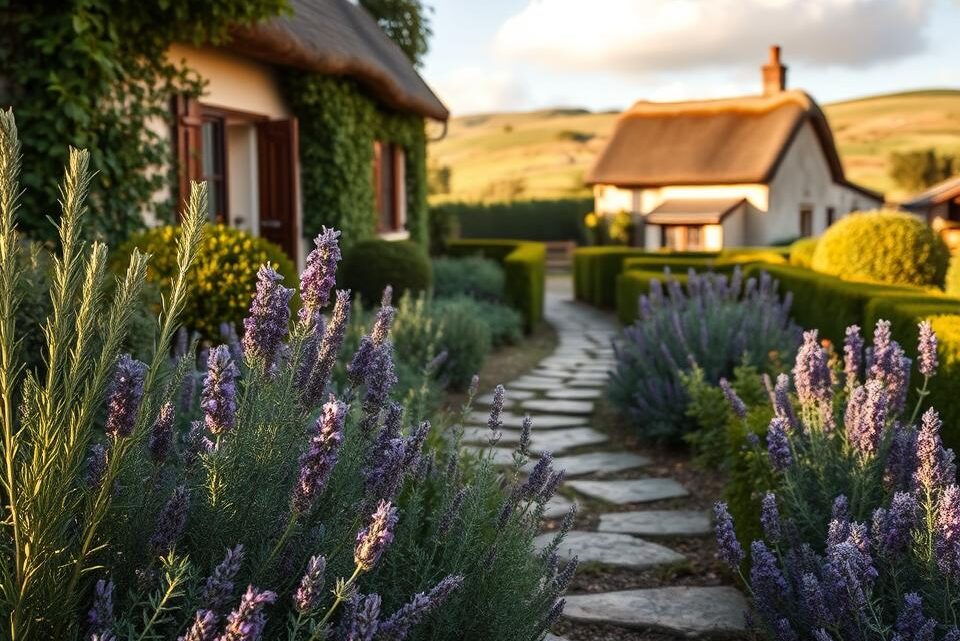
Growing herbs in UK gardens offers an exciting opportunity to transform small spaces into vibrant culinary landscapes. Creative herb gardening allows gardeners to maximise limited outdoor areas while enjoying fresh, flavourful ingredients right at home. The British climate presents unique challenges, but with smart planning, anyone can cultivate a thriving herb garden.
UK gardens can become productive green spaces through innovative herb gardening techniques. Whether you have a compact urban balcony or a modest suburban garden, there are numerous strategies to grow delicious herbs successfully. Understanding local growing conditions and selecting appropriate plants will ensure a bountiful harvest throughout the seasons.
Inhaltsverzeichnis
Key Takeaways
- Discover creative solutions for growing herbs in small UK spaces
- Learn about herbs that thrive in British growing conditions
- Explore vertical and container gardening techniques
- Understand pest management for herb gardens
- Maximise herb production with strategic planting methods
Essential Herbs for British Growing Conditions
Selecting the right herbs for your UK garden requires understanding the unique growing conditions of the British climate. Different herbs thrive in various environments, making it crucial to choose plants that can withstand local weather patterns and soil types.
When planning your herb garden, consider the diversity of cold-hardy herbs and Mediterranean herbs that can flourish in British gardens. These plants offer both culinary delight and aesthetic appeal to your outdoor space.
Cold-Hardy Herbs for Year-Round Growing
Cold-hardy herbs are perfect for British gardens, providing fresh flavours throughout the year. Some exceptional options include:
- Rosemary – resilient and aromatic
- Thyme – compact and drought-resistant
- Sage – robust with beautiful silvery leaves
- Chives – tolerant of cold temperatures
Mediterranean Herbs That Thrive in UK Climate
Mediterranean herbs can adapt to British conditions with proper care. Gardeners can successfully grow these herbs by providing:
- Well-drained soil
- Adequate sunlight
- Protection from harsh winter winds
Popular Mediterranean herbs like oregano, basil, and marjoram can flourish with attentive cultivation.
Annual vs Perennial Herb Selection
Understanding the difference between annual and perennial herbs helps gardeners plan more effectively:
| Annual Herbs | Perennial Herbs |
|---|---|
| Basil | Rosemary |
| Coriander | Thyme |
| Dill | Sage |
Perennial herbs return each year, while annual herbs complete their lifecycle in one growing season. Mixing both types provides continuous herb production and garden variety.
Creative Herb Garden Ideas for Small Spaces
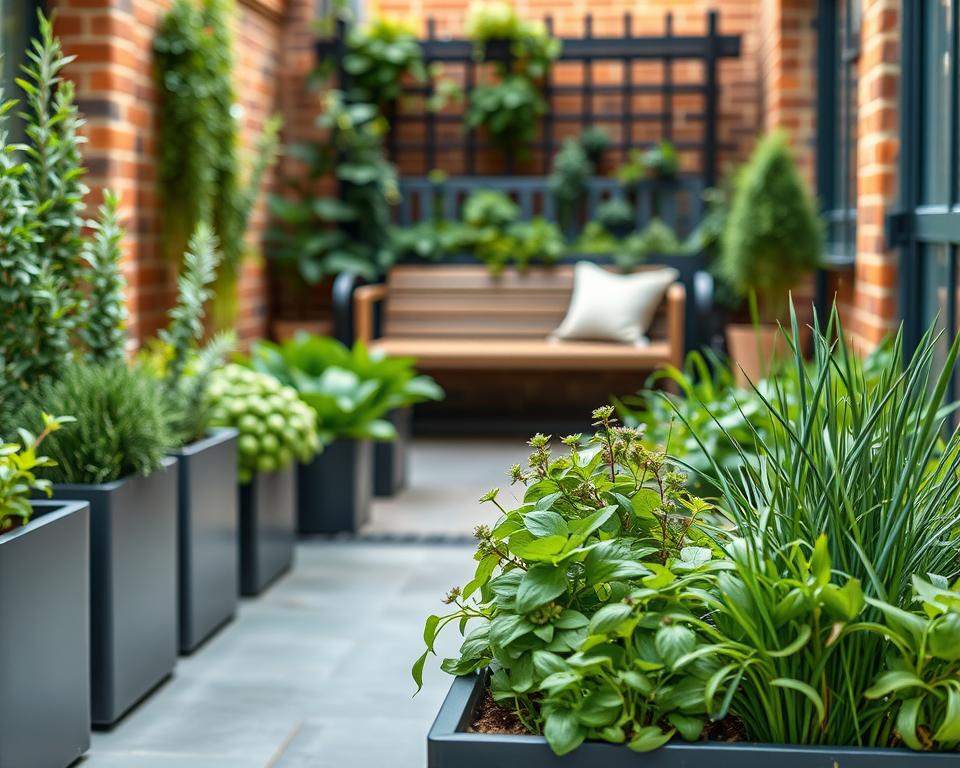
Urban dwellers and gardening enthusiasts with limited space can still cultivate vibrant small space herb gardens. Compact herb gardens are not just possible but can be incredibly rewarding, transforming even the tiniest areas into green sanctuaries of fresh culinary delights.
Urban herb gardening offers numerous creative solutions for growing herbs in restricted environments. Windowsills, balconies, and even small outdoor patios can become productive herb-growing spaces with some clever planning.
- Repurpose kitchen containers like colanders or vintage tea tins
- Create vertical herb gardens using wall-mounted planters
- Utilise hanging baskets for maximum space efficiency
- Design compact herb spirals for small gardens
Selecting the right herbs is crucial for successful compact herb gardens. Some herbs thrive in tight spaces and can provide abundant harvests with minimal maintenance.
| Herb | Space Required | Sunlight Needs |
|---|---|---|
| Chives | 15cm pot | Partial sun |
| Basil | 20cm pot | Full sun |
| Mint | 20cm pot | Partial shade |
| Parsley | 15cm pot | Partial sun |
Consider using multi-tiered planters or hanging systems to maximise vertical space. Innovative gardening techniques can transform even the smallest urban nook into a thriving herb garden.
Pro tip: Choose compact herb varieties and rotate crops to keep your small space herb garden productive throughout the seasons.
Vertical Herb Gardens: Maximising Limited Space
Urban gardeners in the UK often struggle with limited growing areas. Vertical herb gardens offer an ingenious solution for cultivating fresh herbs in compact spaces. These innovative gardening techniques transform walls, balconies, and small outdoor areas into productive green spaces.
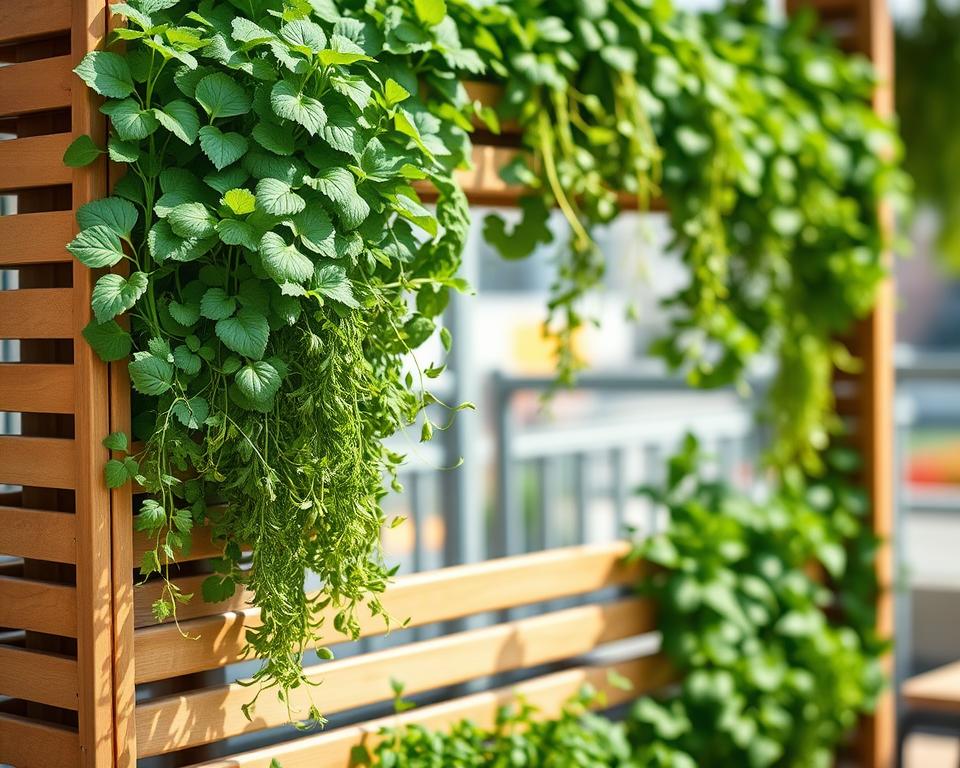
Vertical gardening allows herb enthusiasts to grow multiple plant varieties in minimal square footage. Whether you’re working with a tiny city balcony or a modest courtyard, wall-mounted planters and tiered herb systems can dramatically increase your growing potential.
Creating Wall-Mounted Herb Planters
Wall-mounted planters provide an excellent opportunity for urban herb cultivation. Some key strategies include:
- Using wooden pallets as vertical herb garden frames
- Installing modular ceramic pocket planters
- Repurposing old guttering as herb growing channels
- Selecting lightweight, moisture-resistant materials
Designing Tiered Herb Systems
Tiered herb systems maximise vertical growing space by creating multiple levels of planting. These systems work brilliantly for herbs with different sunlight and water requirements.
“A well-designed vertical herb garden can produce more herbs in one square metre than traditional ground planting.” – Urban Gardening Magazine
Hanging Herb Gardens
Hanging gardens offer another creative approach to vertical herb cultivation. Macramé plant hangers, suspended metal frames, and trailing planters can transform indoor and outdoor spaces into lush herb havens.
When designing your vertical herb garden, consider each plant’s specific needs for sunlight, water, and space. Basil, mint, and thyme are particularly well-suited to compact growing environments.
Indoor Herb Garden Solutions for British Homes
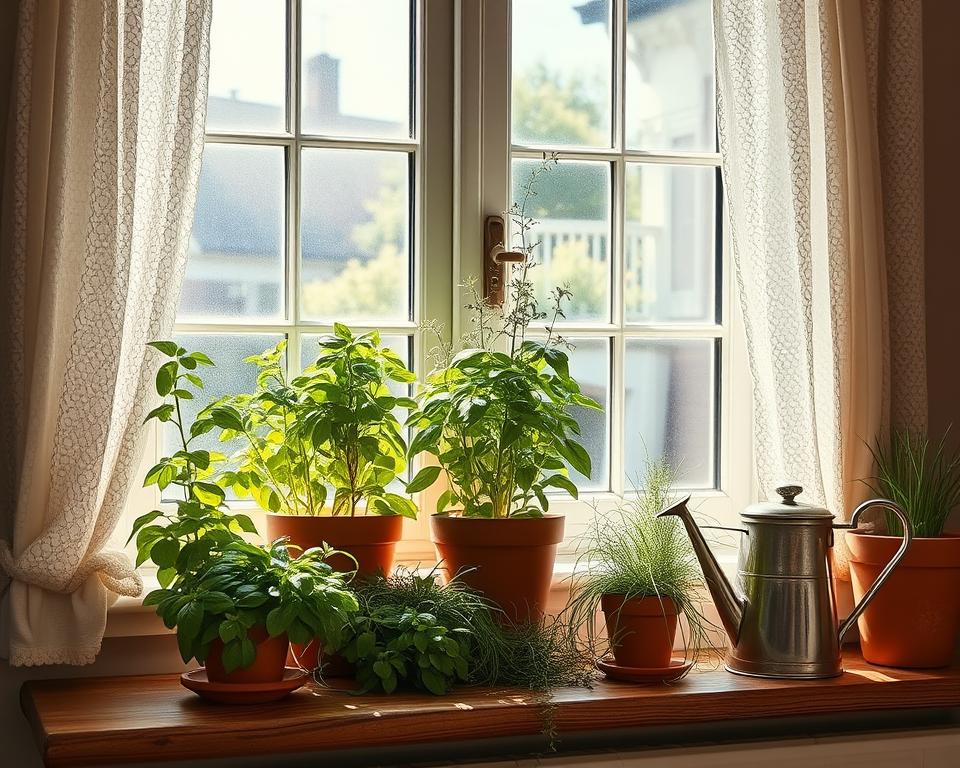
Creating indoor herb gardens has become a delightful trend for British home cooks and gardening enthusiasts. Windowsill herbs offer a practical solution for those with limited outdoor space, bringing fresh flavours and greenery directly into your kitchen.
Selecting the right herbs for indoor cultivation requires careful consideration. Compact and low-maintenance varieties work best for kitchen herb gardens. Some top choices include:
- Basil – thrives in warm, bright spaces
- Chives – perfect for small containers
- Mint – grows quickly with minimal care
- Parsley – adaptable to indoor conditions
- Thyme – tolerates drier environments
Light is crucial for successful indoor herb gardens. South-facing windowsills provide optimal sunlight, but grow lights can supplement natural light during darker winter months. Aim for at least 6-8 hours of bright light daily.
“A kitchen without herbs is like a song without music” – Unknown Chef
Humidity and temperature play significant roles in herb cultivation. Most windowsill herbs prefer temperatures between 15-21°C and moderate humidity. Consider using a small spray bottle to mist your herbs occasionally, creating a more hospitable environment.
Container selection matters for indoor herb gardens. Choose pots with proper drainage, approximately 15-20 cm deep, to ensure healthy root development. Terracotta or ceramic containers work exceptionally well for maintaining soil moisture.
Container Growing Tips for Herbs
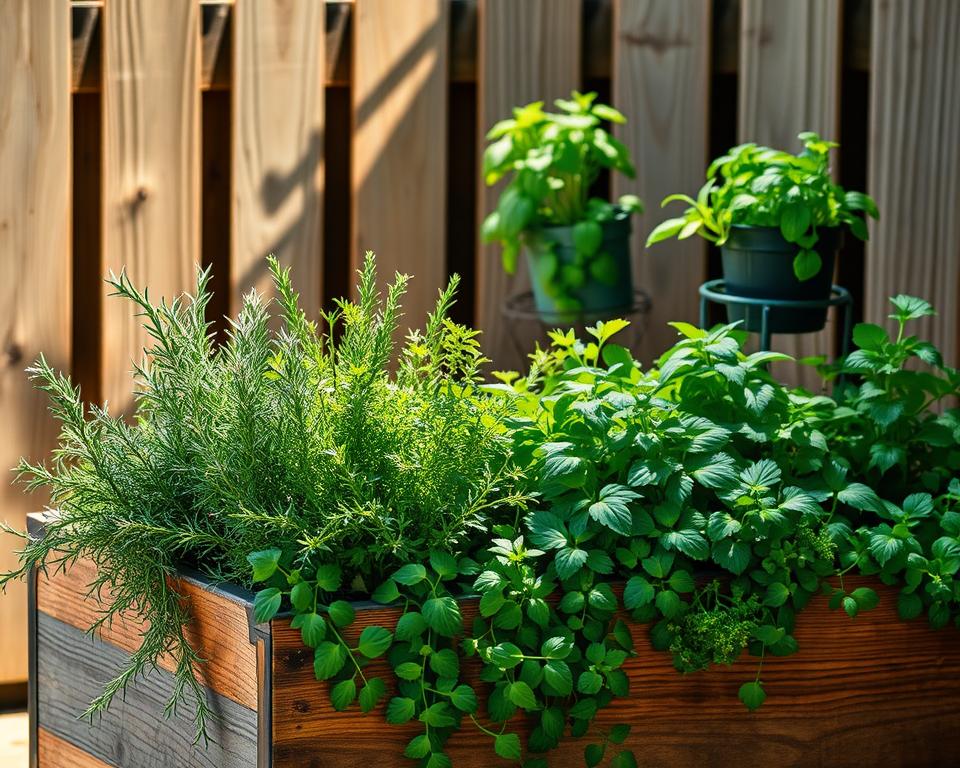
Container herb gardening offers an exciting opportunity for gardeners with limited space to cultivate a vibrant and productive herb collection. Whether you’re working with a small balcony, courtyard, or windowsill, the right approach can transform your space into a thriving herb garden.
Selecting the perfect containers is crucial for successful herb cultivation. Different herbs have unique requirements that impact their container needs.
Choosing the Right Containers
- Terracotta pots for Mediterranean herbs like rosemary and thyme
- Deep containers for root-heavy herbs such as fennel
- Shallow containers for delicate herbs like chives and parsley
- Ensure all containers have drainage holes
Herb Soil Requirements
Proper soil composition is essential for healthy herb growth. Most herbs prefer well-draining, nutrient-rich potting mix with a slightly alkaline pH.
| Herb Type | Soil pH | Drainage Needs |
|---|---|---|
| Mediterranean Herbs | 6.5-7.5 | Very High |
| Leafy Herbs | 6.0-7.0 | Moderate |
| Mint Family | 6.0-7.0 | Good |
Companion Planting Herbs in Containers
Strategic companion planting can maximise your container herb garden’s productivity and health. Some herbs grow beautifully together, sharing nutrients and providing natural pest protection.
- Basil pairs well with parsley
- Chives complement rosemary
- Keep mint in separate containers due to aggressive spreading
By understanding container herb gardening principles, you’ll create a thriving, aromatic herb garden that transforms your growing space.
Maintaining Your Herb Garden Through British Seasons
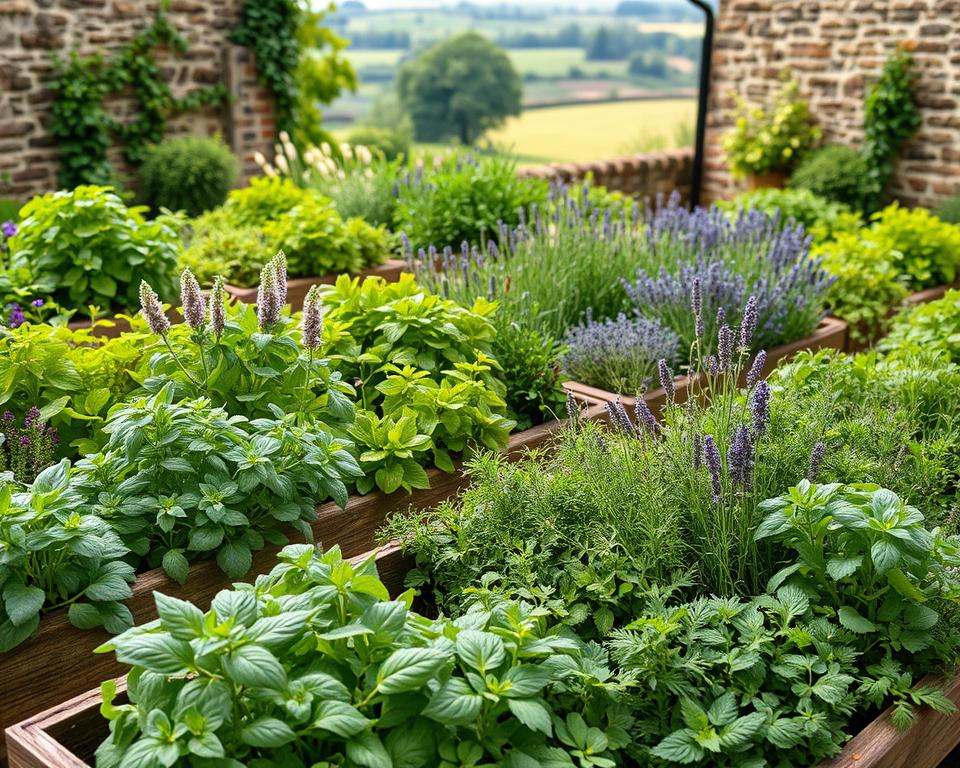
Successful seasonal herb care requires understanding the unique challenges of British gardening. Each season brings distinct requirements for keeping your herb garden thriving throughout the year.
Winter herb protection becomes crucial when temperatures drop. Tender herbs need special attention to survive the cold months. Consider these strategies:
- Move potted herbs to sheltered areas
- Use protective cloches or cold frames
- Mulch around plant bases for insulation
- Bring Mediterranean herbs indoors
Summer herb maintenance demands a different approach. The warmer months require careful watering and protection from intense sunlight. Herbs like basil and parsley can quickly dry out if not managed properly.
Essential summer care techniques include:
- Regular morning watering
- Providing partial shade during hottest hours
- Pruning to encourage healthy growth
- Checking for pest activity
Transitional seasons present unique challenges for herb gardeners. Spring and autumn require adaptable care strategies to help herbs adjust to changing conditions.
The key to a successful herb garden is understanding each plant’s specific seasonal needs.
By implementing these seasonal herb care techniques, UK gardeners can ensure a robust and productive herb garden throughout the year.
Natural Pest Control and Organic Growing Methods
Organic herb gardening requires a proactive approach to managing pests and maintaining plant health. UK gardeners can protect their precious herb gardens using natural pest control methods that are both effective and environmentally friendly.
Understanding the ecosystem of your herb garden is crucial for successful natural pest management. Companion planting for pest management offers an intelligent strategy to keep unwanted insects at bay while promoting a healthy growing environment.
Common UK Garden Pests
Herbs can attract various garden pests that threaten their growth. The most common challenges for UK herb gardeners include:
- Aphids
- Slugs and snails
- Whiteflies
- Caterpillars
Companion Plants for Pest Management
Strategic companion planting can naturally deter pests and create a balanced garden ecosystem. Some effective companion plants include:
- Lavender: Repels moths and flies
- Marigolds: Deters numerous garden insects
- Nasturtiums: Attracts beneficial insects
Organic Solutions for Plant Health
Maintaining plant health through organic methods ensures robust herb growth. Some practical solutions include:
- Homemade garlic spray for pest control
- Neem oil treatments
- Encouraging beneficial insects
- Regular garden inspection and manual pest removal
“In organic gardening, prevention is always better than cure.” – Gardening Expert
By implementing these natural pest control techniques, gardeners can create a thriving, chemical-free herb garden that supports both plant health and local biodiversity.
Harvesting and Using Your Home-Grown Herbs
Mastering herb harvesting techniques is crucial for maintaining a thriving herb garden and ensuring maximum flavour. The key to successful herb preservation begins with understanding the right moment to harvest your aromatic plants.
When it comes to herb harvesting techniques, timing is everything. Most herbs are best picked in the morning, after the dew has dried but before the midday heat. This ensures the essential oils are at their peak, delivering the most intense flavours for culinary uses for herbs.
- Cut herbs just before they flower for the most robust taste
- Use sharp, clean scissors to prevent plant damage
- Harvest outer leaves first, allowing the centre to continue growing
Preserving fresh herbs extends their usability and allows you to enjoy your garden’s bounty throughout the year. Drying is a traditional method that works brilliantly for many herb varieties. Simply hang bunches in a warm, dry area with good air circulation.
For those seeking alternative preservation methods, freezing herbs in olive oil or creating herb-infused vinegars provides exciting culinary opportunities. These techniques lock in flavour and create versatile ingredients for your kitchen.
- Freeze herbs in ice cube trays with olive oil
- Create herb-infused oils and vinegars
- Dry herbs for long-term storage
Your home-grown herbs can transform simple dishes into culinary masterpieces. From fresh pesto to herb-infused salts, the possibilities are endless. With these harvesting and preservation techniques, you’ll never waste a single leaf from your herb garden.
Conclusion
Developing a thriving herb garden is an exciting journey for gardeners across the United Kingdom. Creative herb gardening offers an accessible and rewarding approach to growing fresh, flavourful herbs in even the most compact spaces. From windowsill containers to vertical garden installations, UK gardeners have countless opportunities to cultivate their own sustainable herb growing solutions.
The techniques explored throughout this guide demonstrate how versatile herb gardening can be. Whether you’re working with a small urban balcony or a spacious rural garden, UK herb garden ideas can transform any outdoor or indoor space into a productive green sanctuary. Sustainable herb growing is not just about producing fresh ingredients – it’s about connecting with nature and enjoying the therapeutic benefits of nurturing your own plants.
Every gardener starts somewhere, and the key is to experiment and learn. Begin with a few simple herbs, understand their growing requirements, and gradually expand your garden. The satisfaction of harvesting your own fresh herbs, knowing exactly where they come from, is an unparalleled experience that brings both culinary delight and personal achievement.
Embrace the potential of your garden, no matter its size. With patience, creativity, and the right knowledge, you can cultivate a thriving herb garden that brings beauty, flavour, and sustainable joy to your home.
FAQ
What are the best herbs for British gardens?
Some of the best herbs for British gardens include rosemary, thyme, sage, mint, and chives. These herbs are well-suited to the UK climate and can withstand cooler temperatures and occasional frost.
How can I grow herbs in a small space?
You can grow herbs in small spaces using vertical gardening techniques, such as wall-mounted planters, hanging baskets, window boxes, or tiered growing systems. Repurposed containers like old tea tins, colanders, or wooden pallets can also be excellent options for compact herb gardens.
Can I grow herbs indoors in the UK?
Absolutely! Many herbs thrive indoors, especially near sunny windowsills. Choose herbs like basil, parsley, chives, and mint that adapt well to indoor conditions. Consider using grow lights to supplement natural light during darker winter months.
What type of soil do herbs need?
Most herbs prefer well-draining soil with a slightly alkaline to neutral pH. Use a mix of potting compost and grit or sand to improve drainage. Mediterranean herbs like rosemary and thyme particularly benefit from sandy, less rich soil.
How often should I water my herb garden?
Watering frequency depends on the herb and growing conditions. Generally, water when the top inch of soil feels dry. Mediterranean herbs prefer less water, while leafy herbs like basil need more consistent moisture. Always ensure good drainage to prevent root rot.
How do I protect my herbs from pests naturally?
Use companion planting techniques by growing pest-repelling herbs like lavender and marigolds nearby. You can also create natural pest deterrents using garlic spray, neem oil, or by encouraging beneficial insects like ladybirds and lacewings.
When is the best time to harvest herbs?
The best time to harvest is early morning after the dew has dried but before the sun gets too hot. Cut herbs just before they flower for the most flavourful and potent leaves. Regular harvesting encourages continued growth and prevents the plant from becoming woody.
Can I grow herbs all year round in the UK?
While some herbs are cold-hardy and survive winter, others will need protection. Use techniques like cold frames, cloches, or bringing potted herbs indoors during harsh weather. Some herbs can be grown on windowsills throughout the year.
What are the easiest herbs for beginners to grow?
Mint, chives, parsley, and basil are excellent herbs for beginners. They’re relatively low-maintenance, grow quickly, and are quite forgiving of minor gardening mistakes. They also adapt well to both outdoor and indoor growing conditions.
How can I preserve my herb harvest?
You can preserve herbs by drying (hanging in bunches or using a dehydrator), freezing in ice cube trays with olive oil, or making herb-infused oils and pestos. Some herbs like chives and basil are best used fresh, while others like rosemary and thyme dry exceptionally well.