
Summerhouses under £4000 - Best Deals in UK!
Showing all 2 results
-
13% OFF: 10′ x 10′ Traditional Woodstock Wooden Summer House With Veranda £3,119.0013%

-
13% OFF: 12′ x 10′ Traditional Wychwood Wooden Summer House £3,319.0013%

Summerhouses under £4000 offer a practical way to add a flexible garden room, with choices in timber styles, compact footprints, and gabled or apex roofs for everyday outdoor use.
Made for real gardens, not just big plans
When the budget stays under £4000, the range is still surprisingly useful. You are usually looking at summerhouses that suit smaller to medium gardens, patios with a bit of breathing room, and spots where you want a calm place to sit without turning the whole plot upside down. The trick is that these buildings are often designed to give you the right balance between usable internal space and a footprint that does not dominate the garden.
This category tends to include summerhouses with a more compact layout, cleaner wall lines, and roof shapes that help the building feel light rather than bulky. That can make a real difference if you want the structure to sit neatly against a fence, in a corner, or at the end of a path. The result is a garden building that feels intentional, not squeezed in.
What sits inside this price band
Under £4000, summerhouses often come in a few distinct forms, each with its own feel and use. The good news is that you do not have to settle for one look. You can choose from simple, compact designs through to more characterful garden rooms with glazing and wider openings.
Bestseller der Kategorie Summerhouses under £4000
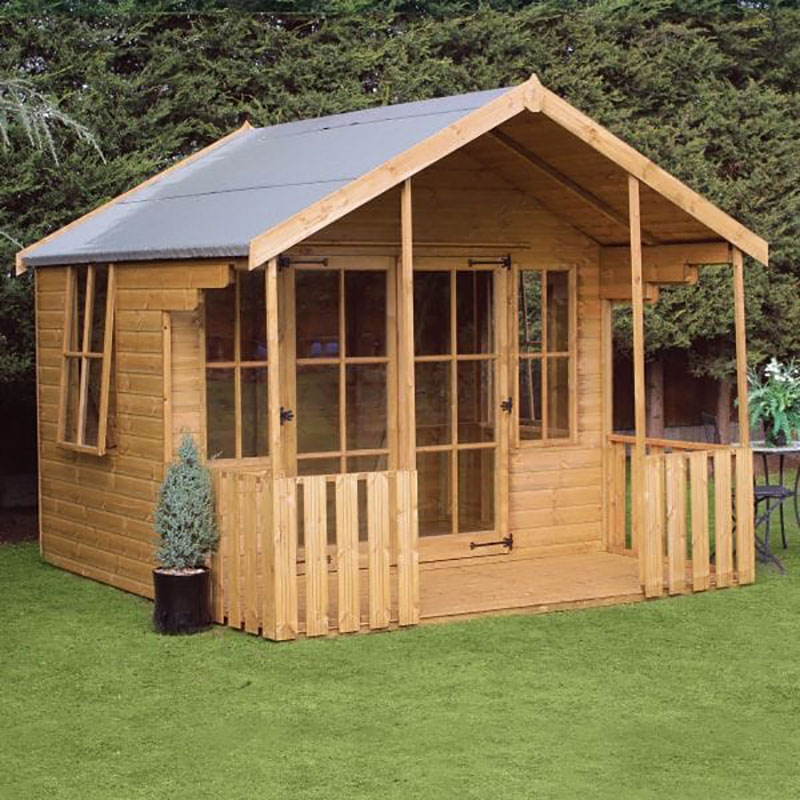
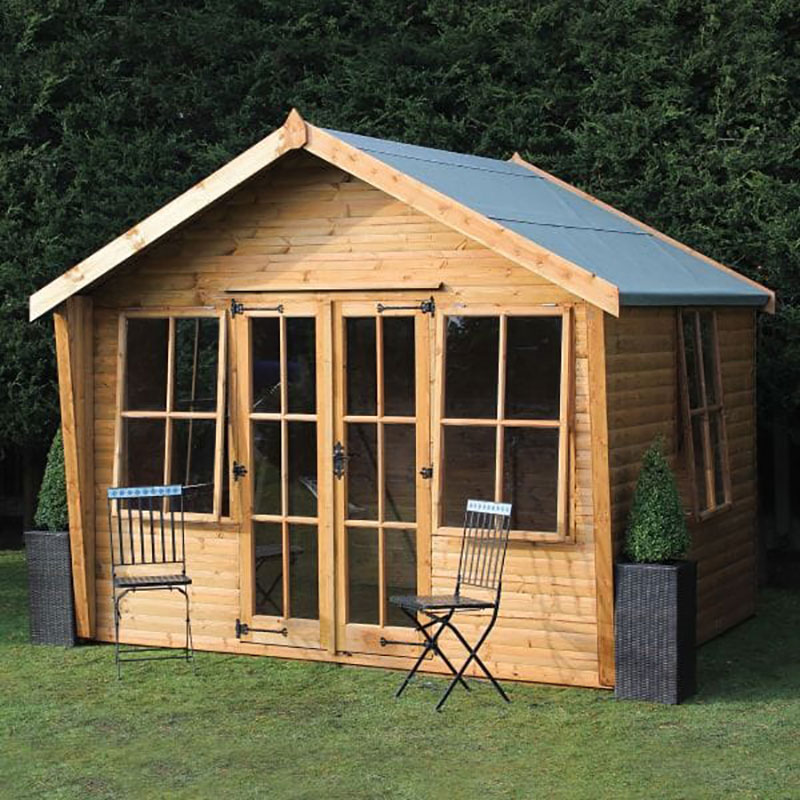
- Apex roof summerhouses – a classic shape with a central ridge, giving a familiar look and a bit more headroom in the middle.
- Reverse apex styles – useful when you want the roof line to run across the front rather than from front to back, which can change the way the building sits in a corner.
- Corner summerhouses – designed to tuck into an angled or unused area, helping to make the most of awkward space.
- Hexagonal and octagonal designs – more decorative in appearance, often chosen when you want the building to become a feature as well as a room.
- Rectangular summerhouses – straightforward, efficient, and easy to furnish because the internal layout is more predictable.
Each type brings a slightly different feel. A rectangular shape is usually easier to arrange with chairs, a small table, or a bench. A corner design can be better if you want to leave more open lawn elsewhere. A hexagonal summerhouse may suit buyers who care about appearance just as much as function, because it adds a bit of visual interest from every angle.
Timber, glazing and the feel of the room
Most summerhouses in this price range lean towards timber construction, and that matters because timber gives a warmer, more garden-friendly finish than many hard surfaces. It tends to look more at home beside planting, decking, or gravel, and it can help the building feel less like an add-on. The timber look can also suit different garden styles, from neat and formal to more relaxed and cottage-like.
Glazing is another detail that changes the whole experience. Some summerhouses use large front windows and side panes to bring in more light, which can make a smaller building feel easier to use through the day. Others keep the glazing more modest, which may suit buyers who want a calmer, more enclosed feel. There is a clear difference between a summerhouse that feels airy and open, and one that feels more like a snug retreat.
Door style matters too. Double doors can create a broader opening and make the inside feel more connected to the garden. Single doors can save space and work well in narrower layouts. If you are comparing options, think about how you want to move in and out of the building, not only how it looks from outside.
Why under £4000 makes sense for many buyers
There is a practical reason this category is popular: it keeps the project within a budget that still leaves room for the rest of the garden. Instead of putting every penny into the structure itself, you can leave scope for furniture, planting, lighting, or a simple seating area around it. For many people, that makes the final result feel more finished.
Another advantage is choice. At this level, you can often compare different footprints, roof styles, and window layouts without moving into a much higher price bracket. That means the decision can be based more on what suits your garden and less on trying to force a bigger spend.
- Better fit for smaller plots – you can choose a building that sits comfortably without crowding borders or lawn.
- Flexible use – a summerhouse can be for sitting, reading, working, or simply keeping dry when the weather turns.
- Clearer spending plan – staying under £4000 can make the purchase feel more manageable.
- Style variety – the category often covers both plain and more decorative looks.
Small footprint, proper presence
A good summerhouse does not have to be huge to feel useful. In fact, a smaller structure can often work better because it leaves more open garden around it. That balance can make the whole space feel calmer. A compact summerhouse can act like a destination in the garden rather than an object that takes over the view.
Some buyers prefer a taller profile with an apex roof because it gives a little more internal sense of space. Others prefer a lower, wider shape that feels stable and tucked in. The difference is not only visual. It can affect how the room feels when you are inside, especially if you plan to spend longer periods there. A design with more glass and a lighter front elevation can feel brighter, while a more enclosed style may feel cosier on less sunny days.
How the shapes differ in everyday use
The shape you choose changes more than the outer appearance. It affects layout, light, and the way furniture can be placed. If you are trying to decide between forms, it helps to think about how you will actually use the building.
- Rectangular – easiest for standard seating, desks, and straight furniture placement.
- Corner – best when the garden has a dead corner or when you want to save open space.
- Hexagonal – feels more decorative, with a centralised layout that can suit a table or a couple of chairs.
- Apex roof – gives a familiar garden-building profile and usually a neat internal balance.
- Reverse apex – changes the front appearance and can suit certain orientations better.
That difference is worth thinking through before you buy. A shape that looks lovely in a photo may not be the easiest one to arrange if you want a practical sitting area. On the other hand, a plain rectangular summerhouse can sometimes be the better choice if your main goal is simple, efficient use.
Light, outlook and a bit of privacy
One of the reasons people choose a summerhouse rather than a shed is the experience of sitting inside it. Windows, door placement, and the amount of glazing all affect how open or private the space feels. A model with larger windows can bring in more daylight and give you a stronger connection to the rest of the garden. That is useful if you want to watch the planting, enjoy the view, or make the room feel less enclosed.
At the same time, there is value in a design that keeps some privacy. Not every garden is overlooked in the same way, but some buyers prefer windows that are placed to face a feature rather than the neighbour’s fence. The main point is to pick a balance between light and seclusion that suits how you will use it.
What to look for before you compare prices
With summerhouses under £4000, small differences in the specification can have a noticeable effect on comfort and appearance. It helps to compare the details carefully rather than just looking at the headline price.
- Footprint size – check that the building fits the space and still leaves room to move around it.
- Door position – central, offset, or wide double doors can change how easy the room is to use.
- Window arrangement – more glazing gives more light, but less glazed models may feel more private.
- Roof profile – apex, reverse apex, or corner-friendly shapes all change the overall look.
- Interior proportions – some compact buildings feel narrow inside even if the outside measurements seem fine.
It is also worth checking whether the design suits the direction your garden faces. A bright south-facing spot may work well with more glass, while a more shaded area could benefit from a layout that uses every bit of available light. These are small details, but they can make the building feel better day to day.
A room that can change with the season
Summerhouses are appealing because they are not fixed to one purpose. A buyer might start by thinking of it as a quiet place for tea, then later use it as a reading spot, hobby room, or somewhere to sit with friends when the house feels full. That flexibility is part of the appeal of this category, especially when the budget is controlled.
Under £4000, you can still find designs that feel more like a proper garden room than a simple outbuilding. The key difference is usually in the shape, glazing, and sense of proportion. Some are made to look relaxed and informal. Others are neater and more architectural. Neither is wrong; it depends on what the garden needs.
Simple buying tips that help the choice feel easier
If you are narrowing down options, the best approach is to start with space, then work out style. That tends to avoid choosing something attractive that does not really suit the site. Measure the area carefully, think about access, and consider how the summerhouse will sit against paths, fencing, shrubs, or patios. A building that looks neat from the house may feel awkward if the entrance is hard to reach.
It also helps to think about the difference between a feature building and a background building. Some buyers want the summerhouse to stand out as a focal point. Others want it to blend in and quietly improve the garden layout. Both approaches work, but they lead to different shape and glazing choices.
- Choose the shape first – this usually narrows the rest of the search quickly.
- Match the glazing to the site – brighter does not always mean better for every position.
- Think about furniture size – even a small interior can feel fine if the pieces suit it.
- Look at how the roofline sits – the roof changes the whole look more than many buyers expect.
The kind of garden upgrade that feels measured
Summerhouses under £4000 are often chosen by buyers who want a meaningful addition without moving into a complicated project. The category gives room for different looks, from compact and discreet to more open and decorative. That means you can pick something that feels like part of the garden rather than a separate idea forced onto it.
What makes this category worth a closer look is the mix of style, space use, and practical value. You can compare corners, rectangles, and more sculpted shapes; you can weigh privacy against daylight; and you can choose whether the summerhouse should blend in or stand out. That flexibility is exactly what helps buyers find a building that feels right once it is in place, not just when they are looking at it online.
[Sassy_Social_Share]