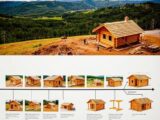
Wall Thicknesses for Low Cabins: A Complete Guide
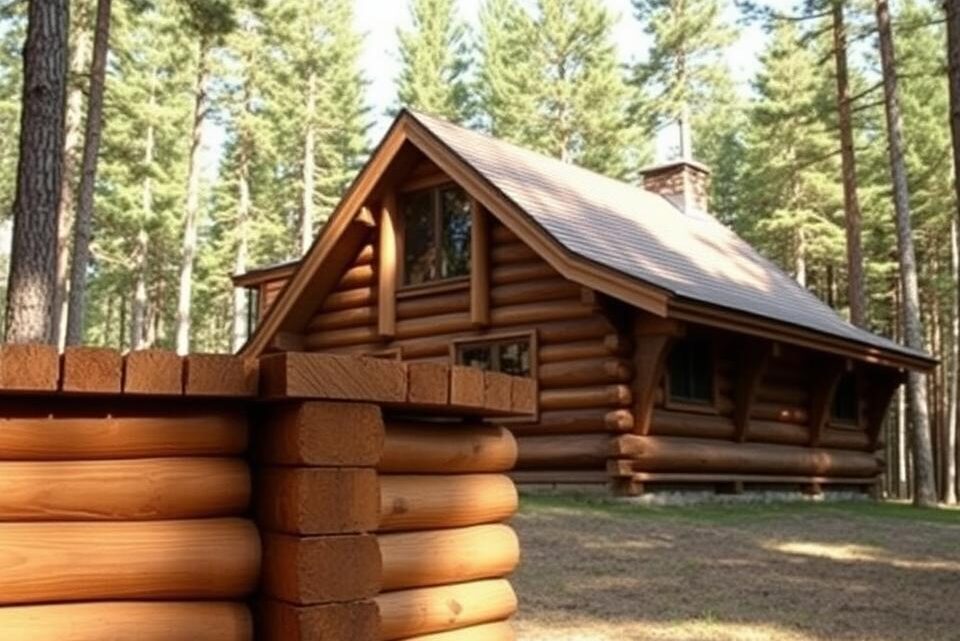
Building a low cabin requires careful consideration of wall thicknesses, which play a critical role in structural integrity and comfort. Low cabin construction demands precise planning to ensure optimal performance across various environmental conditions.
The cabin wall thickness influences multiple aspects of your building, from thermal efficiency to overall durability. Understanding these key factors helps homeowners and builders make informed decisions during the design and construction phases.
This comprehensive guide explores the essential elements of wall construction, providing insights into selecting the right wall thicknesses for your low cabin project. We’ll delve into structural requirements, material choices, and practical considerations that impact your cabin’s long-term performance.
Inhaltsverzeichnis
Key Takeaways
- Wall thickness critically impacts cabin structural integrity
- Proper insulation depends on precise wall measurements
- Climate zones significantly influence wall construction techniques
- Material selection determines overall cabin performance
- Cost-effective solutions require strategic wall design
Understanding the Basics of Low Cabin Construction
Low cabin construction involves intricate planning and precise techniques that transform architectural visions into functional living spaces. The process requires careful consideration of cabin construction basics, ensuring structural integrity and compliance with local building standards.
Understanding the fundamental approaches to cabin design helps homeowners and builders create robust, efficient structures that meet regulatory requirements.
Types of Low Cabin Structures
Low cabin structures vary widely, offering diverse architectural solutions for different environments and purposes:
- Traditional log cabins with solid timber frames
- Prefabricated modular designs
- Timber-frame constructions
- Sustainable eco-friendly builds
Essential Building Materials
Selecting appropriate low cabin materials is crucial for durability and performance. Different materials offer unique advantages:
| Material | Durability | Cost Efficiency |
|---|---|---|
| Pressure-treated timber | High | Medium |
| Engineered wood | Medium | High |
| Sustainable composites | Medium | Low-Medium |
Building Regulations and Standards
Adhering to building regulations ensures safety, structural integrity, and legal compliance. UK construction guidelines mandate specific requirements for low cabin developments, covering aspects such as:
- Structural load-bearing calculations
- Thermal efficiency standards
- Fire safety provisions
- Environmental impact assessments
Navigating these regulations requires professional expertise and meticulous attention to detail.
Wall Thicknesses for Low Cabins: Core Requirements
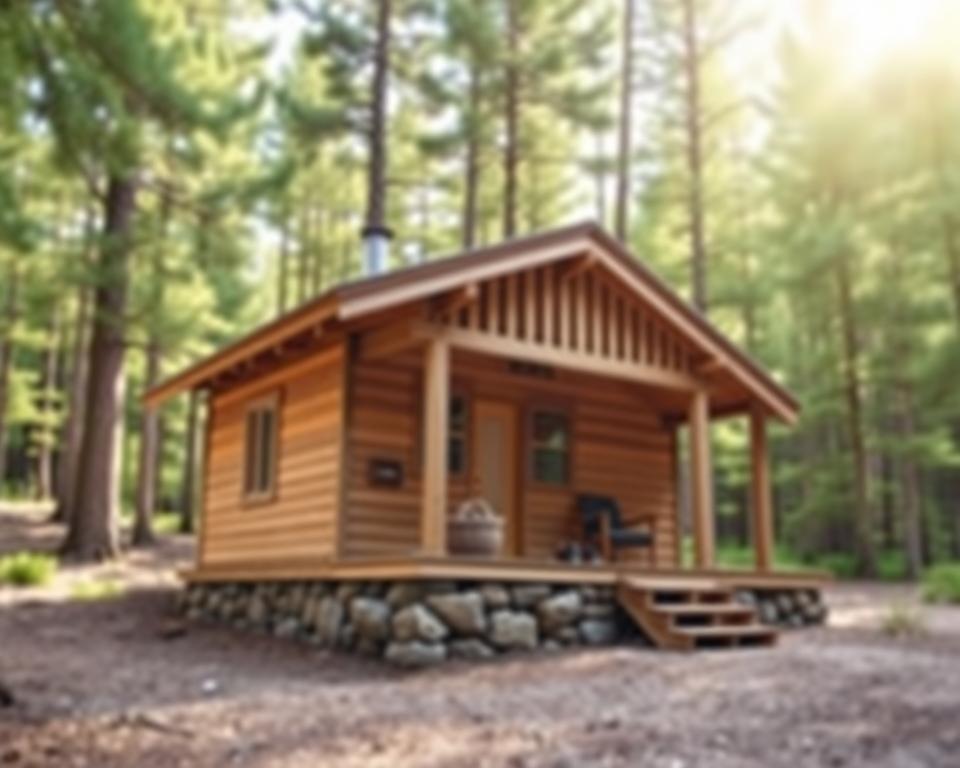
Determining the right wall thickness is crucial for constructing a successful low cabin. The minimum wall thickness directly impacts the structure’s durability, insulation, and overall performance.
Cabin wall depth varies depending on several critical factors:
- Intended cabin usage (seasonal or year-round)
- Local climate conditions
- Selected building materials
- Structural support requirements
For most low cabin designs, the optimal cabin wall depth ranges between 100mm to 200mm. This range ensures adequate thermal protection and structural integrity.
| Cabin Type | Minimum Wall Thickness | Recommended Wall Depth |
|---|---|---|
| Timber Frame Cabin | 100mm | 150-180mm |
| Prefabricated Cabin | 75mm | 125-150mm |
| Sustainable Eco Cabin | 150mm | 200-250mm |
When planning your low cabin, consider consulting local building regulations to ensure compliance with specific wall thickness requirements.
Expert builders recommend prioritising thermal efficiency when selecting wall depths for long-lasting cabin construction.
Understanding the nuanced relationship between minimum wall thickness and optimal cabin wall depth helps create a robust, comfortable living space tailored to your specific needs.
Insulation Requirements and Wall Depth
Understanding cabin insulation is crucial for creating a comfortable and energy-efficient living space. The right insulation can dramatically improve your cabin’s thermal performance, reducing energy costs and maintaining a consistent indoor temperature.
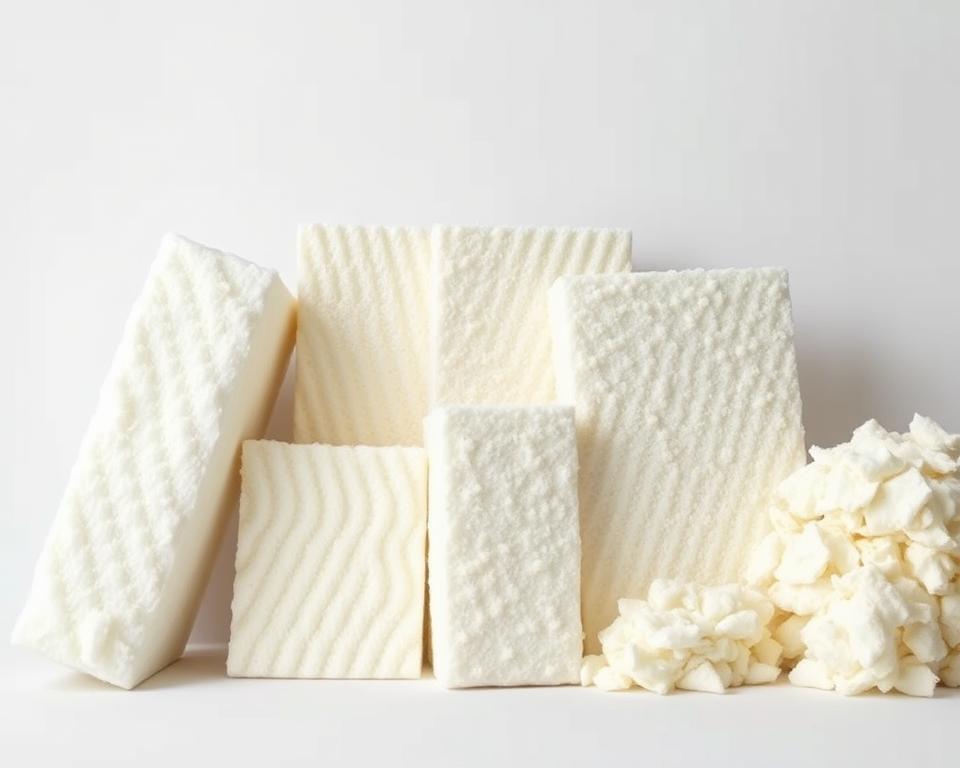
Different insulation materials offer unique benefits for low cabin construction. Selecting the appropriate option depends on several key factors:
- Climate-specific insulation requirements
- Budget constraints
- Environmental impact
- Thermal performance
Understanding Insulation Materials
Cabin insulation comes in various forms, each with distinct characteristics. Fibreglass, mineral wool, and spray foam are popular choices for cabin wall insulation.
| Insulation Type | R-Value per Inch | Cost Effectiveness |
|---|---|---|
| Fibreglass | 3.0-4.0 | Low |
| Mineral Wool | 4.0-4.5 | Medium |
| Spray Foam | 6.0-7.0 | High |
R-Value Considerations
The R-value measures an insulation material’s thermal resistance. Higher R-values indicate better insulation performance. Climate-specific insulation strategies require careful R-value selection to ensure optimal thermal efficiency.
Climate Zone Impact on Insulation
Different UK regions demand specific insulation approaches. Northern areas require higher R-value materials to combat colder temperatures, while southern regions might prioritise breathability and moisture control.
- Scottish Highlands: Highest insulation requirements
- Southern England: Moderate insulation needs
- Coastal Regions: Additional moisture-resistant insulation
Proper cabin insulation is an investment in comfort, energy efficiency, and long-term structural integrity.
Structural Support and Load-Bearing Calculations
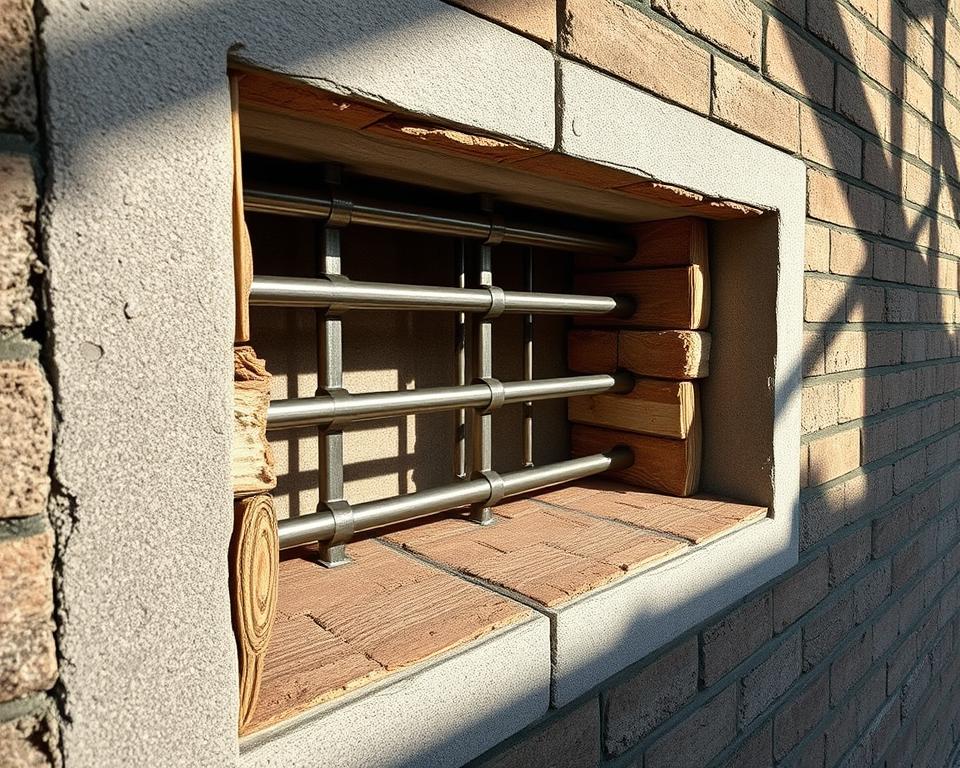
Understanding load-bearing walls is crucial for ensuring the structural integrity of low cabins. These critical components support the entire weight of the building, transferring loads from the roof, floors, and other structural elements safely to the foundation.
The design of load-bearing walls depends on several key factors:
- Building materials used
- Total weight of the structure
- Environmental conditions
- Specific architectural design
Structural calculations involve precise measurements and expert analysis. Engineers typically assess:
- Vertical load distribution
- Potential horizontal stress
- Material compression resistance
- Wind and snow load capabilities
Different materials impact the load-bearing capacity significantly. Timber frames require careful calculation of cross-sectional areas, while masonry walls offer robust support with different structural considerations.
Professional assessment ensures your cabin’s walls can withstand environmental challenges safely.
Low cabins demand special attention to structural integrity. The wall thickness directly influences the building’s ability to support weight and resist external pressures. Proper engineering prevents potential structural failures and guarantees long-term stability.
Material Selection and Wall Composition
Selecting the right cabin wall materials is crucial for creating a durable and efficient timber frame cabin. The choice of materials directly impacts the structure’s performance, insulation, and overall longevity.
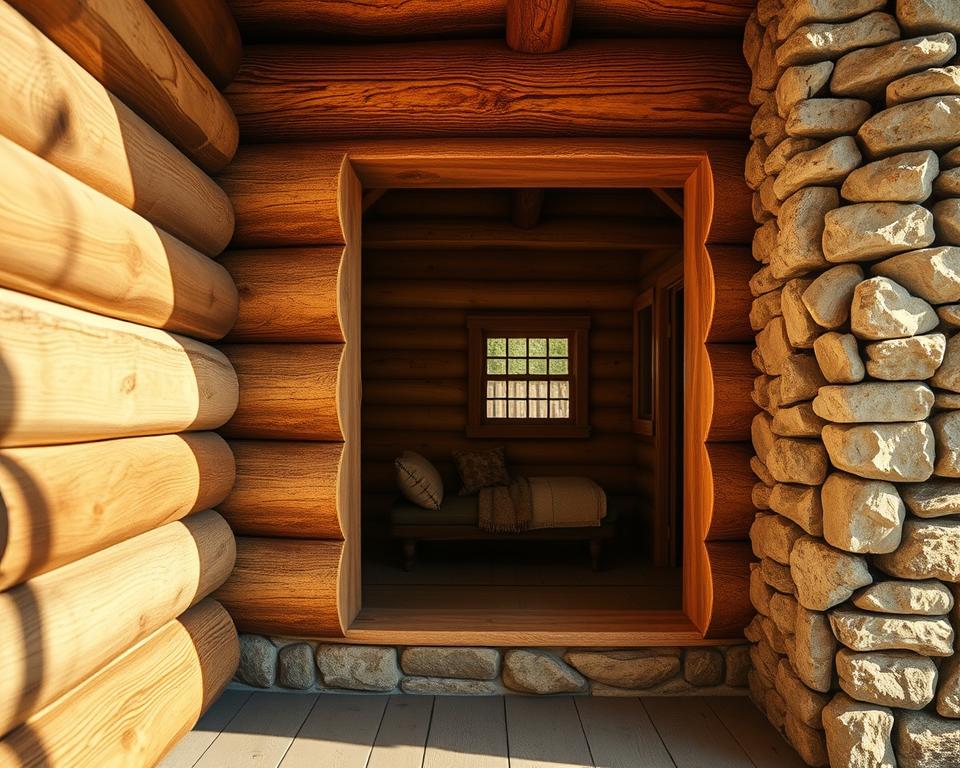
When designing timber frame cabins, architects and builders must carefully consider various wall composition options. Each material brings unique characteristics that influence the cabin’s thermal efficiency and structural integrity.
Timber Frame Options
Traditional timber frame cabins offer several wood choices for wall construction:
- Cedar: Naturally resistant to decay and insects
- Douglas Fir: Strong and dimensionally stable
- Spruce: Lightweight and cost-effective
Composite Materials
Modern composite walls provide innovative solutions for cabin construction. These advanced materials combine multiple elements to enhance performance:
- Engineered wood panels
- Structural insulated panels (SIPs)
- Fibre-cement composites
Modern Alternatives
Emerging technologies are transforming cabin wall materials. Cutting-edge solutions like recycled plastic composites and sustainable bamboo-based panels offer exciting alternatives to traditional construction methods.
The right wall material can significantly improve a cabin’s energy efficiency and environmental footprint.
Builders must balance performance, cost, and sustainability when selecting wall compositions for timber frame cabins. Each material brings its own set of advantages and considerations.
Weather Resistance and External Wall Protection
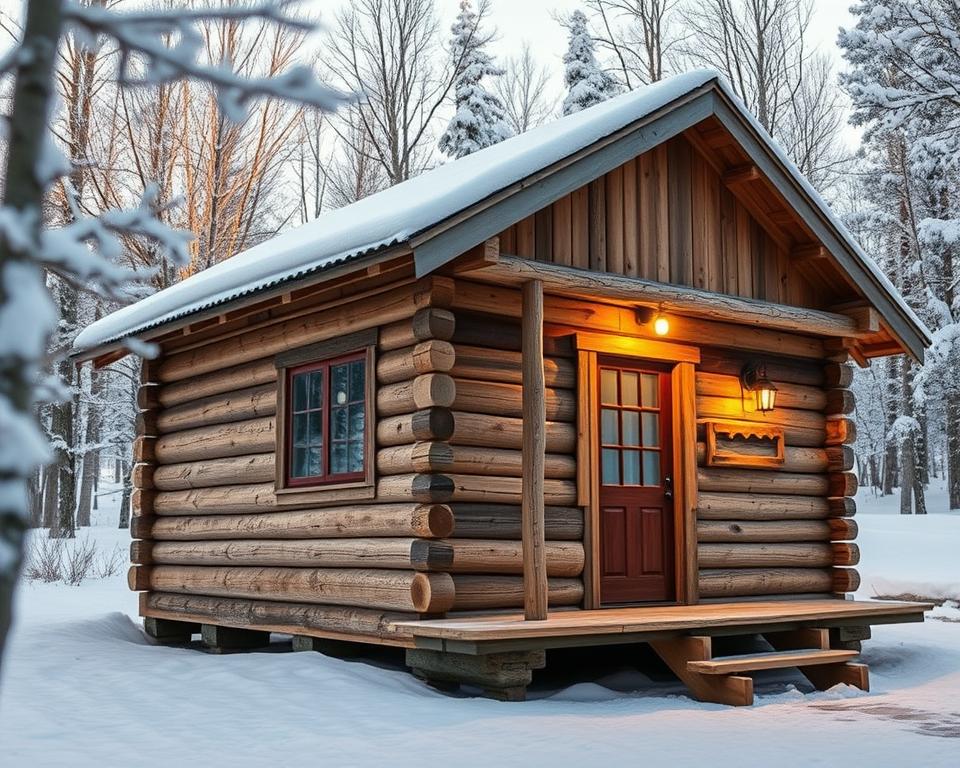
Protecting low cabin walls against harsh weather conditions is crucial for maintaining structural integrity and longevity. Weatherproofing cabin walls requires strategic planning and expert techniques that shield the structure from moisture, wind, and temperature fluctuations.
External wall protection involves multiple layers of defence to prevent water penetration and structural damage. The right approach can significantly extend the lifespan of a cabin, reducing maintenance costs and preserving its aesthetic appeal.
- Waterproof membranes for comprehensive moisture barriers
- Specialised cladding materials resistant to environmental stress
- Breathable protective coatings that allow moisture regulation
- Sealants designed for specific climate conditions
Different weatherproofing strategies depend on specific environmental challenges. Coastal regions demand more robust external wall protection compared to sheltered inland locations.
| Protection Method | Effectiveness Rating | Cost Range |
|---|---|---|
| Timber Cladding | High | £50-£150/m² |
| Composite Panels | Very High | £100-£250/m² |
| Weatherproof Render | Medium | £30-£80/m² |
Professional installation of weatherproofing solutions ensures maximum protection for cabin walls. Investing in quality external wall protection prevents costly repairs and maintains structural resilience.
Interior Wall Finishing Options
Designing the interior of a cabin requires careful consideration of wall finishing techniques that balance aesthetics, functionality, and protection. The right approach to interior cabin walls can transform a simple space into a comfortable and visually appealing environment.
Panelling Choices for Modern Cabins
Wall panelling offers numerous options for enhancing interior spaces. Homeowners can select from a variety of materials to suit their specific needs:
- Wooden panels for a classic, rustic feel
- Lightweight composite materials for modern designs
- Moisture-resistant vinyl panels
- Eco-friendly bamboo panelling
Effective Moisture Control Methods
Moisture control is crucial for maintaining the integrity of interior cabin walls. Strategic approaches can prevent dampness and potential structural damage:
- Install vapour barriers behind wall panelling
- Use breathable wall materials
- Implement proper ventilation systems
- Apply waterproof sealants on vulnerable surfaces
Creative Decorative Solutions
Decorative wall treatments can elevate the visual appeal of cabin interiors while providing practical benefits. Textured panels, strategic colour choices, and innovative wall coverings can create depth and character in smaller spaces.
The key to successful interior wall design is balancing aesthetic appeal with functional protection.
Cost Implications of Different Wall Thicknesses
Navigating cabin construction costs requires careful planning and strategic budgeting. Wall thickness plays a crucial role in determining the overall expenses of your project. Homeowners must balance initial investment with long-term energy efficiency when considering wall thickness budget allocations.
The financial considerations for wall construction involve multiple factors:
- Material expenses
- Labour costs
- Insulation requirements
- Long-term energy savings
Selecting the right wall thickness can significantly impact your cabin construction costs. Thicker walls typically require more materials and labour, increasing upfront expenses. Nevertheless, these investments can lead to substantial energy savings over time.
| Wall Thickness | Initial Cost | Energy Efficiency | Long-term Savings |
|---|---|---|---|
| 4 inches | £50-£75/m² | Low | Minimal |
| 6 inches | £75-£100/m² | Medium | Moderate |
| 8 inches | £100-£150/m² | High | Significant |
Homeowners should consider climate, local building regulations, and personal budget when determining wall thickness. Professional consultation can help optimise your wall thickness budget and minimise cabin construction costs.
Environmental Considerations and Sustainability
Sustainable cabin construction has become a critical focus for environmentally conscious homeowners and builders. The approach to creating eco-friendly cabin walls goes far beyond simple design choices, representing a comprehensive commitment to reducing environmental impact.
Modern cabin construction now prioritises sustainable practices that minimise carbon footprint while maximising energy efficiency. Architects and builders are increasingly turning to innovative solutions that support both environmental preservation and comfortable living spaces.
Eco-friendly Materials
Selecting the right materials is crucial for sustainable cabin construction. Key eco-friendly options include:
- Recycled timber from certified sustainable forests
- Reclaimed wood with low environmental impact
- Natural insulation materials like sheep’s wool
- Locally sourced stone and clay
Carbon Footprint Analysis
Energy-efficient cabins significantly reduce greenhouse gas emissions. By carefully selecting wall materials and implementing strategic design, builders can dramatically lower the overall carbon footprint of a cabin.
| Material | Carbon Emissions | Sustainability Rating |
|---|---|---|
| Recycled Timber | Low | High |
| Concrete | High | Low |
| Hempcrete | Very Low | Very High |
Energy Efficiency Ratings
Investing in high-performance eco-friendly cabin walls can dramatically improve energy efficiency. Thermal performance becomes a key consideration, with advanced materials offering superior insulation and reduced energy consumption.
Homeowners can achieve substantial energy savings by prioritising sustainable construction techniques and selecting materials that provide excellent thermal regulation.
Common Mistakes to Avoid in Wall Construction
Building a low cabin requires careful attention to wall construction. Cabin wall mistakes can lead to significant structural and performance issues that compromise the entire building’s integrity.
Recognising common construction errors is crucial for successful cabin development. Builders often encounter several critical challenges that can undermine their project’s quality and longevity.
- Inadequate moisture barrier installation
- Improper insulation techniques
- Insufficient structural support
- Poor material selection
- Neglecting local building regulations
One of the most prevalent cabin wall mistakes involves moisture management. Ineffective water protection can lead to structural decay, mould growth, and compromised insulation performance.
| Construction Error | Potential Consequences | Prevention Strategy |
|---|---|---|
| Weak Moisture Barriers | Wood rot, structural damage | Use high-quality waterproof membranes |
| Insufficient Insulation | Energy inefficiency, high heating costs | Select appropriate insulation for climate zone |
| Improper Wall Thickness | Reduced structural integrity | Follow local building standards |
Professional builders understand that preventing construction errors requires meticulous planning and expert knowledge. By addressing these potential pitfalls proactively, you can create a robust, long-lasting cabin wall structure.
Maintenance and Long-term Durability
Maintaining cabin walls is crucial for ensuring long-lasting cabin construction. Proper care extends the life of your structure and prevents costly repairs down the line. Regular maintenance begins with understanding the unique characteristics of your cabin’s wall materials.
Key maintenance strategies for cabin wall preservation include:
- Conduct annual visual inspections to identify potential issues early
- Check for moisture damage, cracks, or signs of structural weakness
- Apply protective sealants appropriate to your wall materials
- Clean walls regularly to prevent dirt and organic growth
Different wall materials require specific maintenance approaches. Timber walls need particular attention to prevent rot and insect damage. Composite materials might require less frequent maintenance but still demand periodic checks.
Climate plays a significant role in cabin wall durability. Walls in humid regions need more frequent treatment compared to those in drier environments. Implementing a seasonal maintenance schedule helps protect your cabin from environmental challenges.
Proactive maintenance is always more cost-effective than reactive repairs.
Investing time in cabin wall maintenance ensures your structure remains strong, efficient, and visually appealing for years to come. Regular care not only preserves the structural integrity but also maintains the aesthetic value of your cabin.
Conclusion
Selecting the right wall thickness for a low cabin is more than a technical decision—it’s about creating a comfortable, efficient, and sustainable living space. Our comprehensive cabin construction guide reveals that optimal cabin wall thickness depends on multiple critical factors, including climate, materials, and intended use.
Understanding the intricate balance between structural integrity, insulation performance, and cost-effectiveness is crucial. Builders and homeowners must carefully consider regional building regulations, thermal requirements, and environmental impact when designing cabin walls. The right approach can significantly enhance energy efficiency and long-term durability.
Successful cabin construction requires careful planning and attention to detail. By applying the insights from this guide, you can make informed decisions about wall thickness that protect your investment and create a comfortable living environment. Whether you’re building in the Scottish Highlands or a rural English countryside, the principles of smart cabin wall design remain consistent.
Ultimately, your cabin’s walls are more than just physical barriers—they’re the foundation of your personal retreat. Invest time in understanding optimal cabin wall thickness, and you’ll create a space that offers warmth, protection, and lasting enjoyment for years to come.
FAQ
What is the minimum recommended wall thickness for a low cabin in the UK?
The minimum recommended wall thickness varies depending on the type of cabin and its intended use. Generally, for timber frame constructions, a wall thickness of 100-150mm is standard, with additional insulation layers bringing the total thickness to around 200-250mm for optimal thermal performance.
How does wall thickness impact insulation in a low cabin?
Wall thickness directly affects insulation performance. Thicker walls allow for more insulation material, which increases the R-value and improves heat retention. In the UK’s variable climate, a well-insulated wall can significantly reduce heating costs and maintain a comfortable interior temperature.
What building regulations should I consider for low cabin wall construction?
In the UK, you’ll need to comply with Building Regulations Part L, which covers conservation of fuel and power. This includes meeting specific U-value requirements for walls, typically around 0.3 W/m²K for new constructions. Always consult local planning authorities and consider conservation area restrictions if applicable.
Which materials are best for low cabin wall construction?
Timber remains the most popular material for low cabin walls in the UK. Softwoods like pine and hardwoods like oak are excellent choices. Modern alternatives include structural insulated panels (SIPs), which offer superior insulation and structural integrity. Composite materials are also gaining popularity for their durability and energy efficiency.
How do climate zones affect wall thickness and insulation?
The UK has varying climate zones, with northern regions experiencing more extreme temperatures and higher rainfall. In colder areas like Scotland, you’ll want thicker walls with more robust insulation – typically 250-300mm total thickness – compared to milder southern regions, which might suffice with 200-250mm walls.
What are the most common mistakes in low cabin wall construction?
Key mistakes include inadequate moisture barriers, poor insulation installation, and insufficient ventilation. Neglecting proper vapour control can lead to condensation and structural damage. Always ensure professional installation, use appropriate materials, and create a comprehensive moisture management strategy.
How does wall thickness impact the overall cost of a low cabin?
Thicker walls typically increase initial construction costs due to more materials and potentially more complex construction. However, they offer long-term savings through improved energy efficiency. The additional investment can reduce heating costs by up to 30%, making it a cost-effective choice over the cabin’s lifetime.
What eco-friendly options exist for low cabin wall construction?
Sustainable options include recycled timber, hempcrete, and straw bale construction. These materials offer excellent insulation properties and reduce carbon footprint. Natural insulators like sheep’s wool or recycled cellulose can also provide environmentally friendly alternatives to traditional synthetic insulation materials.
How often should I maintain my low cabin’s walls?
Annual inspections are recommended. Check for moisture damage, inspect insulation integrity, and look for any signs of structural wear. External timber walls should be treated every 3-5 years with protective sealants to prevent rot and weather damage. Interior walls may require less frequent maintenance but should still be monitored for any issues.
Can I retrofit existing walls to improve insulation?
Yes, retrofitting is possible and often cost-effective. Options include adding internal or external insulation layers, installing secondary glazing, and using insulating plasterboards. Professional assessment is crucial to ensure proper installation and avoid potential moisture-related problems.