Building a Carport: Distance from Neighbour’s Boundary Guide
Navigating carport building regulations in the UK can be challenging for homeowners. Understanding the precise requirements for constructing a carport near a neighbour’s boundary demands careful planning and legal consideration.
UK planning permission rules are complex when it comes to carport construction. Homeowners must consider multiple factors, including proximity to property lines, structural requirements, and potential impact on neighbouring properties.
This comprehensive guide will explore the critical aspects of building a carport while maintaining good relationships with neighbours and adhering to local building regulations.
Inhaltsverzeichnis
Key Takeaways
- Understand local UK planning permission requirements
- Respect neighbour’s boundary restrictions
- Conduct thorough property boundary research
- Consult local building control authorities
- Consider potential legal implications
- Prioritise structural and aesthetic considerations
- Seek professional advice when uncertain
Understanding Carport Building Regulations in the UK
Navigating the intricate landscape of UK carport regulations requires careful consideration and thorough research. Property owners must understand the critical legal frameworks governing carport construction to ensure compliance and avoid potential legal complications.
https://www.youtube.com/watch?v=YHsrjzV3L4s
When planning a carport, homeowners must be aware of several key regulatory aspects that impact their construction project. The UK’s building regulations are designed to maintain safety, aesthetic standards, and neighbourhood harmony.
General Planning Permission Requirements
Planning permission for carports depends on several crucial factors:
- Carport dimensions and total coverage area
- Proximity to property boundaries
- Height of the proposed structure
- Location within designated conservation areas
Local Authority Guidelines
Each local authority in the UK may have unique guidelines for carport construction. Homeowners must consult their specific local council to understand precise requirements for planning permission.
| Local Authority Consideration | Typical Requirements |
|---|---|
| Permitted Development Rights | Structures under 2.5m height may not require full planning permission |
| Boundary Distance | Minimum 1-metre clearance from property line recommended |
| Material Restrictions | Must complement existing property aesthetics |
Building Control Standards
Building control standards ensure structural integrity and safety. Key considerations include:
- Proper foundation design
- Adequate drainage provisions
- Structural stability assessment
- Compliance with British Standard specifications
Engaging a professional architect or structural engineer can help navigate these complex UK carport regulations effectively.
How Close to My Neighbour’s Boundary Can I Build a Carport?
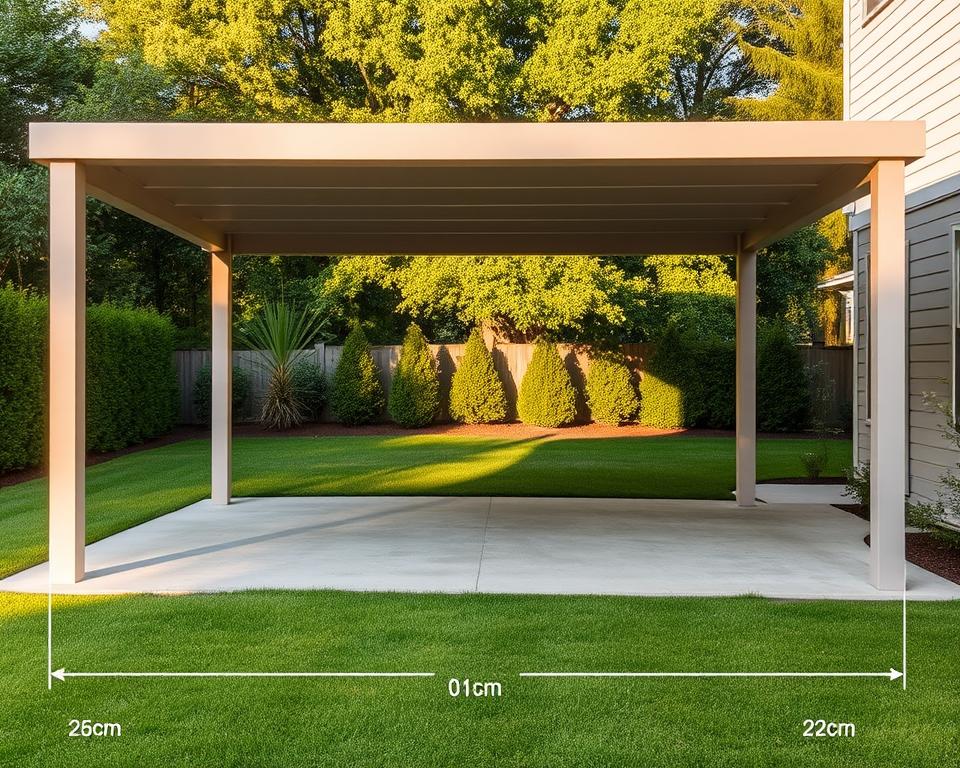
Understanding boundary distance regulations is crucial when planning carport placement near a neighbour’s property line. The specific distance depends on multiple factors, including local planning guidelines, property layout, and structural considerations.
Typically, carport placement requires careful navigation of several key parameters:
- Minimum setback requirements from property boundaries
- Height restrictions for structures near property lines
- Local authority planning permissions
- Potential impact on neighbouring properties
Most UK local councils recommend maintaining a minimum distance of 1 metre from the neighbour’s property line for standalone carport structures. This buffer zone helps prevent potential boundary disputes and ensures adequate space for maintenance and access.
Always consult your local planning authority for precise measurements specific to your property’s unique characteristics.
Critical factors influencing carport placement include:
- Total structure height
- Roof design and projection
- Potential shadow impact
- Drainage considerations
Professional surveyors can provide detailed assessments to ensure your carport meets all necessary boundary distance regulations and minimises potential conflicts with neighbours.
Legal Requirements for Carport Construction
Constructing a carport near a property boundary involves navigating complex legal terrain. Homeowners must understand the critical legal considerations to ensure smooth project completion and maintain neighbourly relations.
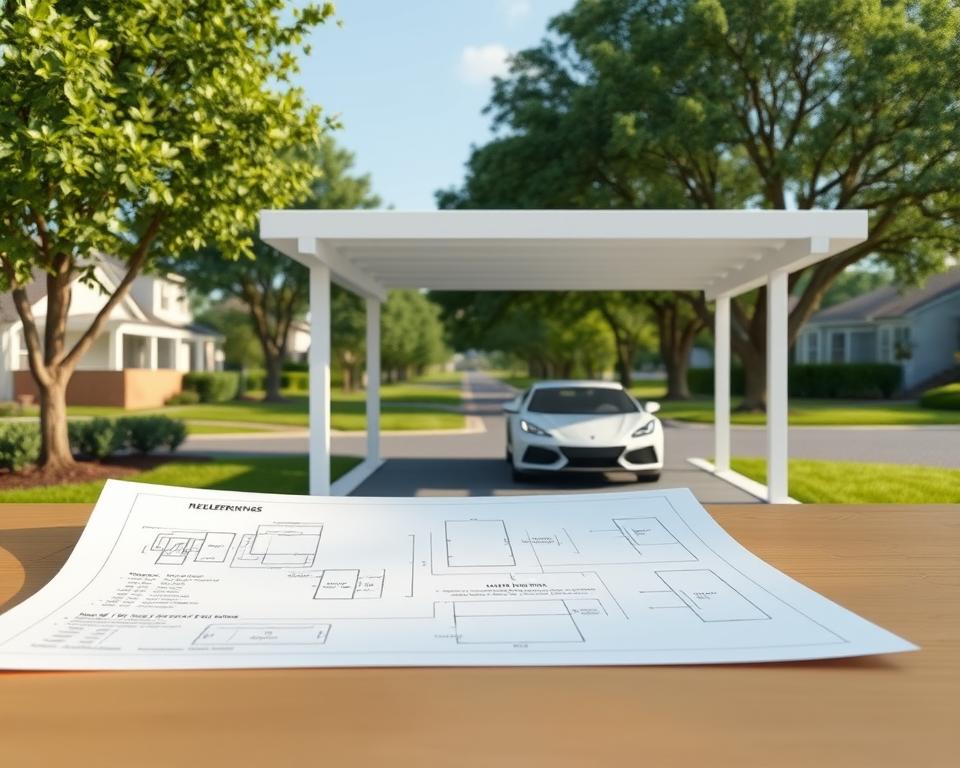
When planning a carport close to a property line, several key legal aspects demand careful attention. The process requires meticulous preparation and understanding of local regulations.
Party Wall Agreements
The party wall act plays a crucial role in construction projects near shared boundaries. Homeowners must:
- Notify adjacent property owners at least two months before starting work
- Obtain written consent for any construction affecting shared walls
- Consider hiring a party wall surveyor to mediate potential disputes
Boundary Disputes Prevention
Preventing boundary disputes requires proactive communication and thorough documentation. Key strategies include:
- Conducting a professional property survey
- Discussing plans with neighbours in advance
- Ensuring precise measurements and legal compliance
Documentation and Permits
Securing the appropriate construction permits is vital for legal compliance. Homeowners should gather:
- Detailed site plans
- Architectural drawings
- Local authority approvals
- Proof of boundary line verification
Tip: Always consult local planning authorities to confirm specific requirements for your construction project.
Measuring and Marking Your Carport Location
Accurate property line measurement is crucial when planning your carport layout. Getting the boundary marking right prevents potential legal disputes and ensures your construction meets local regulations.
Before starting your carport project, you’ll need precise tools and techniques for identifying your exact property boundaries. Professional surveyors recommend several key steps:
- Use a professional-grade laser distance measure
- Obtain official property deed documents
- Consult local land registry records
- Consider GPS-enabled measurement devices
Boundary marking requires meticulous attention to detail. Local councils typically require specific documentation proving your measurements are accurate.
| Measurement Tool | Accuracy Level | Cost Range |
|---|---|---|
| Laser Distance Measure | High | £50-£200 |
| Professional Surveyor | Highest | £300-£800 |
| GPS Measurement Device | Medium | £100-£250 |
Pro tip: Always double-check your measurements and consult local planning authorities before commencing construction.
Precision in property line measurement prevents potential neighbourly disagreements and legal complications.
Essential Design Considerations for Boundary-Adjacent Carports
Designing a carport near a property boundary requires careful planning and attention to specific details. Homeowners must navigate complex considerations to ensure their structure meets local regulations and minimises potential conflicts with neighbours.

When planning a boundary-adjacent carport, several critical factors demand thoughtful evaluation. Your design must balance practical needs with regulatory compliance and neighbourly considerations.
Carport Height Limits
Carport height limits are crucial in boundary construction. Local authorities typically enforce strict guidelines to prevent overshadowing and maintain visual harmony between properties. Key considerations include:
- Maximum permitted height (usually 2.5 metres)
- Roof pitch and architectural style
- Distance from neighbouring structures
Rainwater Drainage Solutions
Effective rainwater drainage is essential for boundary-adjacent carports. Poor drainage can create significant issues for neighbouring properties. Strategic solutions include:
- Guttering systems directing water away from boundaries
- Slope calculations to prevent water accumulation
- Underground drainage connections
Building Materials Selection
Selecting appropriate building materials involves balancing aesthetic appeal, durability, and regulatory compliance. Consider materials that:
- Withstand local weather conditions
- Match existing property architectural style
- Provide long-term structural integrity
Professional consultation can help navigate these complex design considerations, ensuring your carport meets all necessary requirements while maintaining neighbourly relations.
Impact on Neighbouring Properties
Building a carport near property boundaries requires careful consideration of neighbour relations. The potential visual obstruction and property value impact can significantly influence your relationship with adjacent homeowners.
When planning a carport, homeowners must evaluate several critical factors that could affect neighbouring properties:
- Visual impact on neighbouring landscape
- Potential reduction in natural light
- Potential property value changes
- Noise and privacy considerations
Neighbour relations play a crucial role in successful carport construction. Proactive communication can mitigate potential conflicts before they arise. Consider discussing your plans with adjacent property owners, sharing design details, and addressing potential concerns.
Property value impact depends on several factors. A well-designed carport that complements existing architectural styles can potentially enhance neighbourhood aesthetics. Conversely, poorly planned structures might negatively influence surrounding property values.
Strategic design and thoughtful placement are key to minimising visual obstruction and maintaining positive neighbour relationships.
To ensure minimal disruption, consider these strategic approaches:
- Choose materials that blend with existing architectural styles
- Maintain appropriate setback distances
- Use landscaping to soften visual boundaries
- Consult local planning guidelines
Ultimately, successful carport construction requires balancing personal property needs with neighbourly considerations.
Professional Surveys and Assessments
Building a carport near your property boundary requires careful professional evaluation to ensure safety, compliance, and neighbourhood harmony. Property surveys play a crucial role in understanding the precise parameters of your construction project.
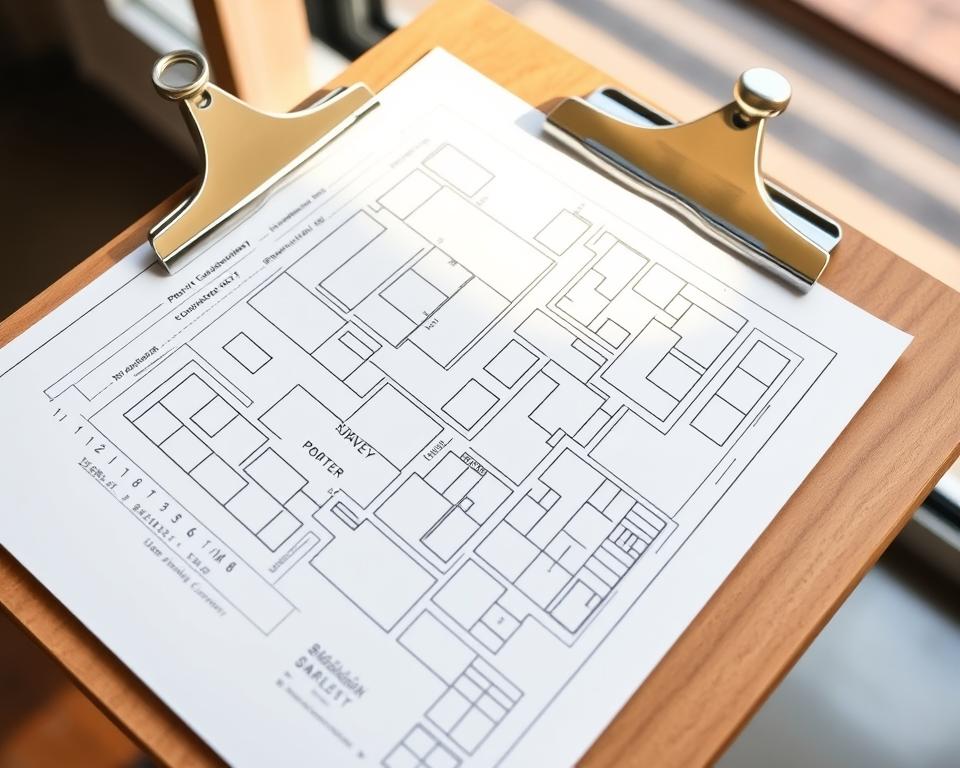
Professional assessments provide critical insights that protect your investment and prevent potential legal complications. These comprehensive evaluations involve multiple key stages:
- Detailed property line verification
- Comprehensive soil testing
- Structural engineering analysis
- Boundary compliance assessment
Property Line Verification
Accurate property line verification is essential when planning a carport near your boundary. Professional surveyors use advanced GPS and mapping technologies to precisely determine property limits, preventing potential boundary disputes with neighbours.
Ground Condition Analysis
Soil testing represents a critical step in structural engineering for carport construction. Professional geotechnical experts analyse ground composition, drainage capabilities, and load-bearing capacity to ensure a stable and secure foundation.
Structural Requirements
Structural engineering expertise guarantees your carport meets local building regulations and safety standards. Professional engineers assess design specifications, material requirements, and potential environmental challenges to create a robust and compliant structure.
Investing in professional surveys minimises risks and ensures your carport project proceeds smoothly and legally.
Common Mistakes to Avoid When Building Near Boundaries
Constructing a carport near property boundaries involves navigating complex legal and practical challenges. Construction errors can quickly escalate into costly neighbour disputes, making careful planning essential for homeowners.
Typical planning oversights often stem from inadequate research and communication. Homeowners frequently underestimate the importance of understanding precise boundary regulations before commencing their project.
- Failing to obtain accurate property line measurements
- Ignoring local authority building regulations
- Neglecting to consult neighbouring property owners
- Overlooking drainage and water runoff implications
“Proper preparation prevents poor performance in boundary construction projects.”
Critical construction errors can include:
- Miscalculating minimum distance requirements
- Using inappropriate building materials
- Disregarding structural integrity near property lines
| Mistake Category | Potential Consequences | Recommended Solution |
|---|---|---|
| Boundary Measurement | Legal disputes | Professional survey |
| Drainage Design | Water damage | Comprehensive drainage plan |
| Neighbour Communication | Relationship strain | Pre-project discussion |
Proactive communication and meticulous planning are your best defences against potential construction complications.
Maintenance Access Considerations
Planning for carport maintenance is a critical aspect of long-term property management. Effective access routes are essential to ensure your carport remains in optimal condition throughout its lifecycle.
When designing your carport, consider creating strategic pathways that allow easy maintenance and potential repairs. These access routes should provide sufficient space for cleaning, inspection, and potential material replacements.
- Allow minimum 1-metre clearance around the carport structure
- Design removable panels for easier maintenance
- Ensure clear paths for equipment and repair tools
Long-term planning involves anticipating potential challenges. Consider how vegetation near the carport might impact its structural integrity. Trim surrounding trees and shrubs regularly to prevent potential damage or obstruction.
“A well-planned carport requires thoughtful maintenance strategies from the outset.”
Drainage systems and material durability play crucial roles in carport maintenance. Select materials that withstand local weather conditions and implement robust drainage solutions to prevent water accumulation and potential structural degradation.
- Choose weather-resistant materials
- Install effective drainage channels
- Schedule annual professional inspections
By integrating maintenance considerations into your initial carport design, you’ll create a more sustainable and long-lasting structure that minimises future repair costs and complications.
Environmental and Aesthetic Factors
Creating an eco-friendly carport that seamlessly blends with your property’s landscape design requires careful planning and thoughtful execution. The visual screening of your carport can transform an ordinary structure into an architectural feature that enhances your home’s overall aesthetic appeal.
When designing boundary-adjacent carports, homeowners have several strategies to minimise visual impact and create sustainable solutions:
- Use native plant species for natural camouflage
- Select materials that complement existing architectural styles
- Implement green roofing techniques
- Integrate renewable energy features
Landscaping Integration
Effective landscape design around your carport can dramatically reduce its visual prominence. Strategic planting of shrubs, climbing plants, and trees can create natural barriers that soften the structure’s appearance while providing additional environmental benefits.
Visual Impact Minimisation
Reducing the visual footprint of eco-friendly carports involves careful material selection and architectural design. Consider using:
- Permeable screening materials
- Neutral colour palettes
- Lightweight, transparent structures
Sustainable Design Options
Modern eco-friendly carports offer innovative solutions for environmentally conscious homeowners. Solar panel integration, rainwater harvesting systems, and sustainable materials like recycled timber or steel can transform a simple carport into an energy-efficient addition to your property.
Smart design turns functional structures into aesthetic and environmental assets.
By prioritising landscape design and visual screening, you can create a carport that not only protects your vehicle but also enhances your property’s overall aesthetic and ecological value.
Building Insurance and Liability Considerations
When constructing a carport near your property boundary, understanding construction insurance and liability coverage becomes crucial. Homeowners must carefully evaluate their existing property protection to ensure comprehensive coverage during and after the building process.
Key insurance considerations for your carport project include:
- Updating your home insurance policy to reflect the new structure
- Verifying liability coverage for potential construction risks
- Documenting the entire construction process
- Consulting with your insurance provider about specific carport requirements
Construction insurance plays a vital role in protecting your investment. Unexpected incidents during building can lead to significant financial risks. Speak with your insurance provider about specialised coverage that addresses potential structural challenges and neighbour-related concerns.
Liability coverage extends beyond the construction phase. Proper documentation and professional assessments can help mitigate potential disputes and ensure your carport meets all legal and safety standards.
Professional advice: Always maintain detailed records of your construction project to support your property protection strategy.
Recommended steps for comprehensive insurance protection include:
- Contact your current insurance provider
- Request a comprehensive review of your policy
- Obtain written confirmation of coverage
- Keep detailed construction documentation
By proactively managing your construction insurance and liability coverage, you can build your carport with confidence and peace of mind.
Conclusion
Building a carport near your property boundary requires careful navigation of UK regulations and neighbourly considerations. Our carport building summary highlights the critical steps homeowners must take to ensure a successful construction project. Understanding local guidelines, conducting professional surveys, and respecting boundary limitations are essential elements of responsible development.
The boundary construction tips we’ve explored demonstrate the importance of meticulous planning. From verifying property lines to assessing ground conditions, each step plays a crucial role in creating a compliant and structurally sound carport. Engaging with local authorities and obtaining necessary permissions will protect your investment and maintain positive relationships with neighbours.
A comprehensive UK regulations recap underscores the significance of professional guidance. Homeowners should prioritise structural integrity, aesthetic considerations, and legal requirements when designing their carport. By approaching the project with diligence and informed decision-making, you can create a functional and attractive addition to your property that enhances both its value and utility.
Your carport journey begins with knowledge, preparation, and respect for regulatory frameworks. Armed with the insights from this guide, you are well-equipped to transform your property with confidence and precision.
FAQ
Do I need planning permission to build a carport near my neighbour’s boundary?
In many cases, you may be able to build a carport under permitted development rights, but this depends on several factors. You’ll need to check local authority guidelines, considering the carport’s height, size, and proximity to the boundary. Always consult your local planning department to confirm specific requirements for your property.
How close can I build a carport to my neighbour’s boundary?
The acceptable distance varies, but typically, you should maintain at least 1 metre from the boundary line. However, this can depend on the carport’s height, local regulations, and specific property characteristics. It’s crucial to verify exact distances with your local planning authority and consider potential impacts on neighbouring properties.
Do I need a Party Wall Agreement for my carport?
If your carport construction will impact a shared boundary or potentially affect a neighbour’s property, you’ll likely need a Party Wall Agreement. This legal document protects both parties’ interests and is typically required when building within close proximity to a neighbouring property’s boundary.
What factors should I consider when designing a carport near a boundary?
Key considerations include height restrictions, drainage solutions, material selection, and potential visual impact. You’ll need to ensure the structure complies with local regulations, doesn’t obstruct neighbours’ light, and integrates well with existing landscaping. Consider factors like roof pitch, materials, and overall design aesthetics.
How do I verify my property boundaries before building a carport?
It’s recommended to:
– Consult your property deeds
– Hire a professional surveyor
– Use land registry documents – Discuss boundaries with your neighbours
– Consider a professional property line verification to avoid potential disputes
Will building a carport affect my home insurance?
Yes, you should update your home insurance policy when adding a new structure. Contact your insurance provider to:
– Inform them about the new construction
– Verify coverage for the carport
– Understand any potential liability considerations
– Ensure the structure is properly documented
What maintenance access should I plan for with a boundary-adjacent carport?
Ensure you have:
– Clear access routes for cleaning and repairs
– Sufficient space around the structure
– Consideration for future maintenance needs
– Protection against vegetation interference
– Easy access for potential future modifications
Are there any environmental considerations for carport construction?
Consider sustainable design options such as:
– Eco-friendly building materials
– Green roof options
– Solar panel integration
– Rainwater harvesting systems
– Minimal environmental impact design
What should I do if my neighbours object to my carport?
Open communication is key. Try to:
– Discuss your plans with neighbours beforehand
– Show them detailed plans
– Address their specific concerns
– Be willing to make reasonable modifications
– Seek mediation if necessary
– Ensure full compliance with local regulations
How long does the carport approval process typically take?
The approval process can vary, but typically takes 4-8 weeks. This includes:
– Initial planning application submission
– Local authority review
– Potential requests for additional information
– Final decision
– Potential appeal or modification period