
wooden Summerhouses 60 sq ft / 5 m² - Best Deals in UK!
Showing all 10 results
-
29% OFF: 8′ x 6′ Forest 4Life 25yr Guarantee Double Door Pent Summer House (2.52m x 2.05m) £669.9929%

-
29% OFF: 8′ x 6′ Forest Beckwood 25yr Guarantee Double Door Reverse Apex Summer House (2.42m x 1.99m) £759.9929%

-
28% OFF: 8′ x 6′ Forest Beckwood 25yr Guarantee Double Door Pent Summer House (2.52m x 2.05m) £769.9928%

-
25% OFF: 8′ x 6′ Forest 4Life 25yr Guarantee Double Door Reverse Apex Summer House (2.42m x 1.99m) £669.9925%

-
24% OFF: 7’3×7’11 Shire Parham Traditional Wooden Summer House £814.9924%

-
23% OFF: 8′ x 6′ Forest Beckwood 25yr Guarantee Double Door Apex Summer House – 5 Windows (2.42m x 1.99m) £774.9923%

-
22% OFF: 8′ x 6′ Forest 4Life 25yr Guarantee Double Door Apex Summer House – 5 Windows (2.42m x 1.99m) £684.9922%

-
18% OFF: 7’1×7’11 Shire Chatsworth Traditional Wooden Summer House £869.9918%

-
12% OFF: 7’3×7’11 Shire Parham Traditional Wooden Summer House £945.9912%

-
12% OFF: 7’1×7’11 Shire Chatsworth Traditional Wooden Summer House £935.9912%
Wooden summerhouses 60 sq ft / 5 m² offer a compact timber room for quiet seating, garden storage, hobby space, or a small retreat, with choice of shapes, glazing, roof style and layout.
Compact timber rooms with a proper purpose
A wooden summerhouse in the 60 sq ft / 5 m² size sits in that useful middle ground: small enough for tighter gardens, yet big enough to feel like a real room rather than just a shed with windows. This category suits buyers who want a defined space for sitting out of the rain, reading, working, or creating a spot that feels separate from the house without taking over the plot.
Because the footprint is modest, the design details matter more. In this size range, the way the doors open, where the windows sit, and how the shape handles light can change how usable the whole building feels. A corner summerhouse, for example, can make excellent use of unused garden edges, while a more traditional rectangular house may give a clearer interior layout for chairs, a small table, or a bench. It is a small footprint, yes, but not a small decision.
Shapes that change the whole feel
Within wooden summerhouses 60 sq ft / 5 m², shape is one of the first things buyers notice, and it also affects how the structure works in the garden. A classic rectangular summerhouse gives straightforward internal space and is often easier to place against a fence or at the end of a lawn. It tends to suit those who want a clean, practical layout with furniture arranged in a simple line.
Bestseller der Kategorie wooden Summerhouses 60 sq ft / 5 m²
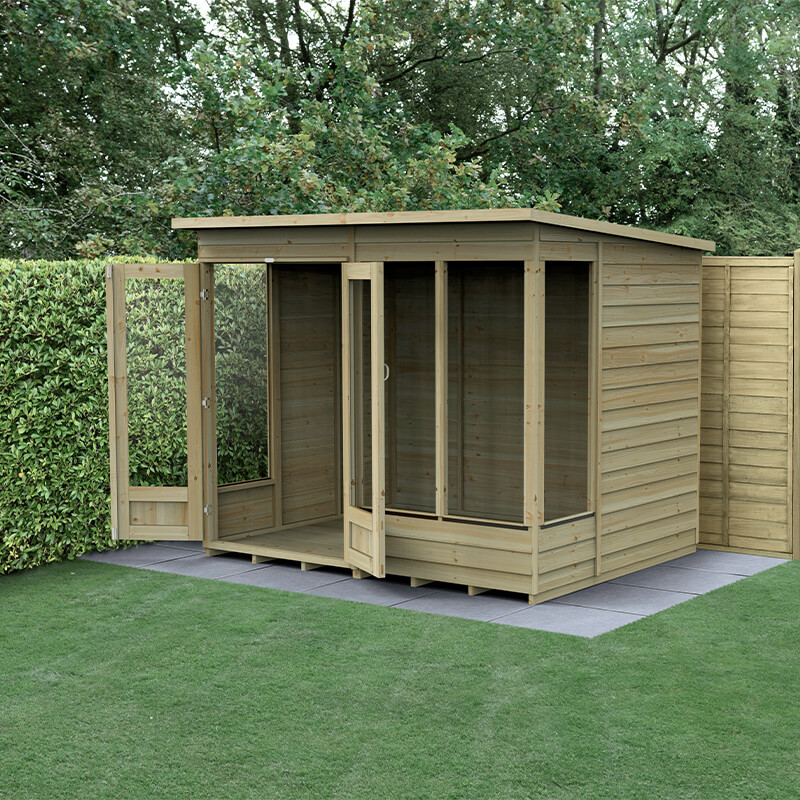
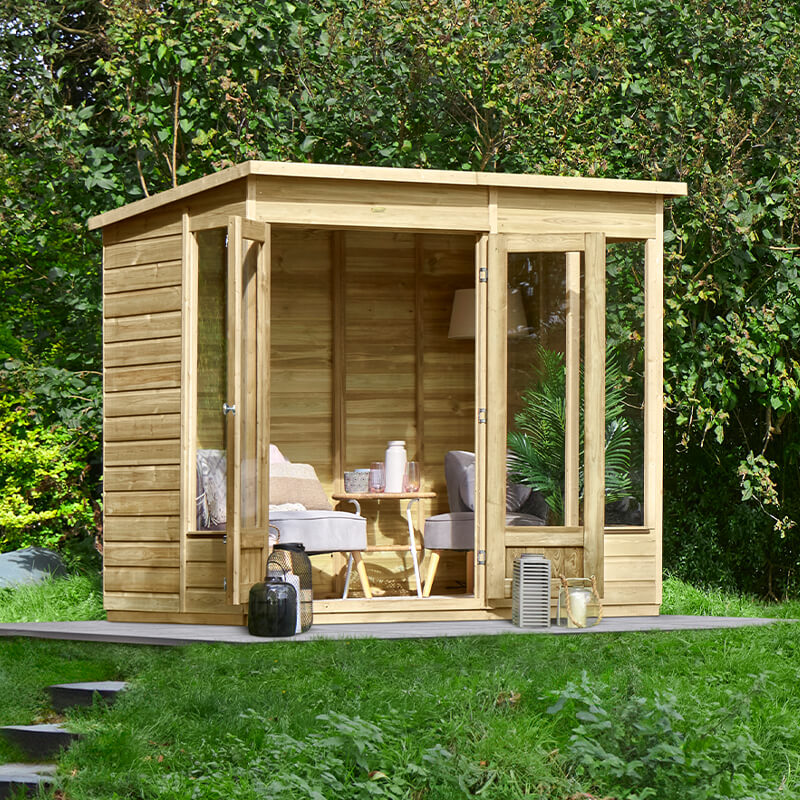
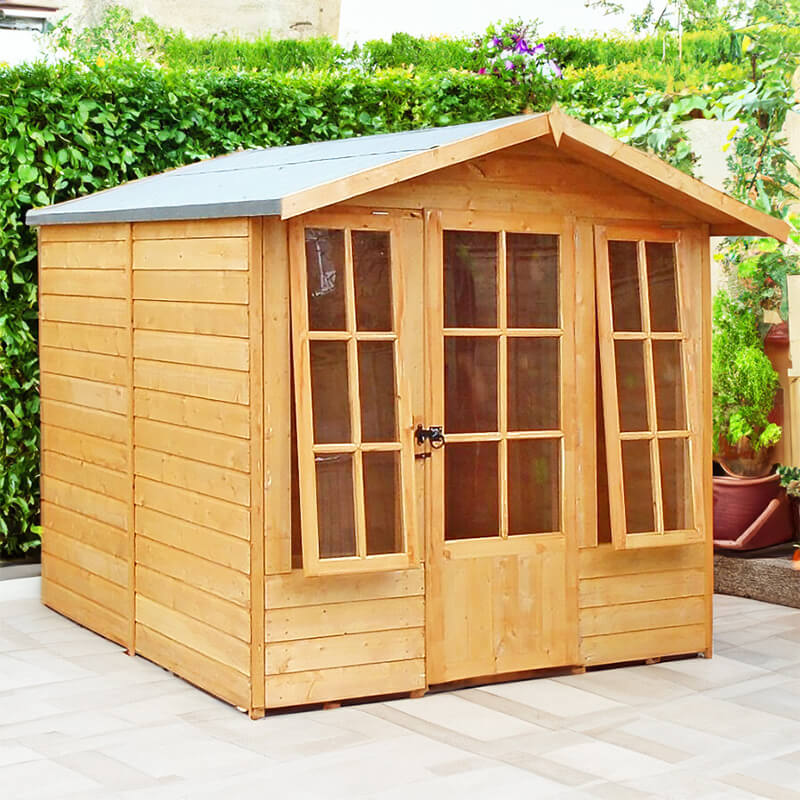
A corner summerhouse uses a pentagonal or angled footprint so it can sit neatly into a corner, which is handy where every metre counts. This shape often gives a more open front aspect and can make the building feel wider from the inside than the outside suggests.
There are also octagonal and hexagonal designs, which bring a softer, pavilion-like character. These shapes work well if the summerhouse is intended more as a focal point than a tucked-away room. They often feel airy because the angles invite views in more than one direction. That can be lovely if the garden outlook is a key part of the appeal.
How the roof line changes the silhouette
The roof is not just a finishing touch; in a 60 sq ft / 5 m² summerhouse, it shapes the whole visual balance. A pent roof gives a neat, modern profile and can suit contemporary gardens or side returns where a lower rear height is useful. It is often chosen for its clean lines and practical, compact appearance.
A apex roof creates a more traditional summerhouse look, with a pitched form that feels familiar and decorative. This style often adds a touch more presence in the garden, and the front elevation can look especially welcoming when paired with central double doors.
Then there is the curved roof or softly arched profile, which gives a gentler character and can stand out without being flashy. It tends to suit buyers who want something a bit different from the usual shed-like outline, but still rooted in timber craftsmanship. The roof shape can also affect how the building sits among planting: low and angular for a discreet look, or pitched and ornamental for more garden presence.
Door choices that decide how you use the room
In this size category, doors are a major part of the layout. Double doors are common because they open the front wall wide, making the room feel less enclosed and easier to use on warmer days. They can also help with placing furniture, since larger items can be moved in without awkward angles.
Single doors are a better fit when the building is being used more as a quiet enclosure or modest garden room, and when saving wall space is important. They can leave more room for windows or solid wall sections inside, which matters if you are planning a small desk or shelf arrangement.
Some summerhouses in this size also feature a half-glazed door or a fully glazed set, and the difference is more than aesthetic. More glass means more light and a lighter feel inside, while more timber panels can give a cozier, more sheltered impression. It is really a question of whether you want the building to feel open to the garden or a bit more enclosed.
Glazing styles for light, privacy and atmosphere
Glazing has a big role in how a 5 m² summerhouse behaves. Full glazing along the front creates a bright, garden-facing room that feels inviting from both inside and out. This is a strong option if the summerhouse is being used as a sitting space, tea room, or reading nook where daylight is part of the appeal.
Part-glazed designs offer a more balanced mix of light and privacy. They work well if the building is near neighbours, or if you would rather avoid the feeling of being entirely on display. In smaller gardens, this balance can be useful because it keeps the room bright without making it feel too exposed.
Diamond panes, georgian-style glazing, and simpler large-pane windows each create a different tone. Diamond panes tend to give a more traditional, decorative finish. Larger panes feel cleaner and can make the small footprint appear less busy. There is no single right answer here, only the one that suits the rest of the garden and the way you like a space to look.
Why 60 sq ft / 5 m² is a clever size
The appeal of wooden summerhouses 60 sq ft / 5 m² is partly about proportion. This size is substantial enough to be useful, but it does not dominate a garden in the way a larger room-like structure can. For many buyers, that means less pressure on the layout of paths, beds and seating areas. The summerhouse becomes part of the garden instead of taking it over.
It is also a size that can suit a lot of different uses. One person may want a compact garden retreat with two chairs and a small table, while another may prefer a narrow run of storage along the back with a front seating zone. The same footprint can support different interior styles because the area is not too large to feel empty, and not too small to feel cramped, if chosen well.
Another advantage is the visual scale. Timber buildings around 5 m² often sit comfortably among shrubs, small trees and fences, so they can feel settled rather than imposing. That makes them a useful option for urban gardens, patio edges, allotment plots, and side returns where space is not generous.
Different timber looks for different gardens
As a category, wooden summerhouses can vary a lot in surface finish and overall style. Some buyers prefer a more rustic timber appearance, with visible grain and a natural cabin-like mood. Others choose a cleaner, more refined finish that sits neatly with fencing, paving or painted garden furniture.
There are summerhouses that lean towards traditional chalet styling, with an inviting front face and decorative glazing, and others that feel closer to a contemporary garden room, with sharper lines and less ornament. The difference is often in the details: door proportions, bar design in the windows, roof pitch, and the way the front elevation is framed.
If your garden already has strong features, such as a stone path, bold planting, or a painted fence, a simpler timber design can complement it without competing. If the space is more neutral, a summerhouse with more character in its glazing or roof shape can become the main feature. Both approaches can work, depending on what the rest of the plot needs.
What to look at before you choose
For a summerhouse in this size band, it helps to look beyond the footprint alone. A building may be 60 sq ft / 5 m² on paper, but the real question is how that area is divided. A wide front opening can make the room seem larger and easier to furnish. A narrow doorway or too much framing can make the interior feel tighter than expected. Small differences matter more than people think.
Think about the front aspect, too. Some designs are meant to be looked at head-on, with a centred doorway and balanced windows. Others are more side-on in feel, especially corner models. If the summerhouse will be seen from a main patio or kitchen window, the shape of the face it presents can be just as important as the inside.
It is also worth comparing how much solid wall versus glazing is used. More glazing usually means a brighter interior and a more social feel. More timber wall space can make it easier to place furniture and create a calmer, more enclosed atmosphere. The best option depends on whether you want a light retreat or a more tucked-away room.
Good uses that fit the footprint naturally
A wooden summerhouse 60 sq ft / 5 m² is well suited to uses that benefit from a defined, compact room. A small garden seating room is an obvious fit, especially if you enjoy being outdoors but still want cover and a sense of enclosure. A pair of armchairs, a compact table, and a rug can be enough to make it feel like a separate space.
It also suits a hobby room, such as drawing, sewing, model-making or quiet craft work, where a smaller footprint can actually help by keeping the area focused. For some buyers, it becomes a reading nook or a small retreat for one or two people, rather than a room for crowds. That makes the scale feel right instead of forced.
Others choose this size for a garden office of a modest kind, where a desk and chair fit without wasting space. In that case, window placement becomes important, because natural light and sightlines can make a small room feel much more comfortable over a longer stay.
Why timber suits the garden so well
Wood has a natural visual softness that works well in outdoor settings. Even when the building is quite defined in shape, the timber surface helps it settle into planting, fencing and lawn edges rather than looking overly hard or industrial. That is one reason so many buyers look specifically for wooden summerhouses rather than metal or plastic alternatives.
There is also a tactile quality to timber buildings that people often respond to quickly. The structure looks made for sitting among grass, planters and trees. In a smaller size like 5 m², that matters because the summerhouse is close enough to the rest of the garden to be part of the view rather than a separate object.
For buyers comparing options, one clear difference is between a summerhouse that feels like a decorative garden feature and one that feels more like an extra room. Wooden designs can sit on either side of that line, depending on the glazing, roof form and panel layout. That flexibility is one of the main reasons they remain a popular choice.
Little layout decisions that make a big difference
When space is limited, small layout choices have a noticeable effect. A centrally placed door may create a balanced look and make the room easy to read, while an offset doorway can leave one side wall freer for storage or a chair. In a 60 sq ft / 5 m² summerhouse, that kind of arrangement can decide whether the space feels open or fiddly.
Window placement matters in the same way. If the glazed area faces the most attractive part of the garden, the summerhouse becomes a place to enjoy the view, not just to sit in. If privacy is more important, a more enclosed side wall can help the room feel comfortable without needing much adjustment from the user.
It is also worth thinking about the shape of the furniture you plan to place inside. Curved or angled summerhouses can work beautifully with round tables and compact seating, while rectangular interiors often suit straight-edged furniture better. Matching the room shape to the intended use is one of the simplest ways to avoid regret later.
A sensible choice for buyers who want character without excess
What makes wooden summerhouses 60 sq ft / 5 m² appealing is that they offer enough presence to feel purposeful, while staying modest in scale. They can be decorative or practical, open or private, traditional or a little more modern. The best ones do not try to do everything; they simply give a garden a useful room with a clear identity.
If you are comparing styles, look closely at the shape, glazing, roofline and door arrangement. Those are the details that separate one summerhouse from another in this category. A buyer who knows whether they want a corner design, a classic apex front, a pent roof, or a more open glazed face is already most of the way there.
And because this size is compact, the right choice tends to feel satisfying quite quickly. It does not need a vast plot to justify it. It simply needs to fit the space well, look right from the house, and offer the sort of timber room you will actually use.
- Rectangular summerhouses suit straightforward layouts and easier furnishing.
- Corner summerhouses make smart use of tight or awkward garden spaces.
- Octagonal and hexagonal forms create a more pavilion-like feel and wider garden views.
- Apex roofs give a traditional profile, while pent roofs feel lower and neater.
- Full glazing brings light and openness; part glazing offers more privacy.
- Double doors improve access and make the interior feel more open.
- Single doors leave more wall space for seating or storage.
- 5 m² / 60 sq ft is a practical size for seating, hobby use, or a compact garden office.
For buyers who want a timber building with a clear role and a neat footprint, this category gives plenty to choose from without drifting into oversized territory. The right wooden summerhouse can feel like it has always belonged in the garden, which is a nice thing really.
[Sassy_Social_Share]