
wooden Summerhouses 30 sq ft / 3 m² - Best Deals in UK!
Showing all 4 results
-
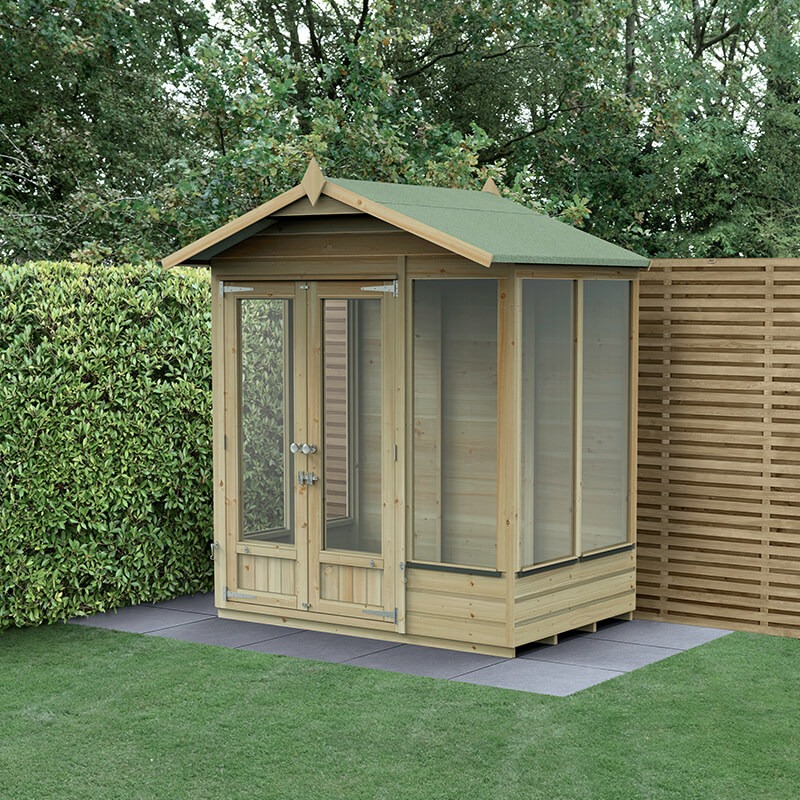
20% OFF: 6′ x 4′ Forest Beckwood 25yr Guarantee Double Door Apex Summer House (1.99m x 1.23m) £569.9920%

-
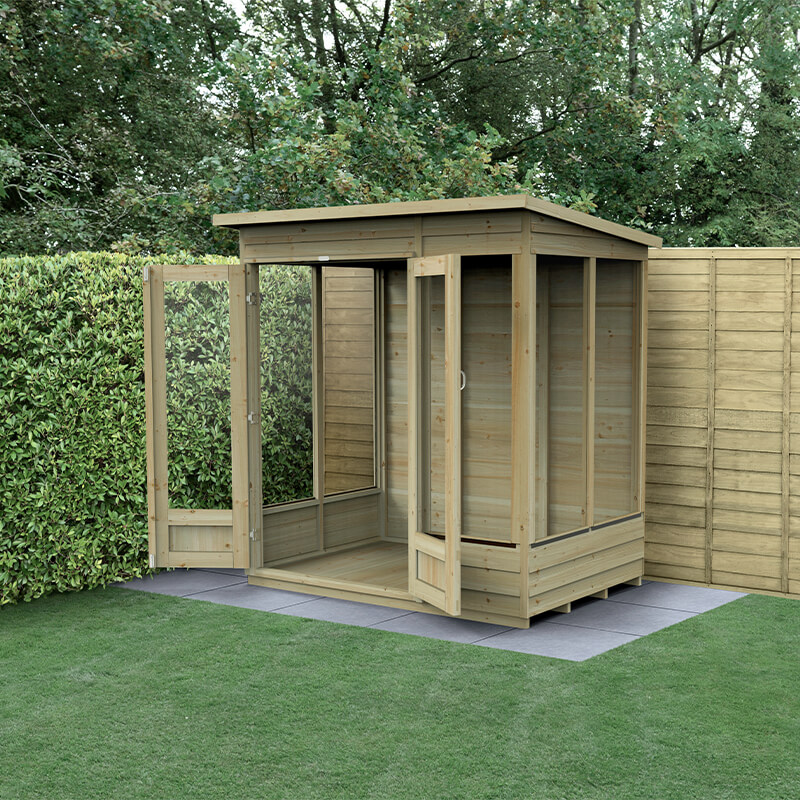
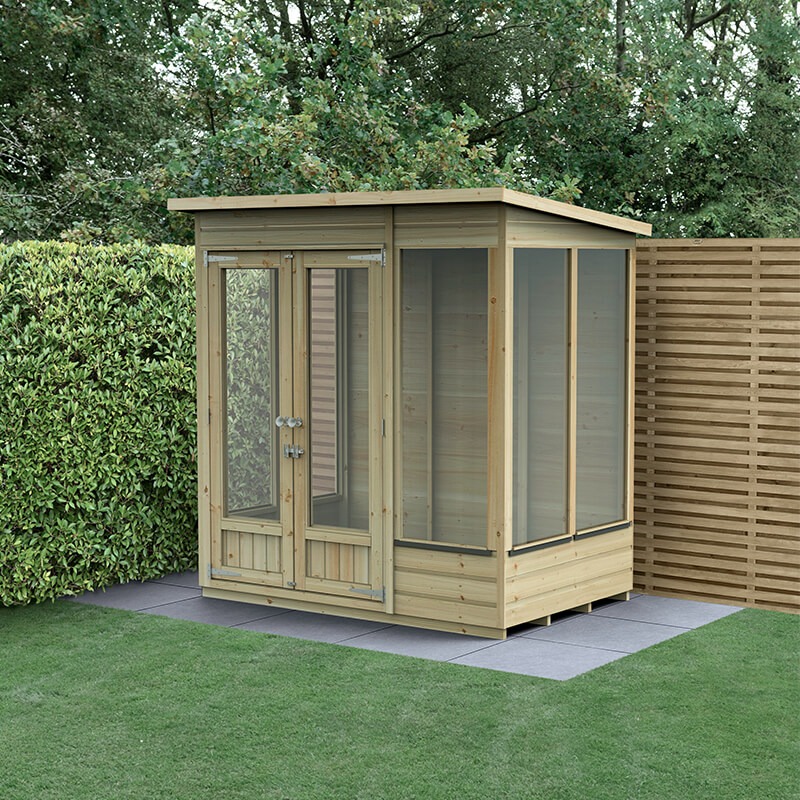
20% OFF: 6′ x 4′ Forest Beckwood 25yr Guarantee Double Door Pent Summer House (1.98m x 1.4m) £569.9920%

-
18% OFF: 6′ x 4′ Forest 4Life 25yr Guarantee Double Door Apex Summer House (1.99m x 1.23m) £499.9918%

-
18% OFF: 6′ x 4′ Forest 4Life 25yr Guarantee Double Door Pent Summer House (1.98m x 1.4m) £499.9918%

Wooden summerhouses 30 sq ft / 3 m² are compact garden retreats for seating, storage, hobbies and quiet time, with timber character, flexible shapes and a neat footprint for smaller outdoor spaces.
A Small Footprint with a Proper Purpose
A wooden summerhouse of 30 sq ft / 3 m² is one of those garden buildings that looks modest on paper but can change how a space is used. It gives you a defined corner for sitting, reading, potting plants, tea breaks or simply getting out of the wind without taking over the whole garden. Because the footprint is compact, it suits smaller plots, side returns, tucked-away corners and tighter patios where a larger building would feel a bit pushy.
What makes this size interesting is the balance between enough internal room and a low visual impact. You are not trying to create a garden house that dominates the plot. Instead, you get a tidy timber structure that can sit in the background or become a focal point, depending on the finish, roof shape and glazing. For many buyers, that is exactly the point: something useful, but not sprawling.
Why Timber Feels Right at This Size
Wooden summerhouses have a different feel from metal or plastic garden buildings. At 30 sq ft / 3 m², the material matters even more because the building is small enough for the grain, colour and board profile to be noticed straight away. Timber gives warmth, texture and a more domestic look, so the structure often feels less like a shed and more like an extra room outdoors. It’s a subtle differnce, but one you notice when you step into it.
Bestseller der Kategorie wooden Summerhouses 30 sq ft / 3 m²
There is also a nice visual softness to timber in a compact format. A small timber summerhouse can sit among planting, gravel or paving without looking harsh. Painted in muted tones, it can blend in. Left in natural timber shades, it gives a more rustic note. Either way, the material helps the building feel part of the garden rather than simply placed in it.
Shapes That Change the Whole Character
Even at 30 sq ft / 3 m², shape changes the experience quite a lot. The same floor area can feel very different depending on whether the building is square, rectangular, corner-oriented or more decorative in outline.
- Square summerhouses feel balanced and efficient, with straightforward furniture placement and a neat, contained look.
- Rectangular summerhouses can make better use of a narrow garden edge, giving a clearer seating line or storage run along one wall.
- Corner summerhouses use awkward corners well and can open up the rest of the garden, which is handy if the central lawn needs to stay clear.
- Octagonal or multi-sided forms often create a more pavilion-like feel, even though the internal area stays compact.
- Lean-to styles work neatly against fences or walls and can feel integrated rather than separate.
The shape also affects how the building meets the garden. A square plan can feel practical and crisp. A corner design can soften a tight plot. A rectangular one can give a stronger sense of direction, almost like a tiny room with a purpose. For buyers, this is worth thinking about early, because shape is not just visual; it changes how the space is used day to day.
Glazing, Doors and the Light Inside
In a small summerhouse, glazing is not a side detail. It is a major part of the feel. With only 30 sq ft / 3 m² to work with, the way light enters can make the interior seem open or cramped. Full-height windows brighten the room and make it feel more like a sitting space. Half-glazed doors bring in light while giving a little more privacy. Large front windows can create a view over the garden, which is useful if the building is meant for relaxing rather than storing tools.
Door style makes a real difference too. Single doors suit very compact layouts and keep the footprint tidy. Double doors can feel more generous, even on a small building, and make access easier when moving a chair or small table in and out. If the summerhouse is placed where the garden is already busy, a wider door can prevent that awkward squeeze that no one enjoys.
Different Interior Uses in a Tiny Space
The beauty of a 3 m² summerhouse is that it can be adapted to different roles without needing much floor area. It is not trying to do everything at once. Instead, it can be tuned to one main use, which often makes it feel more satisfying.
- Seating retreat with a small bench or two compact chairs.
- Garden reading room for quiet time away from the house.
- Potting and planting nook if you want a sheltered place for light garden tasks.
- Tea and conversation spot for one or two people, maybe three if everyone is not too fussy about elbow room.
- Display space for plants, lanterns or seasonal decorations.
Because the building is small, you are encouraged to think in terms of one main purpose. That often results in a better layout than trying to fit every garden activity inside. A clear purpose makes the room feel less cluttered and more intentional.
Compact Advantages That Are Easy to Miss at First
The obvious advantage of a 30 sq ft / 3 m² summerhouse is that it fits where larger garden rooms simply would not. But there are other advantages that are easy to miss until you start comparing options. A smaller timber building can be easier to position visually, so it does not block planting or make a patio feel boxed in. It may also suit gardens where the available space is odd-shaped, narrow or broken up by paths and borders.
There is also a practical difference in how the building feels to use. Small spaces often encourage tidiness, and that can be a good thing. If the summerhouse is for sitting, the room stays focused on that job. If it is for hobbies, the limited space makes you choose only what matters. The result can be a more settled, calmer environment, rather than a space that becomes half-storage, half-everything else.
Another point worth noting is how a compact wooden summerhouse can alter the look of the garden without swallowing it. Some buyers want the presence of a garden building, but not the visual weight. This size can give that sense of structure and purpose while leaving the rest of the plot feeling open. It’s a neat compromise, really.
How This Size Differs from Larger Summerhouses
Compared with larger summerhouses, the main difference is not only floor area but experience. At 30 sq ft / 3 m², you are working with a defined, intimate zone. That means furniture choices need to be careful, movement inside needs thought, and the building tends to be for one central use rather than several. A larger summerhouse might support a sofa set, dining area and storage corner. A small one usually won’t, and that is not a flaw — it is simply a different kind of use.
Smaller buildings also tend to have a lighter visual presence. In a compact garden, that can be the deciding factor. A larger structure may offer more flexibility, but it can also feel a bit much if the garden is narrow or already full of planting. The 3 m² format keeps things restrained. For buyers who prefer a subtle addition over a chunky one, that matters.
Timber Finishes and the Look They Give
The finish you choose changes the mood of a wooden summerhouse quite a bit. Natural timber tones feel warm and traditional, while painted finishes can make the building read more like part of the garden architecture. Soft greens, greys and muted browns work especially well in smaller plots because they don’t shout for attention.
If the garden already has strong features — brick paths, darker fencing, mature shrubs — a lighter finish can help the summerhouse stand out gently. In a brighter, more contemporary space, a deeper tone may look more grounded. There is no single right answer here, just different effects. The point is that on a 30 sq ft / 3 m² footprint, the colour and board style are very noticeable, so they should match the overall feel of the garden rather than be picked as an afterthought.
Features Buyers Usually Look For First
When people compare compact wooden summerhouses, the same details keep coming up, and for good reason. These features shape how usable the building will be in real life, not just how it looks in a product photo.
- Glazing pattern and how much light it brings in.
- Door width for access and the feeling of openness.
- Roof form, which affects the profile in the garden.
- Wall style, whether plain, panelled or more decorative.
- Corner or freestanding layout, depending on the available space.
- Overall proportions, especially if the garden is narrow or enclosed.
These details can look small on a spec sheet, but they add up. A summerhouse with good light but a awkward door may not feel as easy to use. A neat shape with limited glazing may feel a bit enclosed. So the best choice usually comes from looking at the whole package, not one feature in isolation.
Useful Tips Before You Choose
It helps to measure the intended spot carefully and think about how the summerhouse will sit against fences, borders and paths. With a compact building, even a small shift in position can change how the garden flows around it. Also consider whether you want the front to face the main lawn, a planted area or a quieter side of the garden. That choice changes the whole feel of the space.
It is also worth thinking about what you plan to place inside before choosing the shape. A square format may suit a central chair and small table. A rectangular one can work better if you want one clear wall for a bench. A corner style may leave more open ground in the middle of the garden. None of these are better in every case, just better for different layouts.
And one more thing: a 30 sq ft / 3 m² summerhouse should be seen as a purposeful small room, not a mini version of a larger one. If you treat it that way, the choice tends to be easier. Decide what the room is for, then let the shape, glazing and style follow from that.
A Compact Building with Real Appeal
What makes wooden summerhouses 30 sq ft / 3 m² appealing is their mix of scale and character. They are small enough to fit into places that would otherwise stay unused, yet substantial enough to feel like a proper destination in the garden. The timber brings warmth, the shape gives character, and the compact size keeps the whole thing manageable.
For buyers who want a garden building with personality, but not an oversized footprint, this category offers a lot to like. It can be a quiet reading spot, a neat seating room, a sheltered corner for hobbies or simply a timber feature that makes the garden feel more complete. Not complicated, not overblown — just a well-sized wooden space that does its job.
[Sassy_Social_Share]