
wooden sheds 45 sq ft / 4 m² - Best Deals in UK!
Showing the single result

Wooden sheds 45 sq ft / 4 m² are a practical choice when you need proper garden storage without taking over the whole plot: enough room for tools, pots, bikes or a compact hobby corner, in a size that still feels neat and manageable.
A small footprint with proper working room
At around 45 sq ft or roughly 4 m², this shed size sits in a very useful middle ground. It is small enough for tighter gardens, side returns and patios, yet big enough to hold more than the usual “just a few tools” setup. Many buyers choose this size when they want clear storage space without moving into the larger, more dominant shed categories.
The appeal is in the balance: a wooden shed in this size range can store a mower, rakes, compost bags, hand tools and seasonal items, while still leaving a walkway or a corner for shelving. That extra bit of room makes a noticeable differnce when you are actually standing inside it trying to find things.
Why timber suits this size so well
Wooden sheds work especially well at 4 m² because timber gives a softer visual profile than metal or plastic. In smaller gardens, that matters. The shed feels more like part of the landscape and less like a box dropped onto it. Wood also lends itself to a range of finishes and shapes, so the same footprint can look very different depending on the roofline, cladding and door layout.
Bestseller der Kategorie wooden sheds 45 sq ft / 4 m²
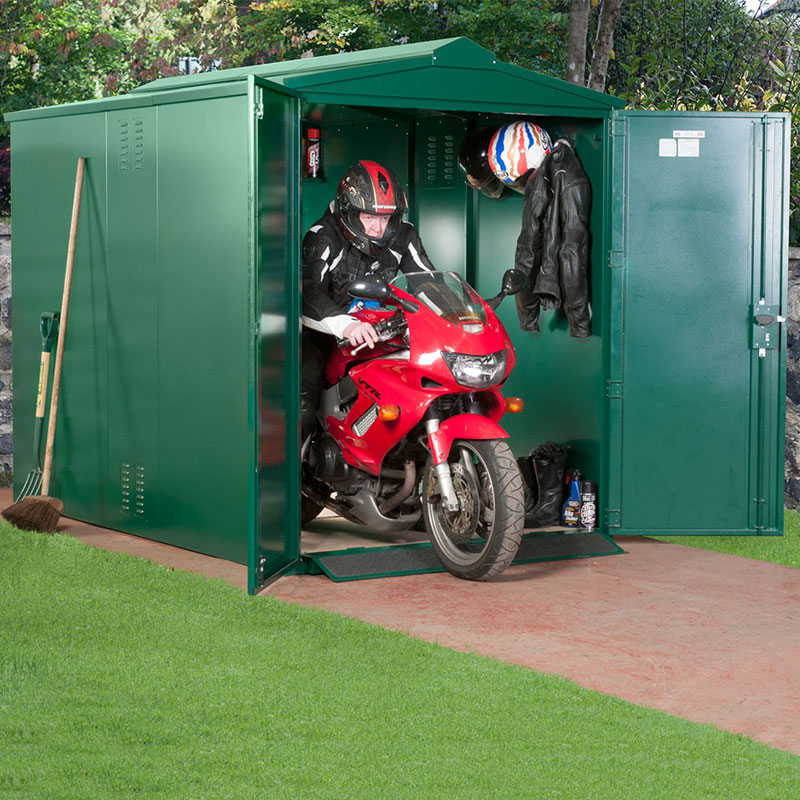
Another practical point is that wood is easier to adapt to awkward spaces. A compact shed may need a particular door swing, a narrow access route or a design that sits flush against a boundary. Timber buildings are often chosen for exactly that reason: they are easier to place neatly, and they tend to blend in with fencing, planting and other garden structures.
Styles that fit a 4 m² garden store
Within this category, you will usually find several sub-forms, each with a slightly different feel and purpose:
- Garden store style sheds, often with a simple rectangular footprint and a practical single door.
- Lean-to wooden sheds, useful where the shed needs to sit against a wall or boundary and keep a slimmer profile.
- Corner sheds, designed to make use of otherwise awkward space and open up the main garden area.
- Tool sheds, with a more compact internal arrangement and a focus on hand tools, small machinery and sacks.
- Pent-roof sheds, which suit contemporary gardens and can feel less bulky under lower eaves.
- Apex-roof sheds, giving a traditional look and often a bit more headroom in the centre.
These types are not just a matter of looks. The shape changes how easy it is to store long handles, stack boxes, or use wall space for hooks and shelving. In a small footprint, those inches really do count.
Roof shapes: more than a visual detail
The roof on a 45 sq ft wooden shed affects both the feel of the build and how the internal space can be used. An apex roof has the familiar ridge shape and usually offers a stronger sense of height in the middle. That makes it handy if you want to stand upright more comfortably, or if you are storing taller items like ladder sections, rakes or compost bins.
A pent roof, by contrast, slopes in one direction and gives the shed a cleaner, more modern outline. It can work especially well where the shed sits beside a fence or under trees, because the lower profile can help the building feel less intrusive. There are also flat-roofed timber stores in some ranges, though they tend to be chosen more for simple utility than for a traditional garden look.
For a small shed, the roof pitch also changes the useful wall height. A steeper apex can make the centre of the shed feel more open, while a pent roof may leave you with a more regular wall line that suits shelving. It depends on what you plan to keep inside, and how often you’ll actually use the space rather than just fill it.
Cladding choices and what they mean in use
When comparing wooden sheds of this size, the cladding tells you a lot about the character of the building. Shiplap is a common choice because its overlapping profile helps shed water and gives a neat, finished appearance. Overlapping cladding can be more straightforward and often feels purpose-built for storage. Tongue and groove panels are also popular for their tidy fit and more solid feel.
The difference is not only cosmetic. The way the boards fit together affects how the shed looks from across the garden, how crisp the corners appear, and how the structure behaves as a storage space. If you want a more refined look near a patio, shiplap or tongue and groove can feel more considered. If the shed is tucked away at the end of a plot, a simpler overlapping design may be all you need.
Door layouts that change how the space works
In a 4 m² shed, the door position can make a bigger difference than people expect. A single door is often enough for narrow access and small tools. Double doors, if included in the design, make it much easier to bring in bulkier items such as lawnmowers or folding furniture. They also make the shed feel more open when you are moving things in and out.
Some sheds use a centrally placed door, while others offset the opening to one side. That small choice affects the usable wall space inside. An offset door can leave a clean stretch of wall for racking or hanging tools. A central door can feel balanced and suit a more symmetrical garden layout. If the shed is intended for regular use, rather than just occasional storage, that door arrangement matters a lot.
What fits inside without everything feeling crammed
A wooden shed of 45 sq ft / 4 m² is often chosen for a specific mix of storage. Think long-handled garden tools, a mower, watering cans, seed trays, pots, folding chairs, bags of compost, or a couple of bikes if the shape is right. The best part is that it can hold this sort of mixed load without becoming too hard to navigate.
Because the footprint is limited, the internal layout needs a bit of thought. A shed with a slightly taller ridge can take vertical storage more easily. A square or near-square plan can give more flexibility than a very narrow rectangle. If the aim is to store larger objects as well as smaller kit, the usable width between door and back wall becomes more important than the headline size alone.
Small storage, different needs
Not all 4 m² wooden sheds are used in the same way, and that is where the differences become useful. Some buyers want a simple tool store with fast access, where things are kept on hooks and shelves. Others need a bike shed with enough depth to roll in a cycle and lock it away. Some want a compact hobby shed for potting, seed sorting or a bit of bench work, though it should be noted that the room is limited and needs careful planning.
There are also differences in how open or enclosed the interior feels. A shed with wider doors and a more regular rectangle gives a practical store room. A corner design may save garden space but can make the inside feel more specialised. A pent-roof shed may feel lower at one side but better suited to a boundary line. None of these options is just about looks; the shape decides what can live there comfortably.
Why many buyers choose timber over other materials
Compared with metal or resin, a wooden shed usually feels more at home in a garden setting. For a small footprint, that softness matters because the building is visible but not overpowering. Timber can sit beside planting, gravel, turf or paving without looking too hard-edged. It also tends to offer more variety in window placement, roof shape and door style within the same size category.
There is also a practical side. If you want to organise the inside with hooks, shelves or wall-mounted storage, timber is often the easier material to work with. That helps in a compact shed where floor space is already at a premium. You do not want to lose the whole inside to a pile of items on the floor; the best 4 m² sheds make use of the walls and height.
Important details buyers should compare
When shopping in this category, a few features are worth checking closely:
- External dimensions, because 45 sq ft can be arranged in different shapes, and a near-square plan may feel very different from a narrow one.
- Door width, especially if you plan to store a mower, bike or larger garden equipment.
- Internal headroom, since roof shape affects how usable the centre of the shed feels.
- Cladding type, which changes both the appearance and the overall character of the shed.
- Window placement, if included, because light can make a small shed feel easier to use.
- Floor layout, as a solid base is important when the shed is expected to carry regular storage weight.
These are the sorts of details that often separate a shed that merely fits from one that actually works well day to day. The size may be fixed, but the way the space is organised is not.
When 4 m² feels just right
This category is a good fit for buyers who want compact outdoor storage without jumping to a larger, more dominant building. It works well in town gardens, side access areas, and homes where the shed needs to stay visually discreet. It is also a sensible choice if you have been keeping garden kit in a garage and want to free that space up for other things.
People often underestimate how useful a small shed can be until they have one. The value is not just in storage volume, but in the way the shed keeps seasonal items together and makes the garden feel more ordered. A well-chosen timber shed in this size range can quietly solve a lot of clutter, and still leave the garden looking tidy from the first glance.
Matching the shed to the garden layout
Placement matters nearly as much as the shed itself. A corner wooden shed can reclaim an awkward angle and preserve the main lawn area. A lean-to shed can sit neatly along a fence line, especially where space is tight. A more traditional apex model may suit a central back boundary and give the garden a familiar, balanced look. For narrow side access, a slimmer rectangular footprint usually works better than a broader one, even if both are technically 45 sq ft.
It is worth thinking about how you will approach the shed too. If the door faces the house, everyday use is easier. If it faces a hidden corner, the shed may look more discreet but less handy. Small site choices like that shape how satisfied you feel later on, and they are easy to overlook when comparing product photos.
A compact timber shed with proper purpose
What makes wooden sheds 45 sq ft / 4 m² appealing is that they are not trying to do too much, yet they can still cover a lot of ground. They offer enough room for daily garden life, enough structure to keep things organised, and enough design variety to suit both traditional and modern plots. The difference between models is often in the roofline, door arrangement, cladding and proportions, so it pays to look beyond the footprint alone.
If you want storage that feels integrated rather than bolted on, this category is a smart place to start. It gives you a manageable size, a natural garden look, and plenty of ways to choose the right shape for the space you have. In other words, a small shed, yes — but one with enough thought behind it to earn its place.
[Sassy_Social_Share]