
Sheds 45 sq ft / 4 m² - Best Deals in UK!
Showing the single result

Sheds 45 sq ft / 4 m² offer a compact way to gain proper outdoor storage, a small workshop corner, or a neat home for bikes, tools and garden kit without taking over the plot.
Small Footprint, Proper Function
A 45 sq ft / 4 m² shed sits in that useful middle ground: roomy enough for real storage, yet still manageable for tighter gardens, side returns and courtyard spaces. If your outside area feels too small for a full-size outbuilding, this footprint can still give you a practical place for hand tools, pots and compost bags, folding furniture, lawn care equipment and the bits that usually end up cluttering the garage. The best thing about this size is that it often feels tidy rather than bulky, especially when the shape is chosen to suit the layout of the garden.
Because the area is compact, every inch matters. That means the difference between a straight wall and a sloped one, or between double doors and a single side door, can change how easy the shed feels to use day to day. In a smaller store, access and internal layout matter just as much as raw capacity.
Which Shape Works Best?
Sheds in this size often come in a few familiar forms, and each one suits a different kind of garden. A pent shed has a single sloping roof, which can tuck neatly against a wall or fence line and is useful where headroom is less important at the back. A apex shed brings a pitched roof, giving more central height and a classic look that suits many traditional gardens. If you want a more modern outline, a flat-roof shed can feel unobtrusive, though the internal height is usually more even and slightly lower overall.
Bestseller der Kategorie Sheds 45 sq ft / 4 m²
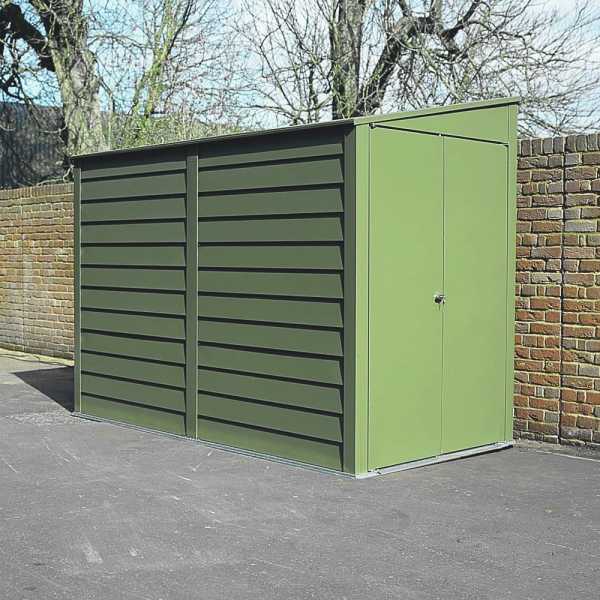
There are also differences in footprint layout. A shed that is close to square can be easier to organise for mixed storage, while a more rectangular shape may suit long items like rakes, ladders or folded chairs. If the garden has a narrow run or awkward corner, a compact rectangular unit can make better use of that space than a broader square form. The shape should match what you actually store, not just the site available.
- Pent sheds – useful for fence-line placement and a simpler profile.
- Apex sheds – offer more central height and a familiar pitched roof shape.
- Flat-roof sheds – suit low, clean lines and tighter visual settings.
- Square layouts – often easier for shelving and mixed storage.
- Rectangular layouts – better for long-handled tools and narrow access.
Storage Roles Beyond the Obvious
A shed at 4 m² can do more than hold a mower and a few tubs. For many buyers, it becomes a small but organised zone for items that need to stay dry, separate or out of sight. That might include cycle storage for one bike plus accessories, garden furniture cushions, children’s outdoor toys, or a compact potting area with a bench along one side. Some people use this size as a light-duty hobby space, where there is enough room for a stool, a work surface and wall storage, though not so much that it starts feeling like a room rather than a shed.
The key difference here is between bulk storage and active storage. Bulk storage means boxes, stacked containers and seasonal items. Active storage means you regularly go in, pick things up, and work from inside the shed. If you plan to reach for tools often, door position, internal clearance and wall arrangement matter a lot more than simply fitting the items inside.
Materials That Change the Feel
In this category, the material choice shapes more than the look. A timber shed often feels natural in a garden setting and works nicely where the building should blend with planting or fencing. Timber also tends to suit painting or custom finishing, so it can be matched to the rest of the space. A metal shed usually has a sharper, more functional character and can suit people who want a simple, no-nonsense storage box. Plastic or resin sheds often appeal for their lightweight feel and clean lines, and they can work well where assembly and neatness are priorities.
Each material brings a slightly different sense of use. Timber often feels warmer and more traditional. Metal can feel more utilitarian, with clear lines and fewer decorative details. Resin tends to sit in between, offering a tidy finish that can be easy to live with in smaller gardens. The choice depends on whether you want the shed to be seen as part of the garden design or as a practical store that stays in the background.
- Timber – suited to a classic garden look and a more natural finish.
- Metal – good for a straightforward storage-first approach.
- Resin / plastic – often chosen for a neat, low-fuss appearance.
Door Style Makes a Bigger Difference Than You’d Think
On a shed this size, the door opening is a major part of day-to-day use. Double doors can make it easier to bring in boxed items, wheelbarrows, bikes or wider garden tools, while a single door can suit a simpler storage setup or a narrower side access point. Side doors are less common but can make sense when the front of the shed faces a path or patio where a wide opening would feel awkward.
It’s worth thinking about what you’ll carry in and out most often. If the shed stores a mower, a sack trolley or bulky outdoor cushions, a wider opening saves a lot of awkward turning. If the contents are mainly smaller items, a single door can keep the form compact and the front wall cleaner.
Height, Headroom and the Sense of Space
With a 45 sq ft / 4 m² shed, height can change the whole experience. A shed that is slightly taller at the ridge can feel much easier to use, even when the floor area stays the same. That extra headroom is useful if you want shelving above eye level, hooks for long-handled tools, or room to stand upright in the middle without stooping.
By contrast, a lower shed can be a smart choice where the garden has planning or visual limits, or where you want the building to sit quietly beneath fences and planting. The trade-off is simple: lower profiles are often less noticeable, while higher profiles are easier to work in. That small difference matters more than many buyers expect.
What Fits and What Feels Cramped
In practical terms, a 4 m² shed can hold a surprising amount if the contents are chosen well. It can suit one bicycle with a little surrounding space, or a combination of stackable crates, tools, small garden machinery and folded outdoor kit. But if you want room for multiple large machines, heavy shelving on every wall and a clear centre aisle, this size can start to feel tight. That isn’t a fault of the shed, just a reminder that compact storage works best when the contents are planned.
Think about item shape as much as item count. A single awkward object, like a tall ladder or a wide trug stack, can disrupt the layout more than several smaller boxes. In a shed this size, vertical storage often helps more than spreading things across the floor.
- Good fit – hand tools, small machines, folding chairs, boxes, bike accessories.
- Possible fit – one bike, mower, hose reel, seasonal containers, potting items.
- Can feel tight – several large machines, oversized furniture, full workshop set-ups.
Layout Choices That Change Everyday Use
The most useful sheds in this size tend to be the ones that use the walls properly. Shelving can lift small items off the floor and stop the space becoming a pile of mixed containers. Hooks and hanging rails can suit spades, brooms and pruning tools. A narrow bench or storage ledge can help if you want a place to sort seed trays or keep small parts together. Because the floor area is limited, wall use is often the difference between a shed that works and one that fills up too quickly.
Another useful point is access around the doors. If the door opens inward, you may lose a bit of space close to the entrance. If it opens outward, you keep more floor room inside, though you need clear access outside. That small detail can influence how easy the shed feels in a tight garden.
Where This Size Usually Fits Best
45 sq ft / 4 m² sheds often suit gardens where space is valuable and the outbuilding needs to stay proportionate. They can work alongside lawn edges, beside a terrace, in a side passage or against a boundary where a larger shed would dominate. For urban plots, the smaller footprint can feel more considered. In more open gardens, this size can act as an auxiliary store rather than the main garden building.
It is also a sensible size where you want storage without turning the shed into the main visual focus. Many buyers choose this footprint because it gives enough function while leaving the rest of the garden open for planting, seating or play. That balance is one of the category’s main appeals.
Buying With the Right Use in Mind
Before choosing, it helps to decide whether the shed is mainly for storage, accessed storage, or a bit of both. Storage-first buyers may prefer a simpler layout and a standard door opening. Buyers who plan to step inside often might look more closely at height, opening width and internal wall space. If you need to fit awkward items, measure the widest and tallest pieces first, then compare them with the door and internal dimensions rather than the external size alone.
It can also help to picture the shed in use, not just in place. Imagine where the first box goes, where the tools hang, and what you reach for most often. That practical thinking tends to lead to a better choice than choosing only by appearance.
Useful Differences at a Glance
When comparing sheds in this category, buyers often weigh a few small but important differences. These can shape how the shed feels once it is in the garden:
- Roof form – pent for one side slope, apex for central height, flat roof for a low-profile look.
- Door type – single door for compact access, double doors for easier loading.
- Material – timber for a natural garden feel, metal for a more functional look, resin for a tidy and straightforward finish.
- Layout – square for balanced storage, rectangular for long items and clearer wall runs.
- Internal height – important for shelving, hanging tools and moving around without feeling boxed in.
A Compact Shed That Earns Its Place
A shed of 45 sq ft / 4 m² can be a very sensible purchase when you want proper storage without overcommitting space. It can keep the garden calm, protect useful items from being left outside, and give your tools a fixed home so they are not spread across the house, garage or patio. The size works especially well when the shape, door style and material line up with what you actually plan to store.
For buyers comparing options, the main question is usually not whether this size is useful, but how it will be used. Once that is clear, the right shed often becomes obvious. A compact footprint, the right roof line and a sensible opening can turn a modest garden building into a proper, reliable part of the outside space.
Final Thought Before You Choose
If your garden needs a store that feels tidy, purposeful and not too heavy on the eye, sheds 45 sq ft / 4 m² are worth a close look. They sit in a practical range for everyday garden living and can be set up in ways that suit storage, access and the look of the plot. The best choice is usually the one that matches the space you have, the things you own, and the way you use the garden week by week.
[Sassy_Social_Share]