
wooden sheds 25 sq ft / 3 m² - Best Deals in UK!
Showing the single result

Wooden sheds 25 sq ft / 3 m² offer a neat, space-smart way to keep tools, garden kit and everyday outdoor bits tucked away in a compact timber store that still feels practical, tidy and proper.
Small footprint, proper purpose
A 25 sq ft / 3 m² wooden shed sits in that handy middle ground where a garden building is not too large for a tight plot, yet still gives you real storage you can use. This size suits courtyards, narrow side returns, townhouse gardens and any outdoor space where every inch counts. It is a category for buyers who want the look and feel of natural timber, but need a shed that does not dominate the garden. Because of the modest footprint, these sheds can often fit into corners, against a fence line or beside a patio without making the area feel crowded.
What makes this size appealing is the balance. You are not simply buying a box for a few stray items. You are choosing a compact timber shed that can organise a surprising amount: hand tools, watering cans, pots, compost bags, a small mower, kids’ outdoor toys, folding chairs, or a slim bikelock-up setup if the internal layout is right. That flexibility is one of the main reasons people look at this category in the first place.
Timber character that suits the garden
Wooden sheds have a natural feel that fits into planted spaces more easily than a lot of metal or plastic alternatives. In a smaller size like 3 m², this matters quite a bit. The shed becomes part of the garden scene rather than an interruption. Pressure-treated, tongue and groove, overlap board, and shiplap are common construction terms you will see in this category, and each one brings a slightly different look and structure.
Bestseller der Kategorie wooden sheds 25 sq ft / 3 m²
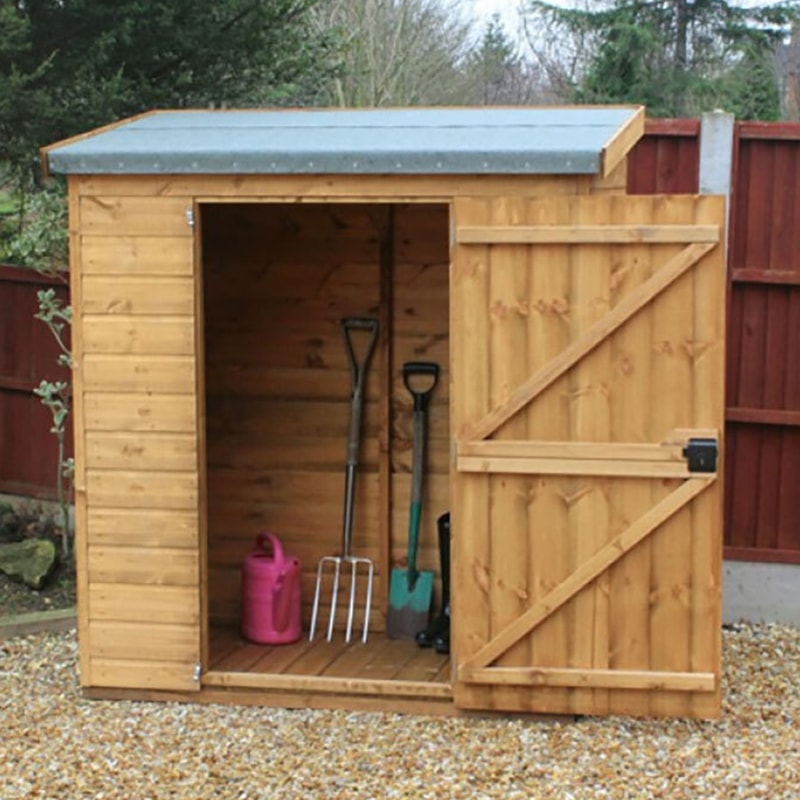
Shiplap timber sheds tend to have a cleaner profile and a more fitted appearance, with boards designed to overlap in a way that helps with weather resistance and gives the sides a neat finish. Overlap sheds are usually more rustic in appearance and can suit informal gardens or spaces where a softer, more traditional style is wanted. Tongue and groove sheds often feel more solid, with close-fitting boards that create a stronger panel structure and a tidier internal face. For a 25 sq ft shed, these differences can influence not just the look, but how useful the shed feels when you step inside.
Shapes that change how the space works
Within the 25 sq ft / 3 m² category, the shape of the shed can make a real difference. A pent shed is often a good shout if you want something that sits against a boundary wall or fence with a sloping roof that sheds water away from the back. It can look compact and make sensible use of a side passage or narrower run of garden. A apex shed gives a more traditional profile, with the ridge running down the centre and often a little extra headroom in the middle. For many buyers, the apex form feels more familiar and gives that classic garden-shed look.
There are also corner sheds within this small footprint, made to tuck neatly into an angled space where a standard rectangle might feel awkward. A corner form can be a smart answer where the garden layout is unusual, or where you want the shed to stay out of the main sightline. Some compact sheds are more boxy, while others stretch slightly longer than they are deep, which can help if you need to store long-handled tools or slim outdoor furniture. The exact shape matters because in a small shed, the layout is half the battle, innit.
What fits inside, and what that means for buyers
A 25 sq ft wooden shed is best thought of as storage for a focused set of items. It is a good choice if you want a dedicated place for the things that usually clutter the patio or garage entrance. In many gardens, this size is enough for a hand tool rack, shelves for pots and fertiliser bags, a narrow bench for sorting supplies, and floor space for a mower or a couple of larger items. If the shed is arranged well, the same building can handle seasonal changes too: outdoor cushions in summer, plant protection items, and maybe a compact barbecue accessory kit.
Because the floor area is limited, buyers should think about what they plan to store most often. If your main need is long tools, look for a shed with a door opening and internal height that suit them. If you want it for boxed items or smaller gardening gear, then a broad, simple layout may be better. The beauty of this category is that it can work as a tidy utility space without needing the scale of a larger garden room or workshop.
Advantages that make the size worth considering
One obvious benefit is the small footprint. On a compact plot, every square foot matters, and a 3 m² shed gives storage without taking over the lawn or seating area. Another advantage is the sense of order it brings. Even a modest wooden shed can clear a surprising amount of clutter from the garden, which changes how the space feels day to day. The garden can look calmer, and the things you need for planting, cleaning or outdoor entertaining stay within reach.
Wooden sheds also bring design flexibility. They can be painted or left in a natural finish depending on local taste and the rest of the garden layout. For many buyers, timber feels warmer and more settled than a purely utilitarian alternative. There is also the practical benefit of choosing between different timber profiles, roof lines and door setups, so the shed can match the way you actually work outside rather than forcing you into one fixed style. In a category this size, those small choices matter more than people expect.
Differences worth checking before you choose
Not all small wooden sheds are the same, even when they sit in the same size band. One key difference is the wall construction. Thicker boards usually feel more substantial and may suit buyers who want a more enclosed, solid storage building. Thinner boards can keep the shed lighter and often more budget-friendly, though they may feel a bit less substantial in use. Another difference is the door type. Single doors can suit a narrow footprint and make placement easier, while double doors make it simpler to wheel in larger items or move awkward bits of kit around.
Roof style matters too. A pent roof often works well in tight spaces and can give a clean, modern line along a fence. An apex roof creates a more traditional garden shed appearance and may offer improved internal height in the centre. Some buyers prefer the way an apex roof helps the shed look more like part of the garden rather than a storage cube. Others simply want the roof pitch to suit the site and water run-off direction. The right answer depends on where the shed sits and what surrounds it, not just on looks alone.
Useful little details that make a big difference
When shopping in this category, it helps to look closely at access height, internal layout and door position. In a 25 sq ft shed, a door placed slightly off-centre can sometimes create a more usable wall for shelves or hanging tools. If you want to keep the middle clear, a straight, simple internal plan is often better than too many fixed divisions. On the other hand, if you know you will store lots of smaller items, built-in shelf space or the room to add your own can be very useful.
Another thing to think about is how the shed will sit in the garden visually. A wooden shed with a lower profile can blend into the edge of a plot and make the whole area feel less boxed in. A taller structure may give better standing room, but it can also feel more present from the house or neighbouring spaces. Neither is wrong. It is just about the sort of presence you want from the shed. For some buyers, the goal is to make storage disappear a bit. For others, it is to create a small, proper garden feature.
Styles that suit different gardens
The traditional garden shed look still has a strong place in this category, especially where the garden already has planting, timber edging or fencing. A small apex shed with simple cladding can sit comfortably in a cottage-style plot or a family garden. A more pared-back pent design may suit contemporary spaces, paved yards or narrow terraces where the lines are sharper and cleaner. There are also buyers who prefer a slightly rustic finish, where the natural grain of the wood is allowed to show through more plainly.
For gardens with limited width, a shed that is deeper front-to-back can sometimes be more useful than one that is wide but shallow. If the aim is to keep bins, long-handled tools and a few larger items together, that shape can work better than a square plan. On the other hand, if you want easy access to everything at once, a more balanced footprint may be the better call. The important bit is to match the style of the shed to the way the space is already used, not just to how it looks in a product photo.
Buying tips for a smarter choice
Before choosing a wooden shed 25 sq ft / 3 m², it helps to measure the intended site carefully, then measure again with a little clearance for opening the door and moving around it. Think about where rainwater will run, where the door will face, and how you will get larger items inside. It is easy to focus on the floor area and forget the practical access route, which is often what decides whether a small shed feels handy or a bit fiddly.
It is also worth comparing the internal depth against the items you actually own. A shed can be the right size on paper, yet awkward if a mower, compost sack or garden trug sits in a spot that blocks the door. Likewise, if you plan to install shelves, leave enough wall space to do that without making the shed feel cramped. Small sheds reward careful planning. A few inches here and there can change how the whole thing works, really.
- Check the door opening against your largest item, not just the floor size.
- Choose the roof shape based on where the shed will stand and how high you want it to feel.
- Look at wall style to decide between a neater finish or a more rustic look.
- Think about access from the path, patio or side gate before deciding on the position.
- Plan the inside around the things you use most, not the things you only store once in a while.
Why this category keeps making sense
Wooden sheds in the 25 sq ft / 3 m² range answer a very common need: enough storage to make a garden function better, but without asking for a huge chunk of land. They are suited to people who want a shed that feels like a natural part of the outdoor space, not just a place to dump leftovers. The category includes different forms, cladding types, door layouts and roof profiles, so there is room to find a shed that matches both the garden and the way it is used.
For buyers, that means a smaller shed can still be a thoughtful purchase. It can tidy the garden, store the awkward bits, and add a timber feature that looks in keeping with the rest of the plot. When the size is right and the layout makes sense, a 25 sq ft wooden shed does not feel small in a disappointing way. It feels efficient, sorted and just right for the space you’ve got.
[Sassy_Social_Share]