
Sheds 25 sq ft / 3 m² - Best Deals in UK!
Showing the single result

25 sq ft / 3 m² sheds are compact garden buildings for tools, bikes, bin stores, potting gear and seasonal clutter; compare shed shapes, layouts and door styles to find the best fit.
Small Footprint, Proper Purpose
A 25 sq ft / 3 m² shed sits in that useful middle ground where a building is still compact, yet no longer feels like a box you have to cram things into. It is the sort of size that can handle the day-to-day bits of garden life without taking over the plot, which is exactly why it works so well for smaller gardens, narrow side returns, paved courtyards and allotment plots. You get a proper enclosed space for storage, shelter and organisation, but you do not need to sacrifice half the lawn to get it.
For many buyers, this category is about making the garden feel calmer. Tools stop leaning against the fence, bags of compost are not sat in the rain, and awkward items like a folding chair, hand tools or a hose reel finally have a fixed place. A shed at this size can still feel tidy and balanced in the garden, especially if you choose the right shape. That is important, because not every 3 m² shed uses its space in the same way.
What 3 m² Really Gives You
On paper, 25 sq ft does not sound large, but in practice the internal layout matters more than the headline figure. A square shed can feel roomy for its size because the walls are easy to use, while a narrow rectangular shed can be brilliant for long-handled tools or bikes. The usable space also depends on whether the floor area is taken up by a single door, double doors, shelving, or a storage corner you can work around.
Bestseller der Kategorie Sheds 25 sq ft / 3 m²
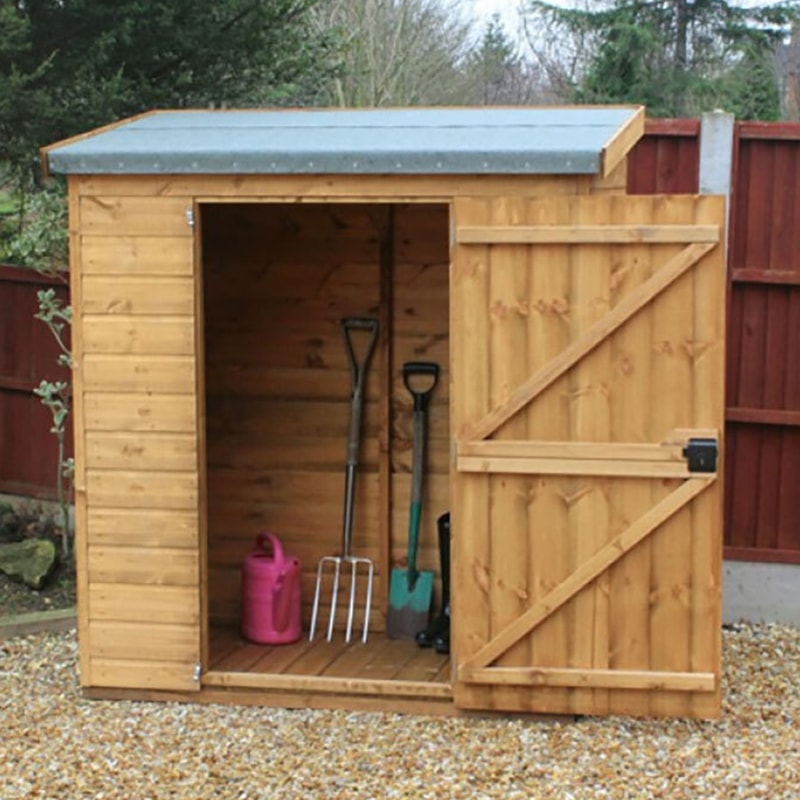
This size is often chosen for:
- Garden tools such as spades, rakes, forks and shears
- Compact power tools and their cases
- Children’s outdoor toys that need dry storage
- Small bicycles or one adult bike, depending on shape
- Seeds, pots, trays and compost in neater stacks
- Patio furniture cushions and fold-up seating
It is a practical choice when you want a dedicated outbuilding, but not a big workshop footprint. That distinction matters. A 3 m² shed is usually more about efficient storage and quick access than about setting up a permanent hobby room.
Shapes That Change How the Space Feels
The shape of a shed can make the same floor area feel very different. A square shed gives you a simple, flexible interior where boxes and tools can be lined up easily. It tends to suit people who like a straightforward layout and want to avoid wasted corners. A rectangular shed, meanwhile, often works better along a boundary or in a side passage, especially if you need a run of wall space for hanging tools or stacking storage tubs.
There are also more specific forms that change how the shed sits in the garden:
- Apex roof sheds with a ridge running down the centre, giving a classic outline and more overhead space in the middle
- Pent roof sheds with a single slope, which can tuck neatly under fences or beside taller structures
- Corner sheds designed to sit into an awkward angle, using space that might otherwise go unused
- Narrow sheds made for slim plots, handy when access is tight but storage is still needed
The difference is not just visual. A shed with a higher central peak can feel less boxed-in, while a lean-to style may be easier to place discreetly. If your garden is small, that visual balance matters as much as the storage itself.
Door Styles and Why They Matter
Door choice makes a bigger difference at this size than many people expect. In a compact shed, the entrance needs to match what you plan to put inside. A single door can work well when the contents are mostly small tools, bags and stacked items. It uses less front space and keeps the design neat. A double door, though, is often the more convenient option if you need to move in wider items, such as a mower, folded chair sets or a bicycle.
Some sheds use a side door layout, which can be useful if the building is placed against a fence or in a corner. That can make access easier without blocking the main frontage. It also helps when you want the front to look tidier from the main garden view. For buyers comparing options, the door opening is a key point because it affects not only what goes inside, but how easy it is to reach things once they’re in there.
A practical tip: think about the clear opening width, not just the shed’s outer measurements. A shed may be 25 sq ft overall, but if the doorway is narrow, you can end up with a space that is fine for boxes but awkward for larger gear. That little detail often decides whether a shed feels usable or just looks good on paper.
Storage Uses That Fit the Size
One reason 25 sq ft / 3 m² sheds are popular is that they can be planned for a very specific job. Instead of trying to do everything, they can be organised around one or two clear uses. That usually works better in a smaller building. For example, a shed might be set up as a tool store with wall hooks and stackable crates, or as a bike shelter where long, slim access is more important than shelf space.
Common uses include:
- Tool shed for hand tools, small machines and garden bits
- Bike store for one or two cycles, depending on the frame shape and door opening
- Bin store where waste containers can be tucked away from view
- Potting shed for trays, compost sacks and planting equipment
- Seasonal store for cushions, parasols and summer extras
Choosing a clear purpose helps prevent the shed turning into a mixed pile of everything. That sounds obvious, but it is exactly what makes a small shed useful. When every item has a job and a place, the footprint works harder.
Materials and What They Bring to the Build
In this category, the material often shapes the feel of the whole garden. Wooden sheds tend to have a more traditional look and can blend in well with planting, fencing and existing timber features. They often suit buyers who want the shed to feel like part of the garden rather than a separate object. Metal sheds usually lean toward a cleaner, more utility-led look, which can suit practical storage for tools and equipment. Resin sheds offer a neater modern profile and are often chosen by people who want a compact store with a tidy exterior.
Each material gives a different impression in a 25 sq ft / 3 m² format. A wooden shed can feel warmer and more established. A metal shed can feel sharper and more functional. A resin shed often looks neat in smaller spaces where visual clutter is a concern. The right choice depends not just on taste, but on how you want the shed to sit beside the house, fence or planting.
There is also a difference in how the internal space feels. Some materials allow more straightforward fixing for hooks or shelving, while others feel better suited to freestanding storage. If you already know what you plan to store, that can help narrow the choice fast.
Roof Types and the Space Above Your Head
The roof shape is another detail that changes how a 3 m² shed behaves. An apex roof gives a pitched centre line, which can create a bit more headroom in the middle and a more familiar shed silhouette. This can be helpful if you expect to stand inside while sorting tools or shifting boxes around. It also gives a balanced look that suits many garden styles.
A pent roof slopes in one direction and often feels more compact. It can be a smart answer where height is limited by boundaries, overhanging trees or neighbouring structures. Because the roofline is simpler, a pent shed can look less bulky in a tight space. That difference matters if the shed is going near a patio or along a boundary where you do not want a heavy visual block.
In a small shed, roof choice also affects how storage can be arranged near the walls. Even a little extra height can make a difference for tall items like rakes, broom handles or a garden umbrella. It is a small thing, but small things are exactly what shape whether this category works well.
Why This Size Makes Buying Easier
People often end up at 25 sq ft / 3 m² because they need a building that solves a clear problem without becoming a project in its own right. A bigger shed can be tempting, but it can also demand more space, more budget and more thought about where it sits. This size is often easier to position, easier to justify and easier to make use of straight away.
That said, the main advantage is not simply that it is small. It is that it is small in a useful way. You can still create zones inside it: one wall for hanging tools, one corner for bags, a centre aisle for access. In a larger garden, it can act as a tidy second store. In a smaller garden, it can be the main storage answer without overpowering the plot. And because it is compact, it can often be placed in spots that would be useless for anything larger.
If you are comparing sizes, ask yourself whether you need a place for broad, open storage or a place for controlled, easy-to-find storage. A 25 sq ft shed is usually the second one. That is not a limitation; for many buyers, it is the whole point.
What to Check Before You Choose
Before picking a shed in this category, it helps to look beyond the square footage. The same floor area can feel very different depending on access, door placement and the items you want to store. A quick check now can save the usual “it looked bigger online” moment later on.
- Internal layout — think about where the largest item will sit
- Door width — important for bikes, mowers and wider tubs
- Wall height — useful for hanging tools or keeping tall items upright
- Roof profile — choose based on height limits and visual impact
- External placement — make sure the shed suits the available garden shape
- Future use — leave a little room for the things you always seem to add later
It also makes sense to think about how often you will access the shed. If you will be in and out daily, a wider door and clearer front access are worth prioritising. If it is mainly for occasional storage, you may prefer the shed that fits the space best and blends in more quietly.
Buying for the Garden, Not Against It
A good 25 sq ft / 3 m² shed does more than store things; it helps the garden feel arranged with intent. That can be especially useful in compact outdoor spaces where every item is visible. A well-chosen shed can cut visual clutter, free up patio corners and make the space feel more usable, even if nothing else changes. The trick is to match the shed’s type to the job it needs to do.
If the shed is going into a narrow side area, a pent roof or slim rectangle may sit better. If the shed will be seen from the main seating area, a wooden apex design might feel more settled. If the focus is practical storage with a clean outline, a metal or resin option can suit the brief. Different shapes, different strengths, and that’s what makes this size interesting rather than simple.
There’s also a nice practical advantage in having a shed that is just big enough. It encourages better sorting. You do not get endless room for random stuff, which means the space can stay more useful. For a lot of buyers, that is a real selling point, even if it sounds a bit plain on first read.
A Small Shed with Clear Returns
In the end, a 25 sq ft / 3 m² shed is a compact solution with a very specific kind of value: it gives you proper storage without overcommitting space. It suits gardens where every metre counts, and it works especially well when you know what you want from it. Whether you need a home for tools, a neat place for bikes, or a dry spot for outdoor odds and ends, this category offers enough room to make a difference while staying manageable.
Choose the shape, roof and door style around the way you actually use the garden, not just how the shed looks in isolation. That is the difference between a shed that merely fills a gap and one that genuinely makes the space easier to live with.
[Sassy_Social_Share]