
wooden gazebos 225 sq ft / 20 m² - Best Deals in UK!
Showing the single result

Wooden gazebos 225 sq ft / 20 m² give you a roomy garden structure for dining, lounging and sheltered outdoor use, with timber character, flexible shapes and practical space for family gatherings.
A footprint that changes how the garden feels
A 225 sq ft / 20 m² wooden gazebo is not a small decorative corner feature; it is a proper garden room in an open-air setting. That extra floor area makes a real difference when you want more than a chair and a side table. It gives enough room for a full dining set, a deeper seating layout, or a mixed-use space where people can eat, chat and move around without feeling squeezed. In a garden that already has planting, paths and maybe a lawn, this size starts to act like an anchor point. It creates a clear destination, but still keeps the relaxed, natural look people want from wooden gazebos.
The size also matters because it changes the experience under the roof. In a smaller gazebo, the centre can feel busy once furniture is inside. With 20 m², there is usually a better balance between covered area and open circulation. That means the structure can support a proper social setup, rather than just offering a bit of shade. For anyone comparing sizes, this is one of the key differences: a 225 sq ft gazebo gives you usable zone, not just shelter.
Why timber works so well in this size
Wooden gazebos in this footprint tend to feel more inviting than metal or plastic structures because timber softens the visual bulk. At 20 m², the frame is substantial enough to matter in the garden, so material choice is not only about looks, it is also about atmosphere. Wood brings grain, tone and a familiar garden feel that sits well with lawns, patios, gravel bases and planted borders.
Bestseller der Kategorie wooden gazebos 225 sq ft / 20 m²
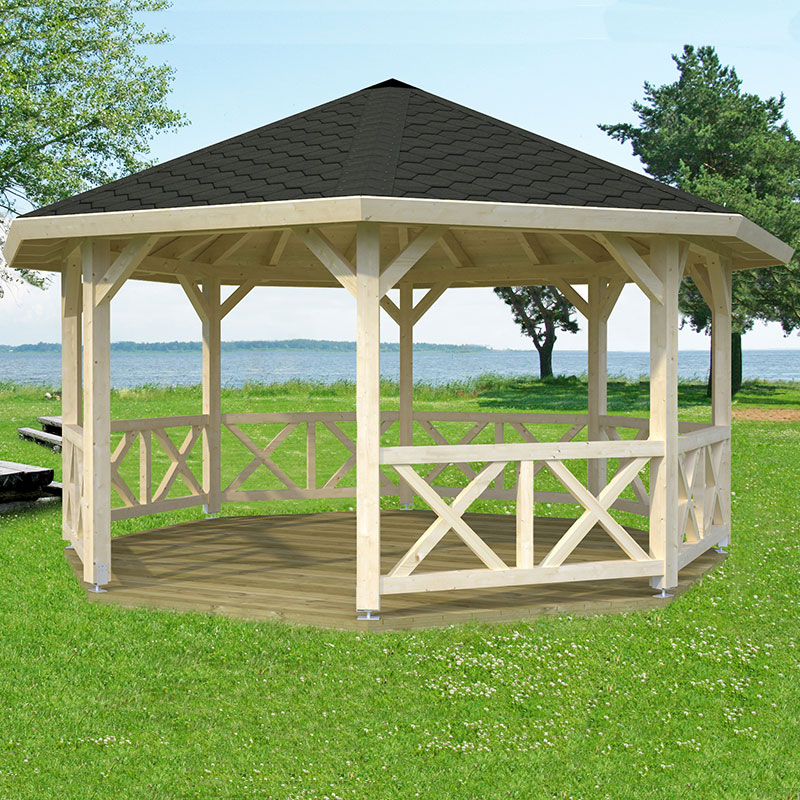
Timber also suits the proportions of a larger gazebo because it can be detailed in different ways. You may see chunky posts for a more grounded look, slimmer uprights for a lighter profile, or decorative braces that make the roof line feel more refined. Even small changes in post shape or roof pitch affect how the structure reads from the house and from the garden edge. That is one reason buyers often compare wooden options carefully: they do not just want a cover, they want a structure that looks in place, not forced.
Shapes that fit the space
One of the best things about a 225 sq ft gazebo is that several shapes can work at this size. The footprint is large enough to support bolder forms, and shape has a strong effect on how the space is used.
- Square gazebos are straightforward and efficient. They make furniture placement simple and give a tidy, formal feel. A square layout is often the easiest for dining tables or symmetrical seating.
- Rectangular gazebos are useful when the space is meant for long tables, bench seating or a mixed arrangement. They work well if the garden plot itself is narrow or more linear.
- Octagonal gazebos feel more traditional and decorative. The angled sides create a softer outline, which can make a bigger structure appear less boxy in the garden.
- Hexagonal gazebos sit between classic and compact in feel. They often provide a good balance of presence and openness, especially when the goal is a sociable centre point.
The shape difference is not just visual. A square gazebo often makes the most of wall-to-wall use, while an octagonal one can feel more open and social because the sides encourage a central focus. If you are deciding between them, think about whether you want the gazebo to work like an outdoor room or more like a gathering pavilion.
Open sides, partial panels or a more enclosed feel
Within the same floor area, wooden gazebos can behave very differently depending on the side treatment. Some are fully open, some have half-height panels, and some include more enclosed sections. This choice changes privacy, wind exposure and the overall mood.
Open-sided gazebos feel lighter and more connected to the garden. They are a good fit if the aim is to keep views across the lawn or to use the structure for summer dining. Gazebos with partial panels give a bit more shelter and can make the space feel framed, which helps if you want a stronger sense of enclosure without closing it off completely. More enclosed timber gazebos can offer a snugger setting, with a stronger boundary around the furniture and people inside. That difference matters in a larger size because the same footprint can either feel airy or room-like, depending on how the sides are handled.
Roof styles that alter the whole look
The roof is a major part of the personality of any wooden gazebo 20 m². It changes both appearance and how the structure feels from inside. Roof form also affects the visual weight, which is important when the gazebo is large enough to stand out.
- Pitched roofs give a classic garden-building look and suit traditional timber designs.
- Pavilion-style roofs create a gentler profile and often suit square or rectangular gazebos well.
- Multi-faceted roofs work especially well on octagonal and hexagonal structures, giving the gazebo a more crafted appearance.
- Flat or low-pitch roofs can suit more contemporary timber designs, though they tend to read differently from the traditional gazebo form.
The difference is not only aesthetic. A taller roof can make a big timber gazebo feel more open underneath, while a lower roof can give a cozier, more intimate setting. For buyers who want the gazebo to feel like a destination, rather than just an overhead cover, roof style is one of the first things to check.
What 20 m² actually gives you inside
At 225 sq ft, the usable space is broad enough for several practical layouts. A dining arrangement for six to eight people often fits comfortably, depending on table shape and the amount of circulation space left around it. A lounge-style layout with sofas or deep armchairs can also work well, because the floor area allows furniture to be arranged in a conversation group rather than pushed tightly against the edges.
Another advantage is zoning. In this size, it is more realistic to split the gazebo into two roles: one side for dining, another for seating or a small serving area. That makes the structure feel more versatile, especially if the garden is used for weekends, family get-togethers or informal outdoor meals. A smaller gazebo often forces a single use; 20 m² gives you more options without needing to expand into the whole garden.
Traditional charm or cleaner lines?
There are clear style differences within the category of wooden gazebos. Some lean into a traditional garden-pavilion look, with ornamental braces, visible roof framing and a more classic silhouette. Others use cleaner lines and simpler detailing, which can suit modern outdoor spaces better. The difference matters because a gazebo of this size already has presence; the detailing decides whether it becomes a focal point or a quiet backdrop.
Traditional forms often suit older houses, cottage-style gardens and more planted surroundings. They can look especially good where there is a lot of soft landscaping, as the timber and greenery sit together naturally. Simpler contemporary timber gazebos may be a better match for patios, straight-edged terraces and newer garden layouts. Neither choice is more useful than the other; they just give a different expression to the same 20 m² footprint.
Practical benefits buyers usually notice first
People looking at a wooden gazebo 225 sq ft / 20 m² usually want more than decoration, and the benefits show up in use. The first is space: not just enough for furniture, but enough for people to actually use the furniture comfortably. The second is shelter, which makes outdoor time more predictable when the weather is changeable. The third is the sense of structure in the garden, because a large timber gazebo can define a social area without needing permanent walls.
There is also a comfort difference compared with hard, exposed seating areas. Wood tends to feel warmer in tone and less harsh than some other materials. That matters in a garden setting where the aim is often to relax, not just to get out of the sun for five minutes. A wooden gazebo can make a patio or lawn feel more complete, like it has a clear purpose.
How the base and setting influence the result
For a gazebo this size, the setting around it becomes part of the design. A 20 m² wooden gazebo will look different on decking, paving, gravel or a lawn-adjacent platform. The base choice changes how formal the structure feels and how it connects to the rest of the garden. On a hard standing, it can read like an outdoor room. On a softer garden edge, it may feel more like a pavilion tucked into the planting.
It helps to think about access too. A structure this size needs enough surrounding space for movement, chairs, and maybe a serving path from the house. If the gazebo is intended for dining, leaving comfortable entry points on more than one side can make the whole layout feel better. Buyers often focus on the gazebo itself, but the surrounding space is what decides whether it feels generous or awkward.
Features worth comparing before you buy
When comparing wooden gazebos in this size, small details can make a noticeable difference. Frame thickness affects how strong and visually substantial the structure feels. Roof angle changes headroom and the sense of openness. Side design affects privacy and airflow. The overall shape affects furniture layout. These are the things that tend to matter more than just looking at a picture.
- Post arrangement can change how open or sheltered the sides feel.
- Roof height affects the sense of space underneath.
- Footprint shape determines how easy it is to place tables and seating.
- Degree of enclosure changes privacy and how wind moves through the space.
- Timber appearance influences whether the gazebo blends in or stands out.
These differences are easy to miss when you first start browsing, but they are the details that often decide whether the gazebo works well once it is in the garden. A structure that looks nice in isolation may feel too closed, too open or oddly proportioned if the shape and side treatment are not right.
Useful buying thoughts for a large timber gazebo
It can help to imagine the gazebo in use, not just in place. Ask what the space needs to do most often. If it is mainly for eating, a square or rectangular layout may be easier. If it is for relaxed sitting and conversation, a more open-sided design or a faceted shape may feel better. If you want the gazebo to become a defining feature in the garden, then roof form and timber detailing matter just as much as footprint.
Also, think about visual balance. A 225 sq ft wooden gazebo is large enough to dominate a small garden, so the shape and style should suit the surrounding space. In a bigger plot, it can hold its own as a strong centrepiece. In a more compact garden, the same size can still work, but the design needs to feel considered rather than bulky. That is why many buyers compare not only dimensions, but also proportion, silhouette and openness.
Why this category attracts serious garden planners
For buyers who already know they want a timber structure with real utility, this category is appealing because it sits in a useful middle ground. It is larger than a casual shelter, but still far more characterful than a plain canopy. It offers enough room for proper outdoor living while keeping the natural look people often want from a garden structure. That combination is hard to ignore.
Wooden gazebos 225 sq ft / 20 m² are a strong choice when the brief is clear: create a space that feels organised, sheltered and inviting, without losing the softness of timber. The variety of shapes, roof forms and side treatments means there is room to match different gardens and different ways of using them. If you want a gazebo that can do more than stand there, this size gives you the space to make it count.
[Sassy_Social_Share]