
square gazebos - Best Deals in UK!
Showing all 3 results
-
22% OFF: 11’x11′ (3.5×3.5m) Square Wooden Garden Gazebo with Timber Roof £6,159.9922%

-
21% OFF: 11’x11′ (3.5×3.5m) Square Wooden Garden Gazebo with Traditional Timber Roof £7,449.9921%

-
19% OFF: 11’x11′ (3.5×3.5m) Square Wooden Garden Gazebo with New England Cedar Roof £9,859.9919%

Square gazebos bring a neat, balanced shape to outdoor spaces, offering defined shade, shelter and seating areas for gardens, patios and events. Compare open and enclosed styles, timber, steel and aluminium frames, plus roof and side options.
Why the square shape works so well
A square gazebo is chosen for more than looks. The geometry makes it easy to place against a wall, in a corner, at the centre of a lawn, or over a patio set without awkward gaps at the edges. Compared with round or hexagonal designs, the square format gives a clearer footprint, which can make planning a whole outdoor layout much easier. It often suits modern gardens where straight lines, paving and rectangular furniture already set the tone.
The shape also helps when you want a more practical use of space. A square frame usually allows a dining table, sofa set or hot tub surround to sit more naturally underneath it, with less wasted room in the corners. For buyers who want a structure that feels ordered and easy to position, the square outline is a strong point. It also works well when a garden has a clean, contemporary feel rather than a soft, curved layout.
The main styles you will come across
Square gazebos appear in several forms, and the differences matter. Some are designed as open-sided shelters, giving shade from above while keeping the sides free for airflow and easy access. Others use side panels for more cover, which can be fixed, removable or zipped depending on the design. This changes the feel of the gazebo quite a lot: open versions suit sociable, airy settings, while enclosed options create a more private and sheltered spot.
Bestseller der Kategorie square gazebos
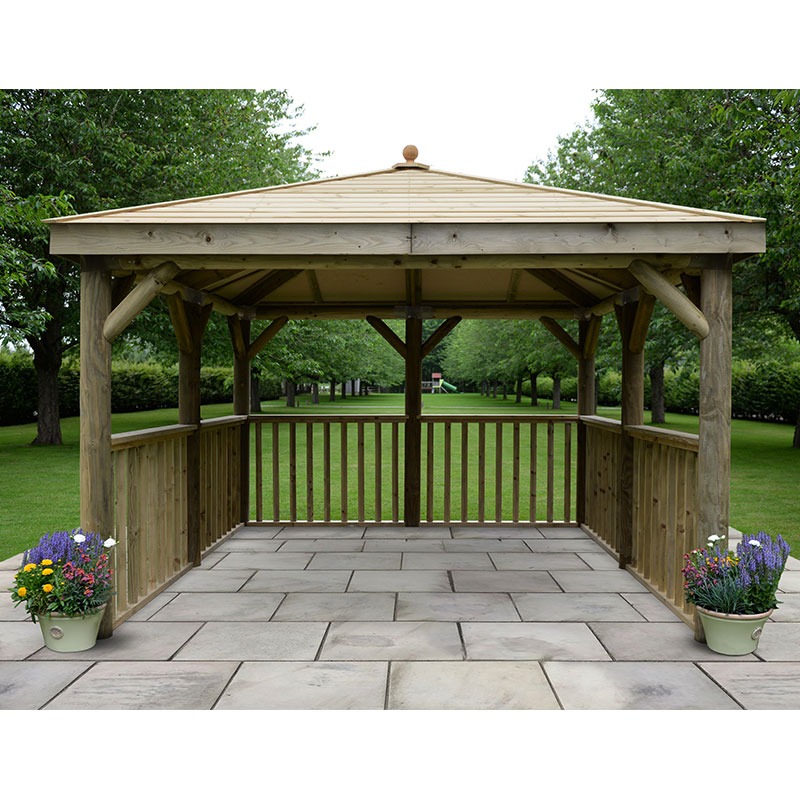
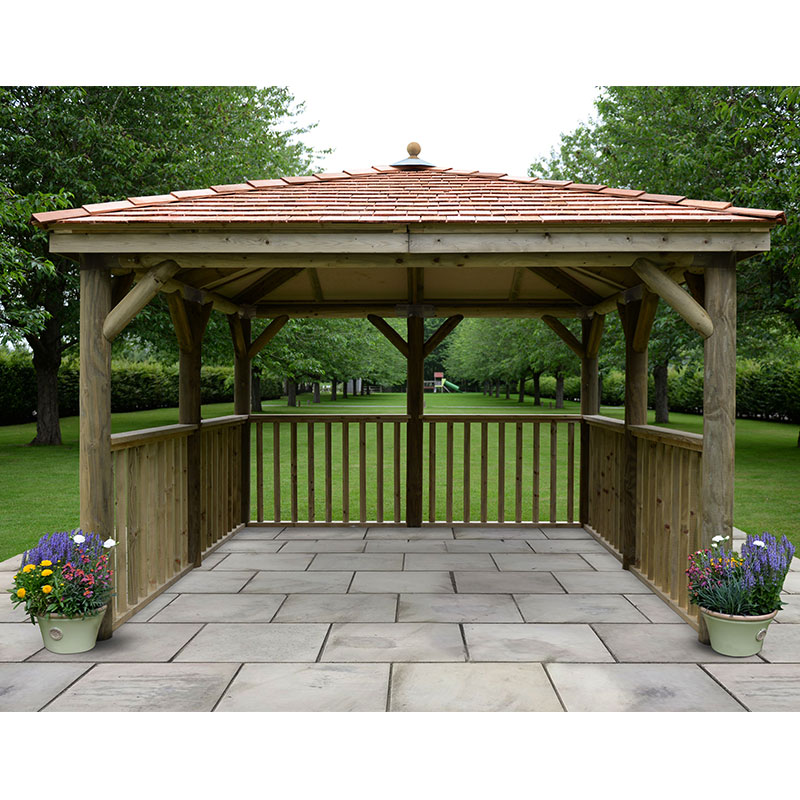
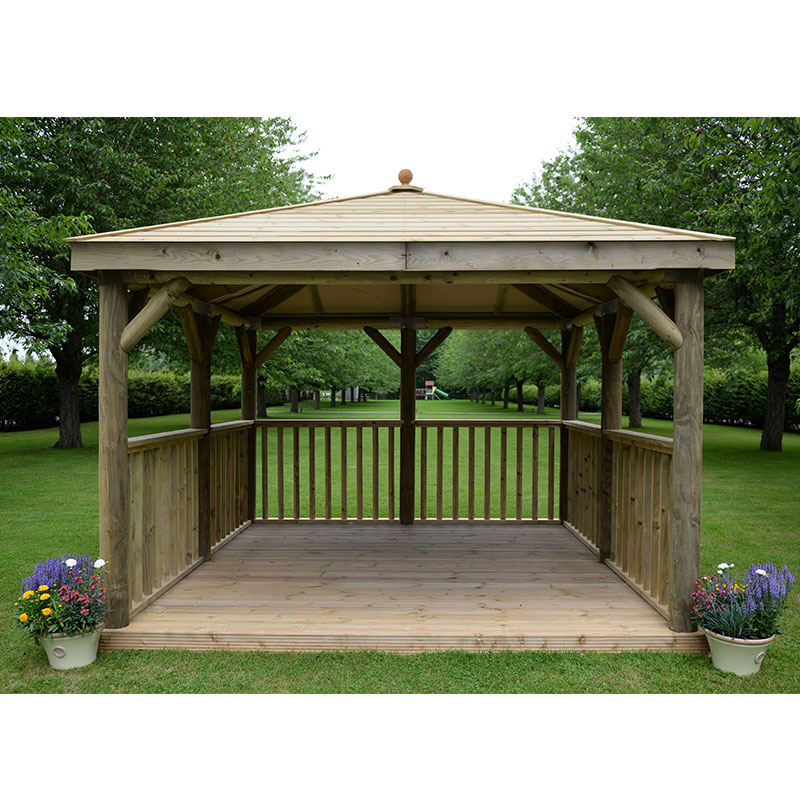
There are also temporary pop-up square gazebos and more permanent garden structures. Pop-up styles are useful for gatherings, market stalls, summer parties or flexible shade when you do not want a fixed feature taking up space all year. Permanent-style gazebos tend to have a stronger frame and a more deliberate presence in the garden. They can feel like an outdoor room, especially when paired with curtains or side walls.
Another important difference is roof shape. Although the base is square, the roof may be flat, peaked, hip-style or vented. A peaked roof can create a classic look and help rain run off neatly. A hip roof gives a more settled, substantial appearance. Flat designs can look crisp and modern, though the exact roof angle and drainage details are worth checking. Vented tops can improve airflow on still days, which is handy when the gazebo is used for dining or sitting for longer periods.
Frame materials that change the feel
The frame material has a big effect on both appearance and use. Wooden square gazebos bring warmth and a natural look, so they suit planting-heavy gardens, timber decking and country-style layouts. The grain and finish can soften the straight lines of the square shape. By contrast, powder-coated steel or aluminium frames give a sharper, more architectural edge. These materials can make the gazebo feel lighter or more technical in appearance, which works well in contemporary spaces.
There are practical differences too. Steel often feels solid and grounded, while aluminium is usually favoured where a lighter frame matters. Wood gives a more traditional garden character, though it also changes the look of the whole area in a way metal does not quite do. If your outdoor space already contains fencing, pergolas or furniture with certain finishes, the frame material can help the gazebo either blend in or stand out in a controlled way.
How square gazebos differ from other shapes
The square form has its own advantages when compared with round, hexagonal or octagonal gazebos. A round gazebo tends to feel softer and more decorative, often with a central focal point. Hexagonal and octagonal versions can offer a more classic pavilion style, but they may not sit as neatly with rectangular furniture or straight-edged paving. The square gazebo, by contrast, usually lines up more naturally with common garden layouts and storage space.
For entertaining, that difference can matter. A square gazebo can frame a dining area in a way that feels tidy and direct. It is easier to imagine a table centred under it, with clear paths around the sides. If your garden has narrow borders, a patio corner or a deck with fixed dimensions, the square version often feels less awkward. It is a shape that tends to make the most of the available footprint without forcing the rest of the garden to adapt too much.
Open, sided or fully enclosed: picking the right level of cover
The amount of side protection is one of the biggest choices. An open square gazebo gives the most flexible feeling. It works if the main aim is shade, a marked seating zone or a frame for lights and decorations. You can move in and out with ease, and the space remains connected to the rest of the garden. This makes sense when the gazebo is part of a social area rather than a closed room.
A sided gazebo changes the experience. Side panels can help reduce draughts and give a little more privacy from nearby homes or overlooking gardens. Some are made with windows, which let in light while softening the edges of the space. Others use plain panels for a more enclosed look. A fully enclosed style can feel much more sheltered and intimate, though it also looks more substantial in the garden, so the size and proportions need a bit of thought.
Roof details that are worth noticing
On square gazebos, the roof is not just a top cover; it often defines the whole character. A pagoda-inspired peak gives a more decorative silhouette, while a simple pitched roof feels straightforward and easy to read. Some roofs have overlapping tiers or a vent at the top, which can make the structure feel less heavy. This can be useful in a garden where you want cover without a bulky look.
Material matters here as well. Fabric roofs often suit temporary and seasonal use, while hard roof panels, depending on the design, give a more fixed outdoor-room feel. Buyers should think about what the gazebo will be used for most: a quick shade point, a regular dining shelter, or a feature that stays in place as part of the garden plan. The roof is often the part people notice first, even if they don’t mean to.
Sizes and layouts for different uses
Square gazebos come in a range of sizes, and the right one depends on what goes inside it. A smaller footprint may suit a bistro set, two chairs and a side table. Medium sizes can frame a lounge arrangement or a compact dining set. Larger square gazebos are useful when you want to host a bigger table, several seats, or a mix of seating and standing space for guests. The clean square line makes it easier to estimate how the furniture will sit.
One nice thing about the square layout is that it supports symmetry. If you like a centred arrangement, it is easier to place furniture, lighting and décor evenly. If your space already has straight lines from paving, decking or fencing, the square gazebo can feel like it belongs there without extra effort. That is one reason many buyers find the shape visually reassuring, even before they start measuring.
Best uses beyond simple shade
A square gazebo can do quite a lot. It can become a dining shelter for family meals, a place for drinks in the evening, a covered seating zone for reading or conversation, or a practical event cover for celebrations. The square footprint is especially handy when you want the area to feel organised. It creates a recognisable room outdoors, without needing full walls or a permanent building.
It also works well for buyers who want to create zones in the garden. A gazebo can help separate a dining space from a play area, or a quiet corner from a busier terrace. In that sense, the shape is not just decorative; it helps with layout. If your garden feels a little open or undefined, the structure can give it more purpose. That can make the whole space easier to use, not just nicer to look at.
What to look for before choosing one
When comparing square gazebos, start with frame strength, roof style, side options and footprint. Then think about how the square dimensions will sit with your existing outdoor furniture. A gazebo can look neat on paper and still feel off if the table is too large or the path around it is too tight. The square shape helps, but it is still worth measuring properly. A bit of extra room at the edges usually makes the setup feel more natural.
It is also worth checking whether the design leans more towards event use, leisure use or semi-permanent garden use. That affects how substantial the structure feels and how easy it is to adapt through the seasons. Buyers sometimes focus on appearance first, which is fair enough, but the best choice is usually the one where the shape, material and side arrangement all match the way the garden is actually used.
Little details that make a big difference
Small features often decide whether a square gazebo feels merely useful or genuinely suited to the space. Curtain tracks, side ties, mesh panels, central hooks and vented roof sections can all change how the gazebo functions day to day. Mesh panels can help keep the space feeling open while adding a bit of separation. Curtains create a softer look and can make the square shape feel less hard-edged. A central hook is handy if the gazebo is meant to take lighting or a hanging feature.
The finish matters too. A crisp black frame reads differently from a natural timber tone or a lighter metallic look. Even when the structure itself is simple, the finish can decide whether it feels casual, formal, rustic or modern. This is one of those areas where buyers often know what they like straight away, even if they cannot quite put it into words.
Choosing the right square gazebo for your garden
If you want clear lines, easy placement and a space that works with rectangular furniture, the square gazebo is a very practical option. It suits gardens that already have structure, but it can also bring shape to a softer layout. Open versions offer a breezier feel, sided designs add privacy and shelter, and different roof forms give each gazebo its own character. The main thing is to match the shape to the way you want to use the space.
For many buyers, that balance of form and function is what makes the square format appealing. It feels organised without being fussy, and useful without looking too technical. If you want a garden feature that helps define an area rather than just fill it, a square gazebo gives you plenty to work with. And, to be fair, it is one of the easier shapes to picture in a real garden before you even place the order.
- Open square gazebos suit shade, light seating and a more airy outdoor feel.
- Side-panelled versions add privacy and reduce draughts around the seating area.
- Permanent-style frames feel more like an outdoor room and need a clearer plan.
- Pop-up designs are useful when flexibility matters more than a fixed feature.
- Wood, steel and aluminium each give the square shape a different look and presence.
- Pitched, hip and vented roofs can change both the silhouette and the feel inside.
- Measured placement is important so the square footprint works well with furniture.