
wooden garden rooms 13x10 - Best Deals in UK!
Showing all 2 results
-
Palmako Andrea 3.9m x 3m Contemporary Log Cabin with Gazebo Sliding Doors (44mm) £7,749.00

-
Palmako Andrea 3.9m x 3m Double Glazed Contemporary Log Cabin with Gazebo Sliding Doors Plus (44mm) £8,989.00

Wooden garden rooms 13×10 give you a properly sized outdoor building with room for a studio, office, hobby space or quiet retreat, all in a timber finish that suits a garden.
A useful footprint that feels balanced
A 13×10 wooden garden room sits in that handy middle ground where the building is large enough to use in more than one way, but not so big that it dominates the plot. The 13×10 size can suit a long, narrow garden, a side return, or a corner where a square room would feel awkward. In practice, this shape often makes it easier to organise your interior into clear zones: a desk at one end, a sofa or armchair at the other, or one open working area with storage kept neatly along a wall.
Because the proportions are slightly rectangular, a 13×10 layout often feels more flexible than a compact square room. You can place furniture against the longer wall without crowding the centre, and the shape can help the room feel ordered rather than cramped. For buyers comparing different sizes, this is one of the key differences: the room is substantial enough for regular use, while still fitting comfortably in many domestic gardens.
Timber character with a practical edge
One of the main reasons people choose wooden garden rooms is the look. Timber has a softer feel than brick or metal, and it tends to sit more naturally among planting, fences and lawns. In a 13×10 garden room, that matters because the building is large enough to notice, so the finish needs to work visually as well as practically. A wooden exterior can make the space feel less like an outbuilding and more like part of the garden design.
Bestseller der Kategorie wooden garden rooms 13x10
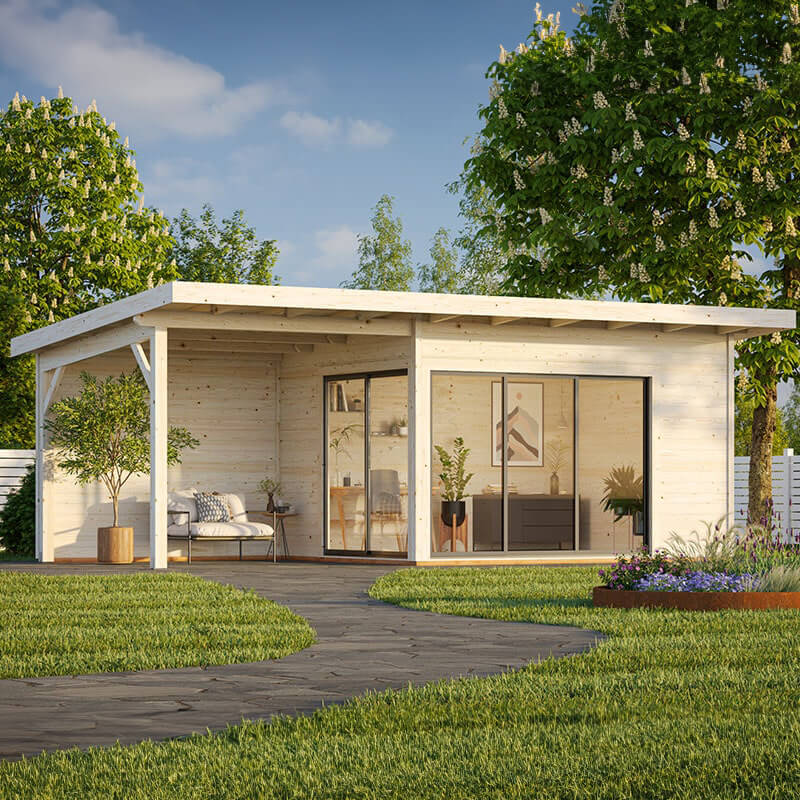
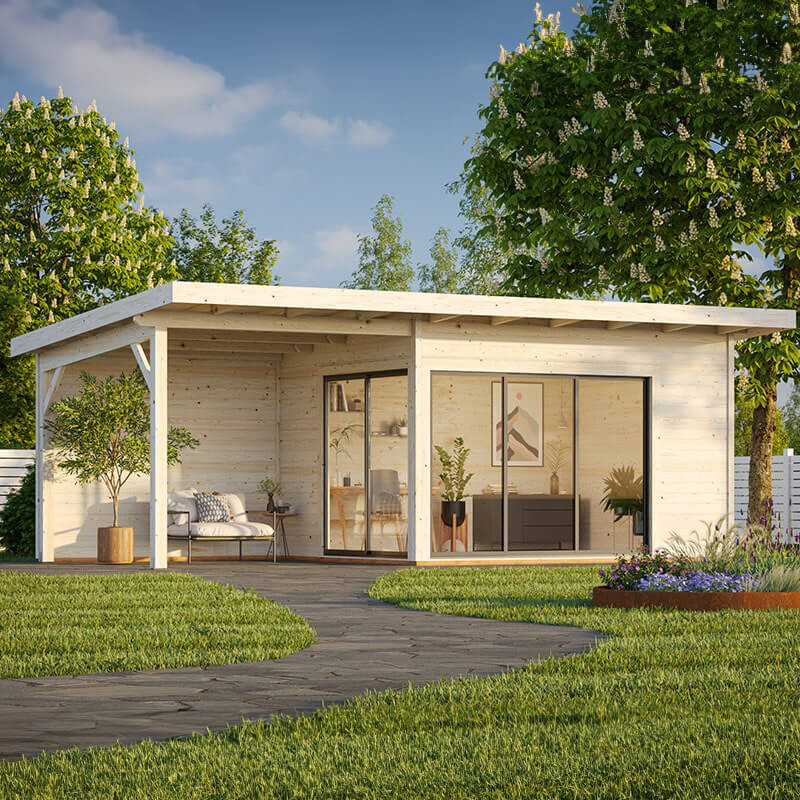
The appeal is not only visual. Wooden construction is often associated with a warmer, more inviting interior. That can be useful if the room is being used for longer sessions, whether that means working at a desk, painting, reading or simply spending time away from the main house. Buyers often look for that balance: a room that feels sturdy, but not harsh or overly industrial.
Different styles within the 13×10 category
There are several common subtypes of wooden garden rooms 13×10, and the right one depends on how you want to use the space.
- Fully enclosed garden rooms – a straightforward option for year-round use as a private room with solid walls and a proper interior feel.
- Garden offices – set up with a work-focused layout, often easier to furnish with a desk, shelving and cable routing.
- Studio-style rooms – a good fit for art, sewing, music practice or other hobbies that need a clear open floor area.
- Multi-use rooms – designed to combine work and leisure, for example a desk area at one side and seating at the other.
- Corner-led layouts – useful when the room is intended to sit neatly into an angled or less regular garden space.
Within those subtypes, details can vary quite a bit. Some wooden garden rooms have a more contemporary look with clean lines and larger glazing, while others lean into a traditional garden-building style with a more classic timber profile. That difference can affect not just appearance, but also how the room feels from inside: a lot of glass can make the space feel brighter and more open, while a more enclosed design gives a calmer and more private atmosphere.
Why this size works so well for real use
The 13×10 garden room size is attractive because it is more adaptable than many smaller units. A compact shed-style structure can be useful, but it often leaves you choosing between one function or another. With a 13×10 wooden room, there is usually enough space to separate activities without making the interior feel overcrowded.
That extra room can be a practical advantage in everyday life. You may want space for a larger desk, a proper chair, storage for files or materials, and still have movement space around them. If it is used for leisure, the same footprint can handle a two-seat arrangement, a bookcase, a side table and still leave the centre open. This makes the size a strong choice for buyers who do not want a building that feels temporary or squeezed together.
Another difference worth noting is the sense of proportion. In a smaller room, furniture can end up dominating the whole space. In a 13×10 wooden garden room, the room can keep its shape even when furnished, which helps it stay comfortable to use over time.
Glazing, openings and how they change the feel
The amount and style of glazing can alter the whole character of a wooden garden room. A design with wide windows or glazed doors usually feels lighter and more open, which is useful if the room is being used during the day for work, reading or creative tasks. More glass can also help the building feel connected to the rest of the garden, rather than separate from it.
By contrast, a room with smaller windows or a more enclosed front can offer greater privacy and a calmer atmosphere. That may suit anyone using the room as a study, a private hobby room, or somewhere to get away from household activity. Buyers often compare these options not just for appearance, but for the atmosphere they create. The difference is quite noticeable: a brighter glazed design feels open and social, while a more solid layout feels quieter and more contained.
Door style is another detail that matters. Double doors can make the room easier to furnish and can create a more open feel when the doors are in use. Single doors may suit a tighter site or a more compact access point. The right choice depends on the garden layout and the kind of use you have in mind.
Timber forms that suit different garden layouts
The 13×10 format can be arranged in a few useful ways, and each shape changes how the room sits in the garden.
- Rectangular footprint – often the easiest to furnish, with a clear long wall for desks, benches or shelving.
- More square-feeling layout – can work well if you want a central open area with the furniture spread more evenly.
- Lean-to style positioning – useful where the room needs to sit close to a boundary or make practical use of a side area.
- Corner-sited room – helps when the garden has a less regular shape and you want to keep the main lawn or patio open.
These differences sound small, but they can have a real effect on how easy the room is to use. A rectangular build can be easier to divide into sections, while a more square arrangement often gives a more balanced feel if the room is being used as a single-purpose space. Choosing the shape carefully is one of the simplest ways to make a wooden garden room 13×10 feel like it was made for the site, not just placed there.
Inside space that can work in more than one way
A lot of buyers like wooden garden rooms 13×10 because they are not locked into one use. The size can support a proper office setup, but it can also handle hobbies, guest overflow, reading space, a games area or a quiet retreat. That adaptability matters because needs change. A room built for work now may later become a family room or creative studio.
The internal volume also helps with comfort. A slightly larger garden room can feel less boxy, especially if the layout is kept simple. There is room to place furniture with a bit of breathing space around it, which tends to make the whole building more pleasant to spend time in. Even the difference between a narrow room and a more balanced 13×10 footprint can be felt straight away when you sit down inside it.
For buyers looking at competing sizes, this is one of the reasons 13×10 stands out: it gives you enough room to make the building useful in a genuine, everyday way, rather than only as occasional storage or a one-function cabin.
What to look at before choosing
When comparing wooden garden rooms in this size, a few details are worth checking closely. Not every building with the same footprint feels the same once you look at the internal arrangement. Window placement, door position and wall shape can all affect where furniture can go and how easy the space is to move around in.
- Door position – central doors give symmetry, while offset doors can free up a full wall for furniture.
- Window layout – important if you want daylight on a desk or a clear wall for shelving.
- Wall proportions – long walls work well for worktops, benches or storage.
- Headroom and ceiling feel – this changes how open the room feels, especially in a building used for long periods.
- Interior planning – think about where the main activity will happen first, then place secondary items around it.
It is also worth thinking about how the room will be approached from the garden. If the entrance sits in line with a path or patio, the room can feel more integrated into the outdoor space. If it is tucked away, it may feel more private. Both approaches have their place, but they create a different buying experience.
Practical tips for getting the most from the footprint
A 13×10 wooden garden room works best when the layout is planned with intention. Because the room is generous enough to do a lot, it can also become cluttered if the furniture is chosen without a clear idea of use. A simple approach often works well: decide what the room is really for, then let that lead the arrangement.
For a work setup, it helps to place the desk where light is useful but not distracting. For a hobby room, an open middle section can be more valuable than filling the walls with too much storage. For a leisure room, keeping one wall relatively clear can make the space feel calmer and easier to furnish. These small decisions can make the building feel better suited to everyday use.
Another useful point is to think about circulation. Even in a roomy 13×10 layout, furniture placed too close together can make the space feel smaller than it is. Leaving sensible gaps helps the room feel usable, especially if it needs to serve more than one purpose.
Why buyers keep coming back to wooden builds
There is a reason wooden garden rooms continue to appeal across different budgets and garden styles. Timber offers a familiar, grounded look that feels in keeping with outdoor space, while the building itself can be tailored to a variety of uses. In 13×10 form, that combination becomes especially attractive because the room feels substantial without being excessive.
Compared with lighter, more temporary-looking garden structures, a wooden room often feels more like a proper extension of the home. Compared with very large outbuildings, it is easier to fit into an ordinary domestic plot. That middle position is part of the appeal. It is a size that can support thoughtful use, while still leaving room around it for planting, paths or seating areas.
If you are looking for a garden building that offers space, timber character and flexibility in one tidy footprint, the wooden garden rooms 13×10 category gives you plenty to work with. It is a practical choice, but not a plain one, and that is often exactly what buyers want.
Choosing the right 13×10 room for the job
The best choice depends on how you picture the room being used day to day. If you want a dedicated work area, look for a layout that gives you a clean wall for a desk and sensible window placement. If it is more about hobbies or leisure, an open plan interior with a balanced feel may suit you better. If privacy matters, a more enclosed style can feel right. If daylight matters most, larger glazing may be the better fit.
That is the advantage of this category: wooden garden rooms 13×10 are broad enough to suit different lifestyles, but defined enough to make comparing options straightforward. Once the footprint is right, the rest often comes down to the details that shape the atmosphere of the room. And those details can make all the difference between a building that is simply there, and one that becomes a part of everyday life.
[Sassy_Social_Share]