
Summerhouses under £900 - Best Deals in UK!
Showing all 8 results
-
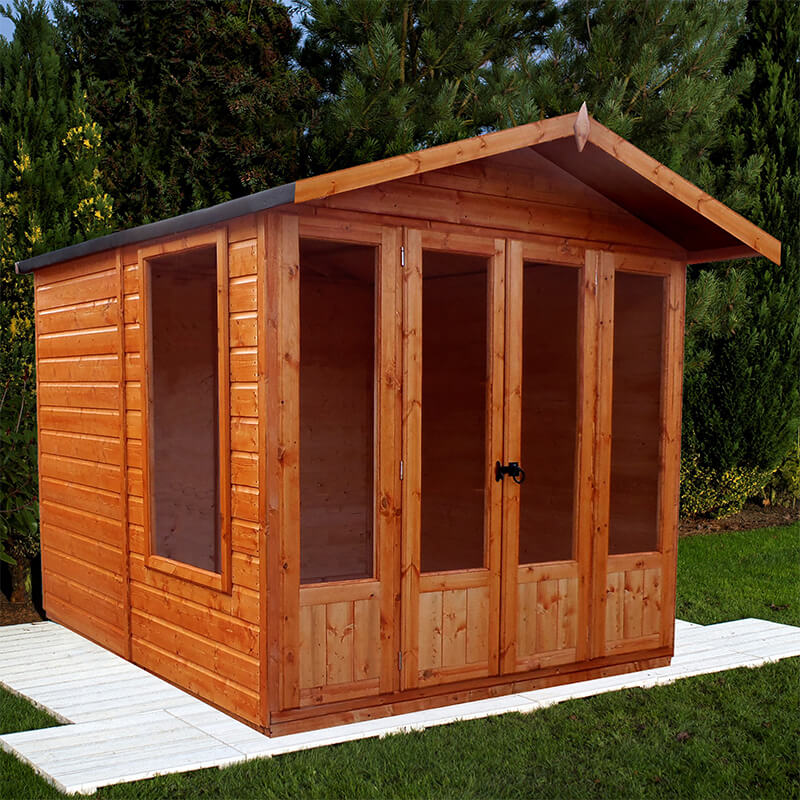
24% OFF: 10′ x 6′ Forest Beckwood 25yr Guarantee Double Door Pent Summer House (3.11m x 2.05m) £869.9924%

-
24% OFF: 7’3×7’11 Shire Parham Traditional Wooden Summer House £814.9924%

-
22% OFF: 7 x 7 Shire Hampton Garden Summerhouse £869.9922%

-
20% OFF: 7′ x 7′ Shire Barclay Corner Wooden Summerhouse (2.2×2.2m) £819.9920%

-
18% OFF: 7’1×7’11 Shire Chatsworth Traditional Wooden Summer House £869.9918%

-
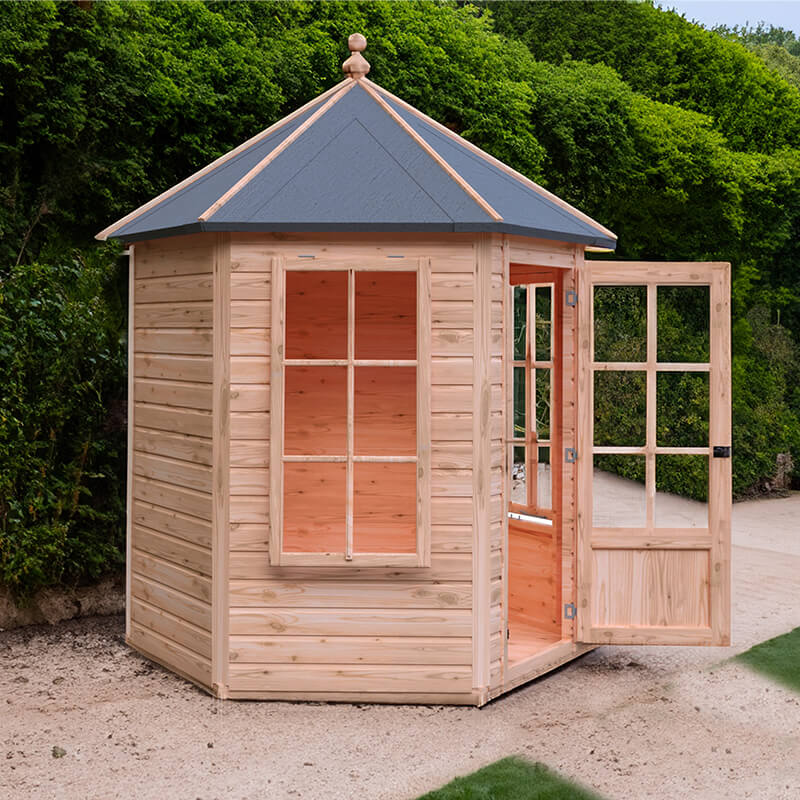
16% OFF: 7’1×6’2 Shire Traditional Gazebo Wooden Hexagonal Summer House £849.9916%

-
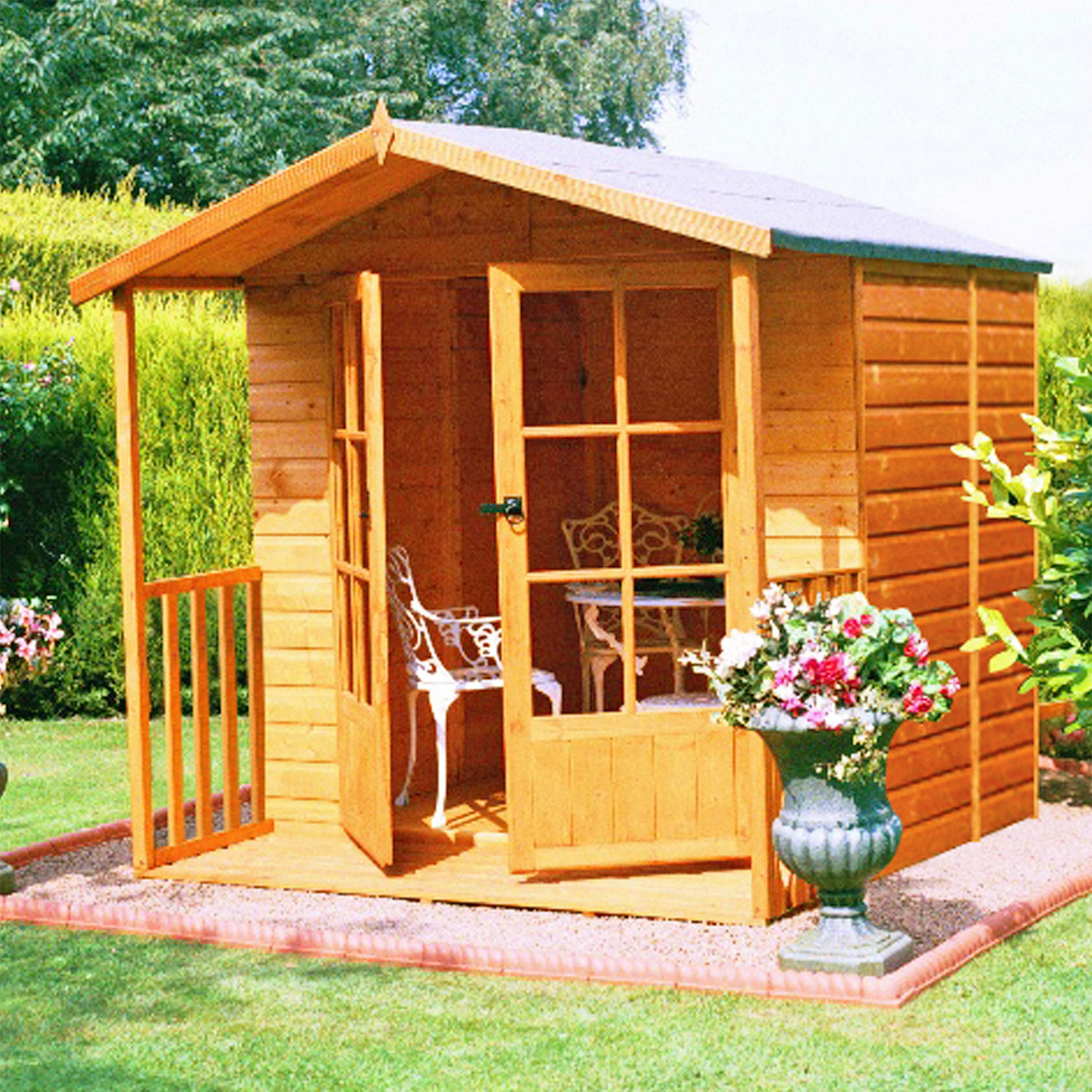
12% OFF: 6’6×7’1 Shire Alnwick Traditional Wooden Summer House With Veranda £852.9912%

-
12% OFF: 7’1×6’2 Shire Traditional Gazebo Wooden Hexagonal Summer House £890.9912%
Summerhouses under £900 offer a practical way to add a quiet corner, garden storage space or light-filled retreat, with timber and compact designs in pent, apex and corner styles.
Small Budget, Real Garden Presence
A summerhouse under £900 does not have to feel like a compromise. In this price range, you will often find designs that are sized for modest gardens, tighter patios or that awkward gap at the end of a lawn, but still give you a proper place to sit, read, work or just step away from the house for a bit. The key is knowing what shape and layout suits the space you already have, rather than trying to force in a bigger building that looks a bit off.
Most buyers looking at this budget are choosing between compact timber summerhouses, more minimal garden rooms with simple glazing, or lightweight buildings that focus on usable floor area rather than extra decorative details. That means you can get a neat structure without paying for features you may not need. It is a sensible range for someone wanting a defined garden feature, but not a full-scale outbuilding.
The Main Shapes: Which One Fits Where?
The shape of a summerhouse changes how it sits in the garden and how the inside feels. A pent summerhouse usually has a sloping roof with a clean, tidy profile that works well against a fence or boundary. It often feels more compact from the outside, which can be helpful if the garden is not huge. A apex summerhouse has a traditional pitched roof and tends to look a bit more like a classic garden building, with a stronger sense of height inside. If you want something that looks familiar and balanced, apex is often the easy choice.
Bestseller der Kategorie Summerhouses under £900
Corner summerhouses are made to tuck into an unused angle of the garden, which is a smart fix for layouts where a rectangular building would waste space. They can open up the centre of the garden while still giving you a proper room-like area. There are also more compact lean-to style options, though these are less about standing out and more about using a narrow run of ground efficiently.
Shape is not just about looks. It affects how the building sits in relation to sunlight, pathways and views from the house. A corner unit can feel private without blocking too much of the lawn. A pent roof can keep the profile low and neat. An apex design can feel more open because of the roof pitch. Small differences, but they matter once the building is in place.
Timber, Panels and the Feel of the Building
At this price, timber construction is common, and that gives the structure a warm, natural look that suits most gardens. Timber also tends to make the summerhouse feel less harsh than metal or plastic alternatives. It blends into planting and fencing better, which is often part of the appeal. Buyers who want the building to look like it belongs in the garden rather than sitting on top of it usually lean this way.
You may see differences in panel thickness, framing style and the way the walls are assembled. A lighter build can keep the price down and make installation easier, but a more solid frame often gives a steadier feel once it is assembled. In practical terms, that can affect how the doors close, how much light enters and how much the building feels like a proper little room. When comparing options, it helps to look at the detail in the wall panels and joins rather than just the headline size.
Glazing style also changes the character. Full-length windows create a brighter, more open space, while smaller glazed sections can make the building feel calmer and slightly more enclosed. Some budget summerhouses use a simple front-facing window layout to keep the design balanced, while others spread light around the side panels. If you want a reading spot, craft corner or afternoon tea area, extra daylight can matter more than decorative trim.
What You Gain Without Paying for the Unneeded Bits
One of the main benefits of summerhouses under £900 is that you can get a defined outdoor room without drifting into a higher spend. That makes it easier to justify the purchase if you want a specific use, such as somewhere to sit with a cup of tea, a place for a small table and two chairs, or a quiet zone away from the main house. The value is in the space itself, not in gimmicks.
These summerhouses can also help with zoning the garden. A small building gives structure to a larger plot and can make the layout feel more considered. In a compact garden, it can act as a focal point instead of adding clutter. In a more generous garden, it can create a destination point at the far end, which is useful if you want the space to feel used rather than just looked at.
Another benefit is choice. Even on a lower budget, there is usually a decent spread of sizes, roof lines and opening styles. That means you can compare what matters most to you: a brighter room, a tidier external shape, a corner footprint or a more traditional silhouette. You do not need a huge budget to make a decision that feels tailored to the garden.
Different Uses Need Different Layouts
Not every summerhouse is bought for the same reason, and that is where the smaller budget range can still be useful. If your main aim is to have a sheltered seating area, a model with broad windows and enough width for a compact bistro set may be enough. If you want something a little more enclosed, a design with a narrower front opening and less glazing can feel more private. It is all about how the interior will be used, not just how it looks from the lawn.
A single-door summerhouse often suits a simple relaxation setup. It keeps the frontage clean and can be easier to position in smaller gardens. A wider front opening can feel more inviting if you want the space to work like an outdoor sitting room. Some buyers prefer a layout that allows a chair to face outward, so the garden view becomes part of the appeal. Others want more wall space for a small table, bench or storage chest. The arrangement matters just as much as the footprint.
For those with a narrow garden, the difference between a standard rectangular building and a corner design can be significant. The corner option often leaves more open space for lawn or planting, which is useful if you do not want the building to dominate the plot. On the other hand, a rectangular model can be easier to furnish inside because the walls are straightforward. There is no single right answer, only the one that fits how you want to use it.
Looks That Match the Garden, Not Fight It
The visual style of a summerhouse can be quite different even when the budget is similar. Some have a more traditional garden-room look, with visible framing and classic glazing. Others lean towards a cleaner, simpler finish that sits quietly at the edge of the garden. If the rest of your outdoor space is full of planting and softer lines, a timber apex building may suit that setting well. If the garden is more modern or structured, a low-profile pent design can sit neatly without pulling focus.
Colour and finish can make a difference too, even if the structure itself is simple. Many buyers like a building that can be left looking natural, while others prefer one that echoes fence panels, sheds or nearby garden furniture. Keeping the visual tone consistent can help the whole space feel more thought through. That is often one of the easier ways to make a budget-friendly summerhouse feel like part of the garden scheme rather than an add-on.
Windows and doors also shape the impression from outside. A front-facing glazed centre gives a more open, inviting mood. Side windows can make the building feel less boxy from some angles. A corner summerhouse with wide glazing on two sides can look especially balanced in a tucked-away spot. Again, the best choice depends on where it will sit and what view you want from the house.
Buying Tips That Actually Help
When comparing summerhouses under £900, it helps to start with space, shape and intended use. Measure the available area carefully, then leave enough room around the building so it does not feel cramped against a fence or path. A model that seems small on paper may still take up more visual space than expected, especially if the roofline is tall or the windows are wide.
Look at the internal layout as well as the external measurements. A summerhouse with a similar footprint to another may still feel very different inside because of door position, window placement or roof pitch. If you want room for two chairs and a table, check that the usable interior shape will actually allow that without making the space awkward. Rectangular rooms are easier to furnish, but corner units can be more efficient in the garden.
It is also worth checking the balance between glazing and privacy. More glass means more light, but it can also make the building feel less secluded if neighbours or nearby paths are close. If privacy matters, a design with more solid wall space or smaller windows may be better. If the whole point is to enjoy the garden view, then larger windows are probably the better fit. The right answer depends on what you want to sit facing.
Pay attention to roof style too. A pent roof can look sleek and keep the structure low, while an apex roof usually gives a more classic outline and can add a sense of space inside. One is not better than the other; they just suit different settings. If your garden is compact, a lower profile can be helpful. If you want the building to feel more like a small room, a pitched roof may be more appealing.
What Sets Budget Summerhouses Apart
The differences in this category are often about proportion and detail rather than huge leaps in size. Some buildings prioritise a bright interior, with more glazing and open frontage. Others focus on a simple, enclosed feel that gives you more wall space. Some are made to fit tight plots, while others are better for more open lawns. The category is varied enough that you can still make a thoughtful choice without going beyond your budget.
Corner vs rectangular is one of the biggest practical decisions. Corner summerhouses tend to make better use of dead space and can open up the rest of the garden. Rectangular models are usually easier to arrange inside and can look more familiar as a standalone feature. Pent vs apex is another important comparison: pent is neat and understated, apex is more traditional and slightly more room-like in feel. Even among smaller budget models, these differences genuinely change how the building works day to day.
There is also the question of how much visual weight you want in the garden. A low, simple design can disappear into the background and let planting do the talking. A taller apex summerhouse can stand out a little more and act as a focal point. Neither approach is wrong. It depends whether you want the structure to lead the garden or support it.
A Space That Feels Worth Claiming
Buying a summerhouse in this range often comes down to wanting a space that is yours, without taking over the rest of the garden budget. That can be a very practical decision, but it also tends to feel more personal than buying a standard storage shed. A summerhouse suggests sitting, looking out, and making use of the garden in a slower way. Even a modest one can give that feeling.
If you are choosing between several, think about which design makes the garden feel better as a whole. The best fit is not always the largest or the most decorative. Sometimes it is the one that makes the plot easier to use, the view from the house more pleasing, and the interior easier to furnish. A good summerhouse should feel like it has a place there, rather than needing to be explained.
- Choose pent for a lower, tidier profile against a fence or boundary.
- Choose apex if you prefer a more traditional outline and a room-like feel.
- Choose corner when you want to use an awkward angle and free up lawn space.
- Look for stronger glazing if daylight is a priority for reading or relaxing.
- Check the interior layout before deciding, not just the outside dimensions.
- Match the shape to the garden so the building sits naturally, not squeezed in.
With the right shape and a sensible use of space, summerhouses under £900 can feel like a proper garden upgrade rather than a budget fallback. The details matter: roof line, footprint, window placement, and how the building relates to the rest of the plot. Once those line up, the result is usually a space that feels easy to use, easy to enjoy, and right for the garden it sits in.
[Sassy_Social_Share]