
Shed Treatment 35 sq ft / 3 m² - Best Deals in UK!
Showing 13–24 of 24 results
-
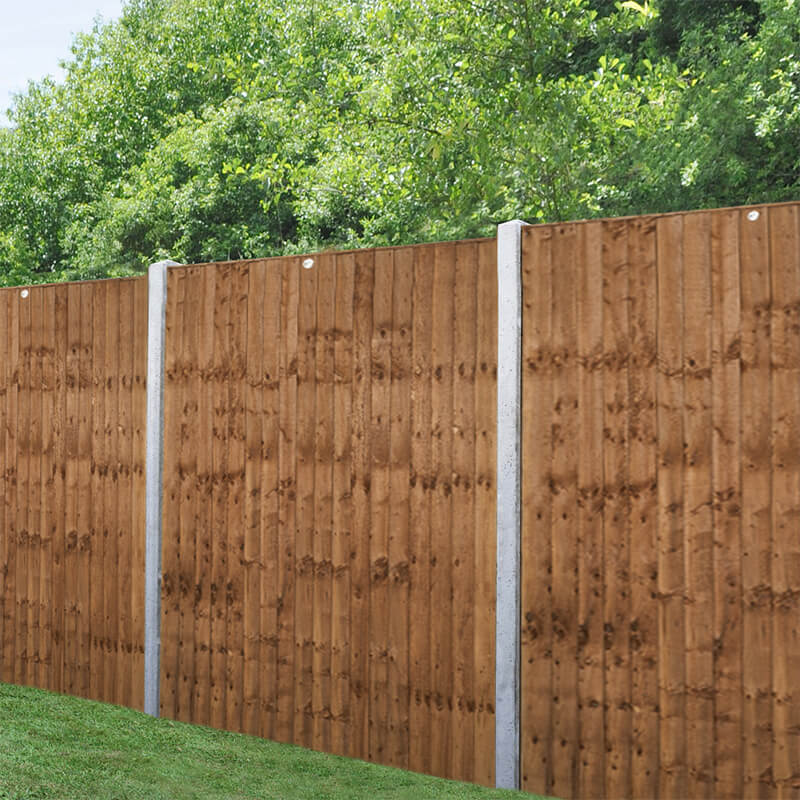
30% OFF: Forest 6′ x 6′ Brown Pressure Treated Vertical Closeboard Fence Panel (1.83m x 1.85m) £61.9930%

-
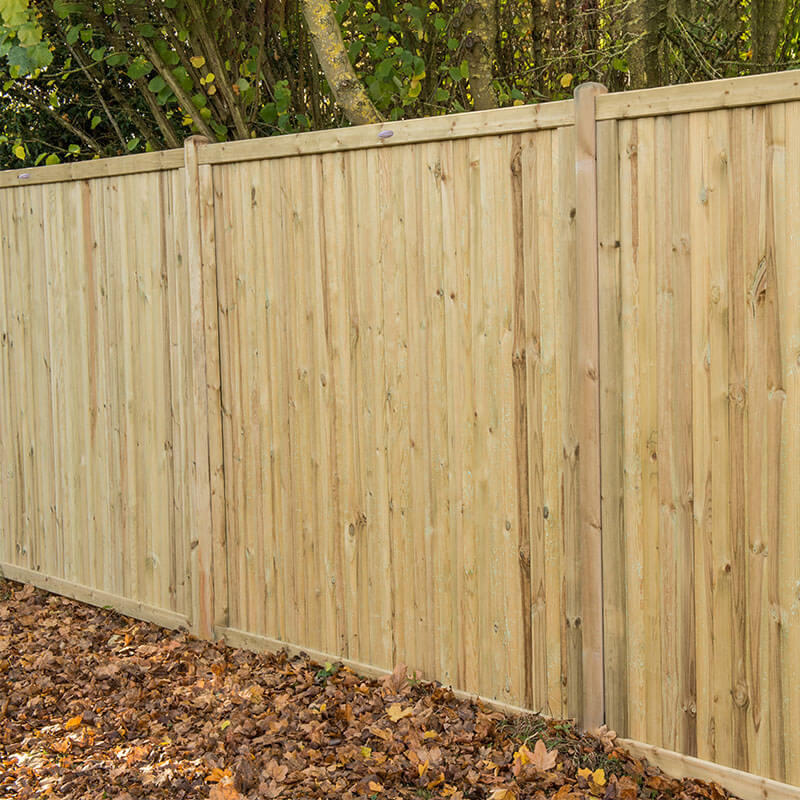
24% OFF: Forest 6′ x 6′ Vertical Closeboard Fence Panel (1.83m x 1.85m) £59.9924%

-
23% OFF: Forest 6’x6′ Pressure Treated Vertical Tongue and Groove Fence Panel (1.83m x 1.83m) £114.9923%

-
23% OFF: Forest 6′ x 6′ Pressure Treated Tongue and Groove Fence Panel (1.83m x 1.83m) £114.9923%

-
21% OFF: Forest 6′ x 5’6 Vertical Closeboard Fence Panel (1.83m x 1.69m) £58.9921%

-
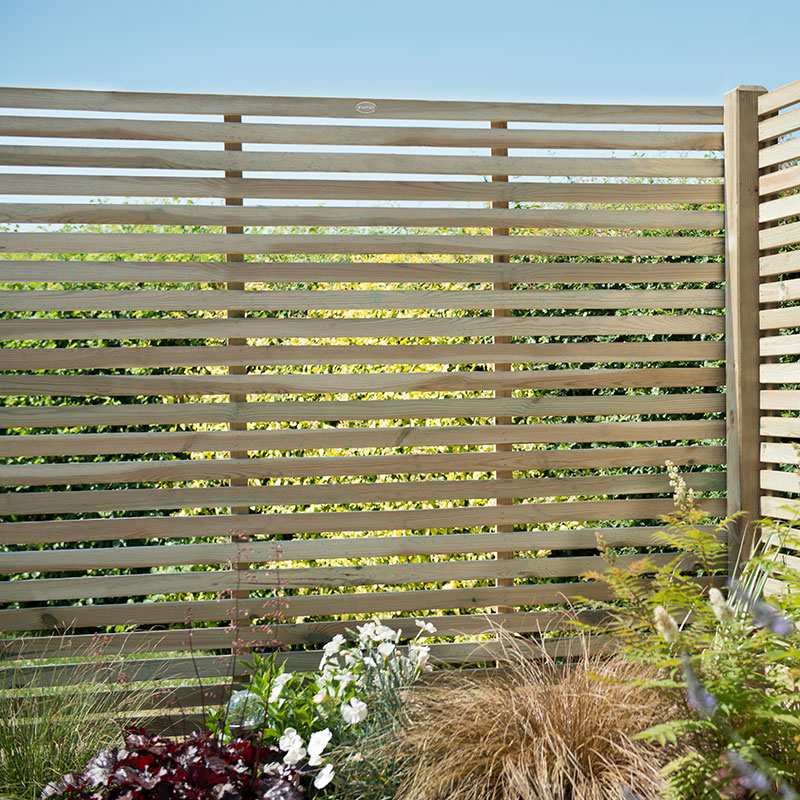
21% OFF: Forest 6′ x 6′ Pressure Treated Vertical Slatted Garden Screen Panel (1.8m x 1.8m) £124.9921%

-
15% OFF: 6′ x 6′ Shire Jailhouse Kids Wooden Playhouse (1.79m x 1.79m) £539.9915%

-
14% OFF: 6′ x 6′ Shire Den Kids Wooden Playhouse (1.79m x 1.79m) £684.9914%

-
12% OFF: Forest 6′ x 5’6 Brown Pressure Treated Super Lap Fence Panel (1.83m x 1.68m) £52.9912%

-
11% OFF: 6′ x 4′ Shire Hobby Kids Wooden Playhouse (1.79m x 1.79m) £388.9911%

-
6% OFF: 6′ x 4′ Shire Stork Kids Wooden Playhouse (1.69m x 1.7m) £503.996%

-
Forest 6′ x 5’6 Brown Pressure Treated Vertical Closeboard Fence Panel (1.83m x 1.69m) £77.99

Shed Treatment 35 sq ft / 3 m² covers compact-coverage wood protection for panels, cladding and small garden stores, with options for preservative, stain and weatherproof finish choices.
Small area, proper finish
When you only need to treat around 35 sq ft / 3 m², the job feels more exact than a full shed overhaul. This category is all about coverage that matches the build size, so you are not paying for more product than the surface asks for. It suits small sheds, compact bin stores, lean-to tool boxes and similar timber structures where the visible wood area is limited, but the finish still has to cope with rain, frost and sun.
The useful bit here is choice. A sheen treatment changes how the wood looks, a preservative treatment targets the timber itself, and a decorative treatment combines colour with protection. They are not the same thing, and that difference matters when you are trying to match existing cladding, refresh tired boards, or keep a natural grain showing through.
Which type suits your shed?
For this size, buyers usually compare a few main types. Each has its own look and behaviour on timber:
Bestseller der Kategorie Shed Treatment 35 sq ft / 3 m²
- Wood preservative — suited to raw or weathered timber where the aim is protection first. It is often the better pick if the shed has had bare patches, absorbent grain or old coating losses.
- Wood stain — adds colour while still letting the grain show. Good for people who want the shed to look tidier without hiding the timber character.
- Opaque shed treatment — gives a more solid colour effect. It can help with a more uniform appearance where the timber has patchy shades or repairs.
- Semi-transparent finish — sits between natural and solid, leaving some wood detail visible. Handy if you want a softer result than a full paint look.
- Clear treatment — chosen when the main aim is to keep the current wood tone as it is, though this usually means the timber’s own colour may still deepen over time.
These are not just style options. They affect how the surface ages, how much grain remains visible, and how obvious previous repairs will be. On a smaller shed area, that can make a surprising difference, because every board is more noticeable.
What 35 sq ft / 3 m² really means
This category is useful when the project is contained and you want the treatment amount to fit the area closely. A 35 sq ft / 3 m² shed treatment range is often relevant for:
- single-panel sheds or narrow side sections
- small timber stores with limited wall area
- repairs and patch treatment on one face of a shed
- fresh timber sections added to an older structure
- doors, trims and exposed boards that need a matched finish
That smaller coverage is also handy if you are not treating the whole build at once. Perhaps the south-facing side has taken more weather, or the bottom boards look different from the upper panels. In that case, buying within this area guide helps you avoid over-ordering and keeps the finish more consistent across a defined section.
Different looks, different outcomes
A shed treatment is not only about protection. It changes the whole read of the timber. The main visual differences are easy to spot once you know what to look for:
- Natural grain finish — keeps the timber character in view and suits sheds where the wood itself is part of the look.
- Tinted finish — introduces colour but still shows surface detail, which can soften uneven timber tones.
- Solid colour finish — gives a neater, more uniform appearance and can hide patchy wood better than a translucent product.
- Matte finish — more understated, less reflective, often chosen for a practical garden setting.
- Satin finish — sits between flat and shiny, so the shed looks a bit more dressed without seeming gloss-heavy.
There is no single right answer. A newer shed may look good with a clear or semi-transparent treatment, while older timber often benefits from a tinted or opaque option that makes mismatched boards feel more deliberate. If the structure has replaced planks or small repairs, a stronger colour can help blend those differences out.
Why size-matched treatment helps the result
Buying for a compact area gives you a more controlled result. You are less likely to end up with leftovers, and you can focus on getting a neat finish on the exact parts that need it. That matters with shed wood, because the eye is drawn to edges, joins and end grain.
There is also a practical side. A treatment selected for 3 m² coverage is easier to plan around on small structures with a few boards, a door face, or a boxed-in side section. It helps when you need to work around hinges, trims, latch areas and overlapping timber, where over-application can leave an uneven patchy look. The smaller scope also makes colour matching easier, especially if the shed already has a previous coating that has faded in a specific way.
How different shed surfaces take treatment
Not every timber surface behaves the same. On sheds, the structure usually includes a mix of board faces, cut edges, trims and sometimes rough-sawn sections. Each one accepts treatment in its own way:
- Planed boards tend to take product more evenly and can look smoother after application.
- Rough-sawn timber absorbs more and often needs a bit more attention at the texture level.
- End grain drinks in treatment fast and can look darker than the surrounding faces.
- Previous coating remnants may change the final tone and can cause slight variation from board to board.
- Knots and resin-rich areas may appear different after treatment, even when the rest of the timber is consistent.
That is why the finish type matters just as much as the coverage amount. A clear product might emphasise all the timber’s natural quirks, while a solid colour treatment can calm the whole surface down. On a 35 sq ft area, those details are more visible simply because the section is smaller and easier to inspect at a glance.
Choosing between protection and appearance
Some shed treatments lean more towards functional timber protection, while others are chosen mainly for the look. A preservative-style treatment is often used where the timber needs help resisting damp-related staining and general outdoor exposure. A stain or colour treatment is more about shaping the shed’s appearance, though many options also offer a protective role.
The difference is worth thinking about if you are matching the product to a specific shed. For example, a weathered summerhouse store or a tool shed in open ground may benefit from a treatment that prioritises timber defence. A neat garden box beside a path may be more about finish consistency and colour tone. Neither is wrong; they simply solve different problems.
Handy details buyers usually compare
When people look at shed treatment in this size range, they often compare the following features:
- Opacity — whether the wood grain remains visible or is mostly covered.
- Colour depth — how strong or soft the shade appears once on the timber.
- Surface feel — whether the final look is smooth, dry, matte or lightly lustred.
- Weather response — how the finish is intended to stand up to outdoor conditions.
- Coverage fit — whether the pack size matches the area closely without excess.
That last point sounds simple, but it is often the one that makes the purchase feel right. For a small shed, buying too much can be awkward; buying too little can leave you with a visible colour break if you need a second batch later. A 35 sq ft / 3 m² guide helps keep the job neat from start to finish.
Useful buying pointers for a cleaner result
A few small choices can make the finished shed look more intentional. First, decide whether you want the wood grain to stay part of the story. If yes, go for clear, semi-transparent or lightly tinted treatment. If not, choose opaque or solid colour coverage for a more even look.
Second, think about the existing shade on the shed. Old timber often carries a faded grey tone, while newer boards can look warm and pale. A treatment that works with those differences can make the whole build feel more settled. Third, consider the visible side of the shed. If only one face is prominent from the garden, that is where finish quality matters most, so a more refined product may be worth it.
Lastly, pay attention to how many components are in view. Doors, corner trims, fascia pieces and panel joins often break up the surface. A treatment that dries into a uniform tone can make these details look cleaner. It is a small thing, but on a compact shed you do notice it.
Where this category fits best
This category suits shoppers who already know the treatment area is small and want a focused answer, not a bulk-sized product. It works especially well for:
- small garden sheds with one or two treated faces
- replacement boards that need to match the rest of the timber
- door panels where colour and finish are easy to spot
- trim sections that frame the shed and need a neat edge
- compact outbuildings where every bit of coating shows
If your timber is part old, part new, or the structure has a few different board widths, a carefully chosen shed treatment can make the whole thing feel more joined up. That is one reason people often prefer smaller-coverage products for this size of task: the result looks more deliberate.
The final detail that makes it worth choosing
A shed treatment for 35 sq ft / 3 m² is a practical pick for precise jobs with visible impact. It lets you match the product to the shed’s real surface area, choose between protective, decorative and grain-showing finishes, and shape the final look without overcomplicating the task. Whether you want a softer natural tone, a more even colour, or a treatment that puts timber protection first, the category gives you a clear starting point.
For buyers comparing options, the best fit is usually the one that balances coverage, appearance and timber type. Small sheds may be modest in size, but the finish is still front and centre every time you look across the garden. Picking the right treatment makes that view feel tidier, more settled, and a bit less patchy – which is exactly what people tend to want from a shed, really.
[Sassy_Social_Share]