
Shed Treatment 30 sq ft / 3 m² - Best Deals in UK!
Showing all 11 results
-
43% OFF: Forest 6′ x 5′ Europa Plain Pressure Treated Decorative Fence Panel (1.8m x 1.5m) £61.9943%

-
41% OFF: Forest 6′ x 5′ Pressure Treated Contemporary Slatted Fence Panel (1.8m x 1.5m) £69.9941%

-
40% OFF: Forest 6′ x 5′ Kyoto Decorative Fence Panel (1.8m x 1.5m) £64.9940%

-
38% OFF: Forest 6′ x 5′ Pressure Treated Contemporary Double Slatted Fence Panel (1.8m x 1.51m) £92.9938%

-
36% OFF: Forest 6′ x 5′ Europa Plain Pressure Treated Decorative Fence Panel (1.8m x 1.5m) £69.9936%
-
34% OFF: Forest Large Ultima Wooden Garden Pergola Arch 8′ x 4′ £296.9934%

-
27% OFF: Forest 6′ x 5′ Kyoto Decorative Fence Panel (1.8m x 1.5m) £79.9927%
-
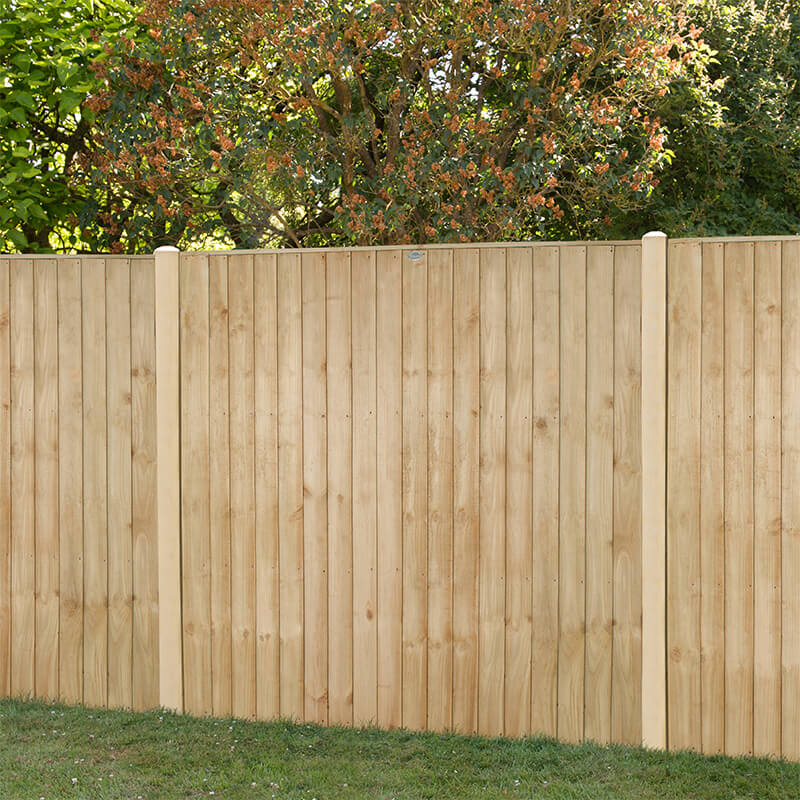
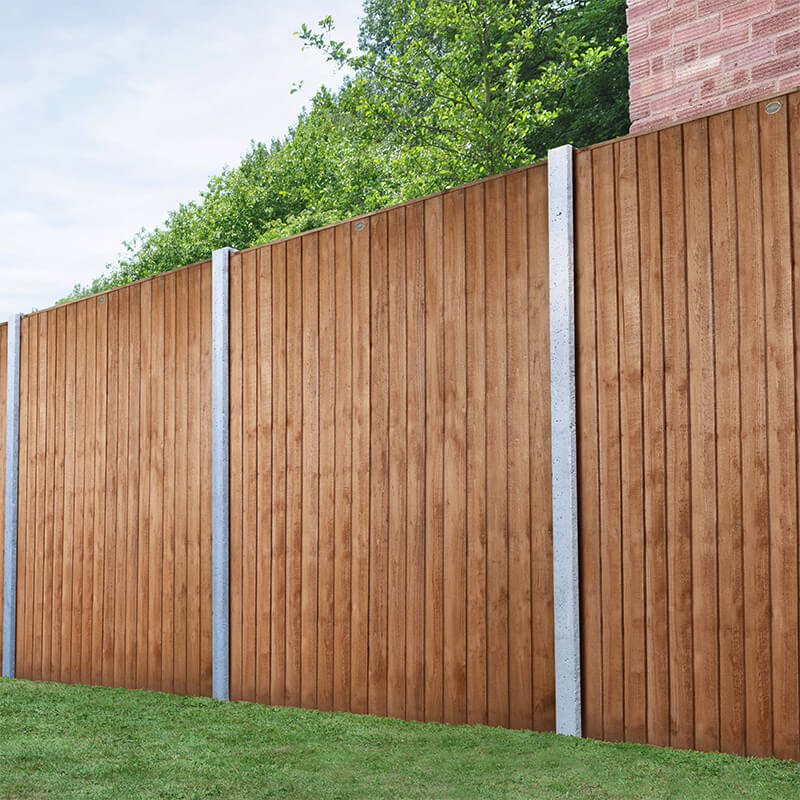
24% OFF: Forest 6′ x 5′ Pressure Treated Vertical Closeboard Fence Panel (1.83m x 1.52m) £59.9924%

-
20% OFF: Forest 6′ x 5′ Vertical Closeboard Fence Panel (1.83m x 1.52m) £54.9920%

-
18% OFF: 5’3×5’6 Shire Croft 2 Storey Kids Wooden Playhouse £739.9918%

-
6% OFF: 5’3×5’6 Shire Croft 2 Storey Kids Wooden Playhouse £843.996%
Shed treatment for 30 sq ft / 3 m² helps protect small timber sheds with the right finish, from clear wood preserver to tinted treatment and weather-resistant stains.
Built for a small shed, not a guessing game
When a project is sized at 30 sq ft / 3 m², the difference between buying the right treatment and overbuying shows up fast. This category is aimed at compact sheds, corner stores, bike shelters and modest timber panels where a full-sized tin would feel wasteful. The point is simple: match the coverage area to the shed, and pick a treatment that suits the timber, the look you want, and the kind of weather the shed faces.
Shed treatment is not just one thing. It can mean a clear preservative that lets the grain stay visible, a coloured stain that shifts the tone without hiding the wood, or a more opaque finish that gives a stronger decorative effect. For a small shed, these differences matter because every brushstroke is visible and every litre has to do a proper job.
The forms you’ll see, and what they do differently
In a category like this, the product type often matters more than the label on the front. The main forms tend to fall into a few practical groups:
Bestseller der Kategorie Shed Treatment 30 sq ft / 3 m²

- Clear wood preservers – made for people who want the natural timber look to stay front and centre. These are useful when the shed is already a decent colour or you simply prefer the grain to show.
- Tinted preservatives – similar protection, but with a light colour added. Handy when the wood has patches, sun fade, or a bit of mismatch between boards.
- Shed stains – designed to colour the timber while still letting texture show through. Good for giving a tired shed a neater, more deliberate finish.
- Opaque or semi-opaque coatings – these lean more towards colour coverage. They can help disguise mixed timber tones, repairs, and older panel joins.
- Primer-style treatments – used where the timber needs a base layer before a topcoat. Not every shed needs this, but on some bare or difficult surfaces it helps the finish sit better.
The difference is not only in colour. A clear treatment tends to keep the shed looking like wood, while a stain adds depth and a more finished appearance. More opaque products can hide flaws better, but they also change the character of the shed more noticeably. If you’re choosing for a small area, that visual difference is pretty obvious once it’s on the boards.
Why the 30 sq ft / 3 m² size changes the buying choice
With a smaller surface area, you can be more precise. A treatment that covers around 30 sq ft / 3 m² is useful for a single lean-to panel, a compact garden store, a small tool shed, or one wall section that needs attention. That size also makes it easier to choose a finish without worrying about large leftover quantities sitting around afterwards.
It also means you can focus on finish quality. On a big building, a slightly uneven result may disappear at a distance. On a compact shed, the eye catches everything: the colour shift at the corners, the brush marks near the door frame, the way the treatment settles on the end grain. Smaller area, yes, but sometimes more visible detail.
Clear, tinted, stained: the look changes more than you’d think
One of the main differences in shed treatment is how much of the timber you still want to see. A clear finish gives the most natural look, which suits newer wood, attractive grain, or simple garden designs where the shed should blend in. The trade-off is that marks, weathering, and uneven patches stay visible too.
Tinted treatment gives a middle ground. It softens the look of the shed and can help reduce the contrast between fresh cuts and older boards. It’s useful if the timber is slightly uneven in tone, or if you want a calmer look without fully covering the wood.
Stained treatment is the choice for people who want a clear colour direction: oak-like brown, muted grey, or something darker and more settled. On sheds, stain can make a modest structure feel more planned and less like a patchwork of panels. It also helps if you are trying to match nearby fencing, decking, or a garden structure already in place.
Protection that suits timber, not just decoration
Although colour matters, a shed treatment is mainly about the timber underneath. A good product should help with moisture resistance, weather exposure and the general wear that comes from outdoor use. Sheds often face damp ground air, rain splash, sun fade and changing temperatures all in one week. A treatment made for outdoor timber is there to help the boards cope with that cycle.
Different products offer different strengths. Some are aimed more at preservation, helping to protect bare timber. Others focus on finish and colour, with protection as part of the formula. Some do both in one. That is where reading the type carefully saves a lot of guesswork.
Which finish suits which shed?
Not every shed wants the same treatment. A compact workshop-style shed may suit a darker stain because it looks tidier beside tools and storage boxes. A small summerhouse shed or greenhouse-side store may look better in a lighter, clearer finish so it does not pull too much focus. A rougher utility shed, especially one with mixed boards or repairs, might benefit from a more opaque finish that creates a neater surface overall.
Think of the shed’s role first. If it is mostly about storage, a straightforward treatment with practical protection may be enough. If it sits in sight of a seating area, paving or planting, the visual tone becomes more important. That’s where a subtle tint or stain can make the shed feel like part of the garden rather than a separate object dropped into it.
Small-area coverage means careful finish, not extra product
With only 3 m² to cover, it’s tempting to think any tin will do. In practice, small coverage makes product spread and application style more noticeable. Too thick and the treatment can look heavy or patchy. Too thin and you may get an uneven tone, especially on absorbent timber or end grain.
It helps to look at whether the product is intended for one coat or multiple coats, and whether it is designed for new timber or previously treated wood. A smaller shed area often has mixed surfaces: one panel may be weathered, another newer, and the door frame may take product differently again. That is not a flaw; it’s just timber being timber.
Useful differences between treatment types at a glance
- Preserver – strongest on protection and timber prep, less about strong colour change.
- Stain – better if appearance matters and you want the grain to remain visible.
- Opaque treatment – best for disguising older boards, repairs and uneven tones.
- Tinted finish – a balanced option when you want some colour without fully covering the wood.
- Clear treatment – best for a natural look, but needs careful matching with the timber’s existing colour.
The bits buyers often notice too late
On a shed, the door edges, panel joints, corner posts and end grain usually drink up more treatment than the broad boards. That’s why a product that looks fine on the front panel can still leave the edges looking slightly dry if the application is rushed. Small sheds are particularly unforgiving here because the joins sit close to eye level.
Another point is sheen. Some treatments dry to a low sheen, others look flatter, and a few hold a little more surface reflection. A flatter finish tends to feel more traditional on sheds, while a slight sheen can make the timber look freshly treated and more deliberate. Neither is automatically better; it depends on the garden setting and the shed style.
Wood type and previous colour make a real difference
The same treatment can look quite different on pine, featheredge boards, planed timber or weathered softwood. Light-coloured timber usually takes stain in a more obvious way, while older greyed timber may hold onto the treatment less evenly at first. If the shed already has an old finish, the new treatment may interact with it rather than replace it cleanly. That can be useful if you want a layered effect, or annoying if you expected a fresh blank slate.
For buyers, this is where a product category with a few different forms helps. A clear preservative may be enough on decent timber. A tinted product can soften odd colouring. A stronger opaque finish can help if the shed panels are mismatched or have been repaired over time. The shed itself usually tells you which route makes sense, once you look closely.
Why colour choice is not just about style
Colour affects more than appearance. Darker finishes can make a shed feel visually smaller and more grounded. Lighter tones can keep the structure from looking heavy, especially in a small garden. Mid-browns and muted natural shades often work well because they sit comfortably beside planting, paving and fencing without shouting for attention.
Some treatments also help with tone correction. If the timber is uneven from sun exposure, one colour can bring it back into balance. If the shed has a mix of new and older boards, a slightly richer tint may reduce the contrast. That’s one of the quiet advantages of shed treatment in this size: a small amount of colour can change the whole feel of the building.
Practical tips before adding to basket
- Check the surface area carefully. 30 sq ft / 3 m² is small, but corners, trims and doors can change the amount needed.
- Match the finish to the timber. Clear for natural grain, stain for colour depth, opaque for patchier surfaces.
- Think about the shed’s position. Shadier spots and exposed spots usually need different treatment priorities.
- Look at the existing colour. Old weathering can shift the final result more than the tin suggests.
- Allow for edges and joins. Small sheds often need more care there than on the broad panels.
What makes this category useful for buyers
The value of a dedicated Shed Treatment 30 sq ft / 3 m² category is that it keeps the choice focused. Instead of sorting through larger products made for fences, decks or full-size outbuildings, buyers can look at treatments suited to compact timber projects. That helps when the priority is a neat result without too much spare product, and when the shed simply needs the right kind of finish rather than a broad renovation.
It also makes comparing types easier. You can line up clear, tinted, stained and more opaque options and decide what fits the shed you actually have, not the one on the label photo. That difference matters when the shed is small, visible, and part of the garden view every day.
A better finish for a compact garden structure
For a small shed, the right treatment does a few jobs at once: it helps the timber cope with the outdoors, it sets the colour direction, and it gives the structure a more settled look. Whether the aim is to keep the grain visible, soften a patchy surface or give the shed a more cohesive tone, the choice comes down to the finish type and how it suits the wood already there.
Coverage size, finish type, timber condition and desired colour are the main points to check. Get those lined up, and a 30 sq ft / 3 m² shed treatment becomes a neat, sensible purchase rather than a hopeful one.
[Sassy_Social_Share]