
polycarbonate greenhouses 170 sq ft / 16 m² - Best Deals in UK!
Showing the single result
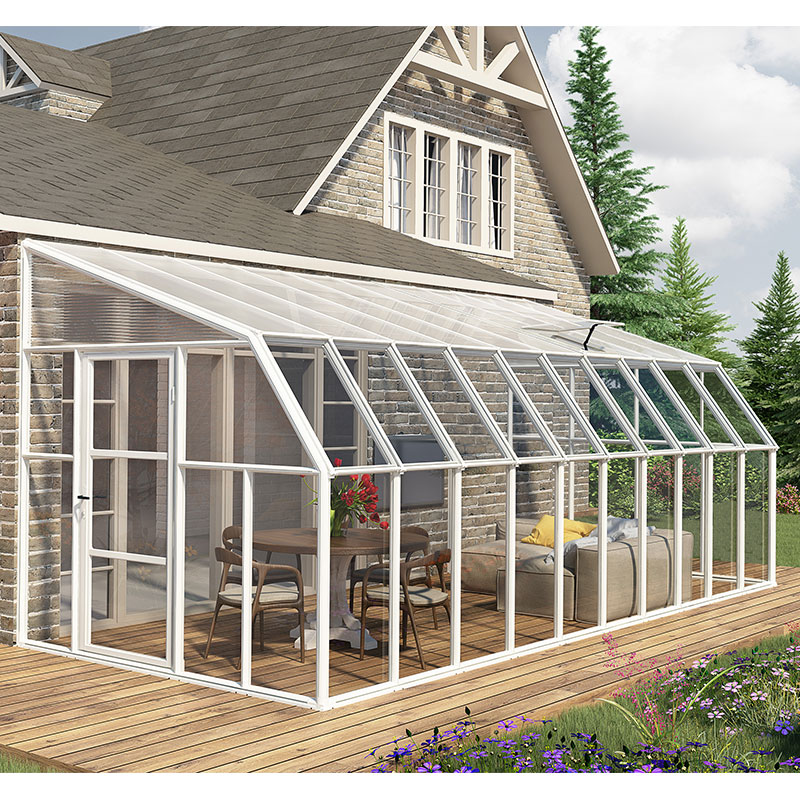
Polycarbonate greenhouses 170 sq ft / 16 m² offer a balanced growing space for tomatoes, salads, seedlings and taller crops, with light-diffusing panels, sturdy frames and practical layouts.
A useful middle ground for serious growing
A 170 sq ft / 16 m² polycarbonate greenhouse sits in that sweet spot where a garden feels grown-up, but not overwhelming. It gives enough room for a proper mix of raised beds, staging, hanging baskets and a clear central path, while still fitting into many medium gardens without taking over the whole plot. For many buyers, this size is the point where a greenhouse stops being a hobby corner and starts acting like a real growing space.
What makes this category stand out is the mix of capacity and control. You can separate seedlings from mature plants, keep taller crops out of the way of low trays, and still have space to move around without brushing every leaf. That sounds simple, but in practice it is what makes a 16 m² house feel easier to use than smaller units. It is roomy, but not so large that it turns into a project for the sake of it.
Why polycarbonate changes the experience
The main reason people choose polycarbonate greenhouses over glass is the panel structure. Polycarbonate diffuses light instead of throwing sharp beams through the house, which helps create a softer growing environment. That can be useful for young plants and for crops that do better without harsh direct sun bouncing off every surface. It also gives the greenhouse a more forgiving feel when the weather shifts quickly, which, to be fair, it often does.
Bestseller der Kategorie polycarbonate greenhouses 170 sq ft / 16 m²
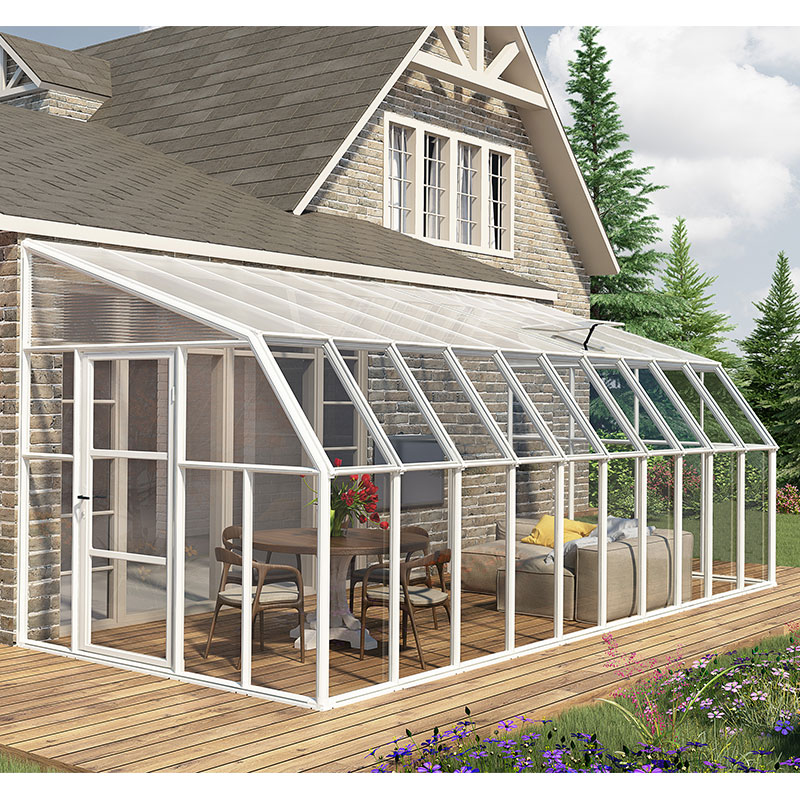
Another obvious draw is the impact resistance. Polycarbonate is generally better suited to gardens where windblown debris, footballs, pets or the odd accidental knock are part of everyday life. It is not a miracle material, but compared with traditional glazing it tends to feel more practical for buyers who want a greenhouse that is used, not just admired.
There is also the issue of weight. Polycarbonate panels are lighter than glass, which can make handling and installation less awkward. In a greenhouse around 170 sq ft / 16 m², that matters because the structure is already large enough to demand planning. Lighter panels can make the whole build feel a bit less demanding, while still giving a solid, enclosed growing space.
Shapes that change how the space works
The same footprint can behave quite differently depending on the greenhouse shape. In this category, the choice is not just about looks. It affects headroom, airflow, bench layout and how easy it is to stand, reach and store everything.
- Lean-to styles attach to a wall, which can suit a 16 m² space if the garden layout needs one side kept open. They often feel efficient and tidy, with the wall helping the greenhouse sit neatly into the site.
- Freestanding span greenhouses give more flexibility with access all round. In a 170 sq ft format, this can mean better circulation and easier planning for beds, shelving and a central aisle.
- Gothic arch forms offer a different internal feel. The roof curve can give better overhead clearance and shed rain nicely, while the look is softer than a boxy frame.
- Victorian-style profiles tend to use steeper roof lines and decorative framing. They may appeal where the greenhouse is part of the garden view, not just a tool for growing.
- Ridge-and-furrow or multi-span layouts are less common in smaller domestic gardens, but when they appear around this size, they are usually chosen for a more structured growing system with clear internal sections.
For a 16 m² footprint, the shape can make a bigger difference than many people expect. A house with generous roof height may be better for cordon tomatoes or climbing crops, while a lower profile can work well if the aim is mostly salad production, propagation and compact benching. It is really about what you want the room to do, not just how it looks from the gate.
Panel types and what they mean in daily use
When browsing polycarbonate greenhouses 170 sq ft / 16 m², the panel spec deserves a close look. The main choices are usually single-wall and multi-wall polycarbonate, and they behave differently enough to matter.
Single-wall polycarbonate is simpler and often lighter. It allows light through in a direct way and can be a practical choice where brightness matters and the structure itself is designed to handle the conditions. It is usually less insulating than thicker options, so it suits gardeners who value daylight and a straightforward build.
Double-wall or twin-wall polycarbonate has an internal air gap. That changes the feel of the greenhouse quite a lot, because the panels are less exposed to quick temperature swings. Many buyers like this for a 16 m² greenhouse as it can make the structure feel more stable in shoulder seasons. The light is still bright, but slightly more diffused. That can be a nice balance for mixed crops.
Multi-wall polycarbonate, sometimes seen in thicker panel formats, pushes that effect further. It can improve the sense of enclosure and reduce the “hard glare” feel some glazed houses have in midday sun. If the greenhouse is used for both growing and overwintering tender plants, this sort of panel can be a sensible choice. Not fancy, just useful.
Frame options that change the whole character
Just as the panels differ, the frame material makes a big difference to the final experience. Buyers in this size range often compare aluminium, galvanised steel and, in fewer cases, timber-framed construction.
Aluminium frames are common because they keep the structure relatively light and clean in appearance. They usually suit a modern or understated greenhouse style, and in a 16 m² format they can help the building feel visually neat rather than bulky.
Galvanised steel tends to appeal when rigidity is the priority. It can give the greenhouse a firmer, more substantial feel, which is useful where the house is a bit more exposed or where the buyer wants a stronger structural presence. It often reads as practical rather than decorative.
Timber-framed designs are less common in this exact category, but when they are offered they usually bring a warmer look and can suit gardens where the greenhouse should blend into planting rather than stand apart from it. The trade-off is that the buyer needs to check how the frame is engineered with the polycarbonate panels, because the overall quality of fit matters a great deal here.
What 16 m² actually gives you inside
A lot of people picture size in abstract terms, but 16 m² is large enough to organise the space properly. You are not just squeezing in a few trays. You can create distinct zones: one for propagation, one for fruiting crops, one for taller vines, and perhaps a strip for storage or potting. That sort of zoning makes a greenhouse feel much more usable.
In a 170 sq ft layout, the internal arrangement often matters more than the footprint itself. A good plan might include two side benches with a clear central walkway, or a long bench on one side with deeper growing beds on the other. Some gardeners prefer an open floor for large containers, while others want the space divided into neat runs. Both can work. The key point is that this size lets you choose, instead of being forced into one setup.
This is also the point where the greenhouse can support more than one type of use at once. Seed sowing, hardening off, potting, and cropping can all happen together without everything colliding. That flexibility is one of the quieter advantages of the category. It does not sound dramatic, but it makes day-to-day gardening easier and a bit less fiddly.
Benefits that show up beyond the brochure
There are obvious selling points for polycarbonate greenhouses, but the more interesting benefits are the ones that show up after the purchase. First, the diffused light can help reduce hot spots compared with clear glazing, which is handy when trays are packed closely together. Second, the material often feels more comfortable in mixed weather, especially if the greenhouse is used through spring and into autumn.
Then there is the issue of space efficiency. A 170 sq ft / 16 m² structure is large enough to justify proper shelving, staging and crop rotation, but not so large that every corner becomes hard to manage. You can build a working system without needing industrial levels of equipment. That matters to gardeners who want a practical house rather than a showpiece that is awkward to use.
Another benefit is the way polycarbonate can suit family gardens or busy plots. It is often the kind of greenhouse that feels less fragile in everyday life. If the garden is used by several people, or if the greenhouse is close to a path, patio or play area, that resilience can be a real selling point. It is not about overbuilding; it is about choosing a greenhouse that fits actual use.
Differences buyers should notice before choosing
Not every greenhouse in this category behaves the same, even if the size sounds identical. One of the main differences is panel thickness. Thicker panels usually provide a more insulated feel and a softer internal light level, while thinner panels can look cleaner and let in a bit more brightness. The right answer depends on whether the buyer prioritises glare reduction, warmth retention or cost.
Another difference is roof design. A steeper roof can help with headroom and rain runoff, while a more gradual roof may produce a lower exterior profile. In a 16 m² greenhouse, roof shape can alter how many tall plants you can comfortably place inside. If tomatoes, cucumbers or trained fruit are part of the plan, that extra vertical room is worth checking, not guessing.
Door style matters too. Sliding doors can save space, hinged doors can feel more traditional, and double doors may help when moving larger trays or bags of compost in and out. For a greenhouse of this size, access is not a minor point. It affects how pleasant the space feels when you are carrying anything with both hands, which, quite often, is most of the time.
Ventilation arrangements also vary. Some houses are fitted with roof vents, side vents, or both, and the number and position of these openings change how the interior feels. A 16 m² greenhouse benefits from sensible airflow because the space is big enough for microclimates to form, especially if the layout is heavily planted. Even without getting into maintenance, the ventilation layout influences what crops the house suits best.
Good matches for different growing plans
This category suits several kinds of buyer, and that is part of its appeal. A gardener focused on tomatoes, peppers and cucumbers may like the room for taller growth and bench space for early sowings. Someone growing mainly salads, herbs and plug plants may value the way the footprint can be divided into neat, efficient sections. A mixed-use gardener may simply want one structure that can do a bit of everything without feeling cramped.
For buyers interested in more structured growing, 16 m² is enough to support dedicated propagation zones. That means a warm corner for germination, a brighter area for hardening off, and enough space to move batches as they develop. If the goal is to raise plants for beds, borders or allotment use, that kind of layout is very practical. It gives the greenhouse a purpose beyond just housing a few pots.
It is also a sensible size for gardeners who want to try season extension without jumping to a much larger commercial-style building. You can start earlier, finish later, and keep more varieties going at once. The category is not only about growing more; it is about growing with a bit more control and less crowding. That difference is often what buyers remember after the first season.
Small details that make a big buying decision
When comparing options, it helps to look at the practical details rather than only the marketing wording. Check whether the internal layout allows for a walkway that feels usable, not just technically present. Look at whether the side walls are tall enough for the crops you want. Notice whether the roof pitch suits your headroom needs. These are the little things that shape how the greenhouse will feel every week.
Also think about how the greenhouse will sit in the garden. In a 170 sq ft / 16 m² size, placement matters because the structure is large enough to influence the whole view. A lean-to may tuck in neatly beside a wall, while a freestanding arch or apex design may act more like a feature in its own right. Neither is better across the board; they simply suit different plots and different ideas of what a greenhouse should do.
One last point: a polycarbonate greenhouse in this size category is often chosen by people who want to get the most from their space without overcomplicating the purchase. That is a sensible instinct. The best choice is usually the one that fits your crops, your garden, and your routine. In other words, the greenhouse should make growing easier to think about, not harder.
A category that earns its place in the garden
For many buyers, polycarbonate greenhouses 170 sq ft / 16 m² offer the right mix of scale, strength and usability. They are large enough for a serious setup, but still manageable in a normal garden. They can be styled as sleek, practical, decorative or plainly functional, depending on the frame and shape. Most importantly, they give the grower room to organise plants properly, instead of making every tray fight for space.
If you are comparing greenhouse types, this category is worth a close look because it does not force an extreme choice. It gives you usable space, light diffusion, decent resilience and flexible layout options in one size that suits a wide range of gardens. That combination is exactly why so many people come back to this footprint when they want a greenhouse that feels like it will actually get used.
[Sassy_Social_Share]