
Greenhouses 170 sq ft / 16 m² - Best Deals in UK!
Showing the single result
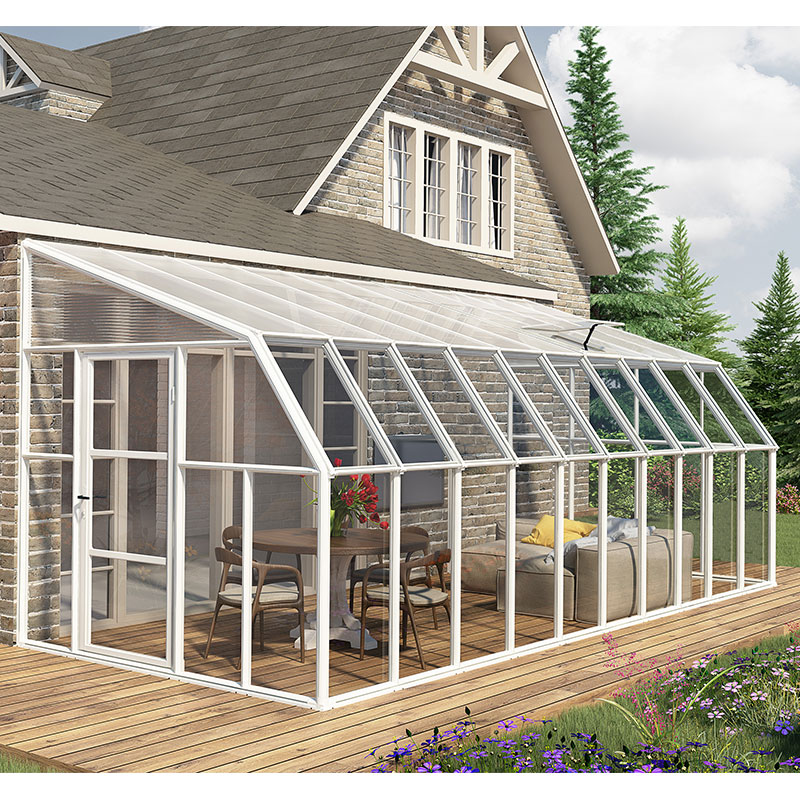
Greenhouses 170 sq ft / 16 m² offer a practical balance of growing room and garden footprint, with enough space for crops, staging and movement without taking over the plot.
A sensible size that does more than it looks
A 170 sq ft / 16 m² greenhouse sits in that useful middle ground where a hobby grower can do proper work, but the structure still feels manageable in a domestic garden. It is large enough for a mix of seed starting, tender plants, tomatoes, cucumbers, peppers and overwintering pots, yet compact enough to fit on many standard plots without turning the whole garden into glass and aluminium. That makes this size appealing for buyers who want a step up from a small lean-to or mini house, but do not need a full commercial build.
The real appeal is how this footprint changes the way space is used. With around 16 m², you can create clear zones: one side for propagation trays, one side for taller crops, and a narrow central run for access. That means less shuffling things about every time a tray needs room. It is a greenhouse size that rewards planning, but does not demand obsession.
Shapes that change the feel inside
Within the 170 sq ft / 16 m² category, shape matters just as much as area. A greenhouse can have the same floor size and still feel very different depending on its layout.
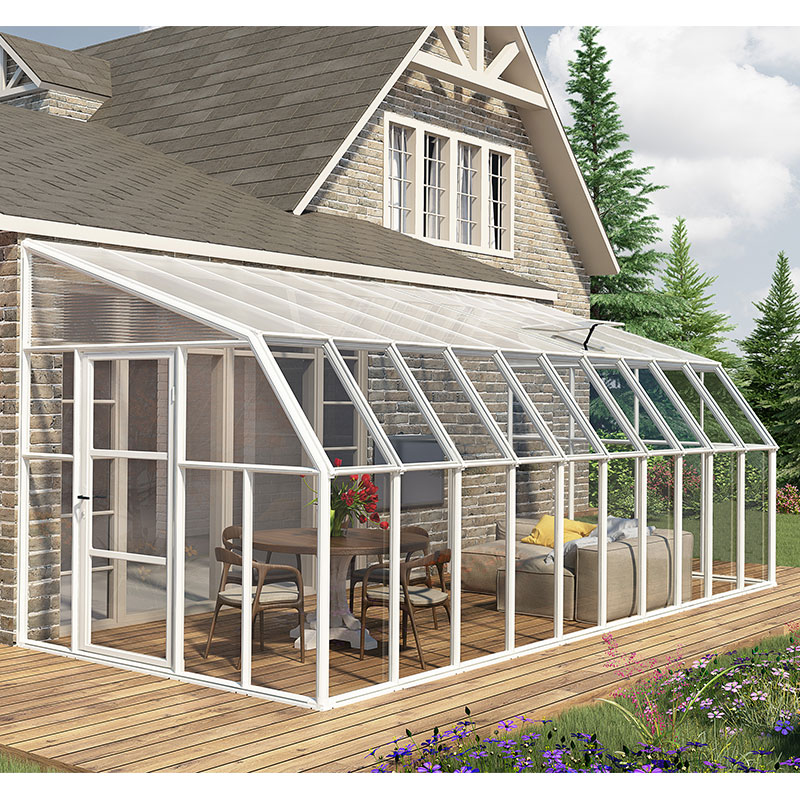
Bestseller der Kategorie Greenhouses 170 sq ft / 16 m²
- Gable-end greenhouses give a classic peaked roof and a familiar, straight-walled interior. They are easy to understand and usually make shelving and staging simple.
- Lean-to greenhouses attach to a wall and can be a smart choice where garden width is tight. They often work well for smaller courtyards or side plots, though the usable layout is more restricted than a freestanding house.
- Octagonal or polygonal greenhouses create a more decorative look and can bring light in from several angles. The shape may feel airy, though the internal arrangement can be a bit less straightforward for long rows of pots.
- Tunnel-style greenhouses tend to make the best use of growing length and can feel roomy inside for their footprint. They suit growers who want practical crop space more than decorative lines.
- Raised or taller profiles help with hanging space and air volume, which can matter if you are growing climbing crops or using tall staging.
The choice of shape affects not only appearance but also the way you move through the structure, how many shelves can fit, and where taller plants can go. A buyer looking at this size should think less about the brochure image and more about what actually needs to stand inside it.
Freestanding, lean-to, and the in-between feeling
Freestanding greenhouses in this size are usually the most flexible. They can be sited where light is best, rather than where a wall happens to be available. That freedom makes a real difference if the garden has awkward corners, mature trees, or changing sun patterns through the day. They also tend to suit growers who want access from all sides or who plan to use the house for mixed crops and display.
Lean-to greenhouses offer a different kind of practicality. They use an existing wall for shelter, which can help the structure feel tucked in and can make the available space feel more organised. In a 170 sq ft / 16 m² format, a lean-to can be particularly useful when the garden is narrow but long, though buyers should accept that the layout is more one-sided. The wall side can be excellent for benches, while the open side needs thoughtful aisle space.
For some buyers, the decision comes down to whether they want a greenhouse to stand as a feature, or to work quietly as part of the house or boundary. Both approaches can be right. It depends on whether the priority is maximum flexibility or space efficiency.
What fits inside 16 m² without feeling crowded
The attraction of this size is that it can hold a proper working arrangement. Not every greenhouse can do that. In a 170 sq ft greenhouse, the interior can often support a mix of:
- seed trays and propagation modules
- potting benches or staging
- tomato bags or container crops
- hanging baskets or trailing plants
- overwintering tender plants
- room to walk between the main growing areas
That last point matters more than people think. A greenhouse can seem generous on paper, but the moment trays are stacked on the floor and tools are spread about, the usable area drops quickly. In 16 m², there is usually enough room to avoid that cluttered feeling if the layout is considered from the start. This is where buyers get the benefit of size without having to move up to a much larger build.
The quiet difference between glazing types
Glazing choice shapes the character of a greenhouse almost as much as its frame. In this category, buyers often compare glass and polycarbonate, and sometimes do not realise how differently they behave.
Horticultural glass gives a very traditional greenhouse feel. It looks clear, crisp, and familiar, with a sharp visual finish that many people want in a garden setting. It also works well when visibility matters, because plants are easy to inspect from outside. The downside is simply that it has a more delicate reputation, so some buyers prefer other options where impact resistance is a concern.
Polycarbonate glazing usually brings a more contemporary, practical character. It can help soften bright sun and often feels a bit more forgiving in everyday use. For a 170 sq ft greenhouse, that can be useful if the structure is exposed or if the garden gets strong light for much of the day. The look is less traditional, though, and some people prefer the sharper feel of glass.
The difference is not just technical. It affects how the greenhouse appears in the garden, how much light seems to pass through, and whether the space feels classic or more workmanlike. For some buyers, that visual point is just as important as the growing one.
Roof lines, headroom, and why they matter
In a greenhouse this size, roof shape can change the whole experience inside. A ridge-and-furrow profile, a steep gable, or a gentler tunnel curve all influence how much headroom there is for tall crops and how comfortable the space feels when standing and moving about. If you plan to grow cucumbers, cordon tomatoes, cordyline, or hanging baskets, extra vertical room is not a nice extra; it is part of whether the house works.
A taller roof also gives the impression of breathing space. In a 16 m² greenhouse, that can stop the interior feeling compressed once staging is added. A lower roof, by contrast, may suit a more sheltered site or a buyer who wants a greenhouse that blends in visually, though there is a trade-off in usable height. This is one of those differences that only becomes obvious once the structure is actually in use.
Access and layout: a greenhouse that works with you
Entrance position and internal layout are often overlooked until the greenhouse is full. In a 170 sq ft / 16 m² greenhouse, a well-placed door can make a noticeable difference. A central opening can work well in a freestanding model, while an end door may suit long runs of staging or rows of pots. Some buyers prefer wider access because it makes it easier to bring in compost bags, trays, and larger containers without awkward twisting.
It also helps to think about how the space will be divided. A straight central path gives an orderly feel and works well for symmetrical layouts. A side aisle can free up more growing area along one wall. In some polygonal houses, the space naturally becomes more radial, with benches arranged around the perimeter. That can be attractive, though not every crop arrangement suits it.
Small details such as a threshold, door swing, or the position of a bench can make the difference between a greenhouse that feels easy to use and one that feels slightly awkward each time you enter. These are not glamorous points, but they are the sort that shape day-to-day satisfaction.
Why this size often feels like the turning point
Many growers start with a smaller structure and then realise the real limitation is not the number of plants, but the lack of separation between tasks. A 16 m² greenhouse often solves that problem. It gives enough space to keep seedlings away from mature plants, or to keep display pots separate from crop rows. That sort of separation matters because it makes the greenhouse behave more like a small working environment and less like a crowded storage corner.
The size is also useful for people who want to grow several crop types at once. You might have one area for early spring sowing, another for summer fruiting plants, and a quieter corner for frost-sensitive specimens. That gives the buyer more flexibility across the year, even if the request is not specifically about maintenance. In other words, it opens up choices rather than forcing a single planting style.
Practical tips for choosing the right 170 sq ft greenhouse
When comparing models in this category, it helps to focus on the details that affect use rather than just the dimensions on the label. A greenhouse of 170 sq ft / 16 m² can still feel quite different depending on the frame, roof pitch, and access points.
- Check whether the internal height suits tall crops and hanging plants, not just standard trays.
- Look at the shape of the walls; straight sides usually make staging easier than sloping edges.
- Consider whether you need a freestanding layout for flexibility or a lean-to design for a tighter garden footprint.
- Think about glazing appearance as well as function, since the greenhouse will be part of the garden view.
- Make sure the door position suits the way you move plants and equipment in and out.
- Allow for enough working aisle space; if the path is too narrow, the greenhouse becomes harder to use, even if the floor area sounds generous.
These points sound basic, but they are the ones that usually separate a good fit from a compromise. Buyers often regret buying purely on footprint and not on how the house will be arranged once it is full of plants, trays and the odd bag of compost.
The kind of purchase that keeps options open
A greenhouse in this category suits buyers who want a structure that can shift with the seasons and with their growing ambitions. One year it might be used mainly for seedlings and tomatoes; another year it may hold citrus in pots, edible climbers, and a deeper bench of overwintering plants. That flexibility is one reason greenhouses 170 sq ft / 16 m² stay in demand.
They also tend to appeal to people who want the garden to look intentional. A well-chosen greenhouse can become a clear feature rather than a leftover purchase. Glass, frame lines, roof shape, and proportions all contribute to that impression. It is not just about growing space. It is about having a structure that looks like it belongs there and does the job properly, without needing to dominate the rest of the plot.
What makes this category worth a closer look
If you are comparing greenhouse sizes, the 170 sq ft / 16 m² bracket is often where things start to feel properly usable. It gives enough room for multiple growing zones, enough height for more ambitious crops, and enough flexibility to choose between traditional glass, practical polycarbonate, freestanding or lean-to formats. That mix of choice is what makes the category attractive.
It is also a size that can grow with the gardener. Not literally, of course, but in the sense that a first-time greenhouse owner can use it simply, while a more experienced grower can turn the same floor area into a much more organised setup. That is a useful trait. It means the structure does not become outdated the moment your planting plans become more serious.
For anyone looking for a balance of space, usability, and garden-friendly proportions, this category offers a very sensible place to start. And sometimes sensible is exactly what leads to the best use.
[Sassy_Social_Share]