
metal gazebos 325 sq ft / 30 m² - Best Deals in UK!
Showing all 2 results
-
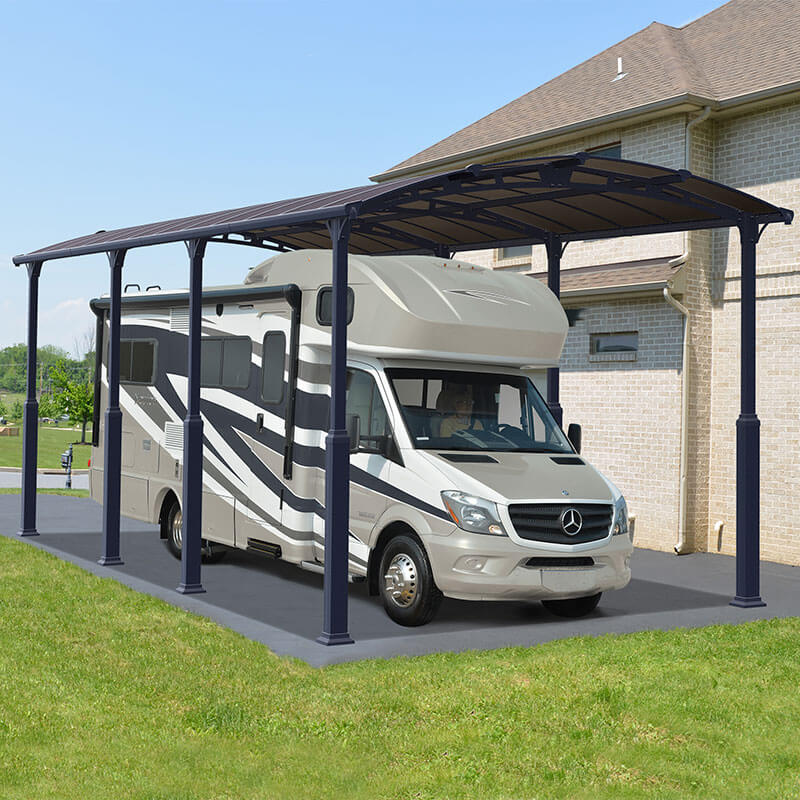
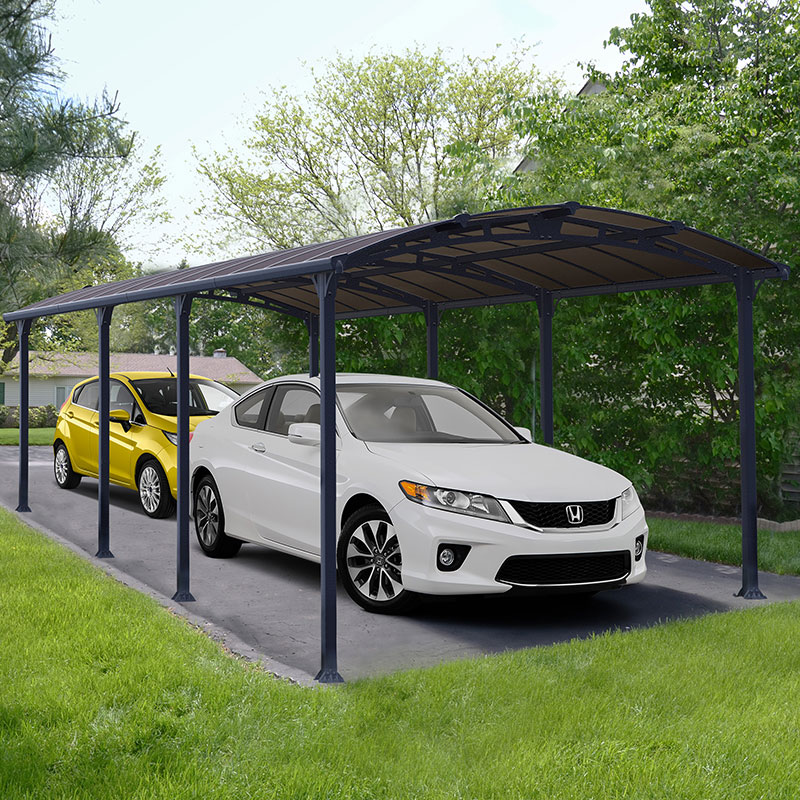
12′ x 28′ Palram Canopia Arcadia 8500 Grey Metal Carport (3.59m x 8.58m) £3,499.00

-
12′ x 28′ Palram Canopia Arcadia Alpine 8500 Grey Metal Carport (3.59m x 8.58m) £5,049.00

Metal gazebos 325 sq ft / 30 m² give you a generous covered outdoor room for dining, relaxing, and hosting, with choices in shape, roof style, and side panels to suit
A proper outdoor room, not just a garden cover
A 325 sq ft / 30 m² metal gazebo sits in that useful middle ground between a compact shelter and a full outdoor structure. It is large enough to create a clear zone for a table, lounge seating, a hot tub area, or a mixed-use garden set-up, yet it still feels organised rather than bulky when the layout is thought through well. For many buyers, the appeal is simple: you get a defined space that can make a garden feel more finished, more useable, and a bit more intentional, without building a permanent room.
What makes this category different is the sense of scale. Smaller gazebos can look like a corner feature. A 30 m² gazebo reads more like a destination in the garden. That matters if you want to create a place people naturally gather around. It can anchor a patio, sit beside a lawn, or work as a centrepiece on a larger plot. Because it is made from metal, the frame usually feels crisp and tidy, with clean lines that suit both modern and more traditional settings.
Which metal gazebo shape fits the space?
At this size, the shape is a big part of the buying decision. It affects how many seats you can fit, how the structure sits in the garden, and how open or enclosed it feels. The most common styles each bring a slightly different use.
Bestseller der Kategorie metal gazebos 325 sq ft / 30 m²
- Round gazebos – These give a softer look and work well for sociable seating arranged around a central table. They can feel balanced and relaxed, especially if you want the structure to sit gently in a landscape rather than dominate it.
- Octagonal gazebos – A classic choice with a more decorative profile. The angled sides can make the gazebo feel spacious without becoming boxy, and they often suit gardens where the gazebo is meant to be a focal point.
- Rectangular gazebos – These are often the easiest to furnish. A rectangular footprint can take a dining set, modular loungers, or a long bench arrangement with less wasted edge space. For practical buyers, this is a strong point.
- Square gazebos – Good when you want a simple, structured layout. They are easier to place against hard landscaping, and the corners make it easier to plan furniture placement. Some people like the neat, no-fuss feel.
- Oval or elongated forms – Less common, but useful if you want a more flowing shape with a slightly wider central area. They can help the gazebo feel less rigid in a larger garden.
The real difference is not just looks. Shape changes how circulation works inside the shelter. A round or octagonal frame can make the centre feel social, while a rectangular one can support zones, like one end for dining and the other for soft seating. For a 325 sq ft footprint, that flexibility becomes quite useful, because you are not forced into one layout.
Frame styles that change the whole feel
Metal gazebos are not all the same simply because they are made of metal. The frame profile, thickness, and finish have a strong effect on how the structure reads in the garden. A slim frame can look lighter and more architectural, while a heavier frame gives a more grounded, substantial look. Neither is automatically better; it depends on the setting and the style you want.
Powder-coated steel is often chosen for its clean finish and modern appearance. It suits buyers who want a tidy, matched look with minimal visual clutter. Wrought-iron inspired designs tend to feel more decorative, with scrolls, arches, or traditional flourishes. These can be especially good if the gazebo is meant to look like a feature in its own right. Aluminium frames are usually lighter in appearance and can work well where a sharper, contemporary outline is preferred.
One useful difference is the way each frame handles visual weight. A robust steel gazebo can feel reassuring and structured, which suits large gardens or spaces that need a clear central point. A lighter aluminium design may feel better where the rest of the garden already has strong features, such as stone walls, raised beds, or deep planting. It is a small detail, but it changes the whole balance.
Roof choices: more than a top layer
The roof is one of the main features buyers compare, because it shapes both the look and the practical use of the gazebo. At 30 m², the roof needs to suit the size of the footprint without making the structure feel too closed in. Some roof styles are about elegance, others about a firmer sheltering feel.
- Hardtop roofs – These create a solid overhead cover and usually give the gazebo a more permanent, built-in feel. They are a good fit when you want a more defined outdoor room.
- Slatted roofs – These can offer a balance between openness and shade. The lines feel lighter, and the structure can keep a more airy character.
- Curved roofs – Often chosen for a softer, more decorative outline. Curved forms can take the edge off the geometry and make a larger gazebo look less rigid.
- Pitched roofs – A traditional profile that gives a classic pavilion feel. They can work nicely if you want the gazebo to echo more formal garden architecture.
In practical terms, roof style changes how enclosed the space feels. A solid roof helps the gazebo behave more like a room, which is useful for dining sets or seating that you want to keep visually anchored. A lighter roof can keep the area from feeling too heavy, especially when the gazebo is placed in an open garden with lots of sky around it. The choice is really about atmosphere, not just cover.
Open sides, partial panels, or a more sheltered layout?
Another big decision is the side treatment. Some metal gazebos are open on all sides, while others include partial panels, railings, or integrated side elements. This changes the way the space feels and how private it is. A fully open gazebo feels sociable and easy to approach from every direction. It is a good choice if the structure is meant to connect different parts of the garden.
Partial side panels can give a sense of definition without closing things in. They help frame the interior and make it easier to place furniture that feels settled. A gazebo with more sheltered sides can also create a stronger sense of enclosure, which some buyers prefer for a lounge area or a more intimate dining setup. The difference is subtle but important: open sides keep views flowing through, while partial coverage gives the structure more presence.
If you are comparing types, think about whether you want the gazebo to feel like a pass-through feature or a destination. That one question narrows the field more than people expect.
Why metal works well at this size
At 325 sq ft / 30 m², material choice really matters because the structure has enough presence to shape the garden. Metal has a few advantages that make it especially suitable for this scale. First, it can support a larger span with a clean profile, which helps the gazebo look organised instead of overbuilt. Second, it works well with different design languages, from pared-back contemporary to more ornate classic forms.
Metal gazebos also tend to offer a sharper edge than timber versions. That difference can be very useful if your garden already includes stone, brick, or rendered surfaces. The gazebo can sit more naturally with those materials. In contrast, if the rest of the garden is very soft and planting-led, a metal frame can provide a nice contrast, giving the eye something firm to rest on.
One more point buyers often value is consistency. A metal frame usually keeps a crisp silhouette, which matters in a structure this large. A 30 m² gazebo that looks visually tidy can feel easier to furnish and easier to live with. It does not need to shout; it just needs to hold the space properly.
Layout ideas that make the footprint work harder
A gazebo this size gives you room to plan. Not in a formal, fussy way, but in the sense that the area can be divided into clear uses. That is where the advantage of the larger footprint becomes obvious. Instead of squeezing one activity into the centre, you can think about how people move and gather within the shelter.
- Dining zone – A table and chairs can sit comfortably with circulation space around them, making mealtimes feel less cramped.
- Lounge zone – Sofas, armchairs, or bench seating can create a more relaxed corner for conversation or quiet time.
- Mixed-use layout – One side for dining, another for seating, which works well when the gazebo is used for both everyday and social occasions.
- Feature centre – A central table, planter, or decorative focal point can make the structure feel balanced and intentional.
Because the footprint is generous, the gazebo does not need to be filled from edge to edge. That is an important point. Leaving breathing space inside often makes the whole thing feel more elegant, and it can stop the structure from looking crowded. Buyers sometimes focus too much on capacity and forget about proportion, but the right amount of open floor space is part of what makes a larger gazebo pleasant to use.
How different styles affect the atmosphere
Every metal gazebo creates a slightly different mood. A round or octagonal pavilion with decorative sides has a softer, more inviting character. It can feel almost ceremonial in the garden, which works nicely for entertaining or for creating a calm retreat. A rectangular, hard-edged gazebo feels more contemporary and practical. It can suit a terrace or a patio where furniture lines are already fairly straight.
Traditional styles often lean on ornament and symmetry. These are useful if you want the gazebo to look established, even in a newer garden. Modern styles tend to use cleaner edges and simpler geometry, which can help the structure blend into a more minimalist outdoor space. The difference is not just decorative; it affects how the gazebo sits with planting, paving, and the rest of the garden furniture.
In a larger footprint, style matters more than people expect because there is more surface and more frame to see. A busy design can feel rich and detailed, while a simpler one can feel calm and clear. Neither is the right answer for everyone, and that is part of the fun of choosing.
Practical details buyers notice quickly
When people compare metal gazebos, they often look beyond the headline size and start checking the smaller details that affect use. At 30 m², a few of those details become especially relevant. The way the posts are positioned can influence furniture placement. The amount of open span between supports affects how freely the space can be arranged. The profile of the roof can alter the sense of height and openness.
Corner placement is one useful thing to think about. If the posts sit too close to where you want chairs or seating, the layout can feel awkward. A well-designed frame helps keep usable space where you need it. Another useful point is visual proportion. A gazebo of this size should feel substantial enough for the garden, but not so dense that it blocks the view or pulls too much attention.
That is where metal has a quiet advantage. It can give structure without too much bulk. For many buyers, that balance is exactly the point. The gazebo becomes a defined outdoor space, but the garden still feels like a garden.
What makes a 325 sq ft gazebo worth considering?
The real appeal of a metal gazebo 325 sq ft / 30 m² lies in how much it can change the use of a garden. It can turn an empty patch into a place for long lunches, evening seating, family gatherings, or simply somewhere to sit under cover without feeling shut away. The size is large enough to offer options, but not so large that the structure loses its sense of purpose.
For buyers comparing styles, the choice often comes down to three questions: How open should it feel? How formal do you want it to look? What will happen inside it most often? If the answer is social dining, a more open and structured layout may suit. If the answer is a sheltered lounge area, partial sides and a more enclosed roof shape may be better. If you want a feature that gives the garden a centre, decorative forms can do that neatly.
It is also worth remembering that larger gazebos are about proportion as much as function. A 30 m² structure can feel generous, but it still needs to suit the lines of the garden around it. When the shape, frame, and roof all work together, the result feels considered rather than added on. That is usually what people are after, even if they do not say it out loud.
Small buying tips that make a real difference
Before choosing, it helps to picture the gazebo in use, not just on its own. Think about the furniture set you want to place inside, and whether you need a layout that encourages conversation, dining, or a bit of both. Consider whether a round or octagonal form would soften the look, or whether a rectangular frame would give you better space efficiency. The best option is often the one that matches the way you actually live outdoors.
- Choose the shape first if your garden already has a clear style.
- Choose the roof style first if you care most about how enclosed the space feels.
- Choose the frame finish first if the gazebo needs to coordinate with existing paving, furniture, or boundary materials.
- Keep circulation in mind so the space does not feel tight once furniture is added.
That kind of planning may sound obvious, but it saves a lot of second-guessing later. A metal gazebo at this size is not a tiny purchase, so getting the shape and feel right matters. When it does work, though, it gives the garden a proper anchor point and a very usable covered area, which is exactly what many buyers are looking for.
[Sassy_Social_Share]