
metal gazebos 200 sq ft / 19 m² - Best Deals in UK!
Showing all 2 results
-
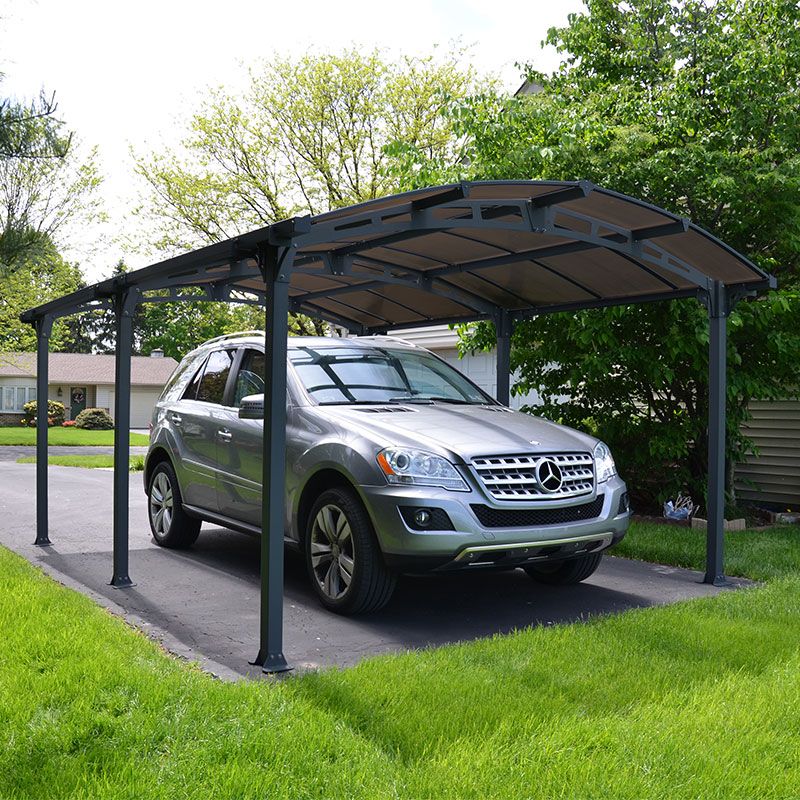
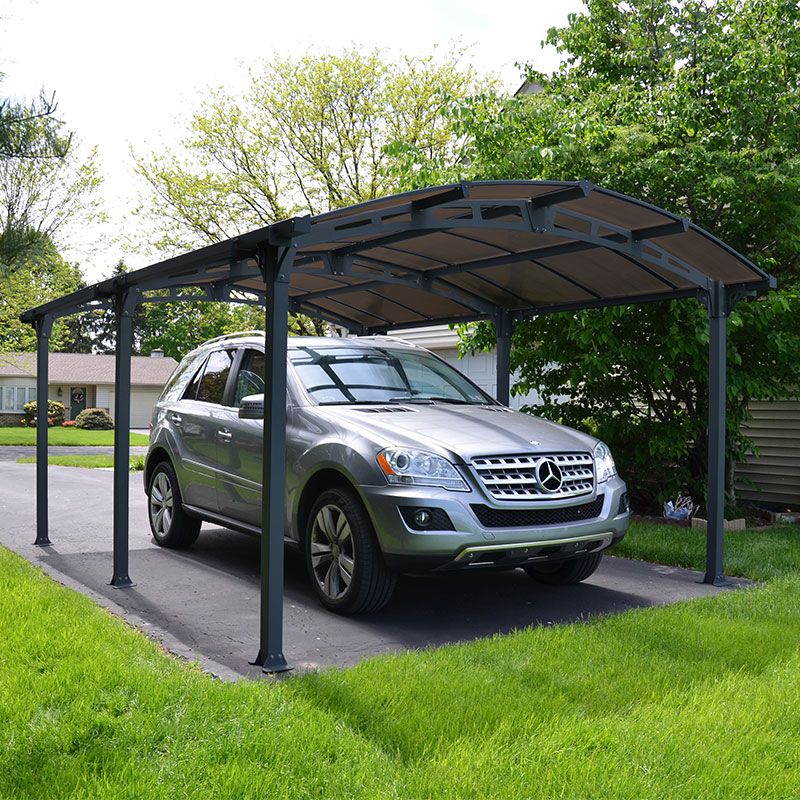
9% OFF: 17’x12′ (5.1×3.6m) Palram Canopia Arcadia 5000 Metal Carport £1,997.999%

-
17’x12′ (5.1×3.6m) Palram Canopia Arcadia 5000 Metal Carport £2,149.002%
Metal gazebos 200 sq ft / 19 m² give you a defined outdoor room for dining, lounging, or shelter over a patio, with a sturdy frame, clear span, and a size that works for shared family use.
A Properly Sized Outdoor Room, Not Just a Shade Frame
At 200 sq ft / 19 m², a metal gazebo sits in that useful middle ground where it feels generous without taking over the garden. It can hold a dining set, a couple of lounging chairs, or a mix of seating and serving space, which is why this size often feels more like an outdoor room than a decorative cover. The shape and roof style you choose matter just as much as the footprint, because they decide how open the space feels, how much headroom you get, and how the gazebo sits in the wider garden layout.
Metal as a material brings a different character to this category. Instead of a softer, more rustic look, you get clean lines, defined edges, and a frame that often suits contemporary gardens, courtyard spaces, and outdoor entertaining areas. It also gives the category a practical edge: metal frames are commonly chosen when buyers want clear structure, a more permanent feel, and a form that can handle regular use without looking bulky.
Shapes That Change the Whole Feel
The shape of a 200 sq ft metal gazebo changes how the space behaves. Some buyers are drawn to classic geometry, others to more architectural lines. The footprint may stay close to 19 m², but the experience inside can feel quite different depending on the plan.
Bestseller der Kategorie metal gazebos 200 sq ft / 19 m²
- Square gazebos – useful when you want balanced seating, a centred table, or a layout that sits neatly on a patio slab or deck.
- Rectangular gazebos – better for longer dining tables, side-by-side seating, or spaces that need a defined direction.
- Octagonal gazebos – offer a more traditional gazebo look, with a softer visual outline and a centre-focused layout.
- Hexagonal gazebos – sit between traditional and contemporary, with angled sides that can feel lighter than a full square frame.
- Curved or domed roof profiles – add a gentler silhouette, which can help a metal structure feel less rigid in a garden setting.
If the gazebo is intended for dining, a rectangular or square frame usually makes the most sense. If the aim is a social corner with mixed seating, an octagonal or hexagonal design can feel more relaxed, because the lines do not box the eye in quite so much. It’s a small difference on paper, but it changes how people move through the space and where furniture naturally settles.
Frame Styles: Light, Solid, Or Somewhere In Between
Not every metal gazebo feels the same once it is built. The frame structure can lean towards slim and refined or more substantial and grounded. That is one of the key reasons people compare metal gazebos carefully before buying. The material may be the same broad category, but the frame style affects the whole presence of the product.
Aluminium gazebos tend to suit buyers who want a cleaner, lighter visual appearance. The lines can look neat and less heavy, which works well in smaller gardens or on modern patios where the structure should not dominate the space. Aluminium often reads as tidy and practical rather than ornate.
Steel gazebos usually have a firmer, more weighty feel. They often appeal to buyers who want a frame that looks more anchored and substantial. Steel can suit a gazebo that is expected to act as a regular gathering spot, especially where the design needs to feel more permanent in the garden.
Powder-coated metal finishes are also worth noting, not because they are flashy, but because they shape the look of the product. Black, anthracite, charcoal, and muted grey finishes are common in this category and can help the gazebo blend with fencing, paving, and outdoor furniture rather than standing apart awkwardly.
Roof Designs That Decide How The Space Works
The roof is doing more than covering the top. It determines the tone of the gazebo, the amount of visual weight, and often how well the structure suits its surroundings. With a 19 m² metal gazebo, roof shape can make a practical difference, especially if the gazebo is meant to feel open rather than enclosed.
- Flat roof designs – suit contemporary gardens and tend to look compact from a distance.
- Pitched roofs – create a more classic silhouette and usually give a more traditional gazebo appearance.
- Double-tier roofs – add visual depth and a more architectural feel without changing the footprint.
- Curved roofs – soften the overall look and can work well where the gazebo is meant to feel less severe.
A pitched roof can be useful when you want the gazebo to feel tall and open, while a flat roof often suits a more restrained visual profile. Double-tier roofs have a more defined presence and can help a gazebo look less boxy, which matters if you are placing it in a garden with a lot of straight paving lines already. It is less about fashion and more about matching the shape to the setting.
Why Buyers Choose Metal At This Size
In the 200 sq ft gazebo category, metal stands out because it combines structure with flexibility. The size is big enough to host proper furniture, but not so large that the frame has to feel overly heavy. That makes metal a strong choice for people who want something that can hold its own visually without looking too fussed over.
There is also a noticeable difference between metal gazebos and timber-style alternatives when it comes to the overall mood of the garden. Metal often feels more precise. It gives a sharper outline, which suits modern outdoor layouts and more formal entertaining spaces. That crispness can be useful if the garden already contains lots of planting and softer textures, because the gazebo becomes a clear anchor point.
For many buyers, the attraction is the way metal gazebos make a usable zone feel intentional. A dining set under a roof does not just look tidier; it becomes a place people are likely to use more often. The frame gives the area some definition, and that can be enough to turn a patch of patio into a spot that feels planned rather than improvised.
Different Uses, Different Layouts
Within 200 sq ft, the same gazebo can be arranged in several ways. That is one reason this size is popular with buyers who like to choose their own setup rather than accept a fixed layout. A bit of planning helps the gazebo do the job you want, especially if you are deciding between dining, lounging, or mixed use.
- Outdoor dining – fits a table and chairs comfortably, with enough space to move around the edges.
- Lounge seating – works well with sofas, armchairs, or a pair of benches facing each other.
- Social shelter – gives a covered spot for guests, drinks, and standing space during gatherings.
- Hot tub cover – in some layouts, this size can provide a sheltered zone around spa seating, where dimensions allow.
- Mixed-use garden room – allows one side for dining and another for relaxed seating, if the frame shape supports it.
The difference between a gazebo that feels useful and one that feels cramped is often down to the footprint shape. A square design can suit central furniture placement, while a rectangle can leave clearer circulation routes. If the gazebo is meant to host people rather than just cover a table, that flow matters more than many buyers expect at first glance.
Details That Make A Difference Up Close
At this size, buyers often notice the finer construction details because they change how the gazebo behaves once furnished. The visual style is important, but the practical details decide whether the space feels easy to live with.
Post thickness affects how robust the frame looks. Thinner posts can feel more discreet, which is handy when you want a lighter appearance. Thicker posts tend to create a firmer visual boundary and may suit larger furniture sets more comfortably in terms of proportion.
Joinery and bracing also matter. Angular braces can give the frame a more industrial or contemporary feel, while neater concealed connections can make the structure look cleaner. If the gazebo is placed in a garden where design details are already part of the scene, such as metal edging or architectural planting, these touches can make the whole setup feel more joined up.
Open-sided versus partially enclosed designs is another important distinction. Open-sided gazebos feel airy and social, with easy access from all sides. Partially enclosed versions can offer more definition and a stronger sense of shelter, which may suit buyers who want the space to feel more separate from the rest of the garden.
Comparing Traditional And Contemporary Looks
Metal gazebos in this category can lean in different design directions, and that is one of the reasons they appeal to a wide range of gardens. Traditional versions often use softer roof lines, decorative detailing, or more classical proportions. Contemporary versions usually keep things simpler, with straighter edges and a more pared-back silhouette.
A traditional metal gazebo can sit well in a garden with curved paths, mixed borders, and more ornamental planting. It often gives the impression of a dedicated garden destination. A contemporary metal gazebo works nicely where the rest of the outdoor space is more architectural, with straight paving, raised beds, or simple furniture lines. Neither is inherently better; the difference is in how much the structure blends or contrasts with the setting.
If you are torn between the two, look at the hard landscaping first. A gazebo can sometimes feel too ornate next to a very plain patio, or too stark next to a cottage-style garden. The right match usually feels obvious once the surrounding shapes are considered.
What To Check Before Choosing One
Because 200 sq ft is a meaningful footprint, small differences become noticeable once the gazebo is in place. Before buying, it helps to think in terms of actual use rather than just dimensions on a product page.
- Measure the full footprint, including any roof overhang or edge projections, not only the internal floor space.
- Think about access points, especially if chairs need to slide back or guests will enter from more than one side.
- Match the shape to the furniture; square and rectangular layouts usually suit dining, while octagonal forms can feel more central and informal.
- Check visual balance with fencing, pergolas, sheds, or existing garden structures so the gazebo does not feel out of scale.
- Consider how much shelter you want from the roof profile, because a flat roof and a pitched roof create different spatial feelings.
These details may seem obvious, but they are often what separates a purchase that fits naturally from one that feels a bit awkward once it is standing in the garden. A metal gazebo of this size should look deliberate, not just placed.
A Size That Makes Outdoor Plans Easier
What makes metal gazebos 200 sq ft / 19 m² appealing is the balance they offer. There is enough room to create a clear purpose, whether that is dining, lounging, or entertaining, yet the structure can still sit comfortably in many private gardens. The metal frame brings definition, the roof style sets the tone, and the shape decides how the interior will actually be used.
For buyers comparing options, the main difference is rarely just the material. It is the whole combination of shape, roof form, frame weight, and layout. Once those line up, the gazebo feels less like an accessory and more like part of the garden itself. That is often what people are after, even if they start by looking for a simple covered area.
Small Design Choices, Big Effect On Use
In this category, even modest design choices can have a strong effect on how the gazebo feels day to day. A more open metal frame may give a lighter impression and make the garden feel larger. A more enclosed or angular frame can create a defined destination, which may suit buyers who want a stronger sense of room-like enclosure.
The same goes for colour. Dark metal finishes can frame the space and help the gazebo sit quietly among planting or paving. Lighter finishes can reduce the visual weight, especially in smaller plots where a large structure needs to feel tidy rather than overpowering. Neither approach is the right one for every garden; it depends on whether you want the gazebo to recede or stand out a bit more.
That is why this category is worth considering carefully. A 19 m² metal gazebo is not a vague shelter. It is a defined, usable, and visible part of the garden, and when the proportions are right, it can shape how the whole outdoor area is used.
[Sassy_Social_Share]