
Gazebos under £7500 - Best Deals in UK!
Showing all 4 results
-
26% OFF: 12’x10′ (3.6×3.1m) Luxury Wooden Garden Gazebo with New England Cedar Roof – Seats up to 10 people £7,049.9926%

-
22% OFF: 10’x9′ (3×2.7m) Luxury Wooden Furnished Garden Gazebo with New England Cedar Roof – Seats up to 10 people £7,379.9922%

-
21% OFF: 11’x11′ (3.5×3.5m) Square Wooden Garden Gazebo with Traditional Timber Roof £7,449.9921%

-
19% OFF: 12’x10′ (3.6×3.1m) Luxury Wooden Furnished Garden Gazebo with Traditional Timber Roof – Seats up to 10 people £7,289.9919%

Gazebos under £7500 offer a practical way to add covered outdoor space, with options in timber, aluminium and hybrid styles, plus open, closed and hard-top designs.
Space That Feels Planned, Not Bolted On
A gazebo in this price range tends to feel less like a temporary shelter and more like a proper part of the garden layout. That matters if you want a structure that can frame a seating area, cover a dining table, or sit neatly beside a patio without looking overdone. The under £7500 bracket opens the door to more substantial builds, with better frame thickness, more considered roof styles, and more choice in size and shape than the smaller budget end of the market. It is a category where you can look for a balance between appearance, function, and long-term use without moving into the sort of spend that starts to feel a bit heavy.
What often separates these gazebos is not just size, but the way they are built. Some are designed as a clear dining shelter, others as a relaxed lounge space, and some work more like a garden room with open sides. The difference is in the frame geometry, the roof profile, and how enclosed the structure feels. If you are comparing options closely, it helps to look past the first impression and ask how the gazebo will sit with the rest of the garden, how much usable headroom it offers, and whether the shape fits the way you actually use outdoor space.
Aluminium, Timber, Hybrid: What the Frame Says
Frame material changes the whole character of a gazebo. Aluminium gazebos usually suit a cleaner, more architectural look. They often have slimmer profiles, squared edges, and a contemporary feel that works well with modern patios and porcelain paving. They are a strong choice when you want the structure to feel crisp rather than rustic.
Bestseller der Kategorie Gazebos under £7500
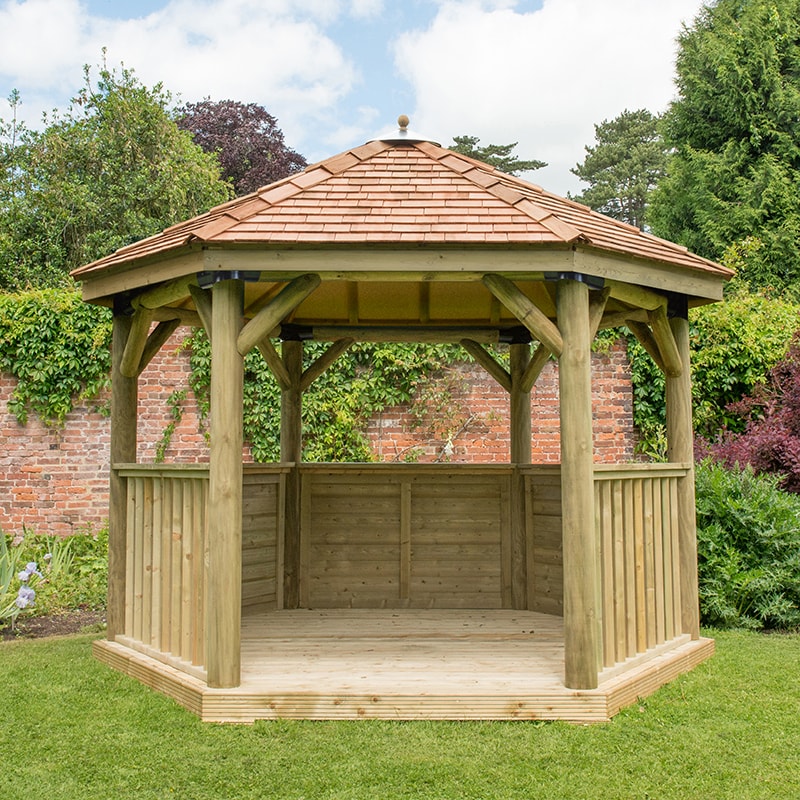
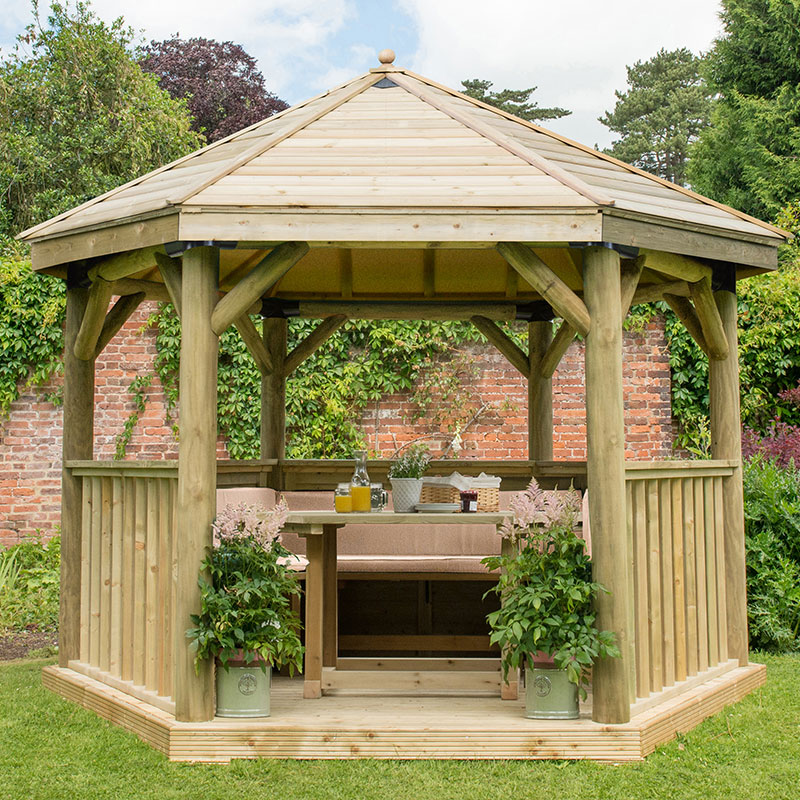
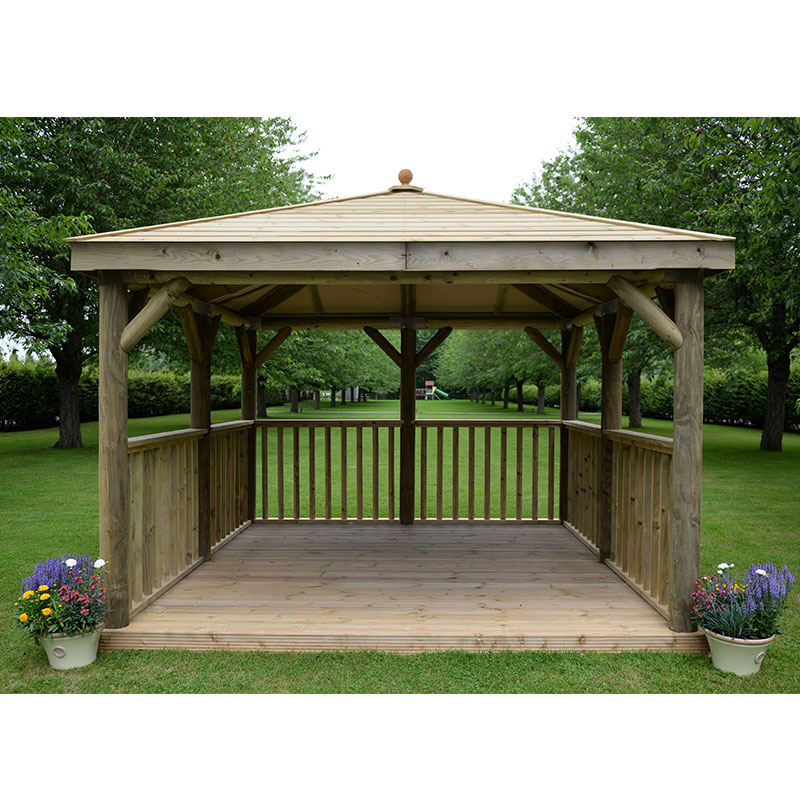
Timber gazebos bring a softer, more natural finish. They can sit well in planted gardens, with trellis-style detailing or chunkier posts that make the whole thing feel grounded. Timber options under £7500 often give a more traditional garden-room mood, especially when the roof shape is pitched or the posts are left visually prominent.
Hybrid designs mix metal framing with timber-look elements or timber cladding details. These can be useful if you want some of the sharpness of aluminium but with a warmer appearance. The difference is not only visual; it can also affect the sense of weight, openness, and how the gazebo reads from the house.
- Aluminium for a neat, modern outline
- Timber for a softer, more garden-led feel
- Hybrid for a middle ground between the two
Open Sides or More Shelter? The Shape of the Experience
One of the biggest differences in gazebos under £7500 is how enclosed they are. Open-sided gazebos are ideal if you want shelter overhead without blocking the view or making the garden feel closed in. They work well for dining, hot tub placement, or simply defining a corner of the garden in a subtle way. Because they keep sight lines open, they can make a compact outdoor space feel less crowded.
Semi-enclosed gazebos add panels, side screens or partial walls. These are handy when you want a bit more protection from draughts or a stronger sense of privacy. They also create a more room-like feel, which can make the gazebo feel like a destination rather than just a cover.
Fully enclosed or mostly enclosed styles sit at the more sheltered end of the category. They are useful where the aim is to create a defined outdoor zone with a stronger boundary between the seating area and the rest of the garden. The trade-off is that they can feel heavier visually, so they need a bit more space around them to breathe.
Square, Rectangular, Hexagonal: Picking the Right Footprint
The shape of the gazebo is not just about looks. It changes how the space functions. Square gazebos are straightforward and easy to position. They often suit symmetrical garden layouts and make furniture placement simple, especially if you are planning a central table or a compact lounge set.
Rectangular gazebos are useful when the area you are covering is long rather than wide. They can work along a terrace edge or beside a boundary, giving better coverage for a dining table and sideboard-style layout. This shape often feels more practical if you want to seat more people without the structure feeling cramped.
Hexagonal gazebos and other faceted designs tend to lean more decorative. They can soften the look of a garden and create a focal point without looking boxy. They are often chosen for a more classic, pavilion-style appearance. The angled sides can make the space feel slightly more intimate, though that also means you need to think carefully about furniture dimensions.
- Square for simple layouts and balanced symmetry
- Rectangular for dining runs and longer seating plans
- Hexagonal for a more decorative, pavilion feel
Roof Styles That Change More Than the Silhouette
The roof is one of the clearest differences in this category. A flat roof gazebo gives a modern, understated look and often suits contemporary gardens. It can feel clean and contained, especially with slim posts and straight lines. This kind of roof works well when you want the structure to blend into a terrace rather than dominate it.
Pitched roof gazebos feel more traditional and can add a sense of height. They often suit gardens with a softer, more classic style, and the sloping roof helps create a familiar pavilion shape. For many buyers, this style feels more like an outdoor room than a canopy.
Hard-top roofs sit in a different category again. They suggest a more permanent structure and are often chosen where the aim is to create a defined outdoor zone with a proper roofline. Compared with lighter gazebo covers, a hard-top usually reads as more substantial and more anchored to the garden.
The main difference between these roof types is the mood they create. Flat is sharper, pitched is more traditional, and hard-top feels more fixed. Choosing between them usually comes down to the house style, the shape of the garden, and whether you want the gazebo to stand out or sit quietly in the background.
Why This Budget Matters for Real-World Use
At under £7500, you often reach the point where a gazebo can do more than provide shade. It can become a genuine outdoor zone with enough presence to support dining, lounging, or even a mixed-use layout. This is the range where many buyers start looking for stronger posts, better roof coverage, more refined detailing, and a finish that does not feel too lightweight.
That matters if the gazebo is going to be in use through a wide stretch of the year. A structure with more considered proportions tends to feel less flimsy, and that can make a real difference when you are sitting beneath it for a meal or gathering. Buyers often notice that the more substantial options also look better from the house, which is important because a gazebo is usually seen from indoors as much as from the garden itself.
Another plus is choice. With this budget, you can compare different styles without having to settle for the first one that fits the price. You can look at open and enclosed forms, modern and traditional finishes, and different footprints that suit the actual shape of your outdoor space. That makes the buying decision more about fit, rather than compromise.
Useful Differences to Notice Before Choosing
When comparing gazebos, small design details often tell you a lot. Post thickness affects how solid the gazebo feels visually. Thicker posts can make the structure look more grounded, while slimmer ones are lighter on the eye and can suit smaller gardens better. Roof overhang changes how much edge protection you get and can make a gazebo feel more generous in scale.
Side openness is another useful point. A gazebo with wide openings can frame views and make the garden feel connected, while narrower openings create more enclosure. If you want the structure to act as an outdoor room, the more enclosed style may be better. If you want it to feel like part of the wider garden, open sides often work nicely.
Height also matters. Taller gazebos can feel airy and elegant, but they need the garden space to match. In a smaller plot, a lower-profile design may sit more comfortably and avoid looking awkward. It is a simple point, but people often notice it too late.
- Thicker posts = a more solid visual presence
- More roof overhang = extra definition around the edges
- Open sides = better views and a lighter feel
- More enclosure = stronger sense of privacy and shelter
- Height = affects scale as much as comfort
Where a Gazebo Fits Best in the Garden
Placement can make a gazebo feel like a natural part of the garden rather than an afterthought. A gazebo positioned beside a patio often works well for outdoor dining, especially if the shape mirrors the paved area. Set against a lawn edge, it can act as a destination point and help divide the garden into usable zones. Near planting, it can feel softened and less formal, which suits timber and mixed-material styles.
Some buyers prefer to place gazebos where they can catch a particular view, maybe back towards the house or across a border. In that case, open-sided or faceted styles can be a good match because they frame the view instead of blocking it. If privacy matters more, then side panels or a more enclosed design can be useful, especially in gardens where neighbouring windows are close by.
The best-fit option often depends on how the gazebo will be seen from multiple angles. A design that looks good from the patio might not suit a view from an upstairs window, so it is worth thinking about the whole layout, not just the spot where the furniture will go.
Small Buying Details That Make a Big Difference
It is easy to focus only on size and price, but a few details can change whether a gazebo feels right. Symmetry matters in formal gardens, where a balanced shape can help the whole space feel calmer. Asymmetry can suit more relaxed gardens, especially if the gazebo sits alongside planting rather than in the middle of a strict layout.
The finish also has a clear impact. Dark frames tend to recede visually and can make the roofline feel sharper. Lighter finishes can feel softer, though they may stand out more against planting or paving. If you want the gazebo to feel integrated, it helps to look at nearby fencing, doors, pergolas, and furniture finishes too.
Buyers often think first about the number of people they want to seat, but the real question is how the space will be used. A gazebo for a six-seat table needs a different shape from one used for a pair of loungers or a corner sofa. That is where rectangular versus square versus hexagonal differences start to matter in a practical way, not just a visual one.
A Category Built for Clear Choices, Not Guesswork
Gazebos under £7500 give you enough room to choose with care. You can look at materials, roof styles, openness, and shape without feeling boxed in by a narrow budget. That means you can find something that suits a modern patio, a classic garden, or a more relaxed outdoor living space, depending on what the rest of your garden already says.
If you want a structure that feels crisp and ordered, aluminium and hard-top designs are worth a close look. If you prefer something with a warmer edge, timber or hybrid styles can do that job well. If your priority is shelter without losing the garden view, open-sided gazebos are the obvious route. If you want a more defined retreat, semi-enclosed or enclosed forms make more sense.
In the end, this part of the market is about matching the gazebo to the way you actually use the garden. The right one does not need to shout. It just needs to sit well, feel practical, and make the outside space a place you can use properly, even when the weather is a bit unsure.
[Sassy_Social_Share]