
Gazebos under £600 - Best Deals in UK!
Showing all 2 results
-
12% OFF: 9′ x 9′ Garden Must Haves Sliding Roof Grey Gazebo (2.8m x 2.8m) £529.9912%

-
12% OFF: 12′ x 10′ Garden Must Haves Pandora Leaf Adjustable Garden Gazebo (3.6m x 3m) £544.9912%

Gazebos under £600 are a practical way to add sheltered outdoor space, with choices from pop-up styles to hard-top frames, rectangular, square and hexagonal shapes, and enough variety to suit dining, shade and casual seating.
What sits in this price band, and why it matters
Looking at gazebos under £600 usually means finding the middle ground between simple shade cover and a more defined garden structure. In this bracket, buyers often see a mix of temporary gazebos, semi-permanent frame gazebos, and a few sturdier options with more fixed-looking roofs or side panels. The main appeal is balance: you can get a proper outdoor focal point without moving into the higher-cost end of the market.
This price point is also where the differences become easier to spot. Some gazebos are made for quick set-up and seasonal use, while others are shaped for regular entertaining or covering a patio table. The result is a category with clear choice, not just in looks, but in how much space they offer, how enclosed they feel, and how they handle different garden layouts.
Frame styles that change the whole feel
The frame is one of the biggest clues to what a gazebo is really designed to do. In this category, you may come across steel-framed gazebos, aluminium-framed gazebos, and mixed-material builds. Steel tends to feel more substantial and is often chosen for a more fixed setup, while aluminium is usually lighter and easier to handle. That difference matters if you want something you can move, store, or reposition rather than leave in one place all the time.
Bestseller der Kategorie Gazebos under £600
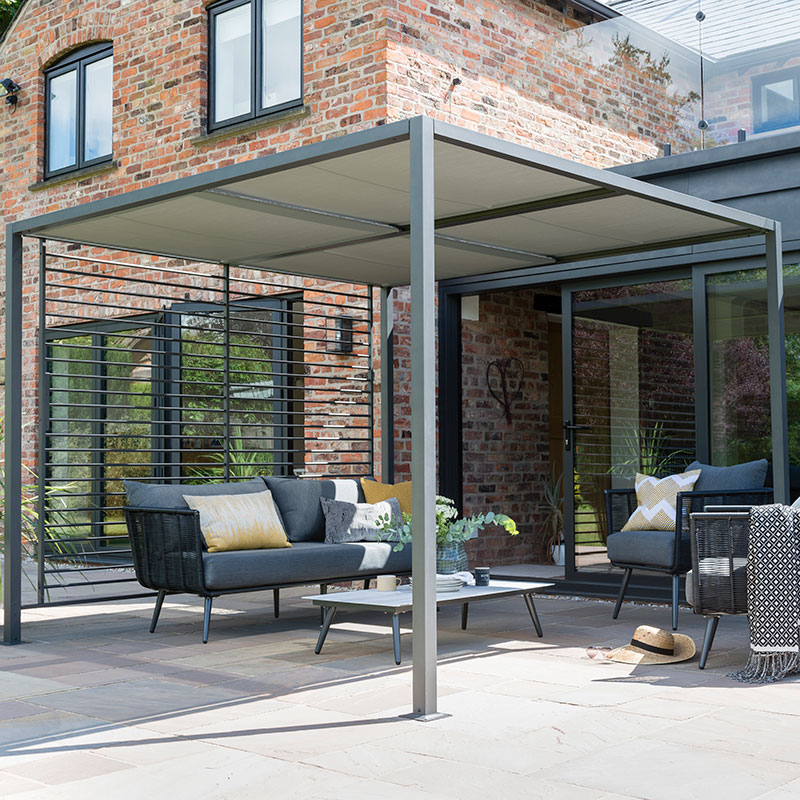
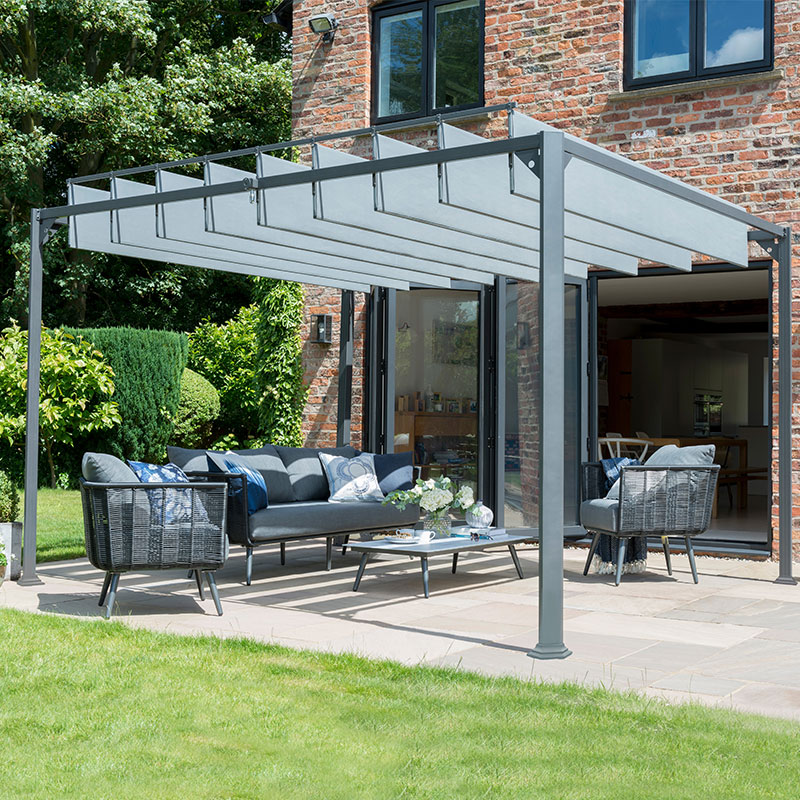
Frame thickness, leg design and overall stance also affect the look. A gazebo with straight, upright legs gives a clean, practical profile and fits well over a dining set or hot tub area. Curved or shaped legs can soften the appearance and make the structure feel less boxy. Some frames are built with decorative braces or more visible support bars, which can make the gazebo look more finished, even when the roof style is simple.
If you are comparing options, look at whether the frame feels intended for freestanding garden use or more like a flexible shelter. That one detail can shape everything from stability to how often you will use it.
Roof shapes: flat, peaked, curved, and more
The roof does more than keep the rain off. It changes the whole character of the gazebo. A peaked roof often gives a classic garden structure look and can make the interior feel taller and less cramped. A flat or low-pitched roof looks more contemporary and can suit a modern patio, though it may feel less airy underneath. Then there are curved roofs and softer canopy shapes, which can look less rigid and work nicely in smaller gardens where a heavy outline might feel too dominant.
Hexagonal and octagonal gazebos often use roof shapes that draw the eye inward, creating a more pavilion-like feel. Rectangular gazebos, by contrast, usually emphasise usable coverage. If your main goal is sheltering a table, grill area, or sofa set, a longer roofline can be more practical than a decorative shape. If you want the gazebo to act as a centrepiece, a more sculpted roof may suit that role better.
The roof covering itself can also differ. Some options use fabric canopies for a lighter seasonal feel, while others feature more rigid panels or layered coverings that give a more permanent impression. These are not just visual differences; they affect how enclosed the space feels and how formal or relaxed the gazebo seems.
Pop-up, permanent-look, and everything between
When people search for gazebos under £600, they are often comparing three main types. First, there are pop-up gazebos, which are built for speed, convenience and short-term use. These are handy for gatherings, summer cover, market-style use, or a garden event where you want a shelter that appears quickly. They often fold down, which makes them easier to store, but they are usually less about a fixed architectural presence.
Second, there are freestanding gazebos with a more stable frame and a stronger visual footprint. These suit buyers who want something that feels like part of the garden layout rather than a piece of event kit. They are often used over patios, seating areas or dining zones, and may come with side curtains or panels for a more enclosed feel.
Third, there are gazebos that sit somewhere in the middle: structures with a more regular frame, but still designed for domestic use and a manageable budget. They can offer a bit more presence than a pop-up, without looking overly formal. That middle zone is useful if you want shelter without committing to a very large structure.
Side panels, curtains, and the difference enclosure makes
One of the most useful choices in this category is whether the gazebo has open sides, mesh panels, solid side curtains, or a mix of all three. Open-sided gazebos feel light and sociable. They suit dining, drinks, and garden corners where you still want a sense of connection to the rest of the space. Mesh sides add a softer boundary and can make the gazebo feel more defined without closing it in too much.
Solid curtains or panels create a stronger sense of shelter. They help a gazebo feel more like a room outdoors, which can be handy if you want a private seating nook or a wind-buffered area. The trade-off is that they change the mood quite a bit. A fully enclosed gazebo feels calmer and more protected, but it can also seem heavier in a small garden.
Some designs let you vary the level of enclosure, with panels that can be tied back or left down depending on the day. That flexibility is useful if the gazebo needs to work across different seasons or different kinds of gathering. It is a small detail, but it often separates a gazebo that looks nice from one that actually gets used often.
Shapes that suit different gardens, not just different tastes
Shape matters more than many buyers expect. A square gazebo is straightforward and efficient, often giving tidy coverage for a table, bench or compact seating set. It works well in gardens with clean lines or a defined patio edge. A rectangular gazebo stretches that idea further, making it a stronger fit for outdoor dining sets, narrow patios or long seating arrangements.
Round, hexagonal and octagonal gazebos feel more decorative and softer in outline. They often suit lawns, feature areas or gardens where the gazebo is meant to stand on its own rather than sit neatly against a wall. These shapes can make a small garden feel more styled, though they can also reduce the amount of fully usable straight-edged space inside. That is worth thinking about if you plan to place furniture inside with a bit of room to spare.
There is also a visual difference in how these shapes frame the view. Angular gazebos feel organised and practical. Multi-sided gazebos feel more like a garden room or pavilion. Neither is better in general, but one may fit your space more naturally than the other.
Materials that change the look, the weight, and the mood
Gazebos in this budget can use a range of materials, and each brings a different character. Powder-coated steel often gives a tidy, structured appearance and can feel right for buyers wanting something with a bit of substance. Aluminium tends to look cleaner and lighter, especially when paired with a modern canopy. Fabric roofs and panels often soften the overall effect, making the gazebo feel less formal and easier to place in a family garden.
The material mix affects more than appearance. A frame-heavy gazebo may look more anchored and purposeful, while a fabric-led design can feel seasonal and adaptable. If you want the gazebo to blend into planting and lawn areas, a lighter visual style may work better. If you want it to stand out as a destination in the garden, a stronger frame and darker finish may do that job more clearly.
Colour also plays a quiet role. Neutral shades such as grey, black, beige and taupe tend to sit comfortably beside most garden furniture. They are easy to pair with cushions, tables and planters without looking busy. Brighter colours exist, but this category more often leans towards practical, easy-to-match tones.
Why people buy gazebos under £600
There are several reasons this category keeps attracting attention. One is defined outdoor space. A gazebo helps separate a dining zone from the rest of the garden without building anything permanent. Another is shade and shelter, which matters when you want to sit outside without full exposure. A third is the simple feeling of having a proper place to gather. Even a modest gazebo can make a patio look more planned and give a casual garden set-up a more finished edge.
They also help when you want flexibility. Some buyers want a garden structure that can support summer lunches, evening drinks or a children’s play area, then still feel suitable for quieter use another day. A gazebo can do that because it gives a recognisable zone without needing much from the rest of the garden. That can be especially useful in smaller outdoor spaces where every item has to work harder.
Another reason is value. In this price range, buyers can compare size, shape, enclosure and frame style without feeling pushed into a fixed, one-size-fits-all choice. There is room to prioritise what matters most, whether that is footprint, visual style, privacy or the ease of setting it up.
How to compare one gazebo against another
When comparing gazebos under £600, start with how you plan to use the space. If you want cover for a table, look at the internal width and whether the legs sit far enough out to avoid crowding chairs. If the gazebo is for lounging, check whether the shape leaves a comfortable central area rather than only narrow edges.
It also helps to compare the level of enclosure. A gazebo with full curtains creates a different atmosphere from one with open sides, and a mesh-sided option gives yet another result. Think about whether you want privacy, shade, wind cover, or just a frame that gives the garden structure. The right answer may be a mix, but one of those often leads.
Look at the roof form as well. A peaked design may feel more classic and roomy, while a flatter outline can be easier to pair with modern furniture. If your garden already has a lot of curves, a square or rectangular gazebo can add balance. If the space is very straight and formal, a softer shape may stop it from feeling too rigid.
Small choices that make a big difference when buying
Some of the most useful decisions are not the obvious ones. For example, a gazebo with a more open frame may suit buyers who want the structure to feel airy, while a more enclosed design may suit anyone looking for a bit of privacy. The leg position matters too. Wide-set legs can create a better sense of space inside, though they may need more room on the patio.
Think about proportion. A large gazebo can swamp a small garden, even if the price is right. A compact gazebo can look neat, but might feel tight once furniture is inside. In other words, the best option is not always the biggest or the most decorative. It is the one that sits naturally in the space and leaves the rest of the garden looking like it still belongs to you.
Also consider the impression you want. Some gazebos look more like event shelters; others feel more like outdoor rooms. Neither is wrong, but they do send different signals. If you want a structure that supports regular meals, relaxed seating and a sense of place, choose one that looks anchored rather than temporary. If you need flexibility first, a lighter style may suit you better.
At a glance: common subtypes and what they bring
- Pop-up gazebos – suited to quick set-up, short-term shelter, and flexible garden use.
- Freestanding gazebos – give a more settled look and often work well over patios or seating areas.
- Rectangular gazebos – useful for dining tables, long layouts and tidy patio placement.
- Square gazebos – compact, balanced and easy to place in smaller outdoor spaces.
- Hexagonal and octagonal gazebos – more decorative in outline, with a pavilion-style feel.
- Open-sided styles – feel lighter and more social, with less visual weight.
- Panelled or curtained styles – create more privacy and a stronger sense of shelter.
Making the budget work for the garden you actually have
The best part of shopping in this category is that it gives room to be selective. You do not need every extra feature; you just need the right combination. A buyer with a small patio might prefer a square, open-sided gazebo with a simple frame. Someone wanting a more complete outdoor dining spot might lean towards a rectangular gazebo with side curtains. A garden that already has plenty of structure may suit a lighter canopy form, while a plain lawn may benefit from a gazebo with more visual presence.
So when looking at gazebos under £600, it helps to focus on the fit between shape, frame and enclosure. That combination decides whether the gazebo feels like a useful garden feature or just another thing taking up space. The right one can make a corner feel more intentional, a patio feel more usable, and an ordinary seating area feel properly considered. And that, really, is what makes people stop browsing and start picturing where it will go.
[Sassy_Social_Share]