
Gazebos 90 sq ft / 8 m² - Best Deals in UK!
Showing all 4 results
-
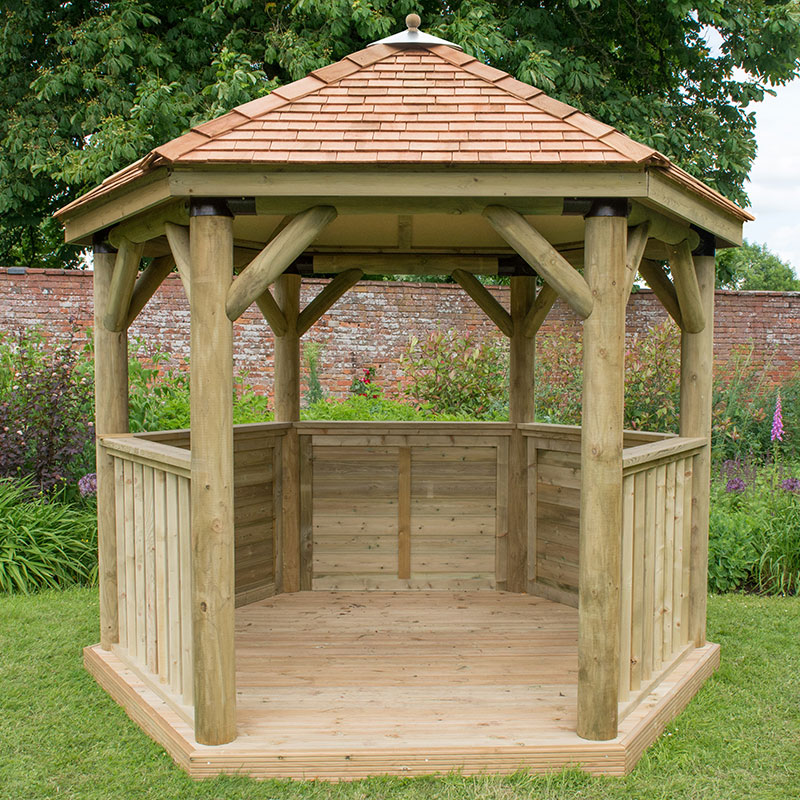
25% OFF: 10’x9′ (3×2.7m) Luxury Wooden Garden Gazebo with New England Cedar Roof – Seats up to 10 people £6,279.9925%

-
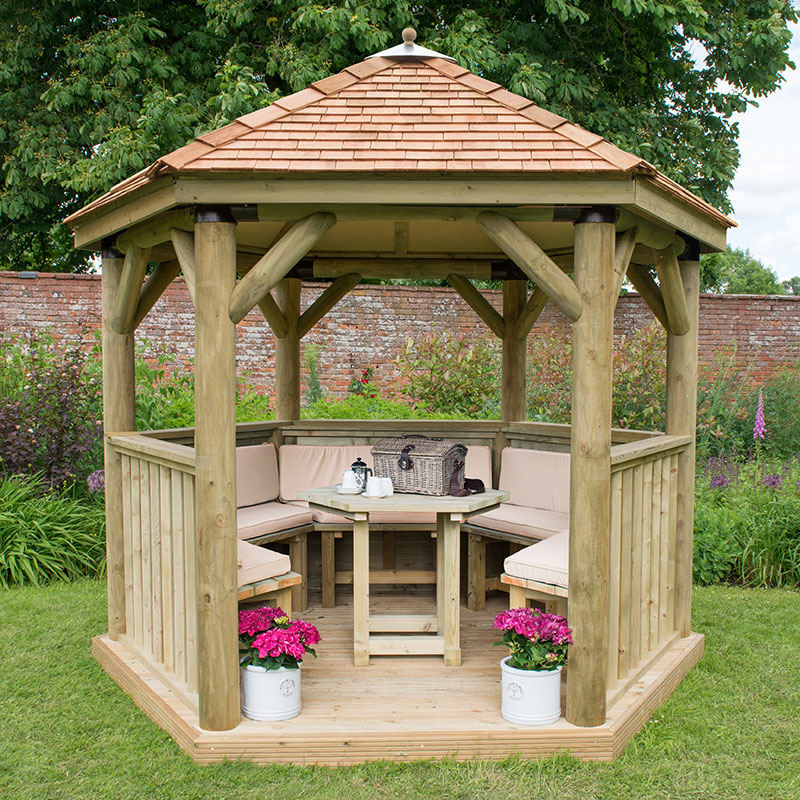
22% OFF: 10’x9′ (3×2.7m) Luxury Wooden Furnished Garden Gazebo with New England Cedar Roof – Seats up to 10 people £7,379.9922%

-
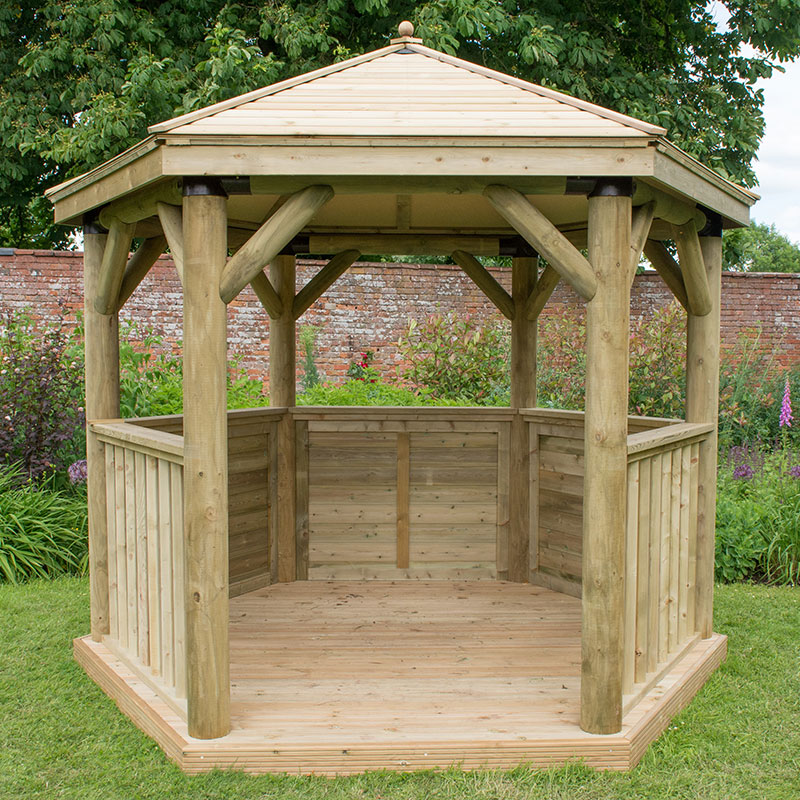
19% OFF: 10’x9′ (3×2.7m) Luxury Wooden Garden Gazebo with Timber Roof – Seats up to 10 people £5,259.9919%

-
19% OFF: 10’x9′ (3×2.7m) Luxury Wooden Furnished Garden Gazebo with Traditional Timber Roof – Seats up to 10 people £6,349.9919%

Gazebos 90 sq ft / 8 m² give you a defined outdoor room for dining, shade, and shelter, with sizes and shapes that suit compact gardens, patios, and hard landscaping.
A Useful Size for Real Garden Plans
A 90 sq ft / 8 m² gazebo sits in a very practical middle ground: small enough to work in tighter spaces, yet large enough to feel like a proper destination in the garden. It can hold a compact table, a pair of chairs, a corner seating set, or a simple standing area for guests without taking over the whole plot. This size is often chosen when people want more than a parasol, but do not want the footprint of a full garden pavilion.
What makes this category interesting is the balance between usable floor area and visual presence. An 8 m² structure can define a zone in the garden, anchor a patio layout, or sit neatly beside planting beds and paths. It tends to work well where the garden needs structure, but not bulk.
Shapes That Change the Feel Completely
At this size, the shape matters a lot. A gazebo is not only about cover; the outline changes how the space feels, how people move around it, and how furniture fits inside. For buyers comparing options, shape is often the first real difference.
Bestseller der Kategorie Gazebos 90 sq ft / 8 m²
- Square gazebos give the most efficient internal layout. They suit dining sets, benches, and straight-edged furniture, and the corners make the space feel organised.
- Rectangular gazebos work well where the garden itself is narrow or where you want a dining zone plus a little circulation space at one end.
- Hexagonal gazebos have a softer outline and usually feel more decorative. They can make a small garden look more considered without needing extra size.
- Octagonal gazebos often give the most traditional garden-gazebo look. Their angled sides create a more open feel inside, even when the footprint stays compact.
- Round or curved-profile gazebos are less common in this exact category, but the softer lines can suit informal planting schemes and more relaxed garden layouts.
The difference is not just visual. A square 8 m² gazebo often offers easier furnishing, while a multi-sided gazebo can feel more spacious at the edges because the walls do not meet in hard corners in the same way.
Permanent Frame or More Flexible Build
When shoppers look at gazebos in this size, they usually compare the construction style as much as the shape. The category can include different structural types, and each one suits a different way of using the garden.
- Fixed-frame gazebos are chosen when the aim is to create a clear outdoor feature. They suit patios, terraces, and places where you want a defined gathering point.
- Freestanding gazebos give more freedom in placement. They can stand as a focal point on lawn, decking, or paving, depending on the setting.
- Open-sided gazebos feel light and social. They are good for seating areas, drinks spaces, and garden dining where views and airflow matter.
- Partially enclosed gazebos offer more shelter and a stronger sense of room-like structure. These are useful when a buyer wants some visual screening as well as cover.
The main difference between these types is how enclosed the space feels. An open-sided gazebo keeps the garden connected, while a more enclosed version can give a little more privacy and a clearer boundary. That matters if the gazebo is meant to function like an outdoor room, not just a shaded stop.
What 8 m² Actually Gives You
People often picture gazebo size in abstract terms, so it helps to think in practical use. 8 m² is enough for a compact table and chairs, a small lounge arrangement, or a standing shelter for social use. It is also a useful size for creating a reading corner, a quiet coffee spot, or a sheltered place for seating that stays out longer into the day.
For buyers with limited garden space, this size can feel like a sensible compromise. It gives the benefits of a dedicated shelter without making the plot feel crowded. In many gardens, that balance is what helps the space feel more finished. A gazebo can draw the eye in a good way, especially when the design lines up with a path, a seating area, or the main view from the house.
Materials That Affect the Character of the Space
Without getting into care or upkeep, the material choice changes how the gazebo reads in the garden and how formal or relaxed it feels. The same footprint can look very different depending on the frame and roof style.
- Wooden gazebos tend to feel natural and settled in planted gardens. They can soften hard landscaping and suit traditional or cottage-style spaces.
- Metal-framed gazebos often look sharper and more architectural. They can work well in modern gardens, especially with clean paving and structured borders.
- Fabric-roof gazebos usually feel lighter and more casual. These can suit seasonal dining or temporary shade where a less fixed look is preferred.
- Hard-roof gazebos give a stronger sense of enclosure and can make the space feel more like an outdoor room.
The difference buyers notice most is the mood. Wood feels warm and grounded, metal feels more precise, and fabric keeps things visually lighter. None of these is simply better; they just suit different gardens and uses.
Why This Size Appeals to Buyers
A gazebo in the 90 sq ft / 8 m² range often appeals because it solves a few common garden problems at once. It adds shelter, creates a focal point, and gives you a place to sit that feels separate from the rest of the garden. That separation is a useful thing. It can make a garden seem more organised without needing major landscaping changes.
Another reason buyers like this category is proportion. Large gazebos can overwhelm a modest plot, while smaller shelters can feel too temporary or too light. This size sits in a usable middle, especially for gardens where every square metre needs to pull its weight. It is also a good option when you want an outdoor feature that looks intentional rather than added on as an afterthought.
Useful Layout Ideas for a Compact Footprint
How the gazebo is used inside matters just as much as how it looks from outside. Because 8 m² is not huge, the interior layout should match the intended purpose from the start.
- Dining zone: works well with a small square or round table and enough room for chairs to pull back.
- Two-seat lounge area: suits a compact sofa or a pair of armchairs, especially in a square gazebo.
- Garden bar corner: better in rectangular forms where one side can act as a serving edge.
- Quiet retreat: useful when the gazebo is placed away from busy paths and framed by planting.
- Entertaining shelter: ideal for social use when people move in and out, so the centre remains open.
If the goal is to seat people comfortably, check the internal width rather than only the external footprint. A gazebo can look generous from the outside but feel tight once furniture is placed. In this category, every centimetre matters, so shape and internal span should be considered together.
Open, Semi-Open, or More Sheltered?
One of the key differences in this category is the degree of openness. An open gazebo keeps views wide and makes the garden feel larger. A semi-open gazebo gives a stronger sense of room and can help define the edge of the space. A more sheltered version brings a clearer boundary between inside and outside.
This choice affects how the gazebo works day to day. A very open form suits social spaces and decorative use. A more enclosed form suits buyers who want a feeling of shelter, especially where the gazebo is meant to be used as a regular place to sit rather than just a visual feature. It can also help the garden feel more layered, which is often what makes smaller plots look more interesting.
Details Buyers Often Check First
When people compare gazebos in this size, a few details tend to decide the shortlist. These are not decorative extras; they change whether the gazebo fits the garden properly.
- Base footprint versus roof overhang, because the space needed on the ground may be slightly more than the stated size.
- Headroom, which affects whether the gazebo feels airy or a bit closed in.
- Side opening size, which matters for access, views, and furniture placement.
- Roof profile, since a pointed roof, flat profile, or domed top changes the overall character.
- Wall or side panel style, if the model includes any partial screening.
These details are worth checking because two gazebos with the same area can feel very different inside. The buyer who measures the intended spot properly usually ends up with a much better result than the person who just guesses the size by eye. It sounds obvious, but in gardens, it is easy to misjudge scale.
How the Space Feels in Different Gardens
An 8 m² gazebo behaves differently depending on where it sits. On a lawn, it can feel like a destination. On paving, it may read as a more deliberate outdoor room. Near planting, it often feels softer and more integrated. That is why this size is so versatile: it can adapt to the setting without losing its own identity.
In a small garden, a well-placed gazebo can add depth by creating another layer of use. In a larger garden, it can serve as a clear point of focus, stopping the space from feeling empty. Buyers often like that it gives purpose to a corner that might otherwise remain unused. It is a simple shift, but a useful one.
Choosing Between Decorative and Practical Use
Some gazebos in this category are bought mainly for the look; others are chosen because the buyer needs a functioning sheltered area. The best choice depends on which role matters more.
- Decorative-focused gazebos usually have stronger visual lines, softer proportions, or a more traditional silhouette.
- Practical-focused gazebos tend to prioritise access, headroom, and clear interior space.
- Multi-use gazebos try to balance both, giving enough visual charm while still working for seating or dining.
If the gazebo is going to be used often, the practical side should lead the decision. If it is mainly about creating atmosphere, then the outer form and how it frames the garden may matter more. A good 8 m² gazebo can do both, but usually one job leads and the other follows.
Little Differences That Make a Big Change
With gazebos, small design choices can alter how the whole area is experienced. The shape of the roof, the angle of the sides, how open the entrances feel, and how the structure sits within the garden all have an effect. This is why the category is more varied than it may first appear.
A square structure tends to feel orderly. A hexagonal or octagonal one feels more relaxed around the edges. A hard-roof model gives a stronger sense of permanence. A fabric version feels lighter. An open-sided version keeps the garden visually connected, while a more enclosed one can make the space feel calmer. Buyers often end up choosing on instinct, but those instincts are usually responding to these exact differences.
Good Reasons to Buy in This Category
For many gardens, a gazebo in the 90 sq ft / 8 m² range gives a clear upgrade in how the space is used. It can turn part of the garden into an outdoor dining place, a shaded sitting area, or a sheltered corner for guests. It also helps create structure without demanding a huge footprint.
There is also a practical design benefit: this size is large enough to feel useful, but still manageable within a careful layout. That makes it attractive for buyers who want a feature that adds presence, but does not dominate. If the aim is to make the garden feel more complete, this category is a strong place to look.
Before You Decide, Measure the Story Not Just the Space
It is easy to focus only on dimensions, but the better approach is to think about how the gazebo will live in the garden. Will it frame a view? Will it hold a table? Will it be a quiet corner or a social one? The answers point to the right shape, openness, and style.
For some gardens, a square gazebo is the most efficient answer. For others, a hexagonal or octagonal design gives a better visual rhythm. For a more contemporary setting, a cleaner frame may fit the rest of the space. For a planted, softer garden, a more decorative outline may suit better. That is the charm of this category: the same floor area can support different moods and uses without feeling forced.
The Right Size for a Garden Feature That Gets Used
A gazebo should not just look good in a listing photo. In the 90 sq ft / 8 m² category, the strongest choices are the ones that feel usable once they are in place. They offer shade, definition, and a proper reason to go outside and stay there a bit longer. That is often what buyers are really after, even if they start by comparing shapes and frame styles.
So if you are looking for a gazebo that brings structure, feels sized for real gardens, and gives you a clear outdoor zone without crowding the plot, this category is worth a close look. The best fit usually comes from matching the shape, openness, and style to the way you actually use the space, rather than just choosing what looks neat on paper.
[Sassy_Social_Share]