
Gazebos 80 sq ft / 8 m² - Best Deals in UK!
Showing the single result

Gazebos 80 sq ft / 8 m² offer a tidy outdoor room for dining, shade and shelter, with compact shapes, timber or metal frames, open or closed sides, and practical layouts for smaller gardens.
Why 80 sq ft / 8 m² feels just right
An 80 sq ft / 8 m² gazebo sits in a very useful middle ground. It is large enough to give you a proper seated area, yet small enough to avoid taking over a patio or lawn. For many gardens, this size is the one that makes outdoor living feel planned rather than improvised. You get a defined space for a table and chairs, a quiet corner for reading, or a covered spot for guests without needing a massive footprint.
This category is especially appealing if you want a structure that feels substantial, but not overbearing. In a smaller garden, an 8 m² gazebo can work as a focal point without crowding planting or blocking views. In a larger space, it can be used as a purposeful zone: a dining nook, a spa shelter, a drinks area, or a feature at the end of a path. The key attraction is balance — enough room for comfort, not so much that it becomes difficult to place.
Shapes that change the whole feel
One of the most useful distinctions in this category is shape. The shape affects how the gazebo looks, how it sits in the garden, and how the space inside is used. A compact footprint does not mean a one-size-fits-all design.
Bestseller der Kategorie Gazebos 80 sq ft / 8 m²
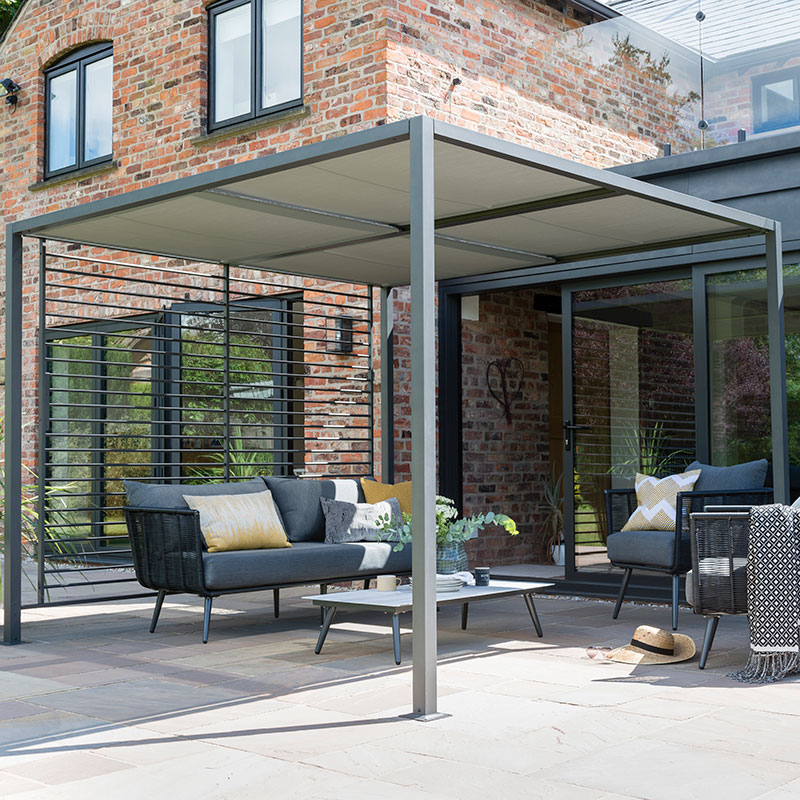
- Square gazebos are easy to place against a terrace edge or in a neat lawn corner. They often suit straight furniture layouts and make the best use of usable floor area.
- Rectangular gazebos give a more directional feel. They can work well for a dining table and chairs, or for a layout where one side is more open to the garden.
- Hexagonal gazebos soften the look. Their faceted shape feels more decorative and can sit nicely as a centrepiece, particularly if you want the gazebo to be seen from several angles.
- Octagonal gazebos create a more traditional garden feature. They often lend themselves to a relaxed, pavilion-style setting and can make the interior feel more like a room.
The difference between these forms is not just visual. A square or rectangular gazebo may offer easier furniture planning, while a hexagonal or octagonal design can feel more enclosed and sociable. If you plan to host a small gathering, the shape can change how people move and where they naturally sit.
Open sides, partial walls and enclosed styles
Another big choice within gazebos 80 sq ft / 8 m² is the side structure. Some designs are open and airy, while others offer more shelter and a stronger sense of enclosure. Neither is simply better; it depends on how you want to use the space.
- Open-sided gazebos feel light and social. They are good for views, breezes and easy access from all sides.
- Partially sided gazebos can provide a bit more definition, with panels or rails that create a gentler boundary without making the structure feel closed in.
- Fully enclosed or screened gazebos suit situations where you want more shelter and privacy. They can make the 8 m² space feel more room-like, which is useful when the gazebo is intended for longer stays.
The main difference is atmosphere. An open structure is more casual and visually larger, while a closed structure feels more contained and purposeful. If your garden already has plenty of openness, a partially sided design can add just enough structure without making the area feel heavy.
Timber, metal and mixed-material character
Material choice matters a lot in this category because it shapes both the look and the tone of the gazebo. A compact footprint means the material detail is more noticeable, so the finish should match the rest of the garden rather than fighting it.
Timber gazebos often suit gardens with planting, natural textures and softer landscaping. They feel warm and familiar, and they can sit well near borders, pergolas and traditional garden furniture. A timber frame often gives the gazebo a more crafted appearance, which is useful if you want the structure to feel like part of the garden rather than an added extra.
Metal gazebos, by contrast, tend to look cleaner and more architectural. They can suit contemporary gardens, paved terraces and settings where you want a crisp outline. Metal frames also often create slimmer lines, which can be handy in an 8 m² space where visual bulk needs to be kept in check.
Mixed-material designs combine frame types or add contrasting roof and side elements. These can work well when you want both a sturdy feel and a more decorative finish. The difference here is mainly about style and visual weight. A lighter-looking frame can make the gazebo feel less intrusive, while a chunkier structure may provide a more settled, sheltered impression.
Roof forms that alter shelter and style
The roof is not just a practical top section. It plays a major role in how the gazebo looks and how the interior feels. In an 8 m² footprint, the roof line can make the whole structure seem taller, lower, sharper or softer.
- Flat or near-flat roofs give a modern profile. They suit straight-lined furniture and contemporary patios.
- Pitched roofs create a more classic gazebo look. They give the structure a stronger silhouette and often feel more traditional in a garden setting.
- Pagoda-style roofs introduce layered lines and a decorative edge. They can make a small gazebo feel more expressive without changing the footprint.
- Curved or domed roof details are less common in this category, but when used they soften the shape and can help the gazebo read as a feature, not just a shelter.
The practical difference is often headroom and presence. A higher roof can make an 8 m² gazebo feel more open, while a lower roof can create a snug, enclosed atmosphere. If you want a dining setup, roof height and clearance matter. If you want a more intimate retreat, a lower roof line can work nicely.
What fits inside 80 sq ft without feeling cramped
One of the main buying questions is always: what actually fits? An 80 sq ft gazebo is compact, but it is not tiny. It can support several sensible layouts if the dimensions are well thought out.
- A small dining set with four chairs is a common fit, especially in square or rectangular layouts.
- A bistro arrangement with two chairs and a table leaves more open floor space and can feel less busy.
- A compact seating cluster works well if the gazebo is meant for conversation rather than full meals.
- A mixed-use layout with a small table plus bench seating can suit social use, though the exact placement depends on the internal shape.
The advantage of this size is that it encourages intentional use. There is room for comfort, but not so much that you fill it with random furniture. That makes the gazebo feel like a deliberate zone. When comparing options, check not just the overall footprint but the usable interior width between posts, because frame thickness can affect what fits in practice.
Different uses, different advantages
The same 8 m² gazebo can serve several purposes, and each one benefits from a slightly different design approach. That is why this category is more flexible than it first appears.
For outdoor dining, a square or rectangular form often works best. It helps keep the table aligned and leaves clearer walkways for chairs. A roof with decent head height helps the setting feel comfortable rather than tight.
For lounging, a hexagonal or octagonal gazebo can feel gentler and more decorative. It creates a softer visual boundary, which is useful when the gazebo is meant for relaxed conversation or afternoon reading.
For garden entertaining, an open-sided structure usually gives better movement and visibility. Guests can step in and out easily, and the gazebo feels connected to the rest of the garden instead of separated from it.
For quiet time, partially enclosed sides or screened panels can add a sense of calm. You get a more defined personal space, which can be especially appealing if the gazebo sits close to a busy house wall or neighbouring boundary.
Style differences that are easy to miss
At first glance, many gazebos in this category seem similar. But the small details make a real difference once the structure is in the garden. Post thickness, roof pitch, corner treatment and side panel design all influence the final look.
A gazebo with slimmer posts tends to feel lighter and less dominant. That can be useful where the garden is narrow or already quite built-up. A gazebo with broader posts feels more grounded and substantial, which can suit a paved entertaining area or a setting with heavier furniture.
Decorative braces and shaped edges introduce a more traditional feel, while clean straight lines support a modern look. If you want the gazebo to blend into planting, natural timber tones and softer roof shapes often work well. If you want it to sit against a hard landscape, sharper lines and darker finishes may be more appropriate.
This is where many buyers find the real difference between a gazebo that simply fills space and one that actually improves the whole garden layout.
Buying tips for a tighter footprint
Because gazebos 80 sq ft / 8 m² are compact, a few practical checks can save frustration later. The main point is to think beyond the footprint on paper and consider how the structure will function once placed.
- Measure the usable area, not just the total space. Allow for posts, access and chair movement.
- Check the garden setting around the gazebo. A small structure can still feel crowded if placed too close to fences, steps or large planting beds.
- Match the shape to the use. Square for neat seating, rectangular for dining, hexagonal for a softer feature look.
- Think about sightlines. A gazebo positioned with a good view through the garden feels more inviting than one tucked away without purpose.
- Compare open and enclosed sides against how private you want the space to feel.
If you are choosing between two similar designs, the difference is often in proportion rather than size. A well-proportioned 8 m² gazebo can feel much more generous than one with awkward spacing or a roof that visually overwhelms the frame.
When compact can still feel considered
There is a particular charm in an 80 sq ft gazebo that has been chosen well. It does not need to dominate the garden to feel useful. In fact, the smaller scale can make the structure easier to integrate with patios, paths, planting and furniture. The result is often a garden that feels more organised, with a clear place for sitting, talking or dining.
This size is also a good option when you want a gazebo to serve a specific role rather than a vague one. Instead of becoming a storage point for spare chairs or a feature that only looks good from a distance, it can be part of everyday outdoor use. That practicality is one of the main reasons people keep returning to this category.
A compact gazebo can also help define an outdoor room without making the rest of the garden feel reduced. If you want shelter and structure, but still want your borders, lawn or paving to breathe, 8 m² gives you a useful middle path.
Choosing the version that fits your garden, not just the catalogue
The best choice in this category usually comes down to how the gazebo will sit in real life. A lovely shape on screen still needs to work with your space, furniture and the way you use the garden. That is why comparing form, openness, roof style and materials is worth the extra time.
If you prefer a clean and modern setting, a rectangular or square gazebo with a simple roofline may feel more natural. If your garden has a softer, more planted character, a hexagonal or octagonal structure with a traditional roof may look better anchored. If privacy matters, side panels or enclosed sections can make the area more usable for longer periods. If flexibility matters, open sides keep the structure adaptable for different occasions.
In the end, gazebos 80 sq ft / 8 m² are about getting the balance right: enough shelter, enough style, enough room to sit properly, and enough presence to feel like part of the garden rather than just an add-on. That is a fairly neat trick for a compact footprint, and when the shape and layout are right, the whole garden tends to feel more finished.
[Sassy_Social_Share]