
Gazebos 200 sq ft / 18 m² - Best Deals in UK!
Showing all 3 results
-
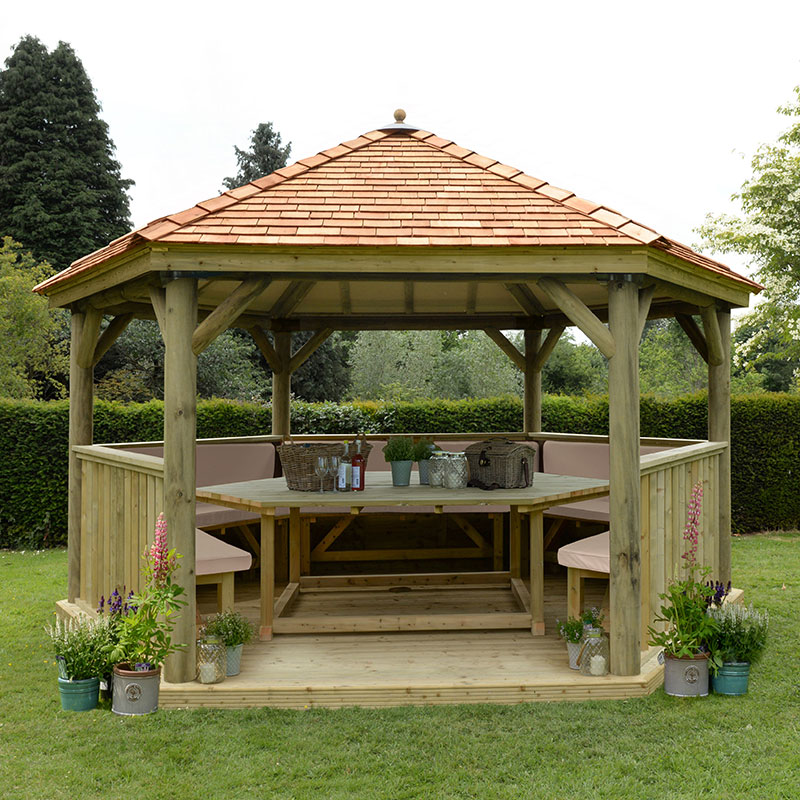
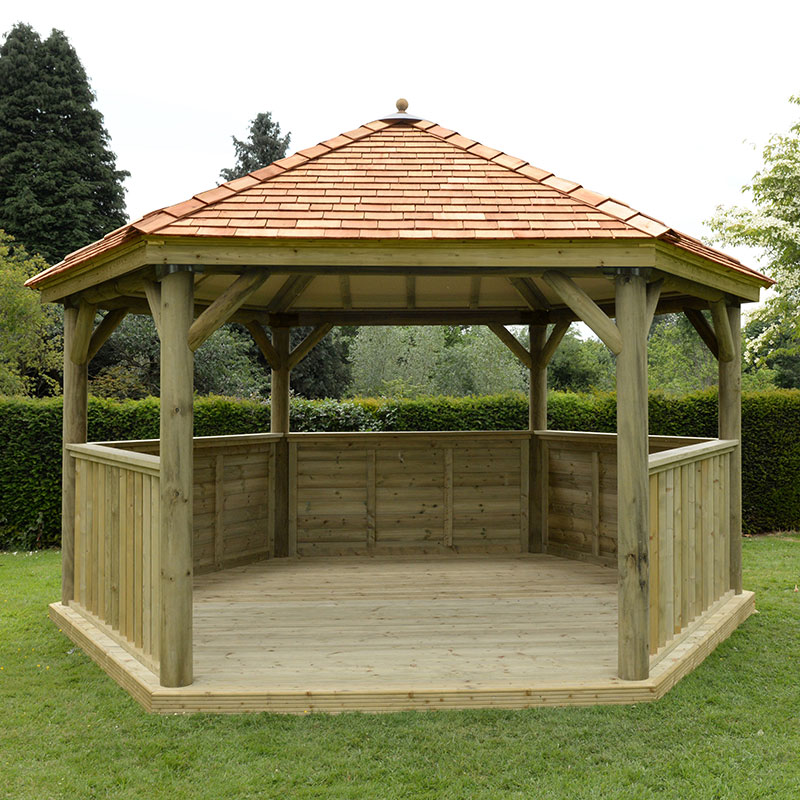
22% OFF: 15’x13′ (4.7x4m) Luxury Wooden Garden Gazebo with New England Cedar Roof – Seats up to 19 people £10,849.9922%

-
19% OFF: 15’x13′ (4.7x4m) Luxury Wooden Furnished Garden Gazebo with New England Cedar Roof – Seats up to 19 people £12,849.9919%

-
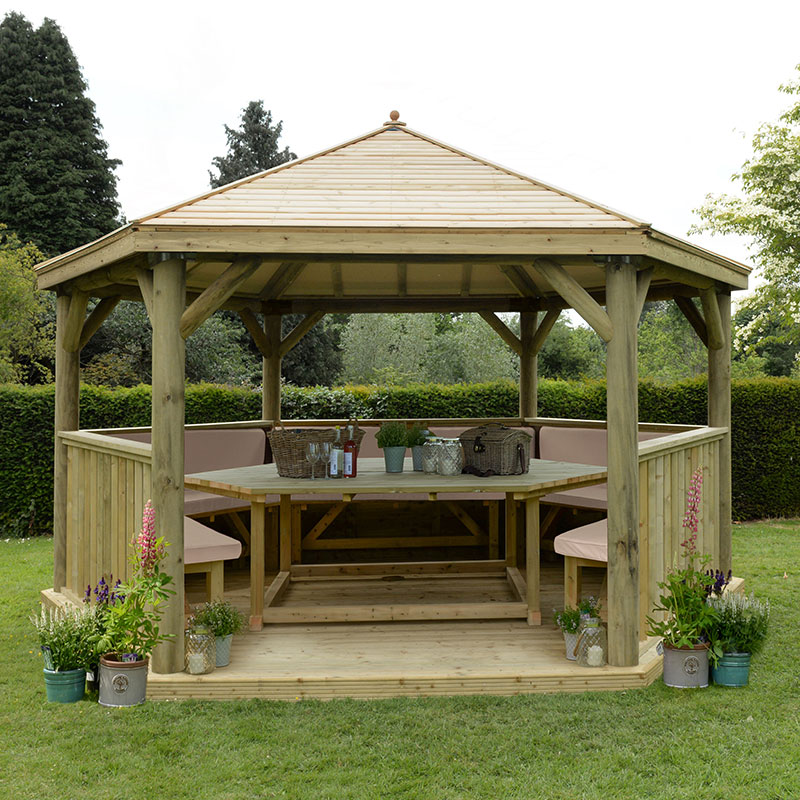
18% OFF: 15’x13′ (4.7x4m) Luxury Wooden Furnished Garden Gazebo with Timber Roof – Seats up to 19 people £9,789.9918%

Gazebos 200 sq ft / 18 m² bring together generous shelter, usable garden space and a proper sense of occasion, with room for dining, lounging or a quiet corner that feels set apart.
Why 200 sq ft Changes the Feel of a Garden
A gazebo at around 200 sq ft / 18 m² sits in a very useful middle ground: large enough to feel like a real outdoor room, but not so big that it overwhelms an average garden. In practice, that size often works out as roughly 14 x 14 ft, 20 x 10 ft or other layouts with similar floor area, so the footprint can be shaped to suit the garden rather than forcing the garden to adapt. For many buyers, that makes this category interesting because it opens up more than one use at once, from a dining zone to a covered seating area, sometimes both.
The charm is not only in size. A gazebo in this bracket gives structure to an outdoor space. It creates edges, defines purpose and makes a garden feel planned without feeling overdone. Compared with a small canopy or a compact shelter, a 200 sq ft gazebo allows people to sit, stand, move and gather without constantly bumping into one another. That difference is easy to miss on paper, but obvious once furniture is inside.
Shapes That Suit the Space, Not Just the Sketch
One of the key choices in this category is shape. The floor area may be similar, but the feel changes a lot depending on whether the gazebo is square, rectangular, octagonal or even a softer round form. Each shape has its own rhythm, and the right one depends on how the space will be used.
Bestseller der Kategorie Gazebos 200 sq ft / 18 m²
- Square gazebos feel balanced and easy to furnish, especially for central tables or symmetrical seating.
- Rectangular gazebos are useful when the garden edge, patio or decking runs in a long line, or when dining and lounging need to sit side by side.
- Octagonal gazebos add a classic garden look and can soften the overall appearance of a larger structure.
- Round or curved forms are less common in this size, but they can create a more relaxed, pavilion-style atmosphere.
The difference is not only visual. A rectangular gazebo often gives more practical wall placement for tables, benches or storage pieces, while a square gazebo can feel more open in the middle. An octagonal design may reduce the sense of hard corners, which some buyers prefer when the gazebo is meant to sit in a lawn or planting area. It is not just about looks; shape affects movement, sightlines and how people settle into the space.
Open Sides, Half Walls or Full Shelter?
Gazebos in the 200 sq ft / 18 m² range are not all built the same way. Some are open on every side, some include partial panels or balustrades, and others are more enclosed with full-height sides. That change sounds small, but it alters the whole character of the garden feature.
An open-sided gazebo suits social spaces where the view matters and air flow is part of the appeal. It feels lighter and keeps the connection with the rest of the garden. A partially enclosed gazebo can give a bit more definition and visual privacy without turning the structure into a solid room. Meanwhile, a fully roofed and sided gazebo gives stronger shelter and a more enclosed feel, which can make the space feel usable for longer parts of the day. Buyers often choose between these forms based on whether the gazebo is meant to frame the garden or create a sheltered pocket within it.
In this size category, the extra area means those side decisions matter more. You have enough room to create a genuine outdoor setting, so the structure should match the purpose rather than just cover space. A gazebo that is too closed can feel heavy, while one that is too open may not give enough definition. Finding the balance is often the whole point.
Roof Styles That Shape the Mood
The roof is another part that changes the look and the use of the gazebo. In a structure around 18 m², the roof shape can make the space feel more formal, more relaxed, or more architectural. Buyers often compare a pyramid roof, hip roof, pagoda-style roof or a flatter profile, even if the base size is similar.
- Pyramid roofs give a neat, central finish that suits square footprints well.
- Hip roofs create a settled, steady appearance and often work nicely with larger rectangular layouts.
- Pagoda-inspired roofs add a decorative lift and can make the gazebo feel more distinctive.
- Flatter roof profiles can sit more quietly in modern gardens, especially where the aim is a clean line.
The roof also influences how the gazebo sits in relation to nearby trees, fences and the house. A taller roof can make the structure feel more generous inside, while a lower profile may suit a garden with limited vertical space. For many buyers, the roof is where the gazebo starts to feel like a feature rather than just a shelter, which is probably why it becomes one of the first things people compare.
Materials: What You See, What You Feel, What Fits
Material choice in this category is often about the balance between appearance, weight and the kind of outdoor setting you already have. You will see gazebos in this size made with timber, metal frames, and in some cases mixed constructions that combine different materials. Each has a slightly different character.
- Timber gazebos tend to feel warm, natural and suited to planting-heavy gardens or traditional settings.
- Metal-framed gazebos usually give a cleaner outline and can suit more contemporary spaces.
- Mixed-material designs can combine visual softness with a sharper frame, helping the gazebo bridge old and new garden features.
At 200 sq ft, material choice has a bigger visual effect than people expect. A timber structure of this size can feel almost like a garden room, especially with substantial posts and a deeper roof. A metal-framed version may appear lighter, which can be useful if the aim is to keep sightlines open across the garden. There is also a difference in the way each material supports the overall style: timber suits a softer, more planted look, while metal often feels more defined. Neither is right for every space, but the contrast is useful when the garden already has a strong design direction.
Dining, Lounging, Gathering: The Uses That Fit the Footprint
One reason this category appeals is the amount of real usable space. A 200 sq ft gazebo is large enough for a proper outdoor dining set, with room left around the edges for movement. It can also work as a lounging zone with sofas, armchairs or a mixed seating arrangement. In some gardens, it becomes the place for a long table and a separate corner chair, which is a layout that smaller gazebos simply cannot handle.
That ability to divide the space is a genuine advantage. A buyer may not need a full outdoor kitchen or a highly fixed layout to benefit from the extra area. Even with straightforward furniture, the gazebo can create zones: one side for sitting, one side for serving, and a middle space that stays open. That kind of flexibility is part of what makes this size practical rather than merely decorative.
It also helps with entertaining. Guests are not squeezed together, and the structure gives the gathering a clear centre without making the area feel crowded. If you want a place that feels ready for both casual drinks and a more arranged meal, this size can do both without too much compromise.
Why 200 sq ft Feels Different from Smaller Shelters
Smaller gazebos can be charming, but they tend to serve one main function. The 200 sq ft / 18 m² category gives more options because there is enough room to think in layers. For instance, a smaller structure might hold a table, but not much else. This size can hold the table, chairs and still leave circulation space, which makes the area feel less cramped and more usable over time.
There is also a difference in presence. A gazebo of this footprint becomes part of the garden composition. It is visible from the house, from the lawn, from paths and seating areas. That can be a benefit if you want a focal point. It can also help the garden feel more finished, as though there is a destination within it rather than a shelter added as an afterthought. That may sound a bit subtle, but it is often what buyers are actually trying to achieve.
Compared with very large structures, this category stays easier to place. It asks less from the garden while still offering enough room to matter. That middle position is useful, especially where the buyer wants a clear feature but not a dominating one.
Placement Tips That Make the Size Work Harder
Where a gazebo sits can change how successful it feels. In this size range, placement should reflect both the shape of the garden and the intended use. A few small decisions can make the whole structure work better.
- Near a patio if the gazebo is intended for dining or regular seating.
- At the end of a lawn if you want it to act as a destination feature.
- Along a boundary if the aim is to use the structure as a shelter with a more private feel.
- Within a planting scheme if you want the gazebo to sit naturally in the garden rather than stand apart from it.
The shape of the footprint matters here as well. A rectangular gazebo often suits edges and straight runs, while a square gazebo can sit well as a central focal point. If the garden has long views, the gazebo should be placed so it frames rather than blocks them. If the garden feels exposed, a more enclosed style may suit better. The point is not simply to fit the area; it is to let the gazebo improve how the space is experienced.
Choosing Between Classic and Contemporary Looks
This category includes gazebos that feel very traditional, and others that lean more modern. The choice is often less about trend and more about what already exists in the garden. A classic gazebo with a shaped roof, timber posts and a more decorative outline can sit nicely among cottage planting, brick paths or mature borders. A more contemporary version with straighter lines, cleaner framing and less ornament can match paved areas and modern garden furniture.
At 200 sq ft, both directions can work because the structure is large enough to make a statement either way. The difference is in mood. Classic forms usually feel softer and more established, while modern forms feel firmer and more architectural. Some buyers choose a middle route: a simple frame with a roof shape that nods to tradition. That blend can be easier to place if the garden has mixed features, which is quite common really.
What Buyers Often Look for Before They Decide
When people browse gazebos in this category, they are usually comparing more than price. They want to know whether the structure suits the space, how the roof will look, and whether the shape supports the way they plan to use it. A good purchase tends to answer a few practical questions clearly:
- Does the footprint match the garden layout?
- Will the shape suit the furniture arrangement?
- Does the roof style fit the rest of the outdoor space?
- Is the overall look open, enclosed or somewhere in between?
- Will the gazebo feel balanced from the house and from the garden itself?
These are the questions that help people move from browsing to buying. A gazebo in the 200 sq ft / 18 m² range is a fairly significant addition, so the decision usually comes down to confidence: confidence that the size works, the form feels right and the structure will earn its place in the garden rather than just occupy it.
A Garden Feature with Room to Breathe
The appeal of gazebos in this category is the combination of shelter and spaciousness. They give a garden a stronger centre, but they still leave enough openness to feel outdoors. They can be decorative, sure, but they are at their best when they are genuinely useful: somewhere to sit longer, gather more comfortably and shape the way the garden is used through the seasons.
If you are comparing square, rectangular, octagonal or more open pavilion-style gazebos, the real question is not which one looks best in a photograph. It is which one makes the garden feel more coherent once people, furniture and view lines are all in place. In this size range, the answer often comes down to how well the structure balances presence with ease. That balance is what makes a 200 sq ft / 18 m² gazebo such a practical and attractive choice for buyers who want something with substance, but not something that takes over the whole plot.
[Sassy_Social_Share]