
Gazebos 100 sq ft / 9 m² - Best Deals in UK!
Showing all 2 results
-
12% OFF: 10′ x 10′ Garden Must Haves Runcton Grey Polycarbonate Garden Gazebo (3m x 3m) £659.9912%

-
12% OFF: 10′ x 10′ Garden Must Haves Pandora Leaf Adjustable Garden Gazebo (3m x 3m) £474.9912%

Gazebos 100 sq ft / 9 m² suit compact gardens, patios and sheltered dining spots, with octagonal, square, rectangular and pavilion styles offering different looks, layouts and uses.
Why 100 sq ft feels just right
A gazebo in the 100 sq ft / 9 m² range is often the point where a garden structure stops feeling like an add-on and starts feeling like a proper outdoor room. It is large enough for a table and seating, a relaxed conversation corner, or a covered space for a hot tub-style layout if the shape allows, yet it still sits neatly in a typical back garden without taking over the whole plot. For many buyers, this size is appealing because it gives structure to the garden without demanding a huge footprint. It can act as a focal point, a gathering place, or a sheltered edge for the garden that looks intentional rather than squeezed in.
The real strength of this size is balance. A smaller gazebo can feel tight once furniture is added, while a bigger one may need more planning and a more generous garden setting. At 9 m², you get enough floor area to think in zones: sitting, dining, storage for cushions nearby, or an open centre with seating around the edge. That makes it a smart choice for buyers who want something practical but still visually light.
Shapes that change the whole feel
When people compare gazebos in this category, shape is often the first thing that changes how the space works. The footprint may be around the same, but the experience inside can be very different.
Bestseller der Kategorie Gazebos 100 sq ft / 9 m²
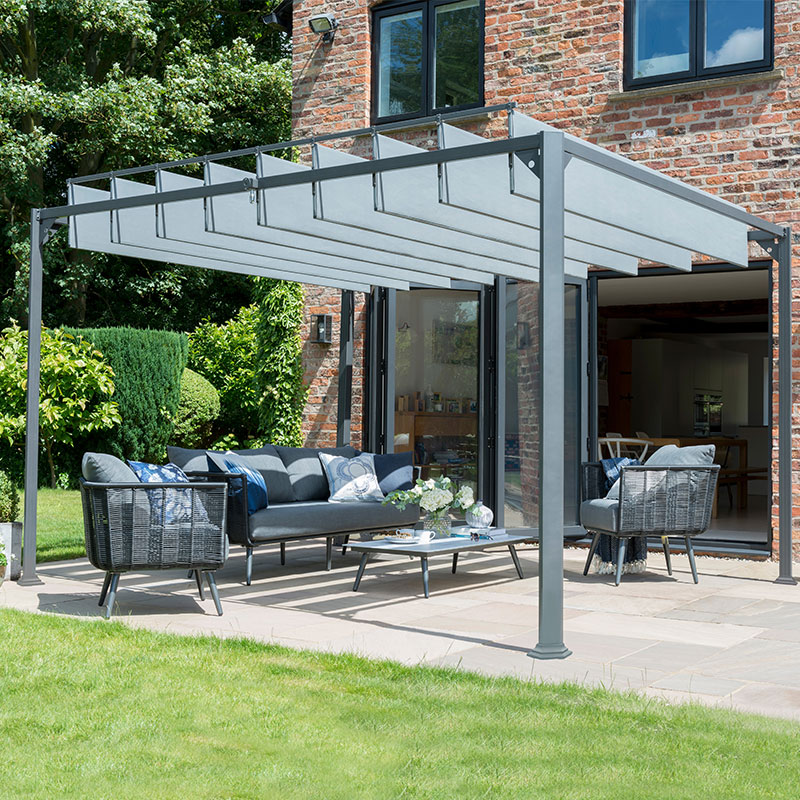
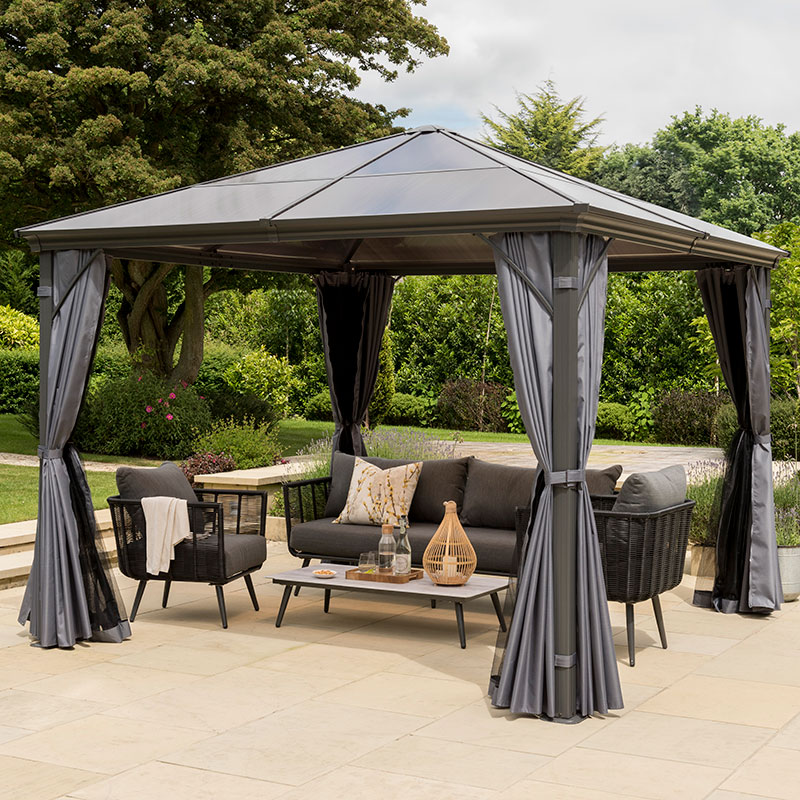
- Square gazebos create a clear, efficient layout. They suit benches, compact dining sets and symmetrical gardens, and they tend to make furniture placement easier.
- Rectangular gazebos suit longer seating arrangements or a table that needs a little more room. They often feel better for dining than very tight square designs.
- Octagonal gazebos give a softer, more decorative look. They can feel more traditional and are a good fit when the structure is meant to be a feature, not just a shelter.
- Hexagonal forms sit somewhere between practical and decorative. They often give a pleasing flow, especially in gardens with curved paths or planting beds.
- Pavilion-style gazebos usually have a more open, airy presence. They can make a 100 sq ft area feel less enclosed, which some buyers prefer.
The shape also affects how the gazebo sits in the garden. A square or rectangular version may tuck neatly against a boundary, while an octagonal one often needs a bit more visual space around it to breathe. That does not mean one is better than the other, just that the choice changes the feel quite a lot.
Open sides, partial walls, or full shelter
Another big difference is how enclosed the gazebo is. Some buyers want a structure that feels open to the garden, while others prefer a more defined room-like space. In this size, both approaches can work well.
Open-sided gazebos suit sociable setups where the aim is to frame the view and create cover without closing things off. They are often chosen for dining, drinks or a relaxed seating area because they keep the connection with the garden. Partially enclosed designs may include side panels, rail-like detailing or a more solid back section, which can help create a sense of shelter and give the structure more presence. Fully roofed gazebos offer a more dependable overhead cover and tend to feel more like an outdoor room, especially if the roof has a defined pitch.
The choice is not just about weather. It is also about atmosphere. Open designs feel lighter and more informal, while more enclosed options feel quieter and a touch more private. If the gazebo is going to be used for longer sit-down meals or as a day-long social space, that extra sense of enclosure can make the area feel more settled.
Frame materials that shape the character
In this category, material matters because it changes the look, the weight of the structure and how it sits in the garden. Buyers usually compare the frame first, then the roof form and side details.
- Timber gazebos bring a natural look that blends well with planting, gravel, decking and traditional garden layouts. They often suit people who want the structure to feel warm and established rather than sharp and modern.
- Metal-framed gazebos usually have a cleaner outline and can feel more structured. They work well in contemporary gardens and can suit more defined outdoor seating areas.
- Mixed-material designs combine a frame with different roof or side elements, giving a bit more visual contrast. These can be useful when the aim is to match other features in the garden.
The difference between these is not only appearance. A timber gazebo often feels more in step with planting and softer garden edges, while a metal frame can give a more geometric look that suits paving or a more formal layout. If the garden has a lot of straight lines already, a softer gazebo shape can be a useful counterpoint. If the garden is full of curves and loose planting, a crisp frame can bring structure.
Roof lines that do more than look good
The roof is one of the most defining features of a gazebo, and in the 100 sq ft / 9 m² range it can change both the appearance and the sense of space underneath. Buyers often underestimate how much roof shape influences the final feel.
Pitched roofs give a classic gazebo appearance and help the structure feel taller at the centre. That can make the interior feel less cramped and more usable, especially when people are standing or moving around. Low-profile roofs keep the overall height restrained, which can suit gardens with lower boundary lines or a more modest visual style. Pagoda-style roof shapes, where used, bring a more distinctive silhouette and can make the structure read as a feature even from across the garden.
The roof shape also changes how formal or relaxed the gazebo appears. A tall, pitched roof has a more traditional character, while a flatter profile often feels more contemporary. For some buyers, this is the detail that decides whether the gazebo feels like a centrepiece or simply a covered spot.
What fits inside 9 m² without feeling cramped
One of the reasons people choose gazebos around this footprint is that the space can be used in different ways, depending on the furniture. It is a practical size because it supports a few layout options rather than forcing just one.
- A compact dining set with room to sit and move chairs back, especially in a square or rectangular gazebo.
- A conversation layout with benches, stools or a small set of armchairs arranged around the edge.
- A lounging arrangement where the centre is kept open and softer seating sits along two sides.
- A feature seating nook that frames the gazebo as a quiet garden room rather than a busy entertaining space.
The important point is that the available area is enough to create a proper use, not just a decorative shelter. That makes these gazebos attractive for buyers who want a structure that earns its place. It is small enough to remain manageable, but not so small that it only works for one chair and a table.
How different uses change the best choice
Not every gazebo in this size is suited to the same purpose. The best choice depends on how the space will be used most often.
For dining, a rectangular or square gazebo often works well because the furniture can sit cleanly inside the footprint. The edges feel easier to organise, and the centre can stay clear enough for movement. For relaxing and reading, an octagonal or pavilion style can feel more inviting because the shape has a softer, less rigid character. For hosting friends, an open-sided design can be better because it keeps sightlines open and allows the space to feel connected to the rest of the garden.
There is also a visual difference between a gazebo meant as a destination and one meant as an accent. A destination gazebo becomes the place people head towards, so the shape and roof presence matter more. An accent gazebo acts more like a frame for the garden, so lighter detailing and a more open feel may suit it better.
Small footprint, useful presence
A gazebo of 100 sq ft / 9 m² can solve a common garden problem: how to add a defined outdoor space without making the whole plot feel crowded. This matters especially in gardens where the lawn is not huge, or where there is already a patio, path or planting scheme that should not be overwhelmed.
Because the size is contained, the gazebo can create strong visual order. It gives the eye somewhere to land. That can make even a plain garden feel more composed. It can also help divide areas naturally, separating a dining zone from a play area or a planting edge from the main terrace. In other words, the gazebo does more than provide cover; it helps the garden make sense.
This is also why many buyers see the 9 m² range as a sensible middle ground. It gives enough presence to matter, but not so much bulk that it dominates every view. That is a fine line, and this size often sits in it quite well.
Details that make one gazebo feel different from another
When comparing options, the finer points can be just as important as the headline size. Small changes in structure alter how the gazebo looks and how easy it is to live with.
- Post thickness changes the visual weight. Thicker posts can feel more grounded and robust, while slimmer ones look lighter.
- Corner treatment affects style. Clean corners feel contemporary, while more shaped or decorative joints lean traditional.
- Roof overhang can give the gazebo more shade and a stronger outline.
- Side openness influences privacy and airflow, which changes how enclosed the space feels.
- Floor plan proportions matter a great deal. Even in the same square metre size, a well-proportioned layout feels easier to furnish.
These are the details buyers notice once they start imagining the gazebo in their own garden. A structure may look similar at first glance, but when you picture the furniture, the paths and the view from the house, the differences become clearer. That is often where the decision is made.
Picking the right style for the garden you already have
The most convincing gazebo is usually the one that looks as though it belongs there. That does not mean it has to disappear; it should still stand out enough to feel like a proper feature. But the best choice often matches the existing garden language.
If the garden is full of soft planting, curved borders and natural textures, a timber octagonal gazebo or a softer pavilion shape may sit very comfortably. If the garden is more modern, with paving, straight edges and clear geometry, a square or rectangular gazebo with a cleaner frame may look more at home. In a mixed garden, where there is both planting and structure, either approach can work depending on whether you want the gazebo to blend in or draw attention.
It is worth thinking about the view from inside the house as well. A gazebo often becomes part of the everyday outlook, not just something seen when you step outside. A design with good lines and a shape that suits the garden can improve the whole scene, even when it is not being used.
What makes buyers choose this size again and again
There is a clear reason gazebos around 100 sq ft / 9 m² stay popular: they offer a usable amount of space without asking for a huge commitment. They are large enough to feel substantial, small enough to remain realistic for many gardens, and flexible enough to suit several different styles of use.
For some buyers, the decision comes down to the wish for a sheltered dining area. For others, it is about adding a focal point that brings structure to the garden. Some simply want a place that feels a bit separate from the rest of the outdoor space, somewhere that marks the garden as more than just open ground. This size works for all of those aims, and that is no small thing.
If the aim is to buy once and use often, this category deserves attention. The right gazebo here can be a place for meals, conversation, quiet sitting or simply giving the garden a more finished look. The choice of shape, roof line, material and openness all shape the result, so it is worth comparing them carefully rather than choosing only by first impression.
A final thought before choosing
In this size range, the best gazebo is the one that fits the way you actually want to use the garden. If you want neat order, pick a shape that supports furniture well. If you want a softer visual effect, look for more rounded forms. If you want the gazebo to feel like a proper outdoor room, lean towards fuller shelter and a stronger roof presence. If you want it to sit quietly in the landscape, a lighter, more open design may be the better fit.
Gazebos 100 sq ft / 9 m² offer enough room to be useful, enough character to matter, and enough variety to suit different gardens without feeling overdone. That mix is what makes this category worth a close look.
[Sassy_Social_Share]