
garden rooms with sliding doors - Best Deals in UK!
Showing all 4 results
-
Palmako Andrea 5.95m x 3m Contemporary Log Cabin with Gazebo Sliding Doors (44mm) £9,489.00

-
Palmako Andrea 3.9m x 3m Contemporary Log Cabin with Gazebo Sliding Doors (44mm) £7,749.00

-
Palmako Andrea 3.9m x 3m Double Glazed Contemporary Log Cabin with Gazebo Sliding Doors Plus (44mm) £8,989.00

-
Palmako Andrea 5.95m x 3m Double Glazed Contemporary Log Cabin with Gazebo Sliding Doors Plus (44mm) £10,749.00

Garden rooms with sliding doors bring a clean, open feel to outdoor living, with space-saving access, wider views, and clear options in frame style, glazing, and layout for modern gardens.
When the wall becomes a view
A garden room with sliding doors changes how the space feels before you even move a chair inside. Instead of a hinged door that asks for swing space, the panels glide sideways and keep the room feeling open, neat and easy to arrange. That makes them a smart fit for tighter plots, patios that sit close to the building, and layouts where you want furniture placed right up to the opening without it getting in the way.
The main appeal is the way the door system links indoors and outdoors without making the room feel cut off. You still get a proper enclosed room, but the opening can feel broad and light-filled, especially when the doors are set into large glazed sections. For many buyers, that balance between privacy, shelter and outlook is the point. You are not just adding a room; you are creating a place that can feel calm on a damp afternoon and connected to the garden when the weather is kind.
Sliding door styles that shape the room
There are a few common approaches, and the differences matter more than people sometimes expect. A standard sliding patio door usually has two or more panels on tracks, with one panel moving past another. This keeps the opening simple and familiar. A larger multi-panel sliding door gives a wider span, often with several leaves running along one line, which suits broader garden room frontages and creates a more open finish when the doors are slid back.
Bestseller der Kategorie garden rooms with sliding doors
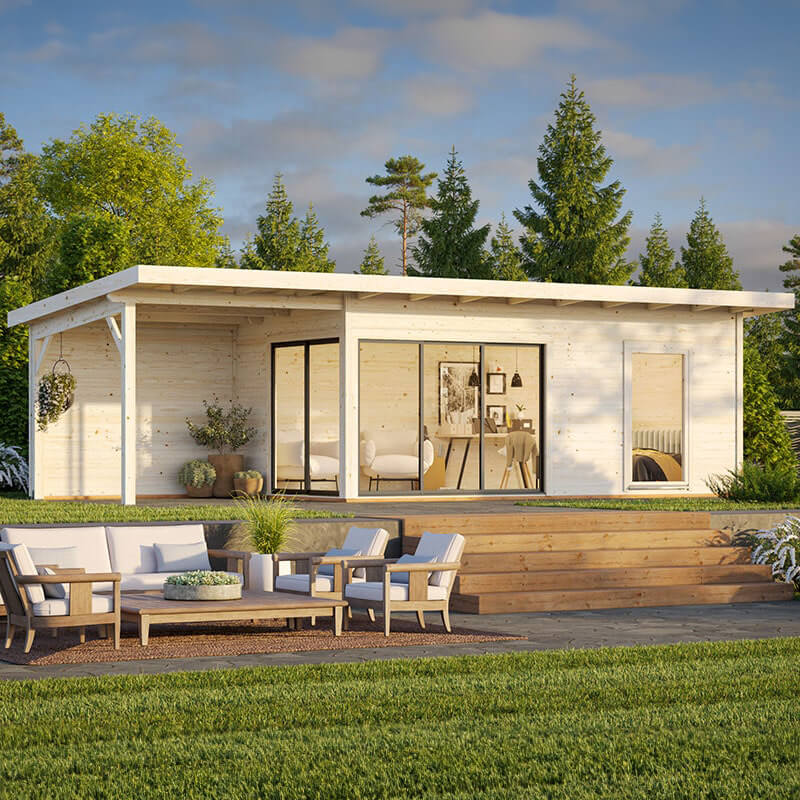
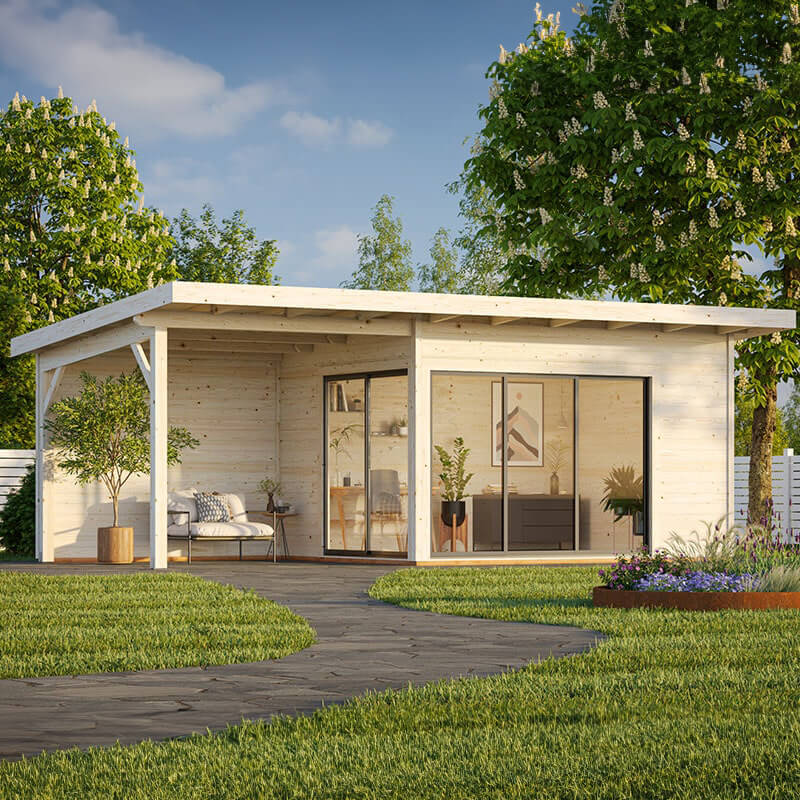
Some designs use a corner sliding arrangement, where one side of the room can open in a way that softens the corner and draws the eye out to the garden. Others favour a more straightforward front elevation with a central opening and fixed side lights. Each version changes the feel of the room:
- Single sliding panel systems suit smaller garden rooms and simpler layouts.
- Two- or three-panel systems give a broader aperture and a lighter visual effect.
- Corner-opening layouts create a more panoramic connection to the outside.
- Fixed-and-sliding combinations keep more glass in place while still giving usable access.
In practical terms, the choice often comes down to how much of the wall you want to open, how much wall space you want left for furniture, and whether you prefer the opening to feel discreet or make a clear design statement.
Framed, frameless-looking, and somewhere in between
The frame style has a big effect on the look of a garden room with sliding doors. Slim aluminium frames are often chosen for a crisp, contemporary appearance and can make the glass appear more dominant. That suits modern garden buildings where straight lines and clean edges matter. Timber or timber-look frames can feel softer and more in tune with traditional planting schemes or a garden that leans more rustic. uPVC options are often chosen for a familiar look and a more budget-conscious approach, although the visual profile can be chunkier.
It is worth looking at how the frame reads from both inside and outside. A slim frame can make the garden view feel less interrupted, while a deeper frame can sometimes give a sense of substance and solidity. Neither is automatically better. They serve different tastes and different building styles. If the room is intended as a home office, hobby room or quiet reading spot, the frame can also influence how enclosed or airy the room feels at desk height and seated eye level.
What the glass changes, beyond the obvious
Sliding doors are often sold on the basis of access and light, but the glazing choice matters just as much. Large glazed panels can pull daylight into the room and make the inside feel less boxed in, which is useful if the room sits at the back of a long garden or faces a less open corner. The visual effect can be especially noticeable in darker months, when a room with generous glazing holds onto a brighter character even if the weather is grey.
Different glazing builds also help define the function of the room. Clear glazing emphasises the view and gives the room a more open mood. Tinted or solar-control glass can help reduce glare in rooms that face strong afternoon sun. Double or even higher-spec glazing choices can improve comfort if the garden room is meant to be used through more of the year. Buyers often overlook this and focus only on the door track, but in truth the glass is part of the whole experience.
Why sliding doors suit garden rooms so well
There are several reasons this combination works. First, space efficiency: because the doors do not swing out, they do not demand a clear arc in front of the opening. That is handy if you want a table, bench or plant display close to the doors without blocking movement. Second, usable opening width: even when partially open, the space can still feel easy to pass through. Third, visual flow: the long horizontal line of a sliding door can make the room appear wider and more settled.
The other advantage is the way sliding doors can calm the transition between inside and out. A hinged door often creates a firm sense of threshold. Sliding panels feel a bit softer, a bit more relaxed. That matters if the garden room is meant to be used as a social space, a small retreat, or somewhere to sit with coffee while watching the garden rather than stepping fully into it.
For buyers comparing options, this is often where the difference becomes clear. A garden room with standard access may do the job, but a sliding door setup often gives the room a more deliberate finish. It feels designed, not just fitted.
Different forms for different plots
Garden rooms with sliding doors are not one fixed format. On a narrow plot, a single wide opening at the front may be enough. On a more generous garden, the glazing can run across a longer elevation and the door section can sit within a larger glass wall. Some people prefer the doors on the front face so the room opens straight towards the main garden view. Others choose a side position so they can keep the strongest outlook while also making access less direct.
There is also a difference between a room that uses sliding doors as the main entrance and a room that uses them as the garden-facing feature. If the doors are the principal entry point, the room gains a more open, pavilion-like character. If they are used as a feature wall, the space can stay more private while still feeling connected to the outside. This detail is worth thinking about early, because it changes where you place seating, work areas, storage and even lighting.
The everyday benefits people actually notice
Some benefits show up on day one, not just on paper. One is the ease of moving through the opening, especially when carrying trays, garden cushions, tools or anything awkward. Another is the ability to keep the room feeling uncluttered, since there is no door leaf taking up floor area when open. This can make compact garden rooms feel more usable, not just prettier.
There is also the effect on the room’s atmosphere. Sliding doors can make a small building feel less sealed off from the plot, while still providing cover from rain and wind. That makes the room more flexible across the seasons. On bright days, you can open it up and let the garden become part of the setting. On cooler days, you still have the view and light without needing to stand outside to enjoy them.
For people who entertain, this is useful too. The opening can make serving drinks, moving between spaces, or chatting across the threshold much easier. It is a small shift, but it changes how the room is used in real life.
Choosing between clean lines and a softer look
One of the more important differences is visual style. A contemporary garden room with sliding aluminium doors tends to have sharp lines, narrow sightlines and a more architectural finish. That can sit well beside modern paving, rendered walls and simple planting. If the rest of the garden leans structured, it often feels like a natural fit.
A room with wider framing or a more traditional finish feels different. It can sit more comfortably in cottage-style gardens, older properties or spaces with more organic planting. The door system does not have to look flashy or severe; it can simply echo the mood of the garden. This is where many buyers pause and compare. They are not only choosing a door mechanism, they are choosing the tone the room gives off when seen from the house and from the border path alike.
Useful details that are easy to miss at first glance
There are a few practical points worth checking when comparing sliding doors for a garden room. Track quality matters because it affects how the panels sit and move. The visible handle style also changes the look, especially from inside, where you will notice it every time you use the room. Threshold design is another one. A low threshold can make the transition feel neat and more open, while a deeper threshold may feel more pronounced but could suit certain build details better.
It is also sensible to think about the panel ratio. Some systems have one fixed panel and one moving panel, while others allow the opening to be centred in a different way. That affects how much glass remains in place when the doors are open and where the opening sits in the overall composition. In a garden room, those details affect furniture placement, view lines and the way daylight reaches the interior.
If you are comparing products, ask yourself not just how wide the opening is, but how the room will feel when the doors are shut too. A good sliding door should look balanced from outside, not just perform well when open.
What to match with the room, not just with the door
The best result often comes when the doors are considered as part of the whole building. The roofline, cladding and internal layout all influence whether the sliding doors feel integrated or added on. A sleek glazed frontage can suit a minimalist room with flat roof lines and restrained materials. A more textured exterior may need a door frame that does not look too stark against the rest of the structure.
Think also about orientation. If the room faces a particularly bright area, larger glazed sections may feel wonderful but can need more thought about how the interior will be arranged. If the view is the main selling point, sliding doors should frame it rather than fight with it. And if the garden room is meant for year-round use, then the door configuration should support both comfort and outlook, not just one of them.
Small tips that make a bigger difference than expected
When people buy garden rooms with sliding doors, they often focus on size first. Size matters, of course, but the feel of the room is shaped just as much by the door position, the panel split and the sightline from the main seating area. A few simple choices can make the room more usable:
- Place the main sitting zone where the best view through the glass is uninterrupted.
- Keep the opening clear of large furniture if you want the room to feel easy to move through.
- Choose a door width that suits real use, not just a visual estimate on a plan.
- Match the frame finish to the rest of the building so the frontage feels joined up.
- Consider how much wall space is left for lighting, shelving or a desk.
These are not dramatic changes, but they help the room work as a place you actually spend time in. That is often what turns interest into a decision.
Why buyers keep coming back to this type of design
There is something satisfying about a garden room that opens smoothly and looks composed when closed. It gives the garden a more finished focal point without overpowering it. For buyers, that can be the difference between a room that is simply useful and one that feels like part of the home’s daily rhythm. The sliding door format offers that in a way that feels modern but not overdone.
It also offers choice. A buyer can go for a narrower, more discreet arrangement or a broader glazed frontage with a stronger visual impact. They can lean towards privacy, daylight, wide openings or a more enclosed feel. That flexibility is useful because gardens are all different. A design that works in a compact courtyard will not feel the same as one set at the end of a larger lawn. The sliding door system lets the room respond to that difference rather than forcing the same answer everywhere.
The last look before you decide
When comparing garden rooms with sliding doors, it helps to think in layers: the mechanism, the frame, the glazing, the opening width and the way the room sits in the garden. Taken together, these details shape how the room works day to day and how it feels from both inside and outside. A well-chosen sliding door setup can give you a room that feels open without losing shelter, polished without feeling cold, and practical without looking plain.
If you want a garden building that feels easy to use and visually calm, this category has a lot to offer. The appeal is not only in the view, but in the way the room behaves — how it opens, how it frames the outside, and how it gives the garden a more considered edge. That is often what makes a buyer stop and think this might be the right fit after all.
[Sassy_Social_Share]