
Fencing - discount offers - Best Deals in UK!
Showing 37–48 of 53 results
-
30% OFF: Forest 6′ x 6′ Pressure Treated Contemporary Double Slatted Fence Panel (1.8m x 1.8m) £124.9930%

-
29% OFF: Forest 6′ x 3′ Pressure Treated Contemporary Slatted Fence Panel (1.8m x 0.9m) £69.9929%

-
27% OFF: Forest 6′ x 5′ Kyoto Decorative Fence Panel (1.8m x 1.5m) £79.9927%

-
27% OFF: Forest 6′ x 4′ Pressure Treated Contemporary Slatted Fence Panel (1.8m x 1.2m) £79.9927%

-
24% OFF: Forest 6′ x 5′ Pressure Treated Vertical Closeboard Fence Panel (1.83m x 1.52m) £59.9924%

-
24% OFF: Forest 6′ x 6′ Vertical Closeboard Fence Panel (1.83m x 1.85m) £59.9924%

-
24% OFF: Forest 6′ x 3′ Pressure Treated Contemporary Double Slatted Fence Panel (1.8m x 0.91m) £89.9924%

-
23% OFF: Forest 6’x6′ Pressure Treated Vertical Tongue and Groove Fence Panel (1.83m x 1.83m) £114.9923%

-
23% OFF: Forest 6′ x 6′ Pressure Treated Tongue and Groove Fence Panel (1.83m x 1.83m) £114.9923%

-
23% OFF: Forest 6′ x 4′ Vertical Closeboard Fence Panel (1.83m x 1.22m) £52.9923%

-
21% OFF: Forest 6′ x 5’6 Vertical Closeboard Fence Panel (1.83m x 1.69m) £58.9921%

-
20% OFF: Forest 6′ x 5′ Vertical Closeboard Fence Panel (1.83m x 1.52m) £54.9920%

Fencing discount offers for gardens, allotments and outdoor boundaries: compare panel fencing, picket styles, post-and-rail, lattice tops and more, with budget-friendly choices for privacy, edging and clear property lines.
Which fencing style suits the job?
When people look at fencing discount offers, they are usually trying to match a fence to a very practical need: mark a border, screen a seating area, keep pets in, or simply make a space look finished. The right choice depends less on “what is on offer” and more on what the fence actually has to do. A solid closeboard fence gives a different result from an open post-and-rail fence, and a neat lap panel sits somewhere in between.
It helps to compare the main forms before buying:
- Closeboard / feather edge fencing for privacy and a heavier look
- Lap panels for a tidy, straightforward boundary at a lower price point
- Slatted fencing for a lighter feel and partial screening
- Picket fencing for decorative edging without blocking the view
- Post-and-rail fencing for open boundaries, paddocks, and larger plots
- Trellis sections for topping a fence or creating a less solid screen
Discount offers that actually change the buying decision
Not every discount means the same thing. Sometimes the offer is on a single panel, sometimes on a bundle, and sometimes on matching posts or accessories. That matters because fencing is one of those purchases where the visible price can be a bit misleading if you still need posts, gravel boards, fixings, or a gate to complete the run.
Bestseller der Kategorie Fencing - discount offers
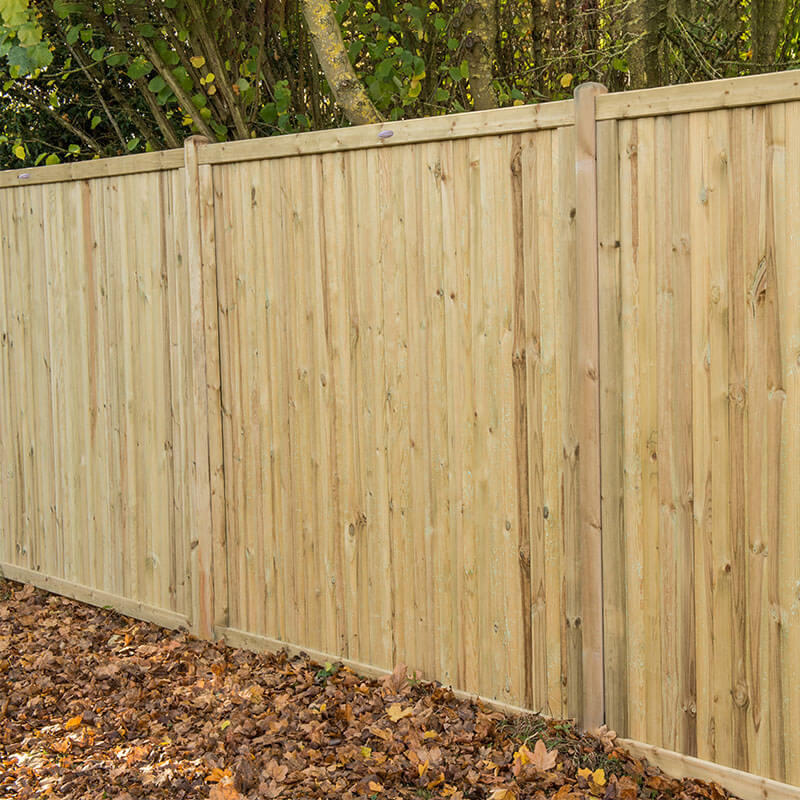
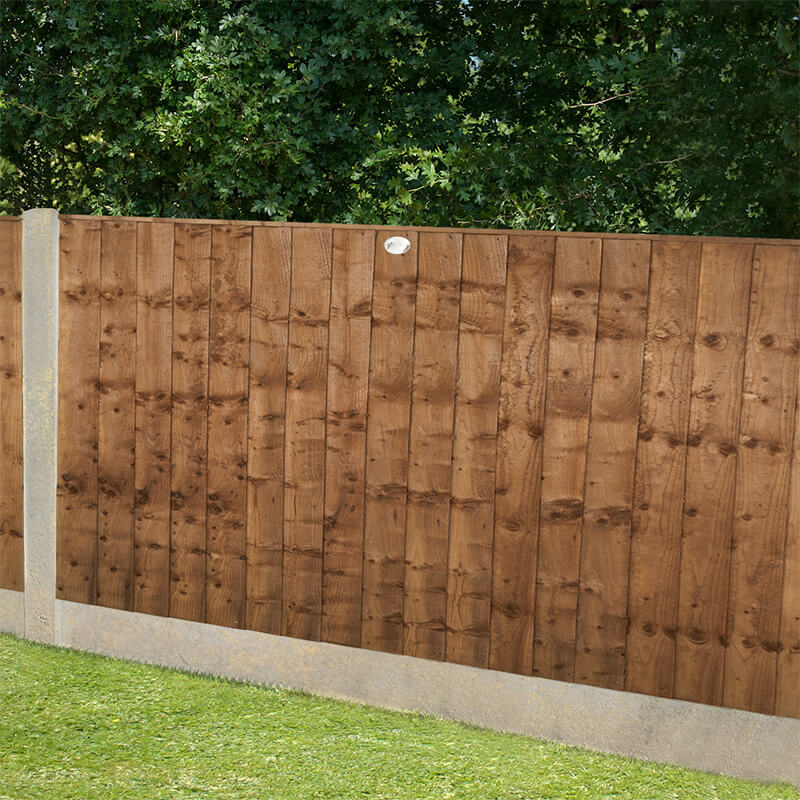
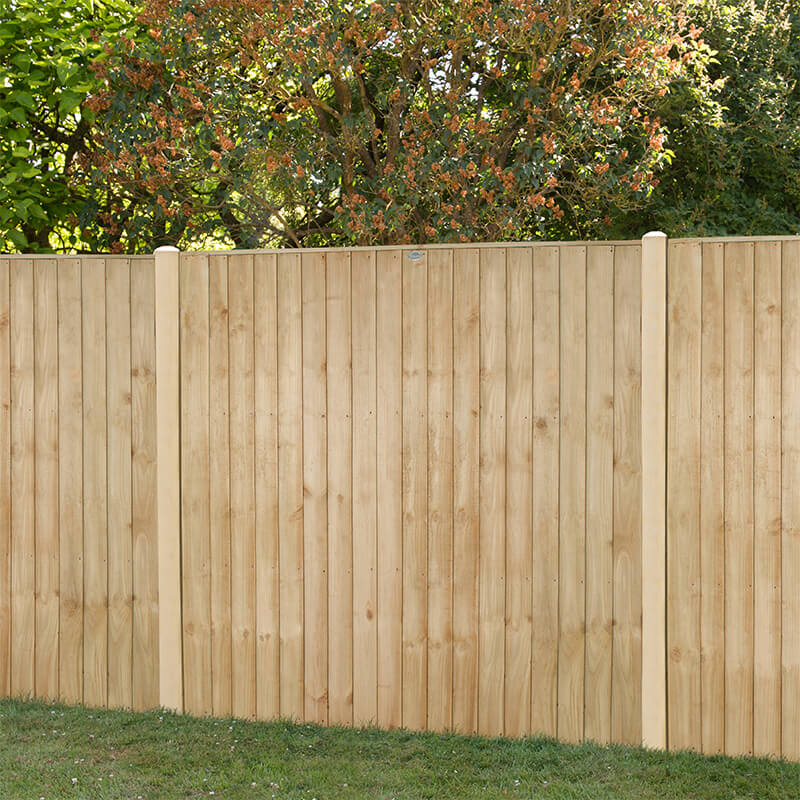
Useful discount patterns to watch for include:
- Multi-buy offers when several panels are needed for one boundary
- Reduced end-of-line stock for standard sizes and common colours
- Bundle pricing on panels with posts or base boards
- Seasonal clearance for categories where stock is being refreshed
- Trade-style packs where quantity per pack lowers the unit cost
A small saving on each panel can become noticeable across a full run, especially on longer garden borders. For buyers comparing options, it is worth checking whether the discount applies to the visible panel only or to the full fencing system. That small detail often decides whether the offer is useful or just looks neat on screen.
Panel fencing: tidy lines and quick results
Fence panels are often the first thing people compare when looking at discount offers, because they are easy to measure and simple to price. The main difference between panel styles is how much they block, how they look from the house, and how much structure they bring to the boundary. A standard lap panel gives a familiar woven or overlapping appearance, while a closeboard panel tends to feel more solid and more private.
For buyers, panel fencing can be practical because the sizing is usually standardised. That makes it easier to work out quantities and compare offers across the range. It also means that if you only need to replace a section, matching the size is often less troublesome than with more bespoke timber work.
- Lap panels often suit straightforward perimeter jobs
- Closeboard panels are chosen when privacy matters more than openness
- Decorative panels bring a neater front-garden feel
- Arched or curved tops soften a straight line
Open fencing: when you want a boundary, not a wall
Not every garden needs full screening. In a front garden, along a drive, or beside planting beds, an open style can give structure without making the space feel boxed in. That is where picket fencing, post-and-rail, and some slatted designs come in. These are useful when the aim is to guide movement, mark a line, or keep a space looking airy.
The difference between them is pretty clear once you look at the spacing. Picket fencing is more decorative and domestic, often with pointed or rounded tops. Post-and-rail feels more rural or wide-open, with horizontal rails between posts. Slatted fencing sits in between, offering a more contemporary pattern with partial visibility through the boards.
Open fencing can also be a neat choice for buyers who want to save on material without making the area feel bare. Less coverage means a lighter visual effect, and often a lower outlay when the offer is based on per-panel or per-metre pricing.
Privacy, screening and the balance between solid and airy
One of the key decisions in fencing is how much you want to see through it. A solid fence is better for privacy and for hiding mixed views like bins, storage, or neighbouring structures. A semi-open fence can soften a boundary while still letting light pass through. This is where lattice tops, overlap styles, and slatted panels each do a different job.
Think of it as a scale:
- Fully closed for maximum screening
- Partly open for light and some visual connection
- Fully open for marking a boundary only
The right balance is important because a cheaper fence is not automatically the better one. If the style does not fit the use, the offer may look good but still leave the garden feeling wrong. For example, a decorative low fence may suit a front border, but it will not do the same job as a taller privacy panel at the back of the plot.
Wood, treated timber and the look buyers tend to compare
In garden fencing, timber remains the common choice for many discount ranges because it gives a natural look and sits comfortably beside planting. The visual difference between fencing types often comes down to the board profile, the top finish, and the way the timber is arranged. Feather edge boards create a layered, overlapping effect. Lap fencing usually shows a more woven or horizontal pattern. Picket sections are more rhythmic and ornamental.
Some buyers are drawn to timber because it feels easier to fit into a planting scheme than metal or composite alternatives. It can also look less harsh against lawns, hedges, and beds. If the aim is to keep the boundary present but not dominant, timber is often the version people settle on after comparing prices.
Things to compare in the listing or product details:
- Board arrangement and how dense the panel appears
- Top shape: straight, arched, rounded or pointed
- Panel height for screening or edging
- Matching posts and whether the size is standard
- Compatibility with gravel boards or trellis toppers
Strong boundaries, light touches and all the small differences
It is easy to group fencing into “cheap” and “not cheap”, but the real differences are more useful than that. A panel with close spacing gives more privacy; a wider gap makes the area feel lighter. A low picket run creates a friendly edge. A tall closeboard fence gives more enclosure. A decorative trellis does not hide much, yet it can soften a harsh line or support climbing plants at a later stage.
Those differences matter when a garden has more than one function. For example, a seating area may need screening, while the front edge of the garden only needs a neat demarcation. Choosing one fence style for the whole plot can be practical, but mixing forms can be smarter and, frankly, more interesting to look at.
- Tall panels for back-garden privacy
- Low edging for borders and path edges
- Trellis finishes for a softer upper section
- Rail fencing for open, large-space boundaries
What to check before a bargain becomes awkward
A good fencing discount offer still needs a quick reality check. The best price on a panel is not always the best total spend if the rest of the run does not line up. Buyers often compare the visible style and forget the practical extras that make the job finish properly. That can lead to odd mismatches, too few posts, or a style that looks right in isolation but not across the whole boundary.
Helpful checks before adding to basket:
- Height of the fence and whether planning or neighbour agreement may matter
- Panel width so the count works out neatly
- Post size and whether it suits the chosen panels
- Panel finish if you need one side to face the garden
- Whether the offer is on panels only or a fuller set
It sounds obvious, but a “good deal” can change if the last panel has to be trimmed awkwardly or if the look ends up uneven. A little checking up front usually keeps the final result cleaner and the budget under control.
Using fence offers to shape the whole garden
Fencing is more than a border. It sets the tone of the garden before any planting or furniture goes in. A straight line of closeboard panels gives a sharper structure. Picket fencing frames a cottage-style front garden. Slatted fences help modern plots feel ordered without being heavy. Post-and-rail works well where a larger space needs division rather than enclosure.
That is why discount offers are useful when they help you buy the right style, not just the cheapest one on the page. A well-chosen fence can make a narrow space feel calmer, define a seating corner, or keep the boundary from competing with the planting. In other words, it can do a lot without making a fuss about it.
If you are comparing options, it helps to ask one simple question: do you need privacy, definition, decoration, or a mix of all three? Once that is clear, the shortlist gets smaller and the offer becomes easier to judge.
Handy reasons people keep coming back to fencing offers
Discounted fencing is attractive not only because of price, but because the category is full of choices that serve different garden layouts. Buyers often return to the category when they want to:
- replace tired boundary sections with a neater match
- divide a garden into zones without building a solid wall
- add privacy near patios, seating areas or bins
- create a cleaner front edge for kerb appeal
- choose a style that fits the plot rather than forcing one look everywhere
The best part is that fencing is one of those purchases where a modest saving can still leave a noticeable change in the garden. Not flashy, just sensible and tidy. That’s often what buyers are after, even if they started by searching for a bargain.
[Sassy_Social_Share]