
contemporary garden rooms - Best Deals in UK!
Showing all 9 results
-
12% OFF: Shire Walsoken 3.6m x 2.4m Log Cabin with Side Shed (19mm) £1,699.0012%

-
12% OFF: Shire Elm 4.2m x 3m Log Cabin with Side Shed (19mm) £2,039.0012%

-
11% OFF: Shire Elm 5.1m x 3m Log Cabin with Side Shed (19mm) £2,489.0011%

-
9% OFF: Palmako Heidi 6.2m x 3.4m Log Cabin Garden Building (70mm) £11,489.009%

-
7% OFF: Palmako Heidi 8.4m x 3m Log Cabin Garden Building (70mm) £13,489.007%

-
Palmako Andrea 5.95m x 3m Double Glazed Contemporary Log Cabin with Gazebo Sliding Doors Plus (44mm) £10,749.00

-
Palmako Andrea 5.95m x 3m Contemporary Log Cabin with Gazebo Sliding Doors (44mm) £9,489.00

-
Palmako Andrea 3.9m x 3m Contemporary Log Cabin with Gazebo Sliding Doors (44mm) £7,749.00

-
Palmako Andrea 3.9m x 3m Double Glazed Contemporary Log Cabin with Gazebo Sliding Doors Plus (44mm) £8,989.00

Contemporary garden rooms bring clean lines, extra living space and year-round flexibility to modern gardens, with options in timber, aluminium and composite finishes for work, leisure and guests.
Sharp Lines, Calm Space: What Contemporary Garden Rooms Do Well
Contemporary garden rooms are designed to feel like a natural extension of the home, but with a clearer, more current look. Think slim frames, crisp edges, large glazed panels and a layout that feels intentional rather than overly decorative. They suit gardens where the aim is to create a useful outside room that still looks considered from both the house and the lawn.
What sets them apart is the balance between architecture and comfort. Instead of looking like a shed with a better finish, a contemporary garden room usually has a defined structure, a neat roofline and materials chosen to match modern homes. That can mean a more minimal timber-clad form, an aluminium-framed box, or a mixed-material design with both warmth and precision. The result is a space that can work as a studio, reading room, hobby space or quiet place to step away from the main house.
Forms That Change the Feel of the Build
There is no single shape for a contemporary garden room, and that variety matters. The form you choose changes how the room sits in the garden, how much light it captures and how strongly it reads as a separate structure.
Bestseller der Kategorie contemporary garden rooms
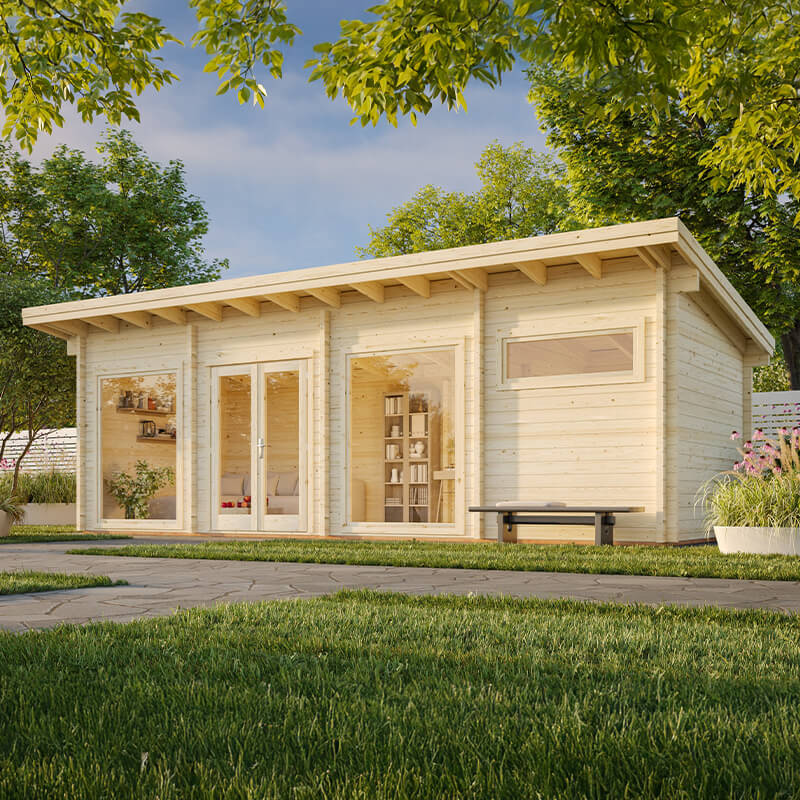
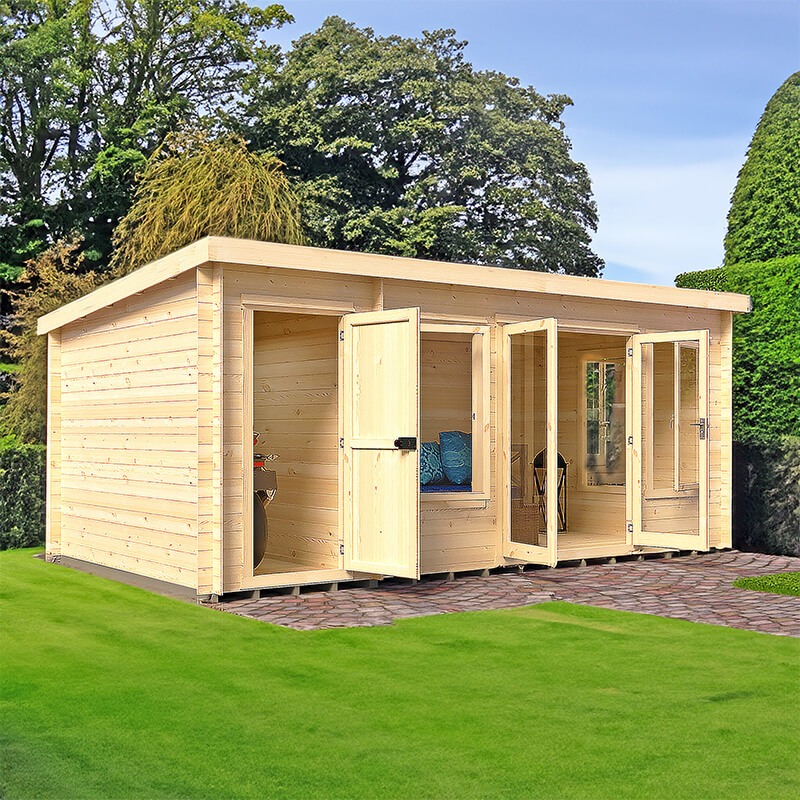
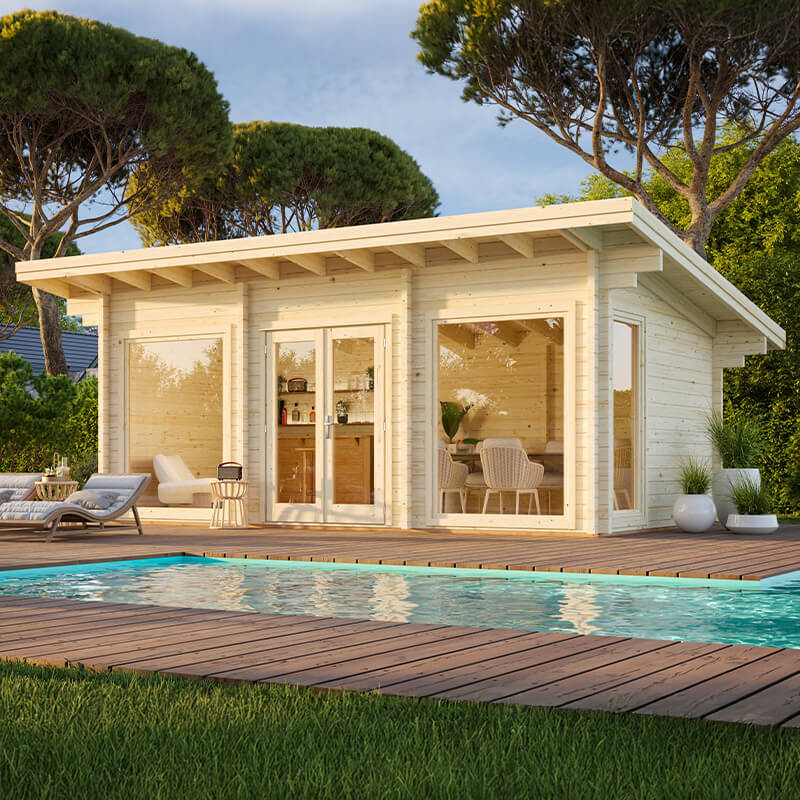
- Rectangular garden rooms offer a clean footprint and make furniture placement easy, which suits office-style layouts or compact lounge areas.
- L-shaped designs can create two distinct zones, such as one area for work and another for seating, without needing extra internal walls.
- Cubed or box-style rooms give a strong modern look, with straight roof edges and large panes that often feel very urban in character.
- Corner-positioned rooms make use of awkward garden edges and can open the centre of the plot for planting or movement.
- Glazed-front formats focus attention on daylight and views, which is useful if the room is intended as a calm, airy retreat.
The difference is not only visual. A more open glazed form can feel brighter and more connected to the outside, while a solid-sided version often feels quieter and more enclosed. For buyers, that choice usually comes down to whether the room should act more like a garden-facing pavilion or a private enclosed room.
Timber, Aluminium, Composite: Material Choices With a Different Mood
Materials shape the tone of the room as much as the plan does. A contemporary design can look warm, technical, bold or understated depending on what sits on the outside.
Timber-clad garden rooms feel softer and more natural. They can sit well in gardens with planting and softer landscaping, especially where a home already uses wood, brick or muted finishes. Timber often gives a room a more grounded appearance, so it can blend in rather than dominate.
Aluminium details usually bring a sharper, more refined edge. Thin frames and crisp join lines are a good match for modern architecture, especially where the home itself has large glazing or a minimalist profile. Aluminium is often chosen for the visual effect alone, because it keeps the structure looking light and neat.
Composite cladding can be useful where a consistent appearance matters and where buyers want a finish that keeps its lines with less visible change over time. It can create a very tidy look, though it tends to read differently from natural timber. The choice between them is often about whether the room should feel more organic, more technical, or somewhere in between.
Glazing That Shapes the Experience Inside
In a contemporary garden room, glazing is not just about letting light in. It controls how the room feels from the inside and how much of the garden becomes part of the view. Large panes create openness, while more measured glazing can give the space a calmer, more contained atmosphere.
Full-height glazing gives a strong visual link to the outside and can make a modest footprint feel more generous. It works well when the garden itself is a feature, especially with planting, a terrace or a statement tree in view. Corner glazing creates a more striking architectural feel and can reduce the sense of boundary at one side of the room. Sliding or fixed-pane combinations are common where the aim is to keep clean lines without making the wall look too busy.
The main difference is whether the room should feel more open or more sheltered. If the room is being used for focused work, a balanced glazing layout can reduce distraction. If it is meant as a social space, larger panes and wider openings can make the room feel more fluid and relaxed.
Roof Profiles: Flat, Low-Pitch and the Look Above
The roof is a big part of the contemporary look. It changes the silhouette, the scale and the way the room sits against fences, trees and neighbouring structures.
Flat roof garden rooms are often associated with modern design because they keep the shape simple and the overall height controlled. They can help a garden room feel unobtrusive, especially in smaller plots. Low-pitch roofs keep a contemporary edge while allowing a slightly softer profile, which can suit homes that are modern but not overly stark. Some designs use a roofline that visually stretches the room, making it appear wider and more architectural.
The choice here affects more than appearance. A flatter form usually reads as more minimal, while a low-pitch profile can feel a bit more relaxed. If the house has strong horizontal lines, echoing them in the roof often gives the best result. If the garden already has a lot of height from trees or hedging, a lower roofline can help the room stay visually calm.
Different Uses, Different Layouts
One reason buyers look at contemporary garden rooms is that the same shell can be adapted to very different lifestyles. The layout should reflect how the space will be used, because a room designed for work does not want the same internal balance as one meant for guests or hobbies.
- Home office layouts usually benefit from a clear desk wall, storage zones and a view that is open enough to feel spacious but not distracting.
- Studio-style rooms work well with a more open plan, giving room for a table, easel, mat or equipment without the space feeling cramped.
- Leisure rooms often lean towards softer seating positions and a stronger connection to the garden, which suits glazed fronts and wider openings.
- Guest room concepts may need a more enclosed, private feel, with glazing used in a more balanced way so the room does not feel exposed.
- Multi-use rooms often perform best with simple shapes and a split layout, so the space can change between work and relaxation without awkward corners.
The difference between these uses is not only in furniture but in the room’s proportion. A long narrow room can suit a desk and storage run, while a squarer room may feel better for conversation or a mixed lounge-work arrangement. This is where contemporary design helps, because the clean geometry makes planning easier.
Why Buyers Are Drawn to the Contemporary Look
A lot of the appeal comes from how these rooms sit between home and garden. They offer a separate place without feeling detached or makeshift. For many buyers, that means a better day-to-day experience than trying to make a spare corner inside the house do everything.
One practical benefit is clear zoning. A garden room can create a defined use without taking over the main living area. That helps when the house is busy, or when a bit of separation is needed for concentration, calls, creative work or quiet time. Another advantage is the way contemporary designs tend to look tidy from a distance, which matters in a garden where visual clutter can be a problem. Slim profiles and disciplined detailing often make the structure feel deliberate, not added on as an afterthought.
There is also a difference in how the room interacts with the plot. Traditional outbuildings sometimes sit heavily in the garden, while contemporary versions can feel lighter, especially when glazing and restrained cladding are used well. That can be useful in smaller gardens where every visual line matters.
Features That Make the Space Feel Thought Through
When comparing contemporary garden rooms, the details often matter more than the label. The best choices usually come from small design decisions that shape how the space will feel once it is in place.
- Slim-frame glazing gives a neat, current appearance and reduces visual bulk.
- Hidden thresholds can make the move between inside and outside feel smoother.
- Consistent cladding lines help the room look ordered from all angles.
- Simple overhangs can soften the roof edge without cluttering the design.
- Balanced solid and glazed sections help the room feel both open and private.
- Muted colour palettes usually suit contemporary forms better than busy finishes.
These features may sound small, but together they affect whether the room feels calm or messy. A contemporary garden room should rarely look overworked. It tends to be at its best when the design knows where to stop.
Picking Between Open, Private and Halfway-In-Between
Not every buyer wants the same level of openness. Some want a room that feels almost like a pavilion, with garden views on display. Others want a stronger sense of enclosure, especially if the room is for work, storage or focused hobbies. Many end up somewhere in the middle.
Open-feel rooms suit people who want daylight, views and a connection to the garden as part of the daily experience. They often use larger glazed sections and simpler internal planning. Private rooms lean more on solid wall areas, which can make the space feel easier to concentrate in and less exposed to neighbouring sightlines. Mixed-layout rooms are a sensible compromise, using glazing where the outlook matters and solid walls where furniture, shelving or privacy are needed.
That choice is worth thinking through early, because it changes both the character and the usefulness of the room. A glazed corner might be lovely, but if it points directly towards a fence or overlooked area, the effect can be less useful than expected. Sometimes the smartest solution is the one that keeps the structure simple and the view controlled.
Practical Tips Before You Choose
It helps to approach contemporary garden rooms with a clear picture of how the space will be used most days, not only on the occasional nice one. The best designs are often the ones that match the garden rather than trying to compete with it.
- Measure the actual garden flow as well as the available footprint, so paths, planting and access still feel comfortable.
- Match the room’s lines to the house where possible; repeating a roof angle, cladding tone or glazing style can make the whole plot feel more settled.
- Choose the form first, then the finish. A good shape with a simple material often works better than a complicated finish on the wrong footprint.
- Think about where the light lands through the day, because large glazing can feel brilliant in one position and less useful in another.
- Keep the design disciplined; too many visual changes can make a contemporary room lose the very quality that draws people to it.
It is also worth looking at how the room will read from indoors. Many buyers focus on the garden-facing view, but the sightline from the kitchen, dining area or back door often matters just as much. A room that looks balanced from both sides tends to feel more intentional. And if the plot is compact, a restrained design can do more for the garden overall than a larger feature that dominates the space.
A Space That Feels Current Without Trying Too Hard
The appeal of contemporary garden rooms lies in their clarity. They are not trying to mimic the main house exactly, and they are not pretending to be temporary. They create a separate place with a proper sense of purpose, while keeping the lines crisp and the look easy to live with.
For buyers, the real question is usually not whether a contemporary garden room looks modern, but which kind of modern suits the home and the garden best. A timber-clad cube, a glazed corner room or a low-pitch aluminium-framed build each gives a different result. The right choice depends on how much openness, privacy, warmth and architectural presence you want from the space.
Handled well, a contemporary garden room becomes more than an extra structure. It is a useful room in its own right, one that can shift with changing routines while still looking like it belongs exactly where it is.
[Sassy_Social_Share]