Garden Shed Materials: A Complete Guide to Pros and Cons
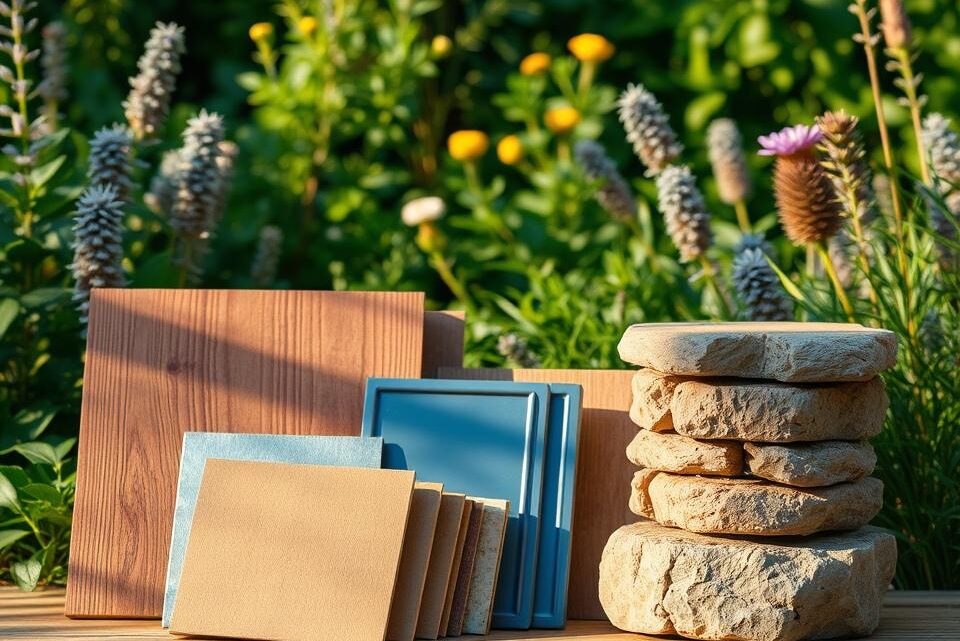
Selecting the right garden shed materials is crucial for creating robust outdoor storage solutions in the United Kingdom. Garden shed construction requires careful consideration of durability, aesthetics, and long-term performance. Homeowners and gardening enthusiasts must evaluate multiple factors to ensure their shed meets functional and design requirements.
The choice of shed materials directly impacts its resilience, maintenance needs, and overall value. Different materials offer unique advantages, from traditional wooden structures to modern metal and plastic alternatives. Understanding these options helps UK gardeners make informed decisions about their outdoor storage investments.
Whether you’re seeking a compact storage space or a substantial workshop, the right shed material can transform your garden’s utility and appearance. Practical considerations such as climate resistance, budget constraints, and local building regulations play significant roles in material selection.
Inhaltsverzeichnis
Key Takeaways
- Material selection critically influences shed durability
- Climate resistance is essential for UK garden structures
- Budget plays a significant role in material choice
- Different materials suit varied garden design aesthetics
- Maintenance requirements vary across shed materials
Understanding Different Garden Shed Materials
Selecting the right shed material is crucial for creating a durable and functional garden storage solution. The world of shed material types has evolved significantly, offering gardeners a wide range of options that cater to different needs and preferences.
When exploring traditional shed materials, wood remains a popular choice for many UK homeowners. Wooden sheds provide a classic aesthetic that blends seamlessly with garden landscapes. Modern shed materials, such as metal and plastic, have emerged as compelling alternatives, each bringing unique advantages to garden storage solutions.
Traditional vs Modern Materials
The choice between traditional and modern shed materials depends on several key factors:
- Aesthetic appeal
- Durability
- Maintenance requirements
- Cost-effectiveness
Climate Considerations for Material Selection
Climate-appropriate shed materials are essential for withstanding the unpredictable British weather. Traditional shed materials like treated timber can offer excellent protection, while modern alternatives such as galvanised steel provide superior resistance to moisture and temperature fluctuations.
Local Building Regulations and Materials
Before finalising your shed material choice, it’s critical to understand local building regulations. Different materials may have specific compliance requirements, potentially impacting your selection process.
Pro tip: Always check with local planning authorities before installing a new garden shed.
Wooden Garden Sheds: Natural Appeal and Versatility
Wooden sheds represent the quintessential garden storage solution for UK homeowners. These timber structures blend seamlessly with natural landscapes, offering an aesthetically pleasing addition to any garden space. Natural shed materials like cedar, pine, and pressure-treated timber provide gardeners with versatile options for creating functional and attractive outdoor storage.
Different wood types bring unique characteristics to timber sheds:
- Cedar: Naturally resistant to rot and insects
- Pine: Cost-effective and widely available
- Pressure-treated timber: Enhanced durability against weathering
“A well-crafted wooden shed is not just a storage space, but an extension of your garden’s character.” – Garden Design Expert
When selecting wooden sheds, homeowners should consider several critical factors:
- Structural integrity
- Wood treatment quality
- Climate resilience
- Maintenance requirements
| Wood Type | Durability | Cost | Maintenance Level |
|---|---|---|---|
| Cedar | High | Medium | Low |
| Pine | Medium | Low | High |
| Pressure-Treated | High | Medium | Medium |
Wooden garden sheds offer unparalleled customisation potential. Homeowners can paint, stain, or modify their timber sheds to match existing garden aesthetics, creating a truly personalised outdoor storage solution.
Metal Sheds: Durability and Low Maintenance
Metal garden sheds have become increasingly popular among UK homeowners seeking robust and low-maintenance outdoor storage solutions. These steel and aluminium structures offer exceptional durability and protection for garden tools, equipment, and cherished possessions.

Modern metal sheds represent a significant advancement in garden storage technology. Designed to withstand challenging British weather conditions, these rust-resistant sheds provide homeowners with a practical and long-lasting alternative to traditional wooden structures.
Steel vs Aluminium Construction
When selecting metal garden sheds, property owners typically choose between two primary materials:
- Steel sheds: Robust and heavyweight
- Aluminium sheds: Lightweight and corrosion-resistant
Steel sheds offer superior strength and impact resistance, making them ideal for storing heavier items. Aluminium sheds, in contrast, excel in weight reduction and natural rust prevention.
Rust Prevention and Treatment
Protecting metal sheds from corrosion is crucial in the UK’s damp climate. Manufacturers now employ advanced protective coatings and galvanisation techniques to enhance rust resistance.
- Zinc-based galvanisation
- Powder coating
- Specialised paint treatments
Installation Requirements
Successful metal shed installation demands careful preparation. A level, stable foundation is essential for ensuring structural integrity and long-term performance.
Professional installation can significantly extend the lifespan of your metal garden shed.
Plastic and Vinyl Sheds: Contemporary Solutions
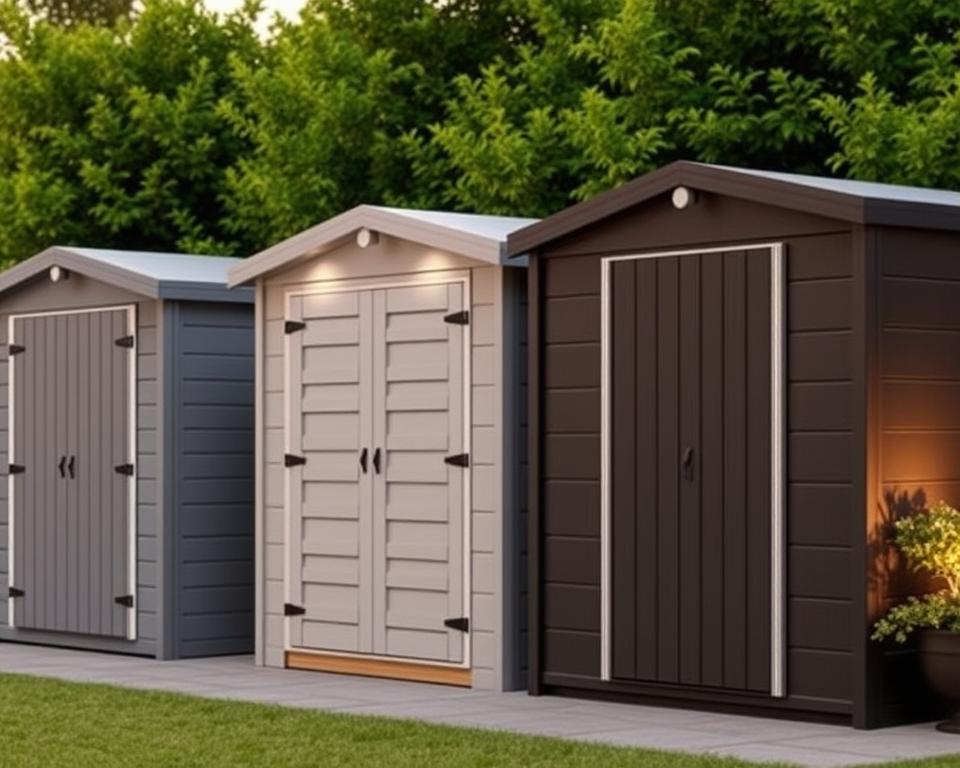
Modern shed materials have revolutionised garden storage solutions, with plastic sheds and vinyl sheds emerging as popular contemporary choices for UK homeowners. These innovative structures offer a sleek alternative to traditional wooden and metal designs, bringing practical benefits to garden environments.
Plastic sheds stand out for their remarkable durability and low-maintenance characteristics. Crafted from high-quality polymers, these modern shed materials resist rot, rust, and weather-related damage. Vinyl sheds provide similar advantages, presenting homeowners with lightweight yet robust storage options that withstand harsh British climate conditions.
- Exceptional weather resistance
- Minimal maintenance requirements
- Lightweight and easy to install
- Cost-effective long-term solution
Manufacturers have significantly improved plastic and vinyl shed designs, addressing previous concerns about aesthetic appeal. Contemporary models now feature attractive textures and colours that complement garden landscapes. These modern shed materials come in various sizes, ensuring flexibility for different garden spaces.
Environmental considerations remain crucial. Many manufacturers now produce recyclable plastic sheds, addressing sustainability concerns. Vinyl sheds also offer eco-friendly options, with some brands using recycled materials in their construction.
Modern garden storage isn’t just about functionality—it’s about integrating smart, sustainable design into outdoor spaces.
When selecting plastic or vinyl sheds, homeowners should consider factors like local climate, intended usage, and available garden space. These contemporary solutions provide an excellent balance between practicality, durability, and aesthetic appeal.
Comparing Garden Shed Materials: Pros and Cons
Selecting the right shed material involves careful consideration of shed material comparison across multiple dimensions. Homeowners must weigh initial shed costs against long-term value, understanding that each material offers unique benefits and challenges.

When evaluating garden shed options, three primary materials dominate the market: wood, metal, and plastic. Each presents distinct characteristics that impact shed longevity and maintenance requirements.
Cost Comparison Analysis
- Wooden Sheds:
£500 – £2,500- Lowest initial investment
- Higher long-term maintenance costs
- Metal Sheds:
£300 – £1,800- Mid-range pricing
- Lower ongoing maintenance expenses
- Plastic/Vinyl Sheds:
£400 – £2,000- Moderate initial costs
- Minimal maintenance requirements
Longevity Expectations
Shed longevity varies significantly between materials. Wooden structures typically last 10-15 years with proper care, metal sheds can endure 15-20 years, while plastic alternatives often reach 20-25 years without substantial degradation.
Maintenance Requirements
Maintenance needs differ dramatically across materials. Wooden sheds demand regular treatments against rot and pest infestation. Metal sheds require rust prevention strategies. Plastic sheds offer the most straightforward maintenance, needing only occasional cleaning.
Your choice depends on balancing initial investment, aesthetic preferences, and willingness to perform ongoing upkeep.
Eco-Friendly Shed Materials and Sustainability

Green garden storage solutions are transforming the way homeowners approach outdoor structures. Eco-friendly sheds are no longer a niche concept but a growing trend for environmentally conscious gardeners seeking sustainable shed materials.
Selecting sustainable materials can significantly reduce your garden’s environmental footprint. Recycled and renewable resources offer exciting alternatives to traditional shed construction methods.
- Reclaimed wood from responsibly managed forests
- Recycled metal panels with low carbon emissions
- Composite materials made from recycled plastics
- Bamboo-based construction panels
When choosing eco-friendly sheds, consider certifications that validate sustainable practices. The Forest Stewardship Council (FSC) certification ensures wood products come from responsibly managed woodlands.
“Sustainability is about creating harmony between human needs and environmental preservation.” – Environmental Design Expert
Modern green garden storage solutions integrate innovative materials that balance durability, aesthetics, and environmental responsibility. Recycled aluminium, for instance, requires 95% less energy to produce compared to virgin metal, making it an excellent sustainable shed material.
| Material | Environmental Impact | Durability |
|---|---|---|
| Recycled Plastic | Low | High |
| Reclaimed Wood | Very Low | Medium |
| Recycled Metal | Low | High |
By prioritising sustainable shed materials, gardeners can create functional storage spaces while minimising environmental impact.
Weather Resistance and Material Performance
Protecting your garden storage against the unpredictable British climate requires strategic planning and understanding of weather-resistant sheds. The UK’s unique weather patterns demand robust solutions for climate-proof garden storage that can withstand rain, humidity, and occasional extreme conditions.

Different shed materials respond uniquely to seasonal challenges. Selecting the right material can significantly impact your shed’s longevity and performance throughout the year.
Impact of British Climate on Garden Sheds
The UK’s maritime climate presents specific challenges for outdoor storage solutions. Seasonal shed maintenance becomes crucial in preventing structural damage and maintaining your shed’s integrity.
- Winter: Protect against moisture and potential frost damage
- Summer: Prevent UV degradation and heat-related material stress
- Autumn: Prepare for increased rainfall and potential wind exposure
- Spring: Inspect and repair any winter-induced wear
Seasonal Maintenance Tips
Effective seasonal maintenance ensures your weather-resistant sheds remain in optimal condition throughout the year.
| Season | Maintenance Recommendations |
|---|---|
| Winter | Apply waterproof sealant, check roof integrity, clear gutters |
| Summer | Repaint or treat wooden surfaces, check ventilation |
| Autumn | Clean exterior, inspect for potential water entry points |
| Spring | Repair any winter damage, lubricate hinges and locks |
By implementing these strategic maintenance approaches, gardeners can significantly extend the lifespan of their climate-proof garden storage solutions.
Customisation Options for Different Materials
Transforming a garden shed into a personalised space requires creativity and understanding of material-specific customisation possibilities. Customisable sheds offer homeowners unique opportunities to design bespoke garden storage solutions that reflect individual style and functional needs.
Wood remains the most versatile material for shed personalisation. Crafting a wooden shed allows for extensive modifications:
- Paint and stain options in countless colours
- Easy addition of windows and skylights
- Simple structural modifications
- Decorative trim and architectural details
Metal and plastic sheds present different customisation challenges. While less flexible, they still offer interesting personalisation techniques:
| Material | Customisation Options |
|---|---|
| Metal Sheds | Powder coating, external panels, decorative magnetic accessories |
| Plastic Sheds | Coloured panels, adhesive decorative wraps, external lighting |
For gardening enthusiasts seeking bespoke garden storage, consider functional customisations like built-in shelving, potting benches, or integrated tool organisers. These modifications transform standard sheds into specialised spaces tailored to specific gardening or hobby requirements.
Professional installations can help maximise customisation potential, ensuring structural integrity while achieving your desired aesthetic and functional goals.
Installation and Assembly Considerations
Selecting the right approach for shed installation can make a significant difference in the success of your garden project. Whether you’re a DIY enthusiast or prefer professional shed building, understanding the key considerations will help you make an informed decision.
Professional shed building offers several advantages for those who want a guaranteed perfect result. Experienced installers understand the nuanced requirements of different shed materials and can navigate potential challenges with expertise.
DIY vs Professional Installation
DIY shed assembly can be an exciting and cost-effective option for skilled homeowners. Before embarking on this journey, consider these critical factors:
- Your personal skill level with construction projects
- Available time for shed installation
- Complexity of the chosen shed design
- Local building regulations and permissions
Essential Tools and Equipment
Successful shed installation requires a comprehensive toolkit. Here are the must-have items for a smooth DIY shed assembly:
- Measuring tape and spirit level
- Power drill with various drill bits
- Hammer and screwdriver set
- Protective safety gear
- Foundation materials (gravel, concrete, or wooden base)
For those less confident in their DIY skills, professional shed building services can provide peace of mind. They bring specialised tools, expertise, and can complete the installation efficiently.
Pro tip: Always check manufacturer guidelines for specific installation requirements for your chosen shed material.
Cost Analysis and Value for Money
Investing in a garden storage solution requires careful financial planning. Shed costs can vary dramatically depending on materials, size, and quality. A smart garden storage investment means looking beyond the initial price tag and considering long-term value for money sheds.
When evaluating shed expenses, consider these key financial factors:
- Initial purchase price
- Installation costs
- Ongoing maintenance expenses
- Expected lifespan of the structure
- Potential repair or replacement costs
Different materials present unique cost considerations. Wooden sheds might require more maintenance but offer aesthetic appeal. Metal sheds typically have lower upfront costs and minimal ongoing expenses. Plastic sheds provide a middle-ground solution with moderate pricing and low maintenance requirements.
“A true value for money shed balances initial investment with long-term durability and functionality.”
To maximise your garden storage investment, prioritise quality over cheap alternatives. Budget-friendly options might seem attractive initially but could lead to higher replacement costs down the line.
| Material | Average Cost | Maintenance Cost | Lifespan |
|---|---|---|---|
| Wooden | £500-£2,000 | £50-£100/year | 10-15 years |
| Metal | £300-£1,500 | £20-£50/year | 15-20 years |
| Plastic | £250-£1,000 | £10-£30/year | 10-20 years |
Remember, the cheapest option isn’t always the most economical. Carefully assess your specific storage needs, budget, and long-term expectations when selecting the perfect garden shed.
Conclusion
Selecting the best garden shed materials requires careful consideration of multiple factors. Each material offers unique advantages for garden storage solutions, from wooden structures with natural charm to metal and plastic alternatives providing durability and low maintenance.
When choosing the right shed, homeowners must evaluate their specific needs, including budget constraints, local climate conditions, and personal aesthetic preferences. Wooden sheds provide versatility, metal options deliver robust protection, and plastic models offer contemporary, lightweight alternatives.
Your ideal garden shed should balance practicality with visual appeal. Factors like longevity, maintenance requirements, and initial investment play crucial roles in making an informed decision. Understanding the pros and cons of different materials empowers you to select a garden storage solution that perfectly matches your outdoor space and functional requirements.
Remember that the ultimate choice depends on your individual circumstances. By weighing each material’s strengths and potential limitations, you can create a garden shed that not only meets your storage needs but also enhances your property’s overall landscape design.
FAQ
What is the most durable material for a garden shed?
Metal sheds, particularly those made from galvanised steel, tend to offer the highest durability. They are resistant to rot, insect damage, and can withstand harsh British weather conditions better than wooden or plastic alternatives.
How often should I maintain my wooden garden shed?
Wooden sheds require annual maintenance, typically involving treating the timber with a protective wood preservative every 1-2 years. This helps prevent moisture damage, rot, and extends the shed’s lifespan in the damp British climate.
Are plastic sheds environmentally friendly?
While traditional plastic sheds aren’t typically eco-friendly, many manufacturers now offer recycled plastic sheds and recyclable options. Look for sheds made from recycled materials or those that can be fully recycled at the end of their lifecycle.
What material is best for a shed in a rainy region?
In typically wet British regions, metal or vinyl sheds perform best. These materials are naturally water-resistant and require minimal maintenance compared to wooden structures that can absorb moisture and potentially rot.
How much do different shed materials cost?
Pricing varies significantly: Wooden sheds typically range from £300-£2,000, metal sheds from £200-£1,500, and plastic sheds from £200-£1,000. Costs depend on size, quality, and additional features.
Can I customise a metal or plastic shed?
While wooden sheds offer the most customisation, metal and plastic sheds can still be personalised. Metal sheds can be painted, and many plastic sheds come in various colours. You can also add external decorative elements to enhance their appearance.
What shed material requires the least maintenance?
Plastic and vinyl sheds require the least maintenance. They don’t need painting, treating, or frequent repairs. Simply cleaning them with a mild detergent occasionally is typically sufficient to keep them in good condition.
Are there eco-friendly shed material options?
Yes, several eco-friendly options exist. Sustainably sourced wooden sheds with FSC certification, sheds made from recycled metal, and those constructed from recycled plastic composites are excellent environmentally conscious choices.
How do I protect my shed from rust?
For metal sheds, use zinc-based primers and paints designed for metal surfaces. Regular cleaning, applying rust-resistant coatings, and ensuring proper drainage around the shed can significantly reduce rust development.
What material is best for a garden workshop?
Wooden sheds are typically best for workshops, offering excellent insulation, easier internal modifications, and the ability to add electrical installations. They provide a more comfortable and adaptable space for detailed work.