Foundation Construction for a Large Wooden Garden House
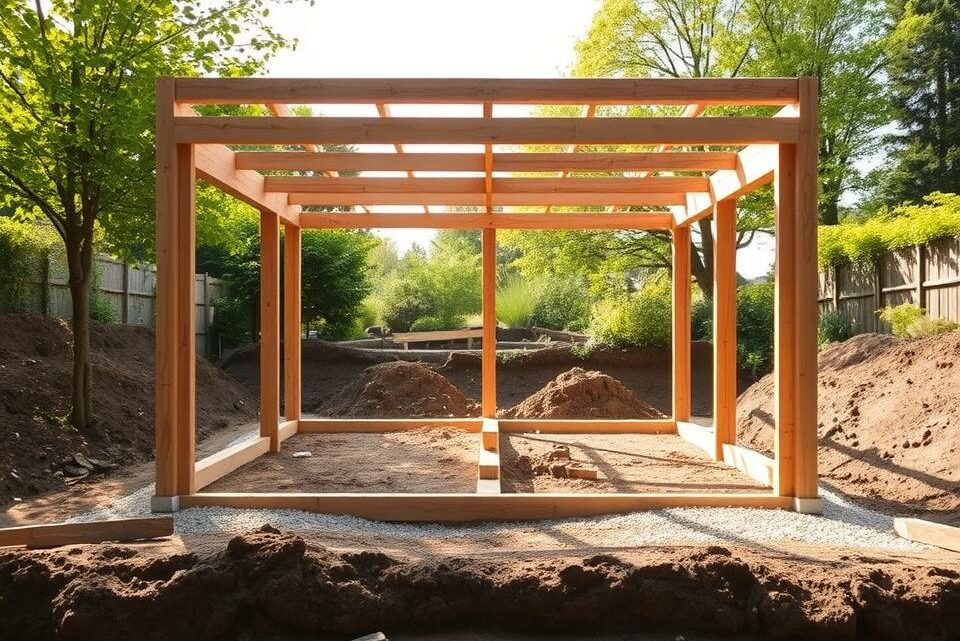
Building a robust wooden garden house begins with understanding the critical importance of a solid foundation. A well-designed wooden garden house foundation is the backbone of your outdoor structure, ensuring stability, durability, and long-term performance against environmental challenges.
The success of large garden structure construction depends entirely on selecting the right foundation technique. Ground conditions, local climate, and structural requirements play pivotal roles in determining the most suitable foundation approach for your wooden garden house.
Homeowners must recognise that a foundation does more than simply support the structure. It protects against ground moisture, prevents structural movement, and provides essential structural integrity for your garden building.
Inhaltsverzeichnis
Key Takeaways
- Foundation quality determines overall wooden garden house durability
- Proper site assessment is crucial before construction
- Different foundation types suit various ground conditions
- Moisture protection remains a primary foundation consideration
- Professional assessment can prevent long-term structural issues
Understanding Site Preparation and Ground Assessment
Successful foundation construction for a wooden garden house begins with meticulous site preparation. The groundwork determines the stability, longevity, and performance of your entire structure. Proper site preparation involves several critical steps that ensure a solid base for your garden house.
Soil Testing and Analysis Methods
Soil testing is a fundamental aspect of ground assessment. Professional contractors use advanced techniques to evaluate soil composition, bearing capacity, and potential challenges. Key soil testing methods include:
- Penetration resistance testing
- Soil moisture content analysis
- Compaction density measurements
- Geotechnical laboratory assessments
These methods help determine the most suitable foundation type and identify potential ground stability issues before construction begins.
Clearing and Levelling the Construction Site
Ground levelling requires precision and careful planning. Site preparation involves removing vegetation, rocks, and debris. Landscaping professionals use specialised equipment to create a perfectly flat surface, ensuring the foundation’s structural integrity.
- Remove existing vegetation
- Clear debris and obstacles
- Use laser levelling technology
- Compact the ground surface
Drainage Solutions for Foundation Protection
Effective drainage solutions are crucial in preventing water-related foundation damage. Proper drainage management protects your wooden garden house from moisture-induced structural issues.
- Install perimeter drainage systems
- Create slope gradients away from foundation
- Use French drains for water redirection
- Apply waterproof membranes
Implementing comprehensive drainage solutions ensures long-term foundation protection and prevents potential water damage.
Essential Tools and Materials for Foundation Construction
Building a solid foundation for a wooden garden house requires careful selection of foundation construction tools and building materials for foundations. Professional preparation begins with understanding the right equipment and supplies needed for a successful project.
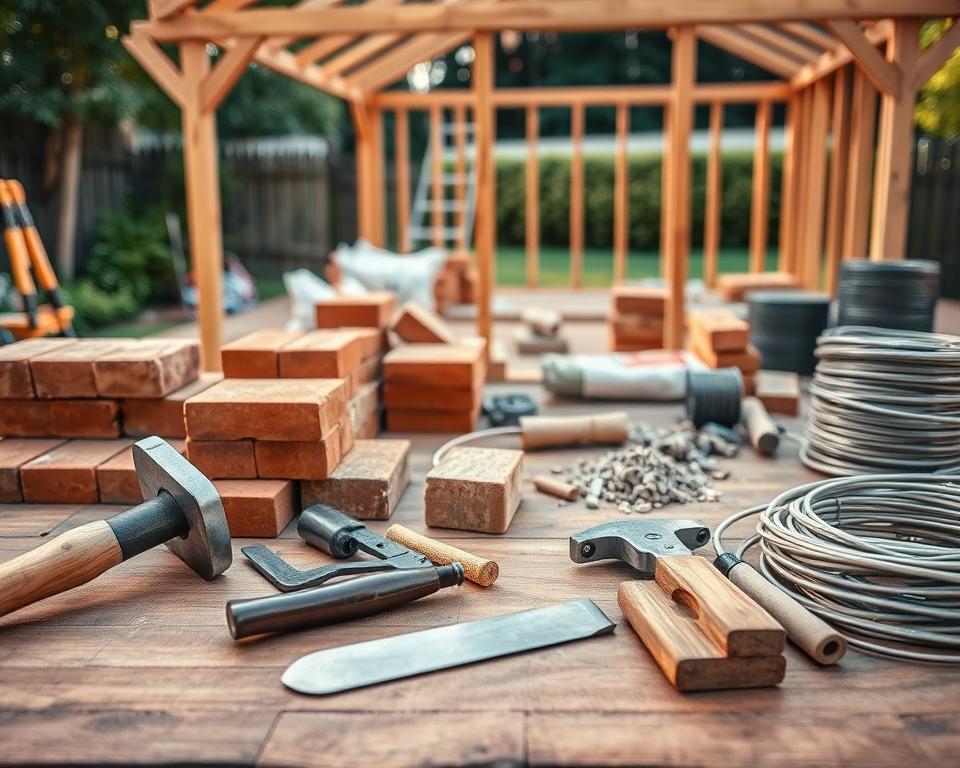
The key to a successful foundation lies in having the correct tools and high-quality building materials. Contractors and DIY enthusiasts should focus on acquiring essential equipment that ensures precision and durability.
Foundation Construction Tools
- Measuring tape and laser level for accurate site measurements
- Shovel and excavation equipment
- Spirit level for ensuring perfect horizontal alignment
- Wheelbarrow for material transportation
- Concrete mixer for precise cement preparation
Essential Building Materials for Foundations
| Material | Purpose | Recommended Grade |
|---|---|---|
| Concrete Mix | Primary foundation structure | C25 or C30 strength |
| Reinforcement Steel | Structural stability | 500B grade |
| Damp-proof Membrane | Moisture protection | Heavy-duty polythene |
| Hardcore Aggregate | Base layer preparation | 40mm crushed stone |
Selecting high-quality foundation construction tools and building materials for foundations is crucial for creating a stable and long-lasting wooden garden house base. Professional-grade equipment minimises potential structural issues and ensures a robust foundation.
Investing in quality tools and materials is the first step towards a successful foundation construction project.
Careful selection and proper use of these tools and materials will provide the groundwork for a sturdy and reliable garden house foundation that can withstand various environmental challenges.
Types of Foundations Suitable for Wooden Garden Houses
Selecting the right foundation is crucial for the stability and longevity of your wooden garden house. Different soil conditions and project requirements demand specific foundation types. Understanding the characteristics of concrete slab foundation, strip foundation, and pile foundation will help you make an informed decision.
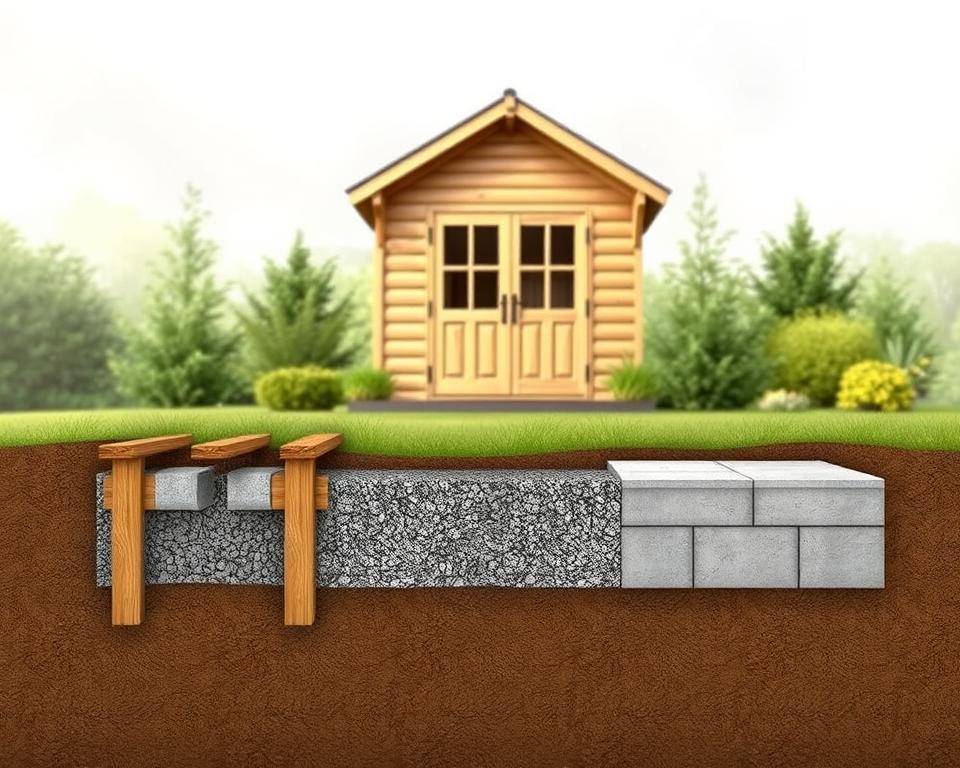
Foundations serve as the critical base that supports the entire structure, ensuring it remains level, stable, and protected from ground-related challenges. Each foundation type offers unique advantages depending on your specific landscape and construction needs.
Concrete Slab Foundations
A concrete slab foundation provides a solid, uniform base for wooden garden houses. This foundation type involves pouring a single layer of concrete directly onto prepared ground, creating a flat surface that supports the entire structure.
- Best suited for flat, stable ground
- Excellent for areas with mild climate conditions
- Quick installation process
- Cost-effective solution
Strip Foundations
Strip foundations are linear concrete bases typically used when ground conditions require more targeted support. These foundations create continuous concrete strips where load-bearing walls will be positioned.
- Ideal for uneven terrain
- Provides excellent load distribution
- Suitable for areas with variable soil conditions
- Allows for better ground moisture management
Pile Foundations
Pile foundations are perfect for challenging ground conditions, such as soft soil, high water tables, or areas prone to ground movement. These deep foundations use long, slender columns driven deep into the ground to provide robust structural support.
- Excellent for unstable or waterlogged ground
- Provides deep structural stability
- Minimises risk of settlement
- Adaptable to complex terrain
| Foundation Type | Best Soil Conditions | Cost Range | Installation Complexity |
|---|---|---|---|
| Concrete Slab | Flat, stable ground | £50-£100/m² | Low |
| Strip Foundation | Slightly uneven terrain | £80-£150/m² | Medium |
| Pile Foundation | Soft, unstable ground | £150-£300/m² | High |
Choosing the right foundation depends on multiple factors including soil type, climate, budget, and specific garden house design. Consulting with a professional groundworks expert can help you make the most appropriate selection for your project.
Planning Permission and Building Regulations in the UK
Navigating UK building regulations for garden houses can be complex. Understanding the legal requirements is crucial before starting your garden house construction project. Local planning permissions vary depending on several key factors that determine whether you need official approval.
Most garden houses fall under permitted development rights, which allow construction without full planning permission. Nevertheless, specific conditions must be met to qualify for these exemptions.
- Maximum height restrictions apply
- Total ground coverage limitations
- Distance from property boundaries
- Location within the property
Garden house planning permission becomes mandatory when your project exceeds permitted development criteria. Local planning authorities assess each application based on:
- Structure’s total floor area
- Proposed building height
- Proximity to neighbouring properties
- Potential visual impact
UK building regulations require detailed documentation for garden house projects. Homeowners must submit:
| Document Type | Purpose |
|---|---|
| Site Plans | Demonstrate proposed structure location |
| Architectural Drawings | Show precise measurements and design |
| Structural Calculations | Confirm building safety and compliance |
Professional advice from local planning departments can streamline your garden house approval process and prevent potential legal complications.
Foundation Construction for a Large Wooden Garden House
Creating a sturdy foundation is crucial for any wooden garden house project. The foundation construction process requires careful planning and precise execution to ensure long-term stability and durability. Professional builders understand that a well-constructed foundation protects your investment and provides a solid base for your garden structure.
Successful foundation construction involves several critical stages that demand attention to detail and technical expertise.
Step-by-Step Construction Process
- Excavate the designated area to required depth
- Compact the ground thoroughly
- Install a layer of hardcore stone aggregate
- Add a protective membrane
- Pour concrete foundation base
- Allow proper curing time
Reinforcement Techniques
Reinforcement techniques play a vital role in foundation strength. Steel mesh and rebar are commonly used to enhance concrete’s structural integrity. These materials prevent cracking and distribute weight evenly across the foundation.
- Place steel mesh uniformly
- Ensure proper spacing of reinforcement bars
- Use high-quality concrete mix
- Vibrate concrete during pouring to remove air pockets
Waterproofing Methods
Waterproofing methods are essential to protect your wooden garden house foundation from moisture damage. Applying specialised waterproof membranes and sealants creates an effective barrier against ground moisture.
- Apply liquid-applied waterproofing membrane
- Install drainage systems around foundation
- Use waterproof concrete additives
- Create slight gradient for water runoff
Professional tip: Always consult local building regulations and consider site-specific conditions when planning your foundation construction.
Cost Considerations and Budgeting
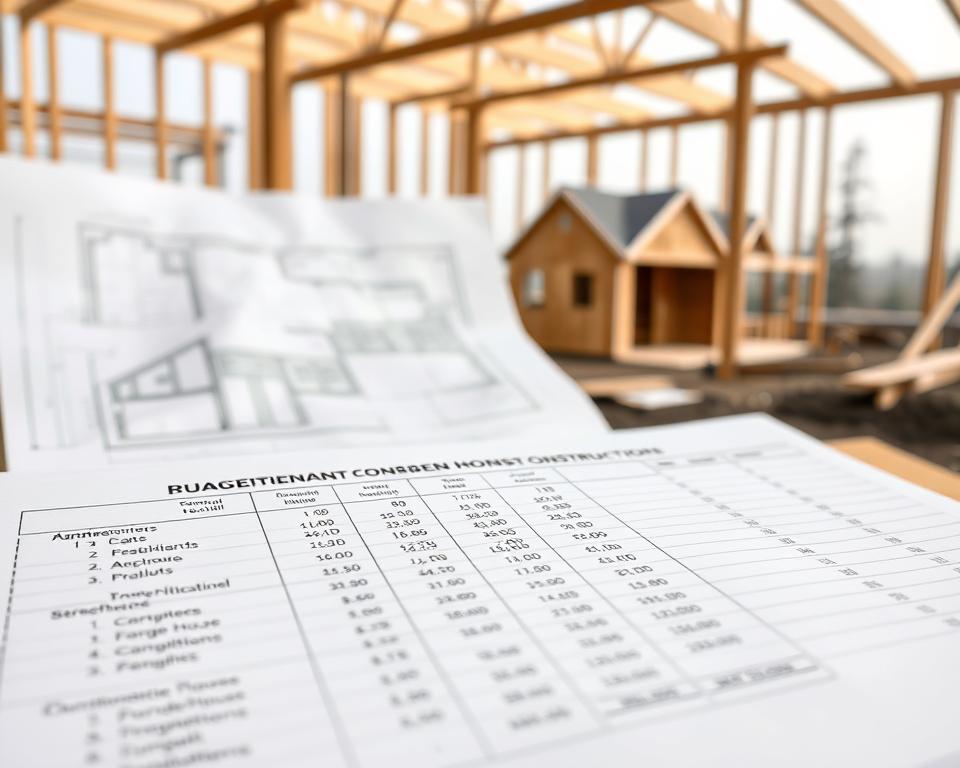
Navigating foundation construction costs for a wooden garden house requires careful financial planning. Understanding the key factors that impact budgeting for garden house foundations can help homeowners make informed decisions and prevent unexpected expenses.
The total foundation construction costs typically depend on several critical elements:
- Site preparation and ground assessment
- Foundation type selection
- Materials quality and quantity
- Labour expenses
- Local building regulations compliance
Homeowners should anticipate spending between £2,000 and £5,000 for a standard garden house foundation, depending on specific project requirements. Breaking down potential expenses can help create a realistic budget:
| Expense Category | Estimated Cost Range |
|---|---|
| Site Clearance | £300 – £800 |
| Soil Testing | £200 – £500 |
| Foundation Materials | £1,000 – £3,000 |
| Professional Labour | £500 – £1,500 |
To manage foundation construction costs effectively, consider these strategic budgeting tips:
- Obtain multiple quotes from reputable contractors
- Invest in quality materials to prevent future repairs
- Plan for potential contingencies (10-15% extra budget)
- Check local building regulation requirements early
Pro tip: Always prioritise structural integrity over immediate cost savings when budgeting for garden house foundations.
Common Foundation Problems and Prevention
Wooden garden house foundations face several critical challenges that can compromise their structural integrity. Understanding and addressing these issues early helps prevent costly repairs and ensures the longevity of your outdoor structure.
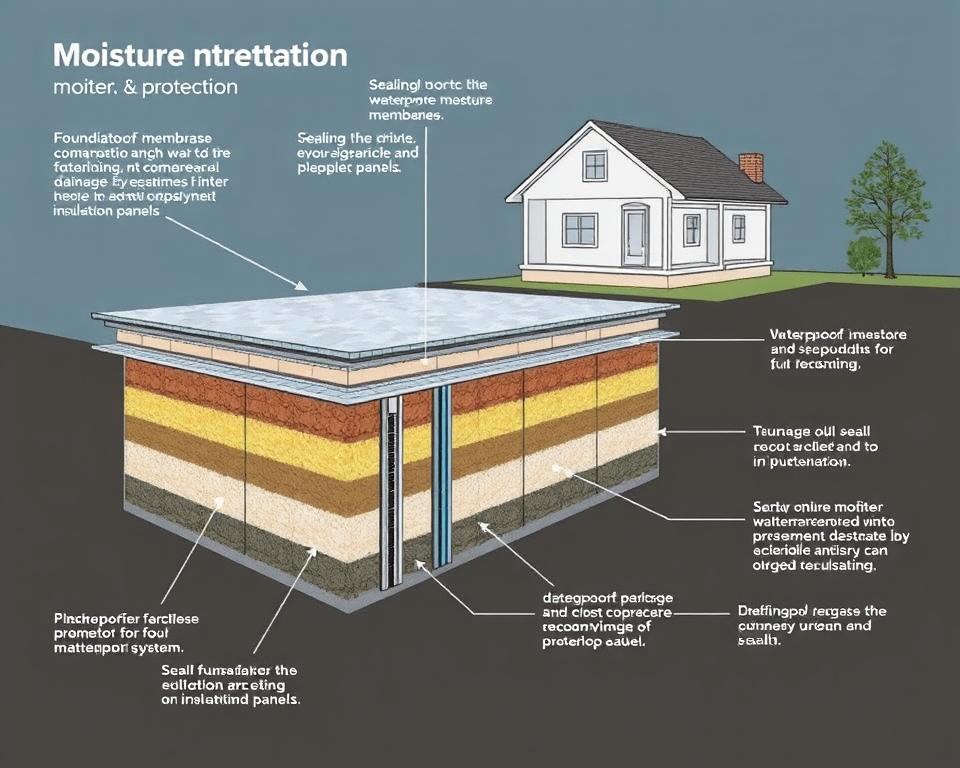
Foundation problems often stem from environmental factors and construction quality. Recognising potential risks allows homeowners to implement proactive prevention strategies.
Moisture Control Solutions
Foundation moisture control is crucial for preventing structural damage. Water infiltration can lead to serious issues like wood rot, mould growth, and foundation weakening.
- Install proper drainage systems around the foundation
- Apply waterproof membranes to foundation walls
- Create a slight slope away from the foundation to redirect water
- Use breathable moisture barriers
Frost Protection Measures
Frost protection becomes critical in regions with cold winters. Ground freezing can cause significant foundation movement and potential structural damage.
- Dig foundations below the local frost line
- Use insulation materials around foundation perimeters
- Implement proper soil compaction techniques
- Consider using frost-resistant concrete mixtures
Settlement Issues Management
Settlement prevention requires careful planning and ongoing monitoring. Uneven ground settlement can cause structural misalignment and potential foundation failure.
| Settlement Risk Factor | Prevention Strategy |
|---|---|
| Soil Composition | Conduct thorough soil testing |
| Water Drainage | Implement comprehensive drainage solutions |
| Foundation Design | Use appropriate reinforcement techniques |
Regular inspections and proactive maintenance are key to managing potential foundation problems effectively.
Maintenance and Long-term Care of Garden House Foundations
Protecting your wooden garden house starts with diligent foundation maintenance. Long-term foundation care is crucial for ensuring the structural integrity and longevity of your outdoor structure. Regular inspections and proactive measures can prevent costly repairs and potential structural damage.
Key aspects of foundation maintenance include:
- Moisture control and drainage management
- Periodic visual inspections
- Addressing potential drainage issues
- Protecting against environmental factors
Effective foundation maintenance requires a systematic approach. Homeowners should conduct seasonal checks to identify early signs of potential problems. These inspections help detect:
- Soil settlement
- Water accumulation
- Cracks or structural shifts
- Vegetation growth near the foundation
Recommended maintenance schedule for garden house foundations includes:
- Spring: Check for winter damage and drainage issues
- Summer: Inspect for moisture control and vegetation management
- Autumn: Prepare for potential frost and winter conditions
- Winter: Monitor for potential water damage and soil movement
By implementing a consistent foundation maintenance strategy, you can protect your investment and ensure your wooden garden house remains structurally sound for years to come. Professional consultations every few years can provide additional peace of mind and expert insights into long-term foundation care.
Conclusion
Building a robust wooden garden house begins with meticulous foundation construction. The journey we’ve explored demonstrates that investing careful planning and expertise into your foundation ensures a durable, stable structure that will withstand the unpredictable British weather for years to come.
Successful wooden garden house foundation construction requires understanding multiple critical elements. From initial site assessment to selecting appropriate foundation types, each step plays a crucial role in creating a long-lasting outdoor building. Proper drainage, moisture control, and adherence to local building regulations are paramount in preventing future structural complications.
Homeowners who prioritise thorough ground preparation and professional foundation techniques will reap significant benefits. A well-constructed foundation not only supports your wooden garden house structurally but also protects your investment against potential environmental challenges. By applying the knowledge shared in this guide, you can confidently create a beautiful, resilient garden structure that enhances your outdoor living space.
Remember that every exceptional wooden garden house starts with a solid foundation. Take time to plan, research, and implement best practices to transform your garden vision into a stunning reality.
FAQ
Do I need planning permission for a large wooden garden house?
In the UK, planning permission requirements depend on the size, location, and intended use of your garden house. Generally, if the structure is under 2.5 metres tall and covers less than 10 square metres, you may be able to proceed without formal permission. However, it’s always best to check with your local planning authority to confirm specific regulations for your area.
What is the most cost-effective foundation type for a wooden garden house?
Concrete slab foundations are often the most cost-effective option for wooden garden houses. They provide a solid, level base and are relatively straightforward to construct. The actual cost will depend on your specific site conditions, soil type, and the size of your garden house.
How deep should the foundation be for a large wooden garden house?
The foundation depth varies depending on soil conditions and local building regulations. Typically, foundations should extend at least 1 metre deep in the UK to protect against frost and ensure stability. A professional soil assessment can provide precise recommendations for your specific site.
Can I build the foundation myself, or should I hire a professional?
While experienced DIY enthusiasts might manage a simple foundation, it’s recommended to consult or hire a professional, especially for larger structures. Proper foundation construction requires technical knowledge of soil conditions, drainage, and structural integrity. Mistakes can lead to costly repairs or structural issues down the line.
How long does foundation construction typically take?
The foundation construction process usually takes between 3-7 days, depending on the complexity of the site, foundation type, and weather conditions. This includes site preparation, excavation, laying foundations, and allowing for concrete to cure properly.
What are the most common foundation problems to watch out for?
Key foundation issues include moisture damage, settlement, and frost heave. Watch for signs like cracking, uneven surfaces, water pooling, or shifts in the structure. Regular maintenance and proper initial construction can help prevent these common problems.
How much does a foundation for a wooden garden house typically cost?
Costs can range from £1,500 to £5,000, depending on the size of the structure, foundation type, site conditions, and local labour rates. A simple concrete slab for a small garden house might cost around £1,500-£2,500, while more complex foundations for larger structures can exceed £4,000.
Do I need special drainage considerations for my garden house foundation?
Yes, proper drainage is crucial to prevent water damage and foundation issues. This typically involves creating a slight gradient away from the foundation, installing drainage pipes, and ensuring the surrounding ground slopes away from the structure to prevent water accumulation.
How often should I inspect my garden house foundation?
It’s recommended to conduct a thorough inspection at least twice a year – ideally in spring and autumn. Look for signs of cracking, water damage, or uneven settling. More frequent checks may be necessary in areas with challenging soil conditions or extreme weather.
What’s the best way to protect my foundation from moisture?
Effective moisture protection includes using a damp-proof membrane, ensuring proper drainage, applying waterproof sealants, and maintaining good ground clearance. Proper ventilation and regular maintenance are key to preventing moisture-related foundation damage.