
What Not to Put in a Greenhouse? Essential Guide for Success
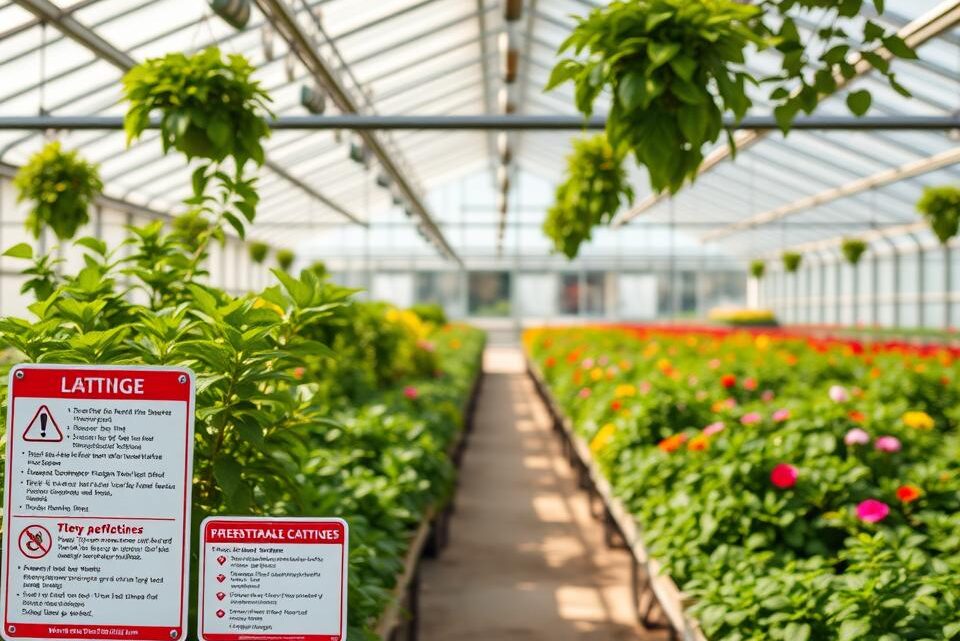
Creating a thriving greenhouse environment requires careful planning and understanding of potential greenhouse mistakes. Gardeners often overlook critical aspects of greenhouse safety, which can significantly impact plant health and overall productivity. Successful greenhouse management goes beyond simply growing plants—it involves creating an optimal ecosystem that supports robust growth while preventing potential risks.
Greenhouse don’ts are crucial knowledge for both novice and experienced gardeners. Understanding what materials, plants, and practices to avoid can protect your green sanctuary from potential damage, pest infestations, and environmental challenges. This comprehensive guide will explore essential strategies to maintain a safe and productive greenhouse space.
Proper greenhouse safety involves more than just selecting the right plants. It encompasses careful consideration of storage, ventilation, lighting, and environmental conditions. By recognising potential pitfalls, gardeners can create an ideal growing environment that nurtures plants and prevents unnecessary complications.
Inhaltsverzeichnis
Key Takeaways
- Understand critical greenhouse safety principles
- Identify potential risks in greenhouse environments
- Learn about proper plant selection and management
- Prevent pest infestations through strategic planning
- Create an optimal growing ecosystem
Understanding Greenhouse Basics and Common Mistakes
Creating a successful greenhouse environment requires careful planning and understanding of fundamental principles. Gardeners must consider multiple factors to ensure optimal plant growth and productivity.
A greenhouse serves as a controlled microclimate where plants can thrive beyond their typical growing conditions. The structure acts as a protective barrier, trapping solar radiation and maintaining stable temperature control.
Basic Greenhouse Structure and Design
Effective greenhouse design focuses on several critical elements:
- Robust frame materials like aluminium or treated wood
- High-quality glazing that maximises light transmission
- Adequate ventilation systems
- Proper foundation and drainage
Critical Plant Selection Strategies
Selecting appropriate plants for your greenhouse environment determines success. Different species require unique growing conditions, making thoughtful plant selection paramount.
| Plant Type | Temperature Range | Humidity Preference |
|---|---|---|
| Tropical Plants | 20-30°C | 70-90% humidity |
| Mediterranean Herbs | 15-25°C | 40-60% humidity |
| Succulents | 10-25°C | 30-50% humidity |
Temperature and Humidity Management
Precise temperature control is crucial in greenhouse environments. Monitoring tools like digital thermometers and automated climate control systems help maintain optimal growing conditions.
*”A well-managed greenhouse transforms gardening from chance to science.”*
Understanding these fundamental principles sets the foundation for a thriving greenhouse ecosystem.
Harmful Plants That Don’t Belong in Your Greenhouse
Greenhouses provide a controlled environment for plant growth, but not all plants are suitable for this delicate ecosystem. Understanding which toxic plants, invasive species, and incompatible plants to avoid is crucial for maintaining a healthy greenhouse.
Some plants can pose significant risks to your greenhouse’s overall health and safety. These dangerous botanical inhabitants can spread quickly, damage other plants, or create hazardous conditions for workers.
- Toxic plants that release harmful chemicals
- Invasive species with aggressive growth patterns
- Incompatible plants that disrupt greenhouse balance
Certain plants are particularly problematic in greenhouse settings. Poison ivy, for instance, releases toxic oils that can harm other plants and cause severe skin irritation. Invasive species like Japanese knotweed can rapidly spread and overwhelm other vegetation.
| Plant Type | Risk Level | Potential Consequences |
|---|---|---|
| Poison Ivy | High | Toxic oils, skin irritation, plant contamination |
| Japanese Knotweed | Critical | Aggressive spreading, root system damage |
| Giant Hogweed | Extreme | Phototoxic sap, severe skin burns |
Gardeners must carefully select plants to prevent introducing toxic or invasive species into their greenhouse environment. Researching plant characteristics and potential risks is essential for maintaining a safe and productive growing space.
Toxic Materials and Chemical Storage Warnings
Maintaining chemical safety in your greenhouse requires careful planning and strategic management. Greenhouses are delicate environments where improper chemical storage can create significant risks to plant health and personal safety.
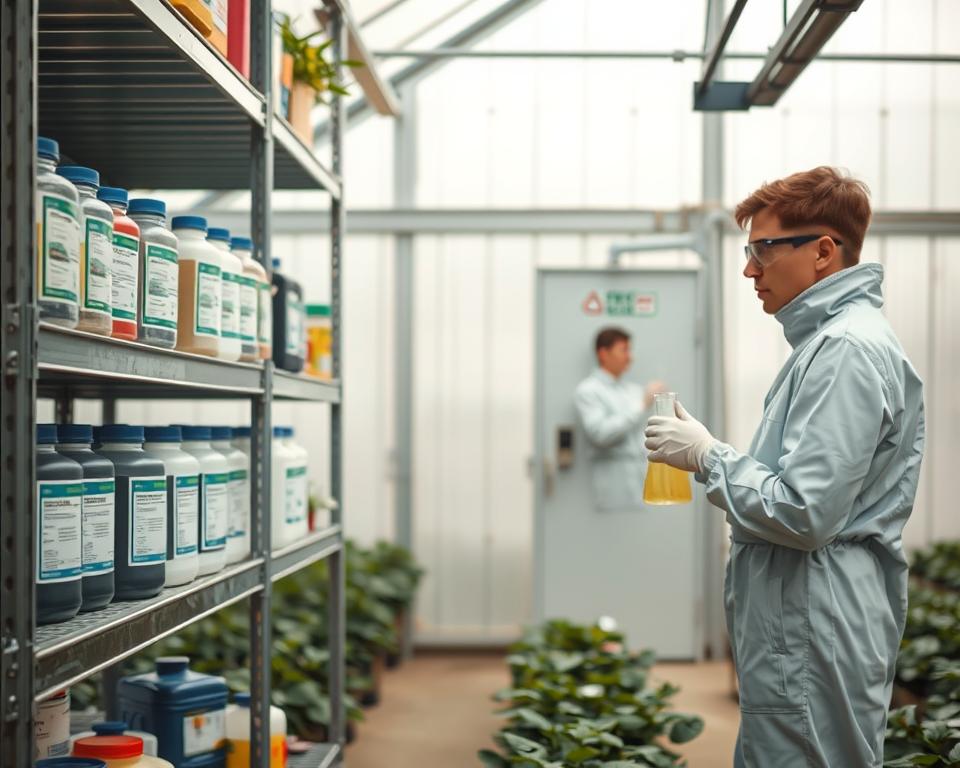
Understanding the potential dangers of toxic materials is crucial for creating a safe and productive greenhouse space. Certain chemicals and substances can compromise plant growth, damage greenhouse structures, and pose health hazards.
Dangerous Pesticides and Their Alternatives
Traditional pesticides often contain harmful chemicals that can negatively impact your greenhouse ecosystem. Exploring pesticide alternatives provides safer and more sustainable solutions for plant protection.
- Organic pest control methods
- Biological pest management
- Natural predator introduction
- Companion planting strategies
Hazardous Building Materials to Avoid
Some building materials can release toxic fumes or degrade over time, potentially contaminating your greenhouse environment. Selecting appropriate, non-toxic materials is essential for long-term greenhouse management.
| Hazardous Material | Potential Risks | Safe Alternatives |
|---|---|---|
| Treated lumber | Chemical leaching | Untreated cedar |
| Lead-based paints | Toxic vapour release | Water-based, non-toxic paints |
| Asbestos materials | Respiratory hazards | Modern, certified safe materials |
Safe Storage Solutions for Greenhouse Supplies
Implementing proper safe storage practices protects both your plants and personal health. Dedicated storage areas with secure containment prevent accidental chemical exposure and potential contamination.
- Use lockable, sealed containers
- Store chemicals away from plant areas
- Maintain clear labelling systems
- Implement regular inventory checks
Prioritising chemical safety and exploring sustainable alternatives will transform your greenhouse into a healthier, more productive environment.
What Not to Put in a Greenhouse?
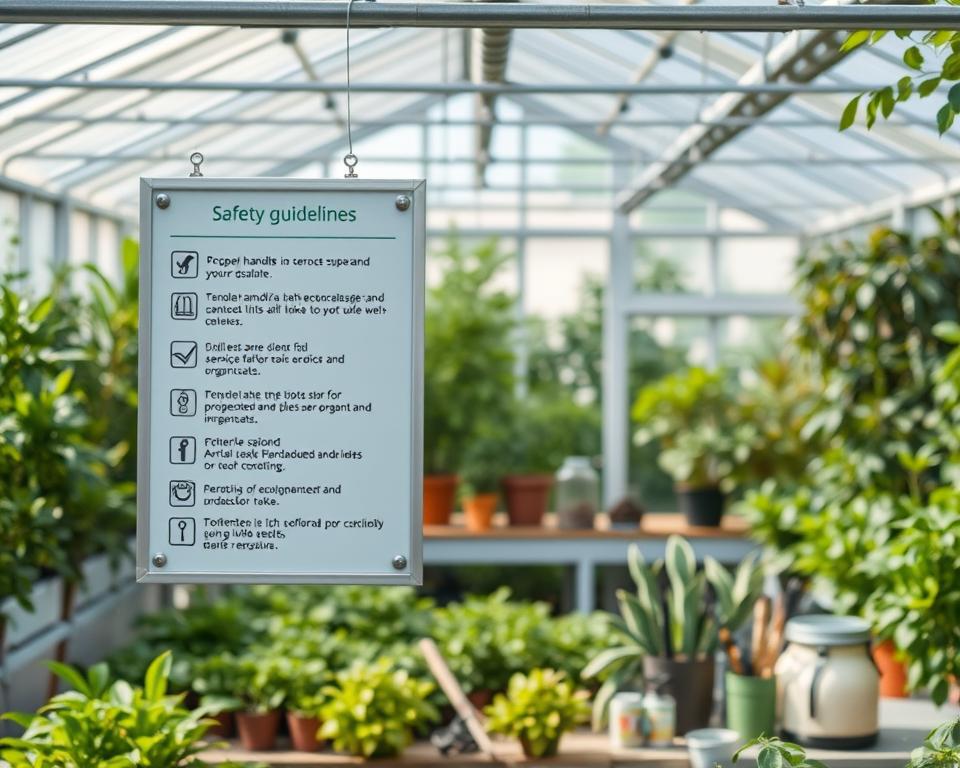
Creating a successful greenhouse requires careful planning and understanding of greenhouse prohibitions. Greenhouse safety guidelines play a crucial role in maintaining a healthy growing environment. Gardeners must be aware of specific items and practices that can compromise plant health and overall greenhouse functionality.
Certain materials and practices can quickly turn your greenhouse from a productive space into a potential disaster zone. Implementing strict greenhouse safety guidelines helps prevent common mistakes that could damage your plants or create unsafe conditions.
- Avoid storing chemical pesticides directly inside the greenhouse
- Keep flammable materials away from growing areas
- Remove rusting metal tools and equipment
- Prevent food waste accumulation
- Eliminate standing water to reduce pest risks
Understanding greenhouse prohibitions goes beyond simple storage rules. Moisture-sensitive items, combustible materials, and inappropriate growing media can create significant challenges for greenhouse management.
Gardeners should prioritise clean, organised spaces that support plant growth. Implementing proper storage solutions and maintaining strict cleanliness standards will help create an optimal greenhouse environment.
“A well-managed greenhouse is a sanctuary for plants, not a storage dumping ground.”
- Regular cleaning prevents disease spread
- Proper ventilation maintains healthy growing conditions
- Strategic organisation maximises productive space
By following these essential greenhouse safety guidelines, gardeners can create a thriving, productive environment that supports healthy plant growth and minimises potential risks.
Space-Consuming Equipment and Tools to Keep Outside
Effective greenhouse organisation requires careful consideration of tool storage and space management. Large equipment can quickly overwhelm your precious growing environment, making it crucial to strategically plan your storage solutions.
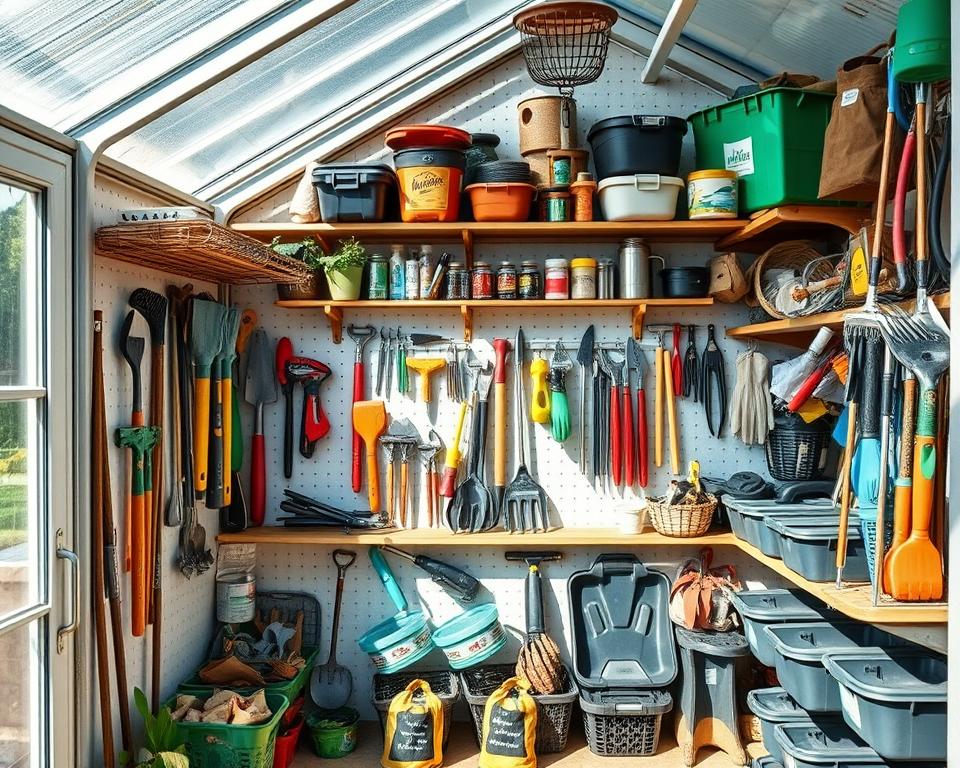
Not all gardening tools and equipment belong inside your greenhouse. Some items are better stored externally to maintain a clean, efficient growing space.
Optimal External Storage Strategies
- Invest in a sturdy outdoor shed for bulky equipment
- Use weatherproof storage boxes for smaller gardening tools
- Create a dedicated tool station near the greenhouse
- Install wall-mounted racks for long-handled tools
Maximising Greenhouse Space
Smart space management begins with ruthless organisation. Remove oversized machinery, petrol-powered equipment, and large wheelbarrows from your greenhouse interior. These items not only consume valuable space but can also introduce unwanted dirt and potential contamination.
“A well-organised greenhouse is a productive greenhouse” – Gardening Experts
Consider compact, foldable alternatives for essential tools. Telescopic handles, collapsible wheelbarrows, and multi-purpose gardening implements can help you maintain an efficient, clutter-free greenhouse environment.
Strategic Tool Placement
Create a systematic approach to tool storage. Use vertical space with hanging organisers, magnetic tool strips, and slim shelving units. These solutions keep your greenhouse tidy while ensuring every tool is easily accessible.
Problematic Soil Types and Growing Media
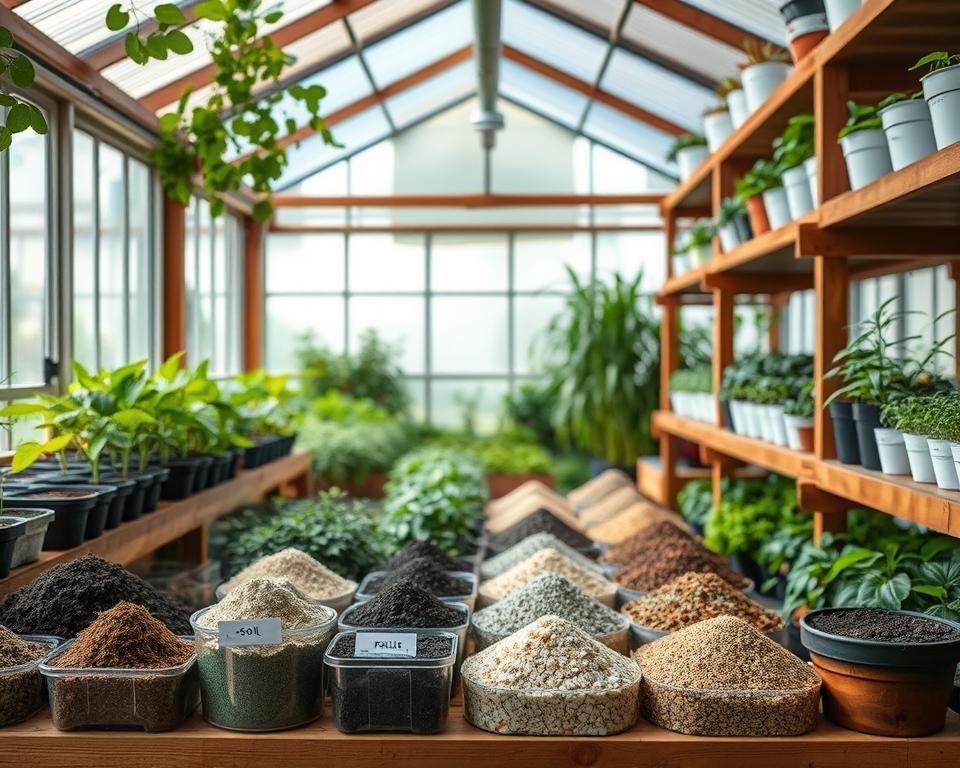
Selecting the right soil and growing media is crucial for greenhouse success. Not all substrates are suitable for creating a thriving plant environment. Understanding which growing media can harm your greenhouse plants helps prevent potential cultivation disasters.
Certain soil types can create significant challenges for greenhouse gardeners. Clay-heavy soils, for instance, create poor drainage and restrict root growth. Sandy soils drain too quickly, preventing plants from absorbing essential nutrients effectively.
- Avoid using garden soil directly in greenhouse substrates
- Steer clear of compacted or waterlogged growing media
- Reject soil with high salt content or poor mineral balance
Ideal greenhouse substrates should provide excellent drainage, retain moisture, and support robust plant nutrition. Professional gardeners recommend custom-blended growing media that incorporate:
- Peat moss for water retention
- Perlite for improved aeration
- Vermiculite for nutrient management
When performing soil selection, prioritise sterile, lightweight materials that promote healthy root development. Experienced greenhouse cultivators often use commercial potting mixes specifically designed for controlled environment agriculture.
Investing in quality growing media is fundamental to greenhouse plant health and productivity.
Unsuitable Lighting Fixtures and Heat Sources
Greenhouse lighting and heat sources require careful consideration to prevent potential fire safety risks. Selecting the right electrical equipment is crucial for maintaining a safe and productive greenhouse environment.

When setting up greenhouse lighting, gardeners must be aware of several critical safety factors. Not all lighting fixtures are suitable for greenhouse use, and some can create significant hazards.
Fire Hazards to Avoid
- Avoid using standard indoor lighting fixtures that aren’t rated for moisture
- Keep electrical equipment away from water sources
- Never use damaged or frayed electrical cords
- Maintain safe distances between heat sources and combustible materials
Electrical equipment in greenhouses demands special attention. Heat sources can quickly become fire risks if not properly selected and maintained.
Proper Electrical Equipment Selection
Choosing the right greenhouse lighting involves more than just brightness. Look for fixtures specifically designed for humid environments with the following characteristics:
- Waterproof and moisture-resistant ratings
- Low heat emission
- LED options for energy efficiency
- Sealed electrical connections
Safety should always be your primary concern when installing greenhouse lighting and heat sources.
Professional gardeners recommend investing in specialised greenhouse electrical equipment that minimises fire risks while providing optimal growing conditions.
Plants That Attract Harmful Pests and Diseases
Maintaining optimal plant health in a greenhouse requires careful consideration of which plants you introduce. Some species can become breeding grounds for pests and diseases, potentially compromising the entire greenhouse ecosystem.
Certain plants are particularly susceptible to attracting harmful insects and pathogens. Effective pest management starts with understanding these potential risk factors and implementing preventative strategies.
- Tomato plants often attract whiteflies and spider mites
- Cucumber varieties can harbour powdery mildew
- Pepper plants frequently invite aphid infestations
Disease prevention involves strategic plant selection and proactive monitoring. Greenhouses with dense, humid environments create ideal conditions for pest proliferation.
| Plant Type | Common Pest | Risk Level |
|---|---|---|
| Tomatoes | Whiteflies | High |
| Cucumbers | Spider Mites | Medium |
| Peppers | Aphids | High |
Regular inspection and quarantine procedures for new plants can significantly reduce the risk of pest transmission. Implementing integrated pest management techniques will help protect your greenhouse ecosystem.
Inappropriate Ventilation Systems and Materials
Greenhouse ventilation plays a critical role in maintaining optimal growing conditions. Proper air circulation can mean the difference between thriving plants and a struggling greenhouse environment. Understanding the nuances of climate control is essential for gardeners seeking success.
Not all ventilation systems are created equal. Some materials and approaches can actually harm your greenhouse ecosystem rather than improve it.
Common Ventilation Mistakes to Avoid
- Using non-breathable materials for vents
- Blocking natural airflow with improper placement
- Neglecting automated ventilation solutions
- Installing cheap, low-quality ventilation equipment
Recommended Ventilation Solutions
Effective greenhouse ventilation requires strategic planning. Consider these professional recommendations:
- Install adjustable roof and side vents
- Use temperature-sensitive automatic vent openers
- Implement cross-ventilation design
- Select high-quality, rust-resistant materials
Climate control isn’t just about temperature—it’s about creating a balanced microenvironment that supports plant growth. Investing in proper air circulation systems will protect your greenhouse and help your plants thrive.
Food and Organic Waste Storage Issues
Storing food and organic waste in greenhouses creates significant challenges for gardeners. Waste management becomes critical to preventing pest infestations and maintaining a clean growing environment. Decomposing organic materials attract unwanted insects, rodents, and potentially harmful microorganisms that can compromise plant health.
Effective composting requires careful strategy to minimise risks. Greenhouse enthusiasts should consider alternative waste disposal methods to protect their delicate plant ecosystems.
- Keep compost bins outside the greenhouse
- Use sealed containers for organic waste
- Clean up spills immediately
- Implement regular pest prevention techniques
Proper waste management involves understanding potential risks. Organic waste can quickly become a breeding ground for pests, creating an environment that threatens your greenhouse’s carefully cultivated ecosystem.
| Waste Type | Risk Level | Recommended Action |
|---|---|---|
| Food Scraps | High | Remove immediately |
| Plant Debris | Medium | Compost outside greenhouse |
| Fruit Remnants | High | Sealed disposal |
By implementing strategic waste management practices, gardeners can prevent pest issues and maintain a healthy greenhouse environment. Careful handling of organic materials protects your plants and ensures optimal growing conditions.
Items That Can Damage Greenhouse Coverage
Protecting the structural integrity of a greenhouse requires careful attention to potential sources of damage. Sharp objects, heavy equipment, and careless handling can compromise greenhouse maintenance and lead to costly repairs.
Several items pose significant risks to greenhouse cover protection:
- Metal tools with sharp edges
- Ladder edges and supports
- Garden equipment with rough surfaces
- Climbing plants with aggressive tendrils
Gardeners must be particularly cautious when moving equipment inside the greenhouse. Accidental scratches or punctures can create weak points in glass or polycarbonate panels, reducing their protective capabilities and potentially exposing delicate plants to external elements.
Recommended strategies for maintaining structural integrity include:
- Using protective covers for tools
- Creating designated storage areas away from covers
- Implementing careful movement protocols
- Regular inspection of greenhouse surfaces
Prevention is always more cost-effective than repair when it comes to greenhouse maintenance.
Different greenhouse cover materials require specific care. Polycarbonate panels need gentler handling compared to traditional glass, while older structures might have more vulnerable coverage areas that demand extra attention.
Conclusion
Creating a thriving greenhouse environment requires careful planning and strategic management. By understanding what not to include in your greenhouse, you can develop successful greenhouse management techniques that protect your plants and optimise growth conditions.
The key to maintaining a healthy greenhouse lies in meticulous organisation, thoughtful plant selection, and proactive prevention of potential risks. From avoiding toxic materials to selecting appropriate storage solutions, every decision impacts your greenhouse’s overall performance and plant health.
Implementing these recommended greenhouse best practices will transform your greenhouse into a productive and safe space. Gardeners who invest time in understanding environmental controls, pest prevention, and proper equipment placement will see remarkable results in their plant cultivation efforts.
Remember that a well-managed greenhouse is more than just a growing space—it’s a carefully curated ecosystem that requires knowledge, attention, and continuous learning. Embrace these insights, and watch your greenhouse become a vibrant, flourishing environment for your plants.
FAQ
What are the most dangerous plants to avoid in a greenhouse?
Avoid toxic plants like foxglove, oleander, and datura, which can harm other plants and potentially cause health risks. Invasive species such as kudzu and Japanese knotweed should also be kept out, as they can quickly overtake your greenhouse environment and disrupt other plant growth.
How can I prevent pest infestations in my greenhouse?
Prevent pest infestations by carefully selecting plants that don’t attract harmful insects. Avoid bringing in plants with visible signs of disease or pest damage. Implement regular cleaning routines, use sticky traps, and maintain proper ventilation to reduce the risk of pest problems.
What materials should never be stored in a greenhouse?
Never store toxic chemicals, flammable materials, or hazardous pesticides in your greenhouse. Avoid keeping large equipment, food waste, or organic rubbish inside. Instead, use separate storage areas for tools and chemicals to maintain a clean and safe growing environment.
How do I choose the right soil for my greenhouse?
Select sterile, well-draining potting mix specifically designed for greenhouse use. Avoid using garden soil, which can introduce pests, diseases, and poor drainage. Look for lightweight, nutrient-rich growing media that provides excellent aeration and moisture retention for your plants.
What lighting and heating sources are unsafe in a greenhouse?
Avoid open flame heaters, uncertified electrical equipment, and improvised lighting solutions that could pose fire risks. Use only professional-grade, greenhouse-specific heating and lighting systems that are designed to withstand humid environments and meet safety standards.
Can I store food or organic waste in my greenhouse?
Absolutely not. Food and organic waste attract pests, rodents, and can create unsanitary conditions in your greenhouse. These materials can introduce diseases, fungi, and unwanted insects that could devastate your plant collection. Always dispose of organic waste outside the greenhouse.
How can I protect my greenhouse covering from damage?
Prevent damage by avoiding sharp tools near glass or polycarbonate panels, keeping heavy equipment away from the structure, and being cautious during maintenance. Use protective covers when working inside, and regularly inspect the greenhouse for any signs of wear or potential points of damage.
What ventilation mistakes should I avoid in my greenhouse?
Avoid blocking ventilation points, using improper ventilation systems, or creating stagnant air. Ensure proper air circulation with adjustable vents, exhaust fans, and strategic placement of openings. Monitor temperature and humidity levels to maintain optimal growing conditions.
Are there any specific electrical equipment risks in greenhouses?
Be cautious of using non-waterproof electrical equipment, overloading circuits, or using damaged cords in the humid greenhouse environment. Always use waterproof, greenhouse-rated electrical equipment and install proper ground fault circuit interrupters (GFCIs) to prevent electrical hazards.
What’s the best way to organise my greenhouse to prevent overcrowding?
Use vertical shelving, hanging systems, and compact growing techniques to maximise space. Keep only essential tools and supplies inside, storing larger equipment elsewhere. Implement a systematic organisation method that allows easy access and maintains a clean, efficient growing environment.

