
Maximum Size for UK Gazebos: Planning Permission Guide
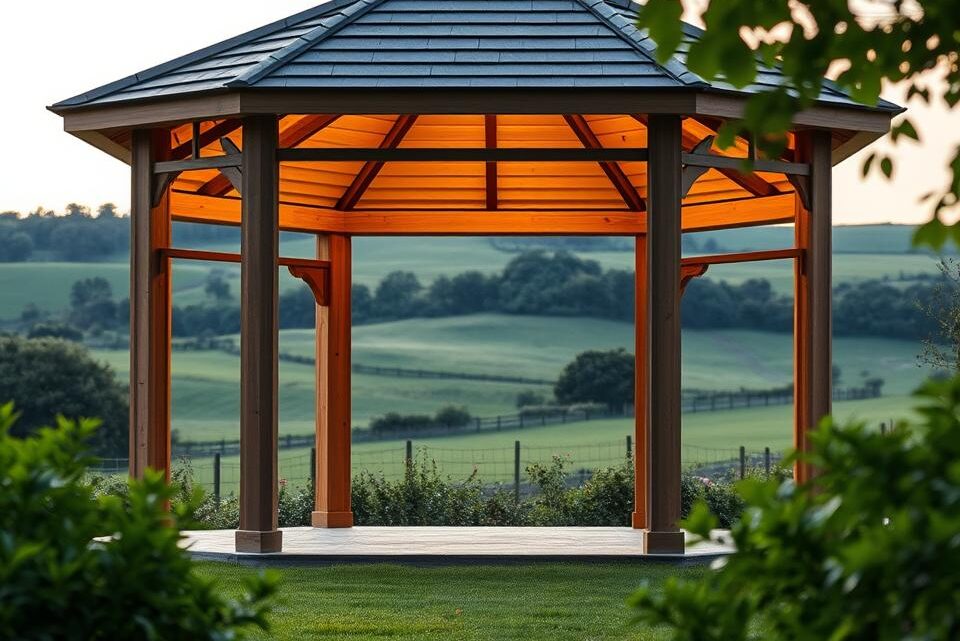
Navigating the UK gazebo regulations can be complex for property owners seeking to enhance their outdoor spaces. Understanding the maximum size of gazebo without planning permission in the UK requires careful consideration of local authority guidelines and specific legal frameworks.
This comprehensive guide will explore the intricate details of UK gazebo regulations, helping homeowners and property developers make informed decisions about garden structures. From size limitations to material considerations, we’ll break down the essential information you need to know before installing a gazebo.
Whether you’re planning a permanent garden feature or a temporary outdoor structure, knowing the precise rules can save you time, money, and potential legal complications. Our expert insights will demystify the planning permission requirements for gazebos across different UK property types.
Inhaltsverzeichnis
Key Takeaways
- Understand size restrictions for gazebos without planning permission
- Learn about local authority guidelines for garden structures
- Discover material and height limitations for gazebo installations
- Identify when planning permission is required
- Recognise differences between permanent and temporary structures
Understanding UK Gazebo Regulations and Building Requirements
Navigating the complex world of UK gazebo regulations can be challenging for homeowners. Garden structure regulations vary across different local authorities, making it crucial to understand the legal framework before installing a gazebo.
The legal landscape for garden structures involves several key considerations that impact homeowners planning to add a gazebo to their property. Local authority guidelines play a significant role in determining what is permissible.
Key Terminology in Planning Regulations
Understanding planning terminology helps homeowners navigate regulations more effectively. Some critical terms include:
- Permitted Development Rights: Rules allowing certain construction without full planning permission
- Curtilage: The area immediately surrounding a property
- Footprint: The total ground area occupied by a structure
Legal Framework for Garden Structures
The UK’s garden structure regulations are designed to maintain neighbourhood aesthetics and prevent potential disputes. Different considerations apply depending on the gazebo’s:
- Size
- Location
- Intended use
- Construction materials
Local Authority Guidelines
Each local council interprets UK gazebo regulations slightly differently. Homeowners should always consult their specific local authority for precise guidance.
| Region | Typical Gazebo Restrictions | Permission Required |
|---|---|---|
| England | Up to 2.5m height | Often not required |
| Scotland | Stricter boundary regulations | Frequently required |
| Wales | Conservation area considerations | Depends on location |
Understanding these regulations helps ensure your gazebo project proceeds smoothly without unexpected legal complications.
What is the Maximum Size of a Gazebo Without Planning Permission in UK?

Navigating the maximum size of a gazebo without planning permission in the UK requires careful consideration of permitted development rights. Homeowners can typically construct garden structures without formal approval, but specific dimensional restrictions apply.
The key parameters for gazebo size under permitted development rights include:
- Maximum ground area of 10 square metres
- Total height limited to 2.5 metres
- Structure must be single-storey
- Located within the curtilage of existing dwelling
When calculating the maximum size of a gazebo without planning permission, homeowners must consider several critical factors. The structure’s placement near property boundaries and its proximity to existing buildings can influence permissible dimensions.
For residential properties, the permitted development rights offer flexibility. A gazebo measuring up to 10 square metres can typically be constructed without seeking explicit planning permission. This allowance enables homeowners to enhance their outdoor spaces while maintaining reasonable restrictions.
Specific considerations include:
- Ensuring the gazebo does not cover more than 50% of the garden area
- Maintaining appropriate distances from property boundaries
- Complying with height restrictions
Consultation with local planning authorities remains crucial, as individual circumstances may vary. Some regions might have additional constraints or specific local guidelines affecting gazebo construction.
Permanent vs Temporary Gazebo Structures: Size Limitations
Navigating the complexities of gazebo installations requires understanding the crucial differences between permanent and temporary structures. Property owners must carefully consider their specific needs and local planning regulations when selecting a gazebo for their outdoor space.
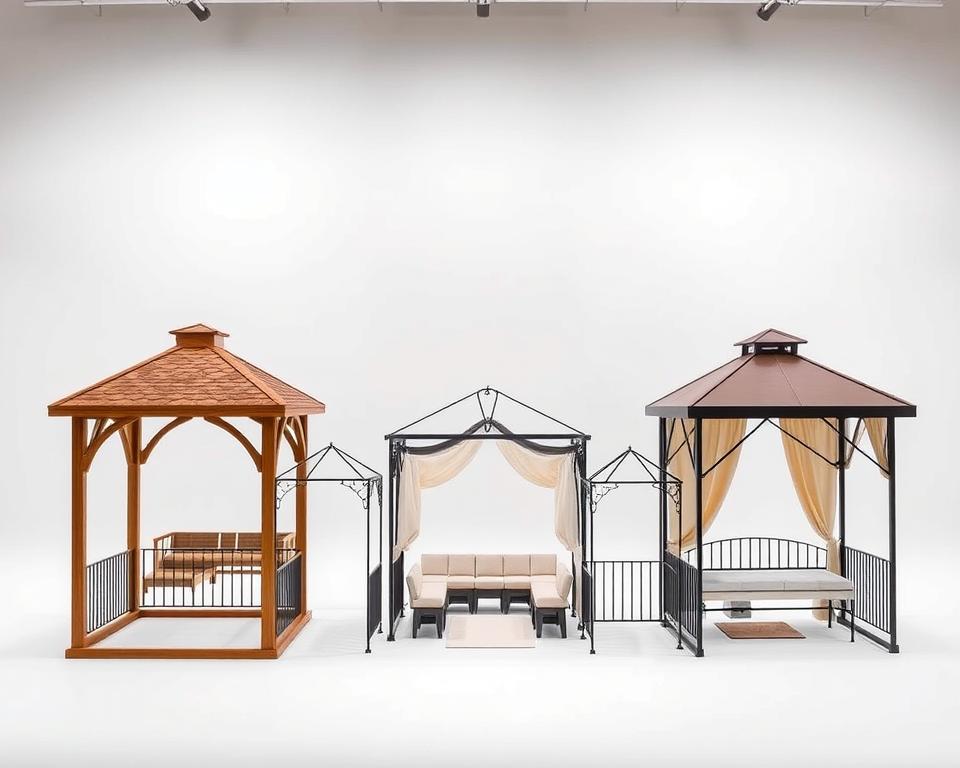
Permanent gazebo structures typically involve more substantial construction and have specific legal implications. These installations often require more rigorous planning permissions due to their long-term nature and impact on the property landscape.
Defining Permanent Installations
A permanent gazebo structure is characterised by several key features:
- Concrete foundation or fixed base
- Substantial construction materials
- Designed for year-round use
- Integrated with existing landscape
Temporary Structure Guidelines
Temporary gazebo guidelines offer more flexibility for property owners seeking short-term outdoor solutions. These structures are typically:
- Easily assembled and disassembled
- Lightweight and portable
- Used for specific events or seasonal purposes
- Less likely to require extensive planning permissions
Duration of Installation Considerations
The gazebo installation duration plays a critical role in determining planning requirements. Short-term installations might have more lenient regulations compared to long-term or permanent structures.
Property owners should consult local authorities to understand specific guidelines, as regulations can vary significantly between different regions and property types.
Pro tip: Always verify local planning regulations before installing any gazebo structure to ensure compliance and avoid potential legal complications.
Height Restrictions for Garden Gazebos
Understanding garden gazebo height restrictions is crucial for UK homeowners planning to enhance their outdoor spaces. The maximum gazebo height UK regulations are specific and designed to maintain neighbourhood aesthetics and prevent potential planning conflicts.
When considering garden gazebo height restrictions, homeowners should be aware of key measurement guidelines:
- Typical maximum height: 2.5 metres from ground level
- Measurement includes entire structure, from foundation to roof peak
- Different rules apply for structures near property boundaries
Roof design significantly influences height limitations. Pitched roofs might allow slightly more vertical space compared to flat-topped gazebos. Local authorities assess each installation individually, considering factors like:
- Proximity to neighbouring properties
- Overall garden landscape
- Potential visual impact
The recommended approach is to check specific local council guidelines, as maximum gazebo height UK regulations can vary slightly between different regions.
| Gazebo Type | Maximum Permitted Height | Additional Considerations |
|---|---|---|
| Temporary Structure | 2.5 metres | Must be removable |
| Permanent Installation | 2.5-3 metres | Requires planning permission |
Pro tip: Always consult your local planning department before commencing any garden structure installation to ensure full compliance with garden gazebo height restrictions.
Material Considerations and Their Impact on Planning Requirements
Selecting the right gazebo construction materials is crucial for both aesthetic appeal and compliance with local planning regulations. The choice of materials can significantly influence your project’s success and longevity.

When considering gazebo construction materials, homeowners must evaluate several key factors:
- Durability of the selected materials
- Weather-resistant properties
- Environmental sustainability
- Aesthetic compatibility with existing structures
Approved Construction Materials
The most common weather-resistant gazebo materials include:
- Pressure-treated timber
- Cedar wood
- Aluminium
- Powder-coated steel
Weather-Resistant Options
In the UK’s unpredictable climate, selecting weather-resistant gazebo materials is paramount. Teak and cedar naturally resist moisture and decay, making them excellent choices for outdoor structures.
Environmental Impact Factors
Environmentally friendly gazebo options are increasingly important. Sustainable materials like recycled composite wood or locally sourced timber can positively impact planning permission assessments.
Choosing eco-friendly materials demonstrates a commitment to environmental responsibility.
Local authorities often appreciate homeowners who prioritise sustainable construction practices, potentially streamlining the planning approval process.
Distance Requirements from Property Boundaries
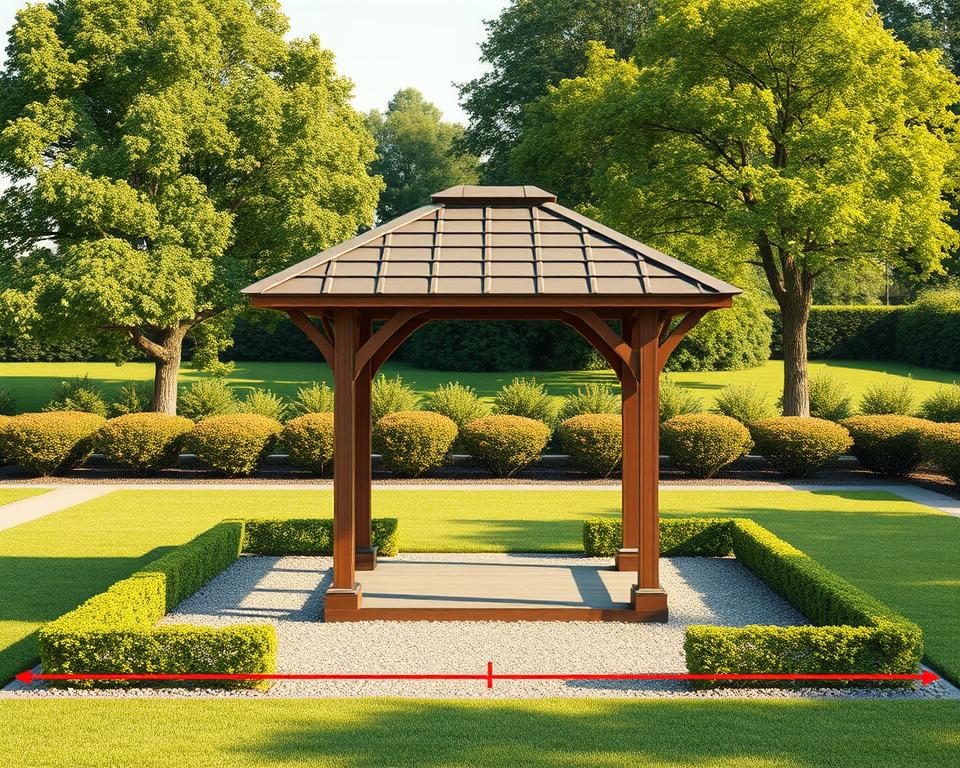
Understanding gazebo property boundary rules is crucial for homeowners planning to install a garden structure. The minimum distance for a gazebo from a fence can vary depending on local regulations and specific circumstances.
Local authorities typically have specific guidelines regarding the placement of garden structures. When considering gazebo installation, several key factors come into play:
- Property line setbacks
- Neighbour’s potential line of sight
- Size and height of the gazebo
- Intended use of the structure
Most local councils recommend maintaining a minimum distance of 2 metres from property boundaries. This ensures:
- Adequate space between neighbouring properties
- Compliance with local planning regulations
- Potential future access for maintenance
“Always check with your local planning authority before installing a gazebo near property boundaries,” advises urban planning expert Sarah Thompson.
The specific gazebo property boundary rules can differ based on several considerations:
| Gazebo Type | Typical Minimum Distance | Additional Considerations |
|---|---|---|
| Permanent Structure | 2-3 metres | May require planning permission |
| Temporary Gazebo | 1-2 metres | Less strict regulations |
| Large Commercial Gazebo | 4-5 metres | Strict planning permissions |
Pro tip: Always measure carefully and consult local planning guidelines to ensure full compliance with gazebo property boundary rules.
Special Considerations for Conservation Areas and Listed Buildings
Navigating gazebo installations in conservation areas and listed buildings requires careful consideration of unique regulatory requirements. Property owners must approach these special zones with heightened awareness of preservation guidelines and legal restrictions.

When planning gazebos in conservation areas, homeowners face stricter planning permissions that protect the historical integrity of specific locations. Listed building gazebo regulations demand exceptional attention to architectural compatibility and minimal visual disruption.
Heritage Property Guidelines
Key considerations for gazebo installations in heritage properties include:
- Maintaining original architectural character
- Using sympathetic materials matching historical context
- Minimising visual impact on surrounding landscape
- Obtaining explicit consent from local conservation officers
Protected Area Restrictions
| Area Type | Gazebo Restrictions | Approval Process |
|---|---|---|
| Grade I Listed Building | Extremely Limited | Full Planning Permission Required |
| Grade II Listed Building | Moderate Restrictions | Detailed Consultation Needed |
| Conservation Area | Specific Design Guidelines | Local Authority Approval |
Professional consultation with local planning authorities remains crucial for successful gazebo installations in sensitive historical environments.
Commercial vs Residential Gazebo Regulations
Navigating commercial gazebo regulations UK differs significantly from residential gazebo rules. Property owners must understand the unique requirements for each type of structure to ensure compliance with local planning guidelines.
For residential properties, gazebo installations typically have more relaxed regulations. Homeowners can usually construct gazebos under permitted development rights, with specific size and placement constraints:
- Maximum height of 2.5 metres
- Located within the property’s curtilage
- Not covering more than 50% of the garden area
Commercial gazebo regulations UK present more complex challenges. Businesses must consider additional factors when planning outdoor structures:
- Stricter planning permission requirements
- Potential impact on public spaces
- Accessibility and safety standards
Key differences emerge in purpose and scale. Residential gazebo rules focus on personal use, while commercial regulations address public interaction and safety concerns.
Local authorities assess each gazebo installation individually, considering its specific context and potential impact.
Businesses must be particularly careful when installing gazebos in areas with special designations, such as conservation zones or historic districts. These locations often require additional approvals and may have more stringent design restrictions.
Impact on Property Value and Insurance Considerations
Installing a gazebo can significantly influence your property’s market value and insurance landscape. Homeowners should carefully evaluate the gazebo property value impact before making their investment.
Potential property value enhancements depend on several critical factors:
- Quality of construction
- Design aesthetic
- Location within the garden
- Materials used
Gazebo insurance requirements vary based on structure size and permanent installation status. Insurers typically assess these outdoor structures as potential risk factors. A well-constructed gazebo might increase property value by 5-10%, while a poorly maintained one could potentially decrease aesthetic appeal.
Key insurance considerations include:
- Structural integrity assessment
- Material durability
- Weather resistance capabilities
- Professional installation documentation
Homeowners should consult their insurance provider to understand specific gazebo coverage details. Accurate documentation and professional installation can mitigate potential insurance complications.
Professional advice is crucial when integrating a gazebo into your property portfolio.
When to Apply for Planning Permission for Larger Gazebos
Navigating the gazebo planning permission application can seem daunting for homeowners with ambitious garden structure projects. Understanding large gazebo planning requirements is crucial to ensure a smooth approval process.
Before submitting your application, several key considerations will determine whether you need formal planning permission for your gazebo project.
Application Process Essentials
The gazebo planning permission application involves several critical steps:
- Measure your proposed gazebo dimensions carefully
- Check local authority guidelines
- Prepare detailed site plans
- Assess potential boundary restrictions
Documentation Requirements
Successful large gazebo planning requirements typically demand comprehensive documentation:
- Detailed architectural drawings
- Site location map
- Structural specifications
- Materials description
- Proof of property ownership
Timeline and Expectations
The planning permission process can vary. Typically, local authorities take 8-12 weeks to review applications. Proactive communication and thorough documentation can expedite the process.
Professional tip: Engage with your local planning department early to understand specific local requirements.
Remaining patient and prepared will significantly improve your chances of securing planning permission for your dream gazebo.
Conclusion
Navigating the complex landscape of gazebo size regulations in the UK requires careful consideration and local research. Our comprehensive UK gazebo planning guide summary highlights the critical importance of understanding local authority guidelines before embarking on any garden structure project.
The gazebo size regulations recap demonstrates that each property presents unique challenges. Property owners must assess factors such as boundary distances, material selections, and specific local planning restrictions. Professional consultation can provide invaluable insights into potential complexities that might not be immediately apparent.
Ultimately, successful gazebo installations depend on meticulous planning and proactive communication with local planning departments. While general guidelines exist, individual circumstances can significantly impact approval processes. Homeowners should view these regulations not as obstacles but as protective measures ensuring architectural harmony and neighbourhood standards.
By remaining informed and seeking expert guidance, individuals can transform their outdoor spaces while maintaining legal compliance. The key is patience, thorough research, and a willingness to adapt plans to meet specific regulatory requirements.
FAQ
What is the maximum size of a gazebo I can build without planning permission in the UK?
Generally, you can build a gazebo up to 2.5 metres in height without planning permission, provided it covers less than 50% of your garden area and is not located at the front of your property. However, local authority guidelines can vary, so it’s always best to check with your specific council.
Do temporary gazebos require planning permission?
Temporary gazebos typically don’t require planning permission if they are used for a short period, such as during events or seasonal gatherings. However, if you’re planning to keep the structure in place for an extended time, you may need to seek permission from your local planning authority.
How do height restrictions differ for permanent and temporary gazebos?
Permanent gazebos are subject to stricter height restrictions, usually limited to 2.5 metres. Temporary structures might have more flexibility, but they must still comply with permitted development rights and not cause a nuisance to neighbours.
Are there different rules for gazebos in conservation areas?
Conservation areas have much more stringent regulations. In these locations, you’ll likely need to submit a full planning application, even for smaller structures. The design must be sympathetic to the surrounding architectural character and may require special approval from the local conservation officer.
How close to my property boundary can I place a gazebo?
Typically, you should place a gazebo at least 1 metre away from your property boundary. If the structure is over 2.5 metres in height, you’ll need to place it even further from the boundary to comply with permitted development rights.
Do commercial and residential gazebo regulations differ?
Commercial gazebos often have more complex regulations. They may require additional permissions, especially if used for business purposes like outdoor dining or events. Commercial structures are typically subject to more rigorous planning and safety requirements compared to residential gazebos.
What materials are typically approved for gazebo construction?
Approved materials include treated timber, aluminium, steel, and weather-resistant composites. The choice of material can impact planning permission, with sustainable and locally appropriate materials often viewed more favourably by local authorities.
How might a gazebo affect my property’s insurance and value?
A well-constructed gazebo can potentially increase property value if it’s professionally built and complies with local regulations. However, you should inform your insurance provider about the new structure to ensure it’s properly covered and doesn’t negatively impact your existing policy.

