
What is the Lifespan of a Log Cabin? Complete Guide

Log cabins represent a timeless architectural treasure in the United Kingdom, offering robust shelter and rustic charm for generations. Understanding the log cabin lifespan is crucial for homeowners and enthusiasts seeking to invest in these remarkable wooden structures.
The durability of log homes depends on multiple intricate factors, including construction techniques, wood selection, environmental conditions, and maintenance practices. Skilled craftsmanship and strategic preservation can significantly extend a log cabin’s functional life, transforming it from a simple dwelling into a generational heritage.
This comprehensive guide explores the nuanced world of log cabin longevity, providing essential insights for current and prospective log cabin owners. We’ll delve into construction methods, preservation techniques, and critical maintenance strategies that protect these unique wooden structures.
Inhaltsverzeichnis
Key Takeaways
- Log cabins can last decades with proper maintenance
- Wood quality significantly impacts structural integrity
- Regular inspections prevent long-term damage
- Climate plays a crucial role in cabin durability
- Professional treatment extends log cabin lifespan
Understanding Log Cabin Construction Basics
Log cabin construction represents a fascinating blend of traditional craftsmanship and modern building techniques. These unique structures have evolved significantly, combining time-honoured methods with contemporary engineering approaches to create durable and beautiful homes.
The process of traditional log building involves intricate skills passed down through generations. Craftsmen carefully select and prepare timber, ensuring each log fits precisely with its neighbouring pieces.
Traditional Building Methods
Traditional log cabin construction relies on several key techniques:
- Hand-hewn log preparation
- Scribing and notching techniques
- Natural wood joining methods
- Minimal use of metal fasteners
Modern Construction Techniques
Modern log home techniques have revolutionised cabin building, introducing precision engineering and advanced materials. These approaches enhance structural integrity and reduce maintenance requirements.
- Computer-assisted log cutting
- Kiln-dried timber selection
- Advanced sealant technologies
- Engineered joining systems
Common Wood Types Used
Selecting the right timber is crucial in log cabin construction. Different wood types offer unique characteristics that impact durability and aesthetic appeal.
| Wood Type | Durability | Resistance |
|---|---|---|
| Douglas Fir | High | Excellent moisture resistance |
| Western Red Cedar | Medium-High | Natural insect repellent |
| Pine | Medium | Cost-effective option |
Each wood type brings distinct advantages to log cabin construction, allowing builders to choose materials that best suit specific environmental and aesthetic requirements.
What is the Lifespan of a Log Cabin?
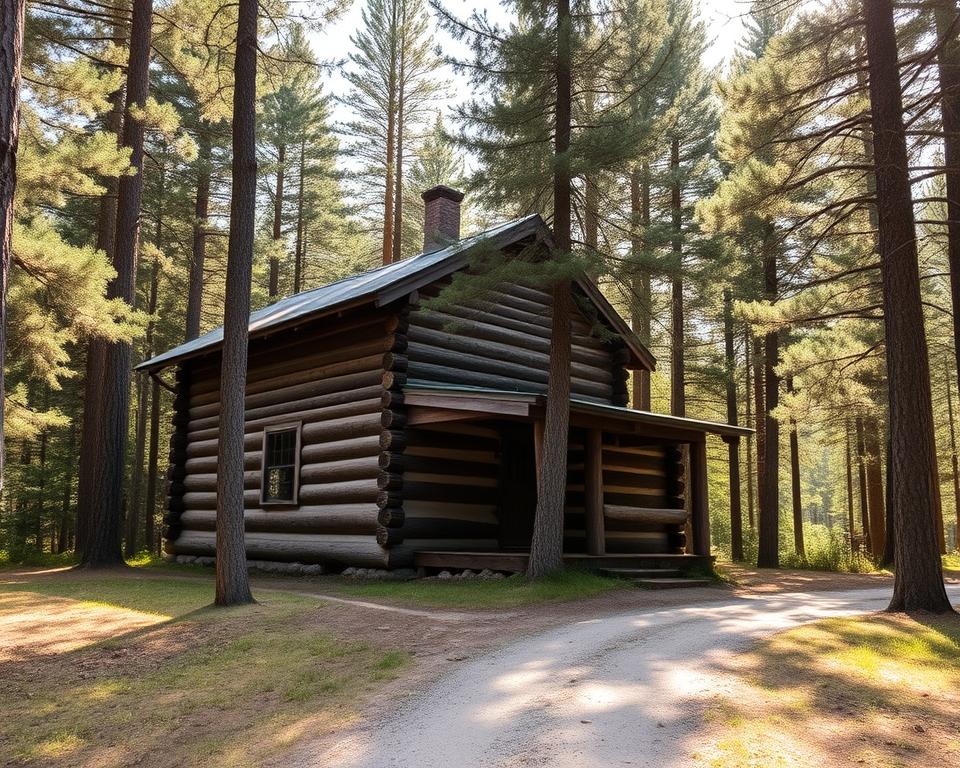
Understanding the average log cabin lifespan is crucial for homeowners and enthusiasts. Log home longevity depends on multiple factors, ranging from construction quality to maintenance practices.
Typically, a well-constructed and meticulously maintained log cabin can endure for 50 to 100 years. Some exceptional structures have even survived multiple generations, showcasing the remarkable durability of log homes.
“A log cabin is not just a structure, but a living testament to craftsmanship and care” – Traditional Woodworking Wisdom
The key elements influencing log cabin lifespan include:
- Quality of initial wood selection
- Construction techniques
- Regular maintenance
- Protection from environmental challenges
Historical evidence suggests that proper care can dramatically extend a log cabin’s life. Scandinavian and Alpine regions boast log structures standing for centuries, proving that with rigorous maintenance, these homes can become enduring legacies.
Homeowners should anticipate periodic treatments and inspections to maximise their log home longevity. Professional assessments every 3-5 years can help identify potential issues before they compromise the cabin’s structural integrity.
Factors Affecting Log Cabin Durability
Log cabin durability depends on multiple interconnected factors that dramatically influence the structure’s longevity. Understanding these critical elements helps homeowners protect their investment and extend their cabin’s lifespan.
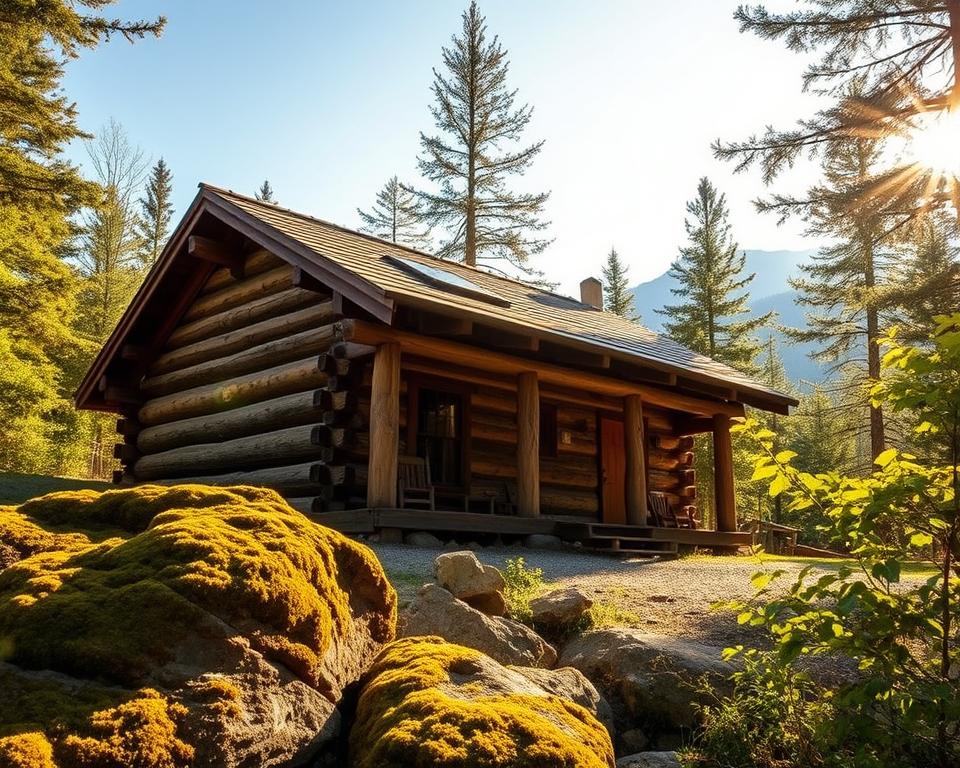
The performance of a log home is complex, involving intricate interactions between materials, construction techniques, and environmental conditions. Successful log cabin preservation requires comprehensive knowledge of these key durability factors.
Climate and Weather Impact
Weather effects on log homes can be substantial. Different climatic conditions create unique challenges for wooden structures:
- Extreme temperature variations cause wood expansion and contraction
- High humidity increases potential for moisture-related damage
- Frequent rainfall accelerates wood decay processes
- Intense sunlight leads to potential UV degradation
Wood Quality Selection
Selecting appropriate timber is crucial for log cabin durability. Not all wood types offer identical resistance to environmental stressors.
| Wood Type | Durability Rating | Resistance Characteristics |
|---|---|---|
| Cedar | High | Natural oils, rot-resistant |
| Pine | Medium | Affordable, requires treatment |
| Douglas Fir | High | Structural strength, weather-resistant |
Construction Standards
Rigorous construction standards significantly influence log cabin longevity. Proper techniques prevent structural weaknesses and minimise potential damage risks.
- Precise log fitting
- Effective moisture barriers
- Regular sealant applications
- Professional structural assessments
Proactive maintenance and informed design choices are essential for creating a resilient log cabin that withstands environmental challenges.
Essential Maintenance for Log Cabins
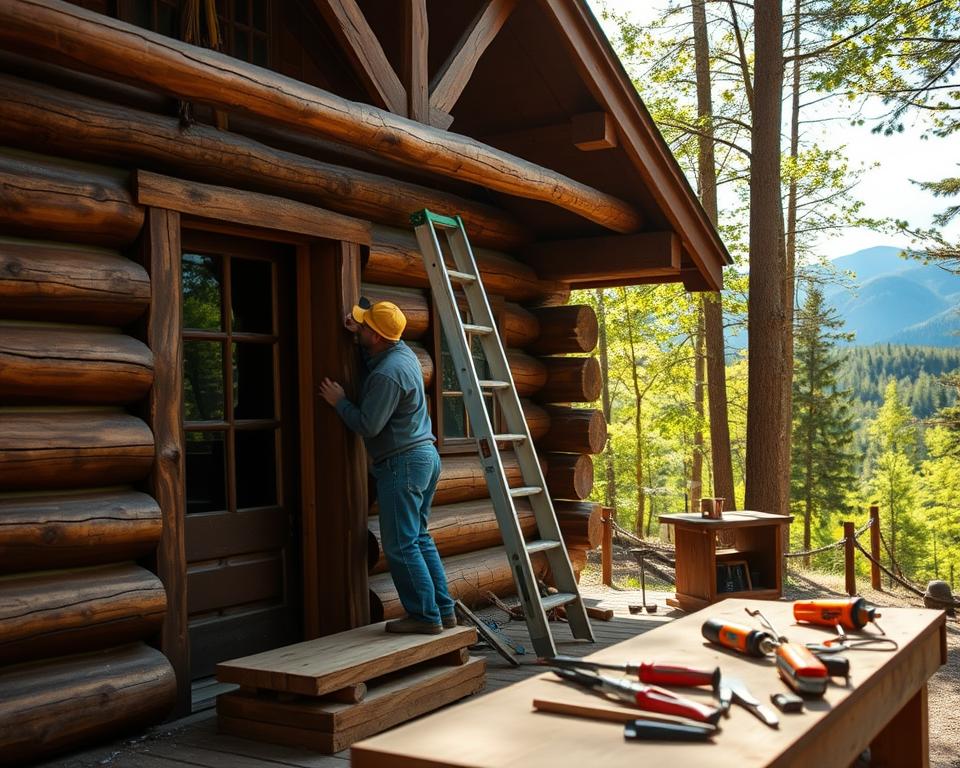
Preserving log homes requires dedicated and systematic care. Log cabin maintenance is not just about occasional repairs but a comprehensive approach to protecting your wooden sanctuary. Regular maintenance ensures your cabin remains structurally sound and visually appealing for decades.
Successful log cabin maintenance involves several critical strategies:
- Routine visual inspections
- Cleaning and protecting wood surfaces
- Managing moisture levels
- Preventing pest infestations
- Applying protective sealants
Homeowners should develop a structured maintenance schedule to address potential issues before they escalate. Proactive care is significantly more cost-effective than reactive repairs.
| Maintenance Activity | Frequency | Key Benefits |
|---|---|---|
| Wood surface cleaning | Annually | Removes dirt, prevents mould growth |
| Sealant inspection | Bi-annually | Prevents water penetration |
| Structural assessment | Annually | Identifies potential structural issues |
Implementing a comprehensive log cabin maintenance strategy protects your investment and ensures your wooden retreat remains a cherished space for years to come.
Protecting Your Log Cabin from Natural Elements
Log cabin protection requires a strategic approach to defend against nature’s most challenging elements. Preserving your wooden sanctuary demands careful attention to moisture, sunlight, and potential biological threats that could compromise its structural integrity.

Environmental challenges can significantly impact a log home’s longevity. Understanding how to shield your cabin from moisture, UV radiation, and insect invasions becomes crucial for maintaining its beauty and structural strength.
Moisture Control Methods
Moisture control for log homes represents a critical defence mechanism against potential decay. Effective strategies include:
- Installing proper drainage systems around the cabin’s foundation
- Applying water-resistant sealants to wooden surfaces
- Ensuring adequate ventilation in humid environments
- Regular inspection of roof and wall interfaces
Sun Damage Prevention
UV protection for logs requires proactive measures to prevent discolouration and structural weakening. Recommended approaches include:
- Using specialised UV-resistant wood stains
- Applying protective transparent coatings
- Creating natural shade with strategic landscaping
Insect Protection Strategies
Defending your log cabin against insect invasions demands a multi-layered approach:
| Protection Method | Effectiveness | Application Frequency |
|---|---|---|
| Borate-based treatments | High | Every 3-5 years |
| Perimeter chemical barriers | Medium | Annually |
| Physical wood treatments | High | During initial construction |
Implementing these comprehensive protection strategies will significantly enhance your log cabin’s resilience against natural environmental challenges.
Signs of Log Cabin Deterioration
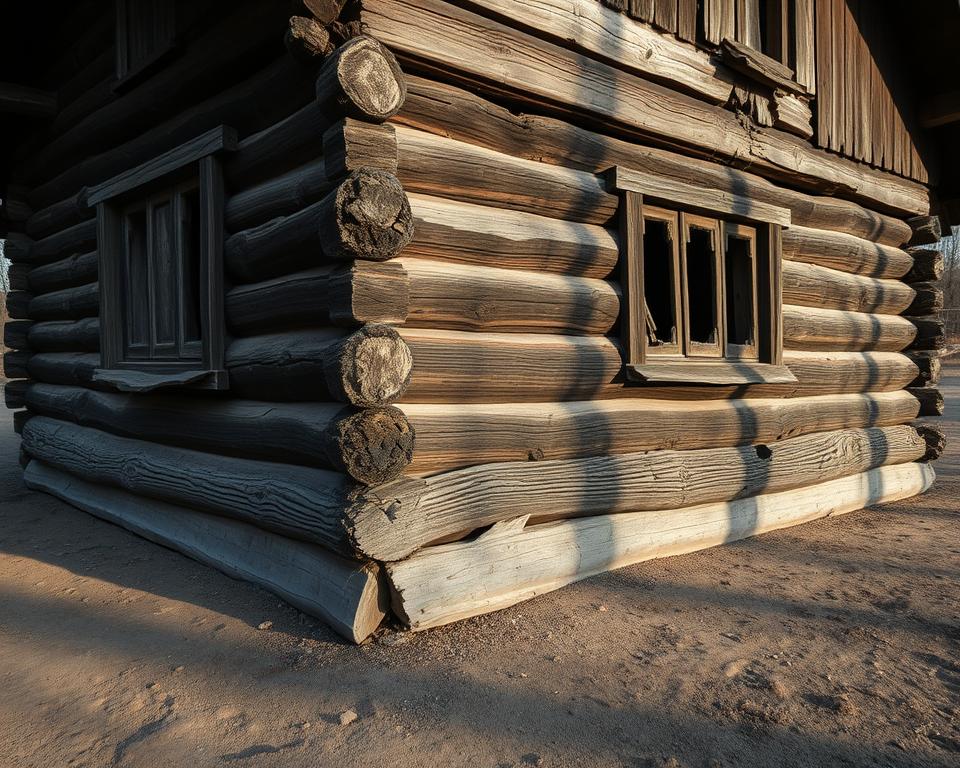
Identifying log home issues early can save homeowners significant repair costs and prevent extensive structural damage. Understanding the critical log cabin damage signs helps protect your investment and maintain the cabin’s integrity.
Visual inspections are crucial for detecting potential problems. Experienced cabin owners know that certain warning signs require immediate attention:
- Visible wood rot or soft spots in logs
- Extensive insect damage or wood tunnelling
- Unusual gaps between log joints
- Discolouration or water staining
- Mushroom growth on wooden surfaces
Structural integrity depends on recognising subtle changes. Moisture infiltration represents the most significant threat to log cabin longevity. Water damage can compromise wood strength, leading to potential structural failures.
| Damage Type | Potential Consequences | Recommended Action |
|---|---|---|
| Wood Rot | Structural weakness | Immediate log replacement |
| Insect Infestation | Compromised wood integrity | Professional pest treatment |
| Water Damage | Potential mould growth | Waterproofing and sealant application |
Regular professional inspections can help detect log cabin damage signs before they escalate. Homeowners should schedule annual assessments to ensure their cabin remains in optimal condition.
Professional Treatment and Preservation Techniques
Protecting your log cabin requires specialised knowledge and professional log home treatments. Log cabin preservation is a critical process that goes beyond simple maintenance, involving sophisticated techniques to safeguard your wooden structure against environmental challenges.
Professional interventions can dramatically extend the lifespan of your log cabin. Skilled experts understand the nuanced requirements of wooden structures and employ targeted strategies to prevent deterioration.
Sealant Applications
Selecting the right sealant is crucial for log cabin preservation. Professionals recommend:
- Breathable water-resistant sealants
- UV-protective coating options
- Penetrating wood preservatives
Wood Treatment Options
Comprehensive wood treatment involves multiple approaches:
- Chemical wood stabilisers
- Fungal and rot-resistant treatments
- Environmentally friendly preservation solutions
“Proper professional treatment can extend a log cabin’s life by decades,” says timber preservation expert Dr. Sarah Richardson.
Professional Inspection Guidelines
Regular professional inspections are essential for identifying potential issues before they become significant problems. Recommended inspection frequency includes:
- Annual comprehensive assessment
- Bi-annual detailed moisture checks
- Immediate evaluation after extreme weather events
Investing in professional log home treatments ensures your cabin remains structurally sound and visually appealing for generations to come.
Renovating and Restoring Aged Log Cabins
Restoring old log homes requires careful planning and strategic approach. Log cabin renovation isn’t simply about cosmetic improvements but preserving historical integrity while ensuring structural soundness.
When approaching log cabin restoration, homeowners must consider several critical aspects:
- Structural assessment of existing timber
- Identifying potential wood damage
- Selecting appropriate restoration techniques
- Balancing historical preservation with modern upgrades
Initial evaluation involves comprehensive timber inspection. Professional restoration experts recommend checking for:
- Wood rot indicators
- Insect infestation signs
- Moisture penetration points
- Structural misalignments
Successful log cabin renovation demands specialised knowledge. Restoration professionals use advanced techniques to reinforce and protect aged wooden structures.
| Restoration Technique | Purpose | Estimated Cost |
|---|---|---|
| Timber Replacement | Structural Reinforcement | £500-£2,000 |
| Specialist Sealants | Moisture Protection | £200-£800 |
| Log Cleaning | Surface Preservation | £300-£1,000 |
Investing in professional restoration not only extends your log cabin’s lifespan but also preserves its unique historical character.
Cost Considerations for Long-term Maintenance
Owning a log cabin involves more than just the initial purchase price. Understanding log cabin maintenance costs is crucial for responsible homeownership. Potential log home repair expenses can significantly impact your long-term financial planning.
Maintaining a log cabin requires strategic financial preparation. Homeowners should anticipate regular expenses that protect their investment and ensure the structure’s longevity.
Annual Maintenance Budget
Budgeting for log cabin maintenance typically ranges between 1-3% of the property’s total value. This investment helps prevent more expensive repairs down the line.
- Routine wood treatment: £500-£1,000 annually
- Sealant reapplication: £300-£750
- Basic structural inspections: £200-£500
Major Repair Expenses
Log home repair expenses can escalate quickly without proper preventative care. Potential significant repairs might include:
| Repair Type | Estimated Cost | Frequency |
|---|---|---|
| Structural wood replacement | £2,000-£5,000 | Every 10-15 years |
| Foundation reinforcement | £3,000-£7,000 | Every 20-25 years |
| Complete exterior restoration | £10,000-£25,000 | Every 30-40 years |
Insurance Considerations
Specialised log cabin insurance typically costs 10-20% more than standard home insurance. Insurers assess log cabin maintenance costs when determining premiums, so proactive care can help reduce long-term expenses.
Tip: Regular maintenance and professional inspections can significantly reduce unexpected log home repair expenses.
Modern Improvements to Extend Cabin Life
Log cabin upgrades have revolutionised how homeowners approach traditional wooden structures. Modern log home improvements now offer innovative solutions to enhance durability and performance while preserving the classic aesthetic of log cabins.
Technological advancements have introduced several key strategies for extending log cabin life:
- Advanced protective sealants
- Moisture-resistant wood treatments
- Precision engineering techniques
- Smart environmental monitoring systems
Cutting-edge log cabin upgrades now incorporate high-performance materials that significantly improve structural integrity. Nano-ceramic coatings provide exceptional protection against UV radiation and moisture penetration, creating a robust defence mechanism for wooden structures.
| Improvement Category | Key Benefits | Estimated Lifespan Extension |
|---|---|---|
| Nano-Ceramic Sealants | Enhanced water resistance | 10-15 years |
| Synthetic Wood Treatments | Insect and rot protection | 15-20 years |
| Climate-Adaptive Materials | Structural stability | 20-25 years |
Professional log home improvements now integrate smart technology, allowing real-time monitoring of structural conditions. These modern solutions transform traditional log cabins into resilient, technologically advanced living spaces.
Environmental Impact on Log Cabin Longevity
The environment plays a critical role in determining the lifespan of log cabins. Climate change and environmental conditions significantly influence the structural integrity and durability of wooden structures. Understanding these environmental effects on log cabins becomes crucial for homeowners seeking sustainable preservation.
Different environmental factors can dramatically impact log cabin maintenance:
- Humidity levels affecting wood moisture content
- Temperature fluctuations causing wood expansion and contraction
- UV radiation degrading wood surface
- Precipitation patterns increasing potential for wood rot
Eco-friendly log home maintenance strategies can mitigate these environmental challenges. Sustainable approaches focus on protecting wood while minimising ecological impact.
| Environmental Factor | Potential Impact | Eco-Friendly Solution |
|---|---|---|
| High Moisture | Wood decay | Natural breathable sealants |
| UV Exposure | Surface degradation | Organic wood preservatives |
| Temperature Variation | Structural stress | Flexible natural treatments |
Implementing proactive, environmentally conscious maintenance techniques ensures log cabins remain resilient against changing climatic conditions. Regular inspections, appropriate wood treatments, and understanding local environmental dynamics are key to extending a cabin’s longevity.
Conclusion
Understanding log cabin lifespan factors is crucial for homeowners seeking to protect their cherished wooden retreats. A well-maintained log cabin can endure generations, transforming from a simple shelter into a family heritage site. The key lies in proactive care and strategic maintenance approaches that shield the structure from environmental challenges.
Maintaining log home durability requires a comprehensive strategy integrating regular inspections, protective treatments, and immediate repairs. Homeowners who invest time and resources in professional wood preservation techniques can significantly extend their cabin’s structural integrity. Climate considerations, wood quality, and construction standards play pivotal roles in determining long-term resilience.
Wood structures demand dedicated attention to remain robust against moisture, sunlight, and insect damage. By implementing professional sealant applications, conducting annual assessments, and addressing potential weaknesses promptly, log cabin owners can create a sustainable living environment. Each maintenance action represents an investment in preserving not just a building, but a piece of architectural history.
Your log cabin’s future depends on informed, consistent care. Embrace the knowledge gained through careful research and expert guidance, and watch your wooden sanctuary flourish through decades of changing seasons. With commitment and strategic maintenance, your log cabin can remain a testament to craftsmanship and resilience.
FAQ
How long can a well-maintained log cabin typically last?
A properly constructed and maintained log cabin can last anywhere from 50 to 100 years, with some historic examples standing for several centuries. The key factors include quality of construction, wood type, climate conditions, and consistent maintenance.
What are the most important maintenance tasks for preserving a log cabin?
Critical maintenance tasks include annual inspections, regular wood sealant applications, controlling moisture, preventing insect infestations, checking for rot, and addressing any structural issues promptly. Regular cleaning and protective treatments are essential for extending the cabin’s lifespan.
Which wood types are best for long-lasting log cabins?
Cedar, Douglas fir, and redwood are among the most durable wood types for log cabins. These woods naturally resist decay, insects, and moisture, making them excellent choices for long-term durability and reduced maintenance requirements.
How does climate impact a log cabin’s lifespan?
Climate plays a significant role in log cabin durability. Extreme humidity, frequent temperature fluctuations, heavy rainfall, and intense sunlight can accelerate wood deterioration. Cabins in moderate climates with consistent weather patterns tend to have longer lifespans.
What are the early signs of log cabin deterioration?
Warning signs include soft or spongy wood, visible wood rot, insect damage, cracks or gaps in logs, discolouration, mould growth, and structural shifting. Early detection and intervention are crucial for preventing extensive damage.
How often should a log cabin be professionally inspected?
Experts recommend professional inspections every 3-5 years. However, annual self-inspections and immediate attention to any visible issues are equally important for maintaining the cabin’s structural integrity and preventing costly repairs.
What are the most effective methods for protecting a log cabin from moisture?
Key moisture protection strategies include proper roof overhangs, good ground drainage, regular sealant applications, ensuring adequate ventilation, using breathable wood treatments, and promptly addressing any water infiltration points.
How much does log cabin maintenance typically cost annually?
Annual maintenance costs can range from £500 to £2,500, depending on the cabin’s size, location, wood type, and existing condition. Budget for regular treatments, potential repairs, and professional inspections to prevent more expensive long-term damage.
Can older log cabins be successfully renovated?
Yes, many older log cabins can be successfully restored with professional intervention. Careful assessment, appropriate wood treatments, structural reinforcement, and preservation techniques can extend a cabin’s life by decades.
What modern technologies can help extend a log cabin’s lifespan?
Modern advanced wood treatments, improved sealants, humidity control systems, infrared moisture detection, and eco-friendly preservation techniques can significantly enhance a log cabin’s durability and resistance to environmental challenges.

