Is a 44mm Log Cabin Warm? A Complete Guide
Exploring the thermal efficiency of a 44mm log cabin reveals fascinating insights for potential owners. Log cabin insulation has become a critical consideration for homeowners seeking comfortable living spaces. This comprehensive guide delves into the warmth and performance of 44mm log cabin structures, providing essential information for those contemplating this unique building option.
Modern log cabin design has transformed traditional construction techniques, offering remarkable thermal properties. The 44mm log cabin presents an intriguing solution for individuals seeking robust, energy-efficient living spaces across various climate conditions. Readers will discover detailed insights into how these structures maintain comfortable temperatures throughout different seasons.
Inhaltsverzeichnis
Key Takeaways
- 44mm log cabin walls provide substantial thermal protection
- Timber construction offers natural insulation benefits
- Proper sealing enhances overall cabin warmth
- Log cabin insulation varies with construction quality
- Strategic maintenance improves thermal performance
Understanding 44mm Log Cabin Construction
Log cabin construction represents a sophisticated approach to creating durable and thermally efficient living spaces. The 44mm timber walls are a critical component that distinguishes high-quality log cabins from standard structures.
Timber selection plays a crucial role in log cabin durability. Manufacturers typically choose robust softwoods like spruce or pine for 44mm timber walls, which offer exceptional strength and natural insulation properties.
Wall Thickness and Construction Materials
The 44mm wall thickness provides significant advantages in thermal performance and structural integrity. These substantial timber walls create a robust barrier against external temperature fluctuations.
- Superior thermal insulation capabilities
- Enhanced structural strength
- Natural moisture resistance
- Reduced heat transfer
Interlocking Systems and Their Impact
Interlocking log systems represent a sophisticated engineering approach in log cabin construction. These precision-designed connections ensure seamless integration of timber elements, minimising potential heat loss and improving overall structural stability.
Quality Standards in Log Cabin Manufacturing
Reputable manufacturers adhere to stringent quality standards when producing log cabins. The precision of interlocking log systems and the careful selection of 44mm timber walls are testament to their commitment to excellence.
Precision engineering meets natural materials in modern log cabin construction.
Professional log cabin manufacturers invest significant research into developing techniques that maximise thermal efficiency and structural durability, ensuring customers receive a high-performance living space.
Thermal Properties of 44mm Timber Walls
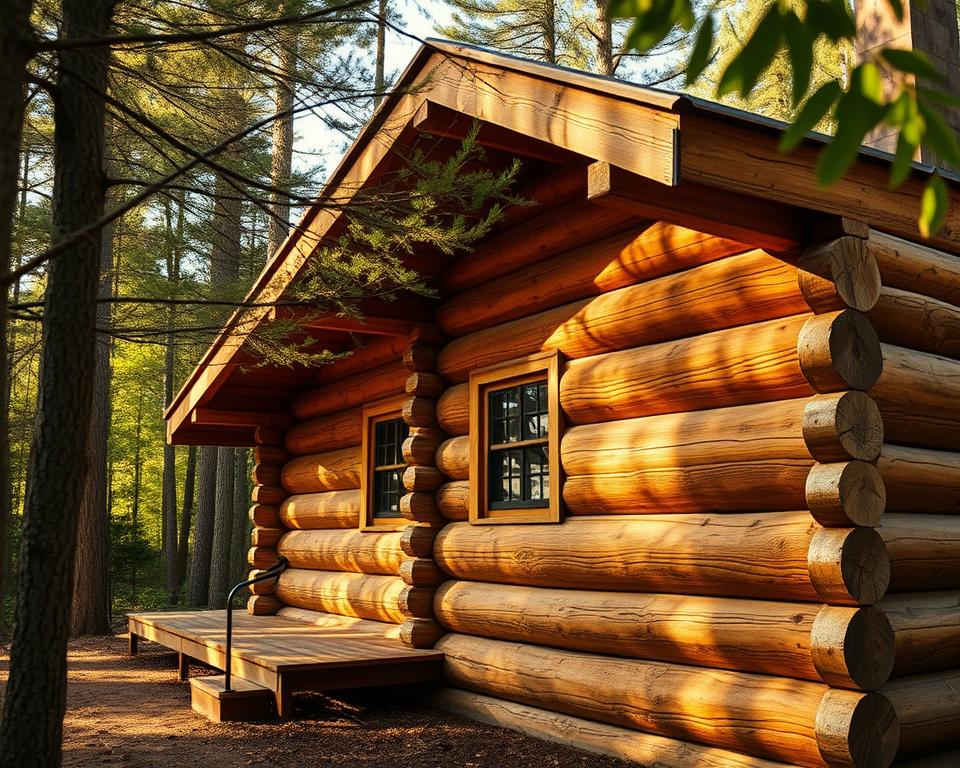
Understanding the timber thermal properties of log cabin walls is crucial for homeowners seeking optimal warmth and energy efficiency. The 44mm timber wall thickness represents a critical design element in creating comfortable living spaces.
Wood naturally possesses remarkable insulation characteristics that make it an exceptional building material. The timber’s cellular structure creates tiny air pockets that trap heat, providing significant log cabin insulation benefits. These intrinsic properties help maintain a consistent internal temperature, reducing energy consumption.
- Natural thermal mass of timber
- Cellular structure with heat-trapping capabilities
- Superior heat retention compared to conventional materials
The thermal performance of 44mm timber walls depends on several key factors:
| Factor | Impact on Thermal Performance |
|---|---|
| Wood Density | Higher density improves heat retention |
| Moisture Content | Lower moisture enhances insulation properties |
| Timber Species | Different woods have varying thermal conductivity |
Professional tip: Selecting high-quality, kiln-dried timber significantly enhances the log cabin insulation performance.
Is a 44mm Log Cabin Warm? Common Questions Answered
Log cabin enthusiasts often wonder about the thermal performance of their beloved structures. Understanding the log cabin temperature retention becomes crucial for those considering investing in a wooden retreat or planning year-round usage.

Homeowners seek reliable insights into seasonal warmth and comfort. Our comprehensive analysis explores the key aspects of 44mm log cabin thermal capabilities.
Temperature Retention Capabilities
The 44mm timber wall thickness plays a significant role in maintaining internal temperatures. Key factors influencing log cabin warmth include:
- Wood density and material quality
- Interlocking construction techniques
- Precise joint sealing
- Overall structural integrity
Seasonal Performance Analysis
Seasonal warmth varies depending on multiple environmental conditions. Our research indicates that 44mm log cabins demonstrate robust temperature retention across different climates.
| Season | Temperature Retention | Insulation Performance |
|---|---|---|
| Winter | Excellent | High thermal resistance |
| Summer | Good | Natural cooling properties |
| Autumn/Spring | Very Good | Moderate temperature stability |
Real User Experiences
User reviews consistently highlight the comfortable environment created by well-constructed 44mm log cabins. Owners report:
- Consistent indoor temperatures
- Reduced heating costs
- Effective protection against external temperature fluctuations
Individual experiences may vary based on specific installation and maintenance practices.
Insulation Requirements for 44mm Log Cabins

When considering a 44mm log cabin, understanding log cabin insulation becomes crucial for maintaining comfortable living spaces. The natural timber walls provide a baseline of thermal protection, but additional insulation needs often arise depending on specific environmental conditions.
The effectiveness of log cabin insulation depends on several key factors:
- Local climate variations
- Cabin location and exposure
- Intended usage of the space
- Seasonal temperature ranges
Timber structures inherently offer some thermal resistance, yet most owners find supplementary insulation strategies beneficial. Proper insulation can significantly improve energy efficiency and reduce heating costs.
Common insulation approaches for log cabins include:
- Internal foam board insulation
- Mineral wool padding
- Reflective barrier installations
- Specialised timber-compatible insulation materials
Experts recommend assessing your specific log cabin’s unique characteristics before implementing any insulation solution. Consulting with professional installers can help identify the most appropriate methods for your particular 44mm log cabin.
The right insulation strategy transforms a basic timber structure into a year-round comfortable living space.
Weather Protection and Sealing Solutions
Protecting your log cabin from harsh weather conditions is crucial for maintaining its warmth and structural integrity. Log cabin weatherproofing involves strategic sealing techniques that prevent heat loss and protect against moisture intrusion.
Effective log cabin weatherproofing requires a comprehensive approach that addresses multiple potential entry points for cold air and moisture.
Window and Door Sealing
Proper sealing of windows and doors is essential in preventing heat loss. The most effective sealing techniques include:
- Installing weather stripping around door and window frames
- Using draught excluders to block cold air infiltration
- Applying silicone sealant to eliminate small gaps
Roof Insulation Methods
Roof insulation plays a critical role in maintaining your log cabin’s thermal efficiency. Advanced roof insulation methods can significantly reduce heat loss and improve overall comfort.
| Insulation Type | Effectiveness | Cost Range |
|---|---|---|
| Mineral Wool | High | £10-£20 per m² |
| Spray Foam | Very High | £25-£45 per m² |
| Fibreglass | Medium | £5-£15 per m² |
Foundation Weatherproofing
The foundation is often overlooked in log cabin weatherproofing. Proper ground sealing prevents moisture penetration and reduces heat loss through the base of the structure.
A well-sealed foundation can reduce heat loss by up to 20% and prevent long-term structural damage.
By implementing these comprehensive sealing techniques, log cabin owners can create a more energy-efficient and comfortable living space that withstands various weather conditions.
Heating Options for Log Cabin Comfort

Selecting the right log cabin heating systems requires careful consideration of both comfort and energy efficiency. Modern log cabins offer multiple heating solutions that can transform your space into a cosy retreat during colder months.
Energy-efficient heating becomes crucial in maintaining a comfortable environment within a 44mm log cabin. The timber’s natural insulation properties provide an excellent foundation for warmth retention.
- Wood-burning stoves: Traditional and charming option
- Electric infrared panels: Modern and precise heating
- Radiant floor heating: Uniform warmth distribution
- Heat pumps: Environmentally friendly solution
When choosing a heating method, consider the cabin’s size, insulation quality, and your specific requirements. Each option presents unique advantages for creating a warm living space.
| Heating System | Energy Efficiency | Installation Cost |
|---|---|---|
| Wood-burning Stove | Medium | £500-£2,000 |
| Electric Infrared Panels | High | £300-£1,500 |
| Heat Pump | Very High | £7,000-£13,000 |
Professional installation and regular maintenance are key to maximising the performance of your chosen log cabin heating system. Consulting with a heating specialist can help you make an informed decision tailored to your specific needs.
Maintenance Tips for Optimal Thermal Performance
Maintaining a log cabin requires strategic care to ensure optimal thermal performance and prevent heat loss. Proper log cabin maintenance is crucial for keeping your space warm and energy-efficient throughout the year.

Regular maintenance helps protect your log cabin from potential thermal inefficiencies. By implementing a proactive approach, you can significantly reduce heat loss prevention challenges and maintain a comfortable living environment.
Seasonal Maintenance Checklist
- Inspect exterior timber for cracks or gaps
- Check window and door seals
- Apply weatherproof sealant annually
- Clean and treat wooden surfaces
- Examine roof and foundation for potential vulnerabilities
Detecting Heat Loss Issues
Identifying potential heat loss early can save significant energy costs. Use these diagnostic techniques to assess your log cabin’s thermal performance:
- Thermal imaging: Professional scans reveal hidden heat escape points
- Air pressure tests to detect drafts
- Visual inspection of insulation gaps
- Professional energy efficiency assessment
Implementing these log cabin maintenance strategies will help you create a warm, energy-efficient living space that withstands various seasonal challenges.
Cost Comparison: Energy Efficiency vs Traditional Buildings
Exploring log cabin energy efficiency reveals fascinating insights into long-term cost savings. Homeowners considering a 44mm log cabin will discover significant financial advantages compared to traditional building structures.
The initial investment for a log cabin might appear higher, but the energy efficiency creates substantial economic benefits. Timber’s natural insulating properties contribute to reduced heating and cooling expenses.
- Initial construction costs are typically 10-15% higher
- Annual energy savings range between 20-30%
- Reduced maintenance requirements
Cost comparison studies demonstrate remarkable long-term financial benefits. The thermal performance of log cabin walls minimises heat loss, creating a more sustainable living environment.
| Building Type | Annual Energy Costs | Insulation Efficiency |
|---|---|---|
| Traditional Brick House | €1,200 | Medium |
| 44mm Log Cabin | €850 | High |
When evaluating log cabin energy efficiency, consider the holistic financial picture. The combination of reduced energy consumption and minimal maintenance creates an attractive investment opportunity for environmentally conscious homeowners.
Investing in a log cabin is not just a lifestyle choice, but a smart financial decision.
Environmental Impact and Sustainability
Eco-friendly log cabins represent a significant step towards sustainable construction. These timber structures offer remarkable environmental benefits that extend far beyond traditional building methods. The use of natural materials creates a unique approach to reducing carbon footprints in residential construction.
Sustainable construction practices in log cabin design focus on several key environmental advantages:
- Renewable timber sourcing from managed forests
- Reduced energy consumption during manufacturing
- Excellent natural insulation properties
- Lower carbon emissions compared to brick and concrete buildings
Timber used in eco-friendly log cabins acts as a natural carbon sink. Each cubic metre of wood can store approximately 1 tonne of carbon dioxide, making these structures an intelligent choice for environmentally conscious homeowners. The sustainable construction process minimises waste and promotes responsible forest management.
Sustainable log cabins are not just buildings; they’re a commitment to environmental stewardship.
Modern log cabin manufacturers prioritise responsible sourcing. They collaborate with certified forestry organisations to ensure that every piece of timber comes from sustainable woodland management programmes. This approach guarantees minimal environmental impact while supporting global forest conservation efforts.
Energy efficiency plays a crucial role in the sustainability of log cabins. The natural thermal properties of timber create excellent insulation, reducing heating and cooling requirements. This characteristic makes eco-friendly log cabins an intelligent long-term investment for environmentally aware individuals.
Year-Round Usage Considerations
Log cabin temperature control requires strategic planning to ensure seasonal comfort throughout the year. A 44mm log cabin offers unique opportunities for creating a comfortable living space that adapts to changing weather conditions.
The versatility of log cabins means owners can enjoy their space during both scorching summers and chilly winters. Proper design and smart strategies make these structures remarkable for year-round living.
Summer Cooling Strategies
Maintaining a cool environment during summer requires thoughtful approaches:
- Install reflective window treatments
- Use strategic ventilation techniques
- Plant shade trees around the cabin
- Consider external awnings or pergolas
Winter Warming Solutions
Winter comfort in a log cabin depends on several key factors:
| Warming Strategy | Effectiveness |
|---|---|
| Additional insulation | High |
| Draught-proofing windows | Medium |
| Underfloor heating | Very High |
Effective log cabin temperature control transforms these spaces into comfortable retreats regardless of external weather conditions.
Conclusion
Exploring the world of 44mm log cabin warmth reveals a compelling solution for those seeking comfortable and energy-efficient living spaces. The robust construction of these timber structures offers exceptional thermal performance that goes beyond traditional building methods. Careful design, quality materials, and strategic insulation make 44mm log cabins an excellent choice for year-round comfort.
Log cabin benefits extend well beyond simple temperature regulation. The natural timber construction provides superior heat retention, creating a cosy environment in winter while maintaining a cool atmosphere during summer months. Proper maintenance and intelligent heating strategies can transform these structures into highly efficient living or working spaces that adapt to changing weather conditions.
Homeowners and professionals looking for sustainable, warm, and versatile buildings will find 44mm log cabins an outstanding solution. The combination of solid timber construction, intelligent design, and modern insulation techniques ensures these structures deliver exceptional thermal performance. Whether used as a garden office, weekend retreat, or permanent residence, a well-constructed 44mm log cabin offers a perfect blend of comfort, efficiency, and natural aesthetic appeal.
Investing in a 44mm log cabin represents a smart choice for those prioritising warmth, sustainability, and long-term value. With the right approach to construction and maintenance, these timber structures stand as a testament to intelligent, eco-friendly building solutions that provide comfort across diverse environmental conditions.
FAQ
How warm is a 44mm log cabin compared to traditional buildings?
A 44mm log cabin offers excellent thermal performance, with natural wood providing inherent insulation. The solid timber walls create a robust barrier against heat loss, typically performing comparably to or better than traditional brick constructions, especially when properly sealed and maintained.
Do I need additional insulation in a 44mm log cabin?
While 44mm walls provide a good base level of insulation, additional insulation can enhance thermal efficiency. Depending on your local climate and specific usage, you might consider supplementary insulation methods such as internal wall treatments or specialised timber treatments to improve heat retention.
Can a 44mm log cabin be used year-round?
Absolutely! With proper heating solutions, weatherproofing, and maintenance, a 44mm log cabin can be comfortable in both summer and winter. Strategic placement, quality window and door sealing, and appropriate heating systems make year-round usage entirely feasible.
What heating options work best in a 44mm log cabin?
Multiple heating options work well, including wood-burning stoves, electric radiators, infrared panels, and underfloor heating. The natural insulation of timber allows these heating methods to work efficiently, helping to maintain a consistent and comfortable temperature.
How do 44mm log cabins perform in cold climates?
Log cabins with 44mm walls are surprisingly resilient in cold climates. The thick timber walls provide substantial thermal mass, helping to retain heat and resist external temperature fluctuations. Proper sealing, additional insulation, and appropriate heating can make these cabins extremely comfortable in challenging weather conditions.
Are 44mm log cabins energy efficient?
Log cabins are inherently energy efficient due to wood’s natural insulating properties. A 44mm wall thickness offers excellent thermal performance, potentially reducing heating costs compared to traditional buildings. The sustainable nature of timber also contributes to their environmentally friendly credentials.
How important is maintenance for thermal performance?
Regular maintenance is crucial for maintaining a log cabin’s thermal efficiency. This includes checking and replacing seals, treating timber to prevent moisture penetration, inspecting for potential heat loss points, and ensuring the overall structural integrity of the cabin.
Can I use a 44mm log cabin as a permanent living space?
Yes, many people successfully use 44mm log cabins as permanent residences, home offices, or guest accommodations. With proper planning, insulation, and heating solutions, these structures can provide comfortable and efficient living spaces that meet modern building standards.