
How Deep Do Footings Need to Be for a Carport?
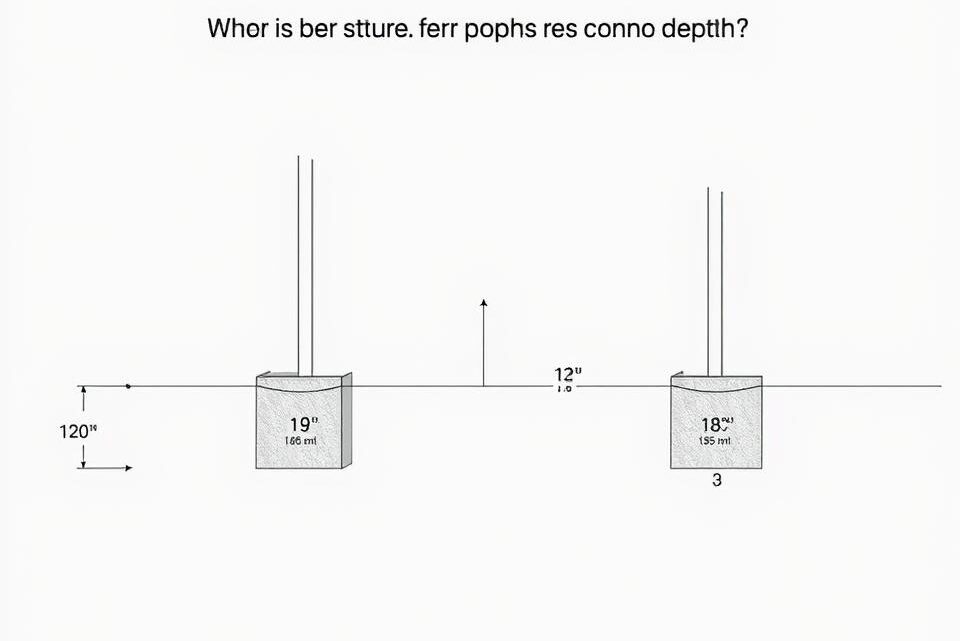
Building a robust carport requires careful consideration of foundation depth. UK homeowners must understand the critical role that carport footings play in creating a stable and long-lasting structure. Proper foundation depth ensures structural integrity, prevents potential structural issues, and complies with UK building standards.
Carport footings are not a one-size-fits-all solution. The depth depends on various factors, including soil composition, local climate conditions, and the specific load requirements of your planned structure. Professional builders and engineers use precise calculations to determine the optimal foundation depth for each unique project.
This guide will explore the essential aspects of carport footings, helping you make informed decisions about your construction project. Understanding foundation depth is crucial for ensuring the safety and durability of your carport investment.
Inhaltsverzeichnis
Key Takeaways
- Carport footings are crucial for structural stability
- Foundation depth varies based on multiple environmental factors
- Compliance with UK building standards is essential
- Professional assessment helps determine precise footing requirements
- Proper foundation prevents long-term structural problems
Understanding Carport Footings: Essential Basics
Carport foundations are crucial structural elements that provide stability and support for your outdoor vehicle shelter. Understanding the fundamentals of carport footings helps ensure a robust and long-lasting structure that can withstand various environmental challenges.
Carport foundation types play a significant role in determining the overall strength and durability of the structure. These critical elements transfer the building’s load directly into the ground, creating a stable base for your carport.
What Are Carport Footings?
Carport footings are specialised concrete or reinforced base structures designed to support the entire carport framework. They serve as the critical connection between the building and the ground, distributing weight evenly and preventing structural movement.
The Role of Footings in Structural Support
- Provide stability against ground movement
- Distribute load evenly across the foundation
- Prevent structural shifting
- Protect against moisture and ground-related damage
Common Types of Carport Foundations
| Foundation Type | Key Characteristics | Best Suited For |
|---|---|---|
| Concrete Pad Foundations | Simple, cost-effective design | Light to medium-weight carports |
| Strip Foundations | Continuous concrete base | Larger, heavier carport structures |
| Pier Foundations | Deep vertical supports | Uneven or challenging terrain |
Selecting the appropriate carport foundation depends on multiple factors including soil conditions, local climate, and the specific structural requirements of your planned carport.
Minimum Depth Requirements for Carport Footings in the UK

Understanding UK footing depth requirements is crucial for constructing a stable and compliant carport. British building regulations provide specific guidelines to ensure structural integrity and safety.
The minimum foundation depth in the UK typically ranges between 750mm to 1000mm, depending on several critical factors. These UK footing depth requirements are not one-size-fits-all but depend on specific site conditions.
- Clay soils require deeper foundations
- Sandy or well-drained ground might allow shallower depths
- Local climate and ground conditions significantly impact foundation design
Professionals recommend consulting local building control officers to determine precise minimum foundation depth for your specific location. British building regulations mandate thorough site assessments to guarantee appropriate footing specifications.
Proper foundation depth is essential for long-term structural stability and safety.
Factors influencing footing depth include:
- Soil composition
- Water table levels
- Ground frost penetration
- Anticipated structural load
Always prioritise professional guidance when planning carport foundations to meet stringent UK construction standards.
Factors Affecting Footing Depth Calculations
Understanding the critical elements that influence carport footing depth is essential for creating a stable and durable structure. The success of your carport depends on carefully evaluating multiple key factors that impact foundation design.
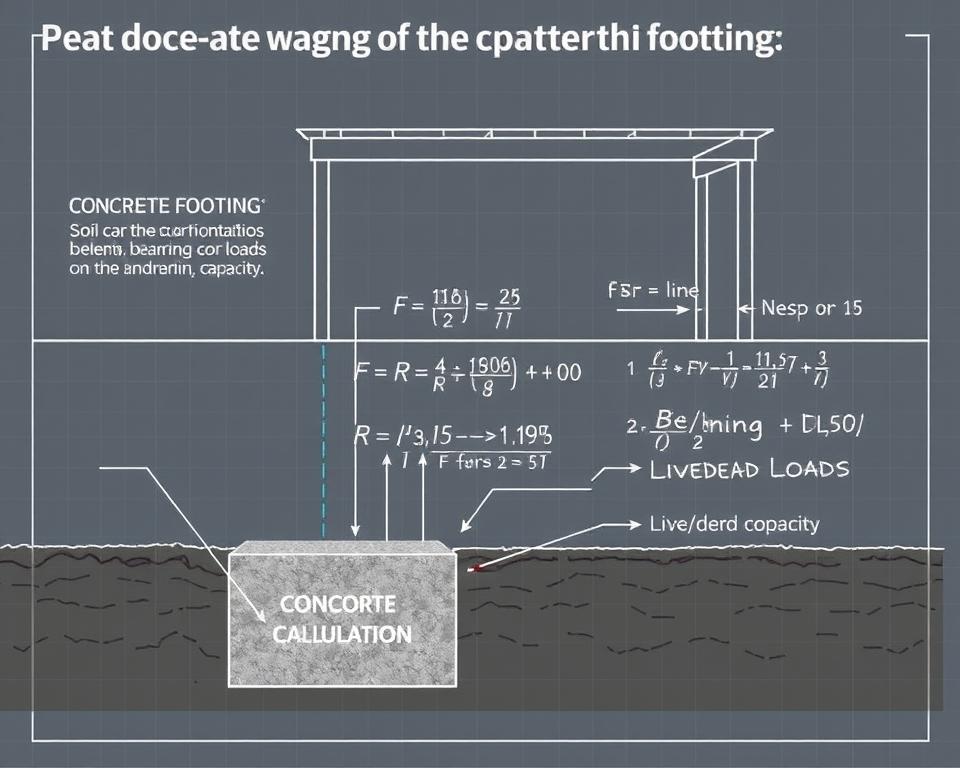
When planning carport foundations, engineers and builders must consider several crucial aspects that determine the appropriate footing depth:
Soil Composition Analysis
The soil composition plays a pivotal role in determining footing requirements. Different soil types have varying load-bearing capacities and stability characteristics:
- Clay soils: Prone to expansion and contraction
- Sandy soils: Offer better drainage but may require deeper foundations
- Loamy soils: Provide moderate stability and support
UK Climate Impact on Foundations
The United Kingdom’s unique climate presents specific challenges for carport load calculations. Seasonal variations and moisture levels significantly influence foundation design:
| Climate Factor | Foundation Consideration |
|---|---|
| High rainfall | Increased drainage requirements |
| Frost conditions | Deeper frost line penetration |
| Ground movement | Enhanced foundation stability needed |
Structural Load Requirements
Carport load calculations demand precise measurements of:
- Total structure weight
- Potential snow or wind loading
- Additional equipment or storage considerations
Professional engineers recommend a comprehensive site assessment to determine the most appropriate footing depth for your specific location and structural needs.
Each site presents unique challenges, making professional consultation crucial for achieving optimal carport foundation design.
How Deep Do Footings Need to Be for a Carport?
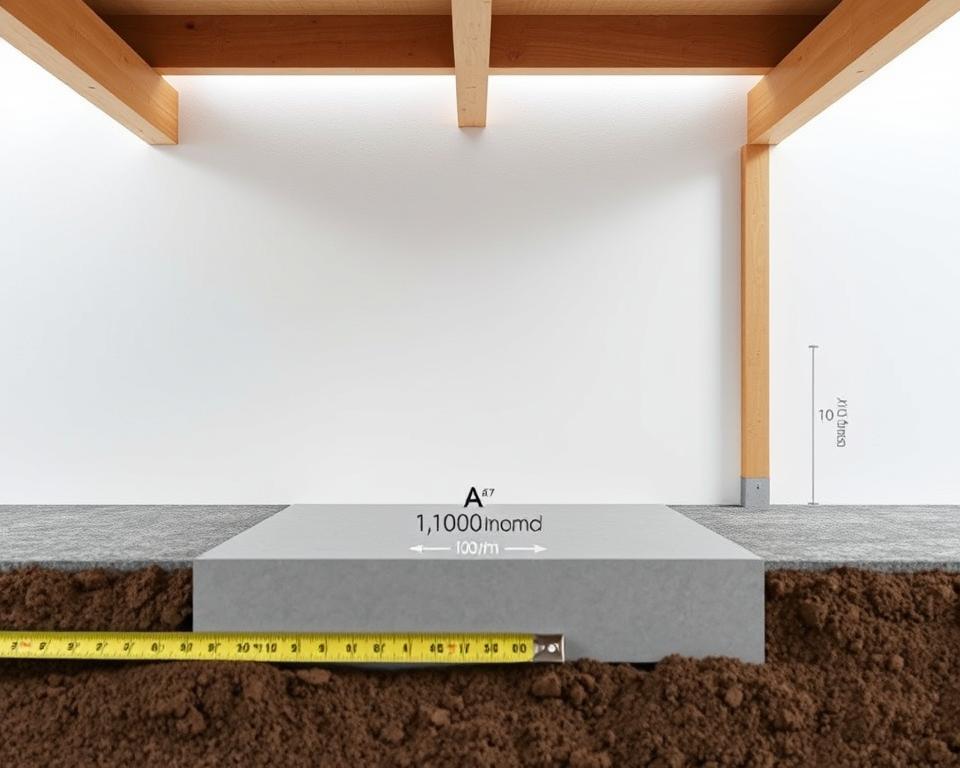
Determining the correct carport footing depth is crucial for ensuring structural stability and longevity. UK foundation guidelines recommend specific depth calculations that vary depending on multiple environmental factors.
The depth of carport footings typically ranges between 450mm and 1000mm, depending on several key considerations:
- Soil composition and load-bearing capacity
- Local ground conditions
- Anticipated structural load
- Regional climate variations
Depth calculation methods require careful assessment of ground conditions. Professional structural engineers recommend conducting comprehensive soil tests to determine the most appropriate footing depth for your specific site.
| Soil Type | Recommended Minimum Depth | Load-Bearing Capacity |
|---|---|---|
| Clay Soil | 750mm | Low to Medium |
| Sandy Soil | 600mm | Medium |
| Rocky Ground | 450mm | High |
Always consult local building regulations and a qualified structural engineer to ensure your carport footings meet UK safety standards and provide optimal support for your specific project.
Building Regulations and Planning Permission for Carport Foundations
Navigating the legal landscape of carport construction requires careful attention to UK building regulations and local authority guidelines. Understanding the regulatory framework is crucial for homeowners planning to add a carport to their property.

When considering a carport project, homeowners must be aware of several key regulatory considerations:
- Planning permission may be required depending on the size and location of the carport
- UK building regulations provide specific guidelines for foundation construction
- Local authority requirements can vary between different regions
UK Building Standards
The UK has strict building standards that govern carport foundations. These regulations ensure structural integrity and safety. Key aspects include:
- Minimum depth requirements for footings
- Structural load-bearing specifications
- Compliance with local zoning restrictions
Local Authority Requirements
Each local authority may have unique guidelines for carport construction. Homeowners should always consult their local planning department before beginning any construction project. This step helps prevent potential legal issues and ensures full compliance with local building regulations.
Pro tip: Engage with local authorities early in your planning process to understand specific requirements for your area.
Typical considerations include:
- Proximity to property boundaries
- Height restrictions
- Materials permitted in your local conservation area
Failing to adhere to UK building regulations and local authority guidelines can result in significant penalties, including potential demolition orders or fines.
Soil Testing and Site Preparation
Understanding the ground beneath your carport is crucial for creating a stable and long-lasting structure. Soil testing methods play a vital role in determining the appropriate foundation design and depth for your carport project.
Ground assessment involves several key steps to ensure proper site preparation techniques:
- Conducting comprehensive soil analysis
- Evaluating ground stability
- Identifying potential drainage issues
- Assessing soil composition and load-bearing capacity
Professional geotechnical engineers typically employ multiple soil testing methods to gather critical information. These methods include:
| Testing Method | Purpose | Key Insights Provided |
|---|---|---|
| Penetration Testing | Determine soil density | Ground compaction levels |
| Percolation Test | Assess drainage capabilities | Water absorption and soil drainage |
| Chemical Composition Analysis | Evaluate soil chemistry | Potential corrosion risks |
Site preparation techniques are critical for creating a solid foundation. Proper ground assessment helps prevent future structural issues by identifying potential challenges before construction begins.
Investing time in thorough soil testing can save significant expenses and potential structural problems in the long run.
Homeowners should consider professional soil testing to ensure their carport foundation meets local building regulations and provides maximum structural integrity.
Different Footing Styles and Their Required Depths
Selecting the right foundation for a carport is crucial in ensuring structural stability and longevity. UK foundation types vary depending on specific site conditions, soil characteristics, and building requirements. Understanding the nuanced differences between pad foundations, strip foundations, and raft foundations can help homeowners make informed decisions.
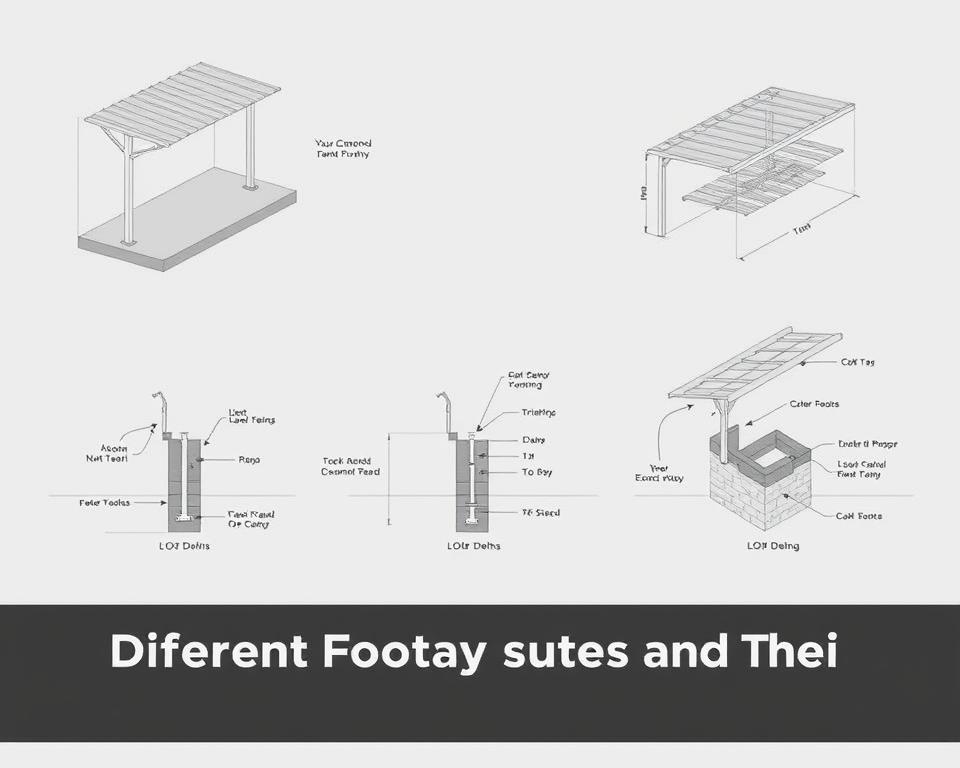
Each foundation style offers unique advantages for different construction scenarios. Architects and builders carefully evaluate soil conditions, load-bearing requirements, and local building regulations when recommending the most suitable foundation approach.
Pad Foundations
Pad foundations represent a compact solution for lightweight structures like carports. These discrete concrete blocks provide targeted support at specific points where vertical loads are concentrated. Typical characteristics include:
- Ideal for smaller carport designs
- Minimal excavation requirements
- Cost-effective installation
- Suitable for stable ground conditions
Strip Foundations
Strip foundations create continuous concrete bases that distribute loads more evenly across the ground. They’re particularly useful for carports with extended structural requirements.
- Provides uniform weight distribution
- Recommended for larger carport structures
- Enhanced stability in variable soil conditions
Raft Foundations
Raft foundations offer comprehensive ground coverage, creating a solid concrete platform beneath the entire carport structure. They’re especially beneficial in areas with challenging soil compositions.
| Foundation Type | Typical Depth | Best Suited For |
|---|---|---|
| Pad Foundations | 600-750mm | Small, lightweight carports |
| Strip Foundations | 750-1000mm | Medium-sized structures |
| Raft Foundations | 1000-1500mm | Large carports, unstable ground |
Professional consultation remains essential to determine the most appropriate foundation style for specific project requirements.
Professional Installation vs DIY: Making the Right Choice
Deciding between professional carport installation and DIY foundation work requires careful consideration. UK building expertise plays a crucial role in ensuring your carport’s structural integrity and long-term performance.
Professional installation offers several key advantages:
- Precise foundation depth calculations
- Expert understanding of local soil conditions
- Compliance with UK building regulations
- Professional-grade equipment and techniques
DIY foundation work might seem cost-effective, but it carries significant risks. Without specialised knowledge, homeowners may encounter challenges such as:
- Incorrect footing depth measurements
- Potential structural weaknesses
- Risk of non-compliance with local building standards
- Higher long-term repair costs
Professional carport installation ensures your project meets all technical requirements. Experienced contractors understand the nuanced aspects of foundation work, including soil type assessment, load-bearing calculations, and drainage considerations.
Investing in professional expertise can save you considerable time, money, and potential structural issues in the future.
While DIY enthusiasts might feel confident, complex foundation work demands specialist skills. UK building expertise is not just about construction—it’s about creating safe, durable structures that withstand local environmental conditions.
Common Mistakes to Avoid When Installing Carport Footings
Installing carport footings requires precision and careful planning. UK construction pitfalls can quickly derail your project if you’re not attentive to critical details. Foundation installation errors often stem from overlooking essential steps in the construction process.
Carport building mistakes frequently occur due to inadequate preparation and understanding of local conditions. Homeowners might rush through the foundation installation, leading to structural vulnerabilities that can compromise the entire project.
- Insufficient soil compaction before pouring concrete
- Ignoring local ground conditions and soil type
- Failing to check drainage and water table levels
- Skipping professional soil testing
- Neglecting building regulation requirements
The most critical errors in foundation installation include:
| Error Type | Potential Consequences |
|---|---|
| Incorrect footing depth | Structural instability, potential collapse |
| Poor drainage considerations | Water damage, foundation erosion |
| Inadequate reinforcement | Cracking, uneven settling |
“Precision in foundation work is not an expense, but an investment in your carport’s longevity.” – UK Construction Experts
Professional guidance can help you navigate these potential pitfalls and ensure a robust, long-lasting carport foundation.
Maintenance and Long-term Considerations
Maintaining your carport foundation is crucial for ensuring its longevity and structural integrity. Regular carport foundation maintenance helps prevent costly repairs and protects your valuable vehicle investment.
The UK weather impact can significantly affect your carport’s foundation, making structural integrity checks essential. Periodic inspections can help identify potential issues before they become serious problems.
Recognising Foundation Warning Signs
Watch for these critical indicators of potential foundation problems:
- Visible cracks in concrete
- Uneven or sloping surface
- Water pooling around foundation areas
- Rust or corrosion on metal supports
Preventive Maintenance Strategies
Implementing proactive maintenance can significantly extend your carport’s lifespan:
- Conduct annual structural integrity checks
- Ensure proper drainage around foundation
- Remove vegetation near foundation
- Seal any emerging cracks promptly
Professional assessments every two to three years can help identify subtle foundation issues that might escape untrained eyes.
Conclusion
Understanding carport footing depth is crucial for creating a stable and durable structure in the United Kingdom. The UK construction best practices demand meticulous attention to foundation requirements, ensuring your carport remains secure and long-lasting. Proper foundation work protects your investment and prevents potential structural issues down the line.
The carport footing depth summary highlights the critical factors that influence foundation design. From soil composition to local climate conditions, each element plays a significant role in determining the optimal footing depth. Professional assessment becomes invaluable in navigating these complex considerations, helping homeowners make informed decisions about their carport construction.
Foundation importance cannot be overstated when it comes to carport installations. By prioritising professional guidance, adhering to local building regulations, and understanding the unique requirements of your specific site, you can create a robust and reliable carport structure. Remember that investing time and resources in proper foundation work pays dividends in structural integrity and long-term performance.
Ultimately, successful carport construction requires a combination of careful planning, expert knowledge, and attention to detail. Whether you’re working with a professional contractor or considering a DIY approach, always prioritise the foundational elements that will support your carport for years to come.
FAQ
How deep do carport footings typically need to be in the UK?
In the UK, carport footing depths typically range from 600mm to 1000mm, depending on soil conditions, local climate, and the specific structural requirements of your carport. The exact depth is determined by factors such as soil type, building load, and local building regulations.
Do I need planning permission for a carport foundation?
In many cases, carports fall under permitted development rights, but this can vary depending on your specific location and the size of the structure. It’s always recommended to check with your local planning authority before beginning any construction to ensure compliance with local building regulations.
What are the most common types of carport foundations?
The most common foundation types for carports in the UK include pad foundations, strip foundations, and raft foundations. Each type is suitable for different soil conditions and structural requirements, with the choice depending on factors like ground stability, load-bearing capacity, and local climate.
How do soil types affect carport footing depth?
Soil composition plays a crucial role in determining footing depth. Clay soils, which are common in many parts of the UK, require deeper foundations due to their tendency to expand and contract with moisture changes. Sandy or well-draining soils might allow for shallower footings, but professional assessment is always recommended.
Can I install carport footings myself, or should I hire a professional?
While experienced DIY enthusiasts might consider installing footings themselves, it’s strongly recommended to hire a professional. Incorrect installation can lead to structural issues, safety risks, and potential non-compliance with building regulations. Professionals can accurately assess soil conditions, calculate proper depths, and ensure proper installation.
What signs indicate potential foundation problems for a carport?
Warning signs include visible cracking, uneven settling, moisture accumulation around the foundation, or structural shifting. If you notice any of these issues, it’s crucial to consult a professional who can assess the foundation’s integrity and recommend necessary repairs or reinforcements.
How do climate conditions impact carport footing requirements?
The UK’s variable climate, including frequent rainfall and occasional frost, significantly impacts footing design. Deeper foundations help prevent frost heave, while proper drainage considerations protect against water-related ground movement and potential structural damage.
What building regulations should I be aware of when installing carport footings?
UK building regulations require footings to provide adequate structural support, meet minimum depth requirements, and comply with local building standards. These regulations ensure safety, stability, and long-term durability of the carport structure.

