Heating a Garden Shed – Methods | Ultimate UK Guide
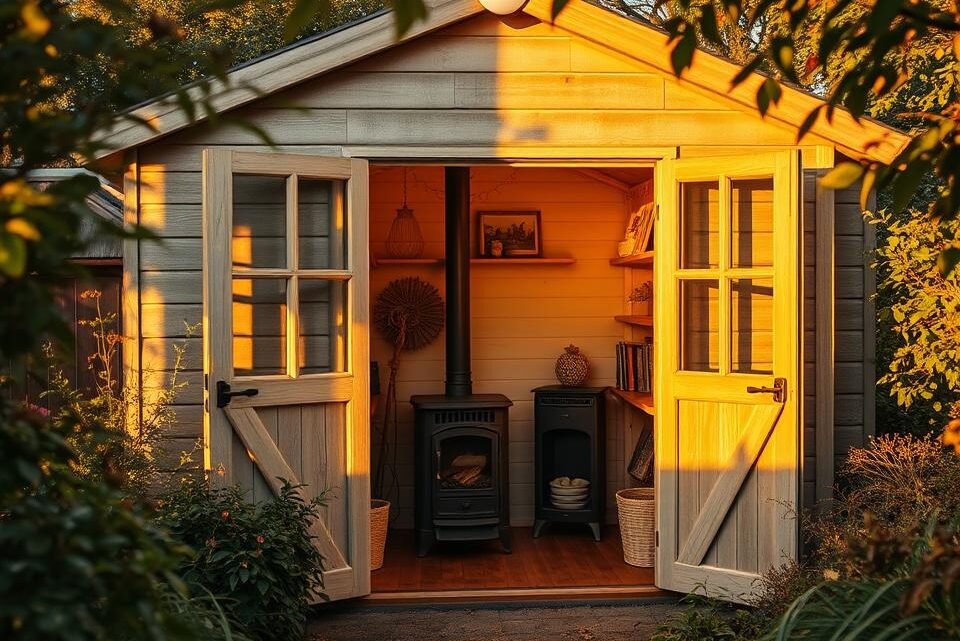
Garden sheds are quintessential outdoor spaces for UK homeowners, serving as storage, workshop, and relaxation areas. As British weather can be unpredictable and chilly, understanding garden shed heating methods becomes crucial for protecting valuable equipment and creating a comfortable workspace.
This comprehensive UK shed heating guide explores innovative solutions to keep your garden shed warm throughout the year. From electric heaters to solar-powered options, we’ll dive into practical and efficient shed heating techniques that suit various budgets and requirements.
Whether you’re a gardening enthusiast, DIY lover, or workshop owner, maintaining the right temperature in your garden shed can extend its usability and protect your tools from moisture and cold-related damage.
Inhaltsverzeichnis
Key Takeaways
- Understand essential garden shed heating strategies
- Explore multiple heating method options
- Protect tools and equipment from cold damage
- Increase shed usability year-round
- Consider energy-efficient heating solutions
Why Heating Your Garden Shed is Essential
Garden sheds are more than just storage spaces – they’re valuable extensions of your home workspace and hobby area. Protecting your valuable equipment and creating a comfortable environment requires strategic heating solutions.
Understanding the importance of shed heating helps homeowners make informed decisions about maintaining their outdoor storage spaces effectively.
Protection for Tools and Equipment
Shed tool protection is critical for preserving your expensive gardening and workshop equipment. Cold, damp conditions can cause significant damage to metal tools, leading to:
- Rust formation on precision tools
- Wooden handle degradation
- Electronic equipment malfunction
Year-round Usability Benefits
Year-round shed use becomes a reality with proper heating. By maintaining a consistent temperature, you transform your shed from a seasonal storage area into a functional workspace during colder months.
| Seasonal Usage | Unheated Shed | Heated Shed |
|---|---|---|
| Winter Usability | Limited | Fully Functional |
| Tool Preservation | High Risk | Low Risk |
| Workspace Comfort | Uncomfortable | Comfortable |
Preventing Damp and Mould
Preventing shed damp is crucial for maintaining a healthy storage environment. Consistent heating helps reduce moisture build-up, which can cause:
- Structural wood decay
- Mould growth
- Unpleasant musty odours
Investing in proper shed heating is a proactive approach to protecting your valuable tools and creating a versatile outdoor space throughout the year.
Understanding Garden Shed Insulation Basics
Effective garden shed insulation is crucial for protecting your valuable tools and creating a comfortable workspace throughout the year. Shed insulation techniques play a vital role in maintaining a stable internal environment, especially in the unpredictable British climate.
When considering garden shed weatherproofing, homeowners have several key options to explore. The primary goal is to create a barrier against moisture, cold, and heat loss. Choosing the right insulation materials can significantly improve your shed’s thermal performance and longevity.
- Fibreglass insulation: Affordable and widely available
- Foam board: Excellent for rigid surface coverage
- Reflective foil: Helps deflect radiant heat
- Spray foam: Provides comprehensive coverage
The selection of insulation materials depends on several factors, including:
- Shed size and construction
- Budget constraints
- Local weather conditions
- Intended use of the shed
Pro tip: Always ensure proper ventilation when installing insulation to prevent moisture buildup and potential mould growth.
Investing in quality insulation is like giving your garden shed a warm, protective coat against the elements.
Professional installers recommend a layered approach to garden shed weatherproofing. This typically involves creating an air gap, installing a moisture barrier, and then adding primary insulation materials. By following these shed insulation techniques, you can transform a basic storage space into a year-round functional area.
Heating a Garden Shed – Methods
Selecting the right heating method for your garden shed can transform a cold, unused space into a comfortable and functional area throughout the year. Different heating solutions offer unique advantages for shed owners, helping to protect valuable tools and create a versatile workspace.
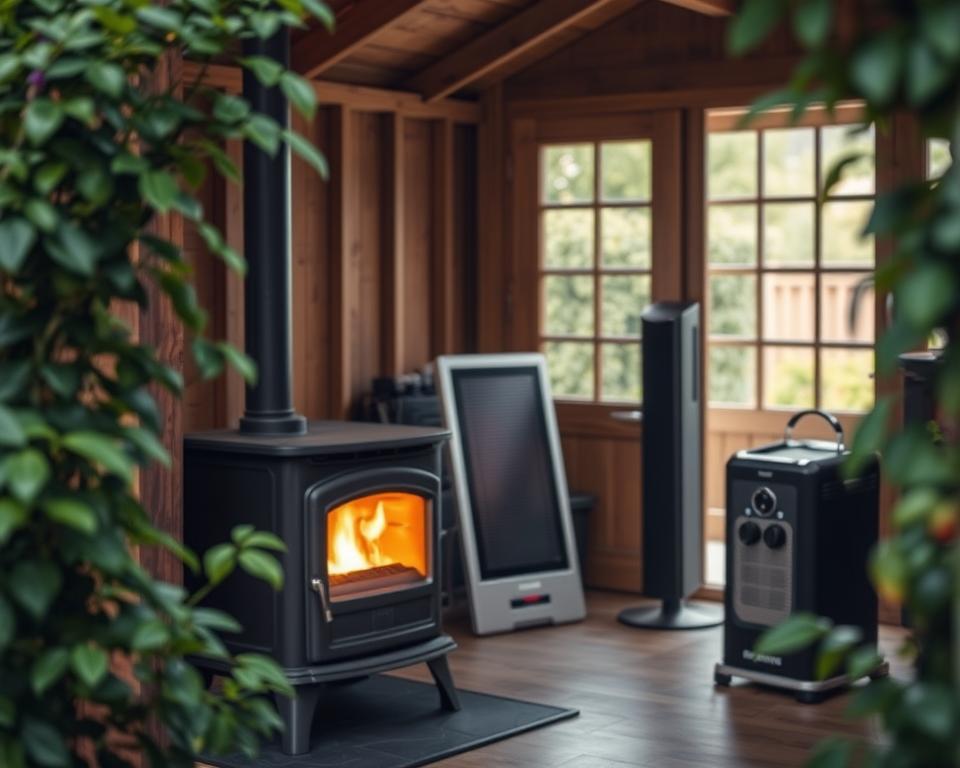
Garden shed heating requires careful consideration of several key factors, including space, budget, and specific usage requirements. The three primary heating methods each bring distinct benefits to shed owners.
Electric Shed Heaters: Convenient and Controlled
Electric shed heaters provide a clean, straightforward heating solution for most garden spaces. These compact devices offer:
- Easy installation with standard electrical outlets
- Precise temperature control
- Low maintenance requirements
- Safe operation with automatic shut-off features
Gas Shed Heating: Powerful and Efficient
Gas shed heating solutions deliver robust warmth for larger or poorly insulated spaces. Propane and natural gas heaters can quickly raise temperatures, making them ideal for workshops and storage areas.
- High heat output
- Cost-effective for larger sheds
- Suitable for areas without electrical connections
Infrared Shed Heating: Modern and Targeted
Infrared shed heating represents a sophisticated approach to maintaining comfortable temperatures. These innovative heaters warm objects directly, creating efficient and focused heat distribution.
“Infrared heating provides gentle, even warmth without wasting energy on heating surrounding air.”
Each heating method has unique strengths, allowing shed owners to select the most appropriate solution for their specific needs. Careful evaluation of your shed’s size, insulation, and intended use will guide your perfect heating choice.
Electric Heating Options for Garden Sheds
Selecting the right electric heating solution for your garden shed can transform a cold, unused space into a comfortable workspace or relaxation area. Electric radiators for sheds offer versatile heating options that cater to different needs and shed sizes.
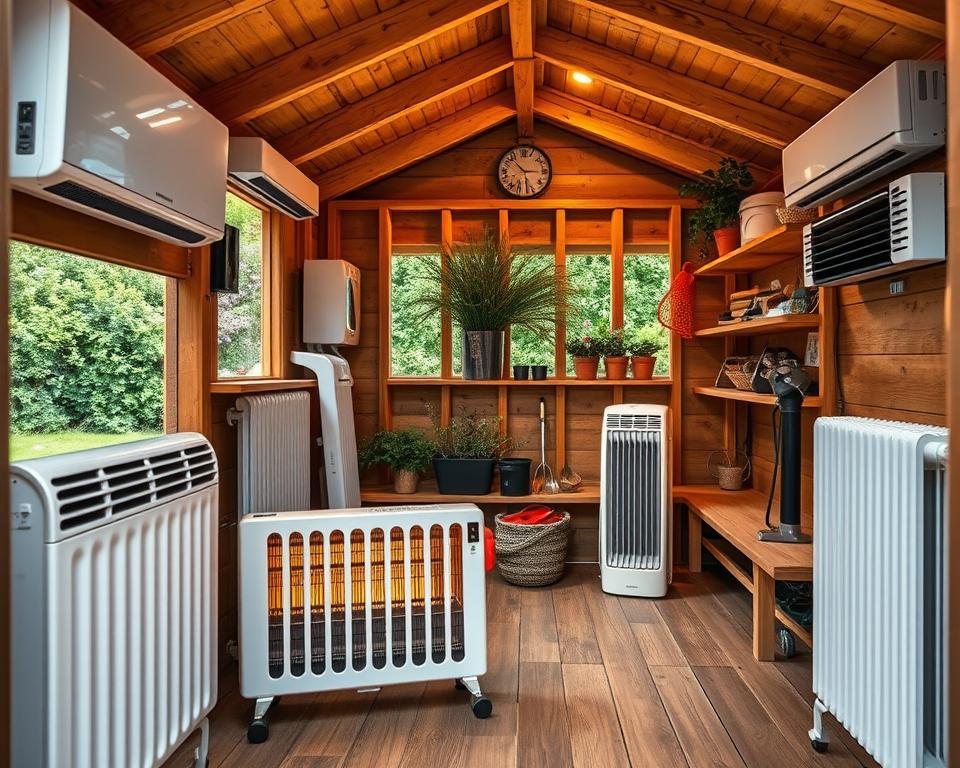
- Convector heaters: Lightweight and portable
- Electric radiators for sheds: Permanent and efficient
- Fan heaters: Quick and instant warmth
Convector heaters work by warming the air around them, creating a consistent temperature throughout the shed. These units are excellent for smaller spaces and provide quick heating when needed.
Electric radiators for sheds represent a more permanent solution. They offer several advantages:
- Even heat distribution
- Energy-efficient design
- Thermostat control
- Lower running costs
Fan heaters provide instant warmth and are ideal for quick heating sessions. They’re particularly useful for workshops or occasional shed use.
| Heater Type | Energy Efficiency | Installation | Cost Range |
|---|---|---|---|
| Convector Heaters | Moderate | Plug-in | £30-£100 |
| Electric Radiators | High | Wall-mounted | £100-£300 |
| Fan Heaters | Low | Portable | £20-£80 |
Pro tip: Always consider your shed’s size, insulation, and intended use when selecting an electric heating solution.
The right electric heater can make your garden shed a year-round functional space.
Solar-Powered Heating Solutions
Solar shed heating represents an innovative and environmentally friendly approach to keeping garden sheds warm and functional throughout the year. Homeowners across the United Kingdom are increasingly turning to solar panel installation as a sustainable solution for shed energy needs.
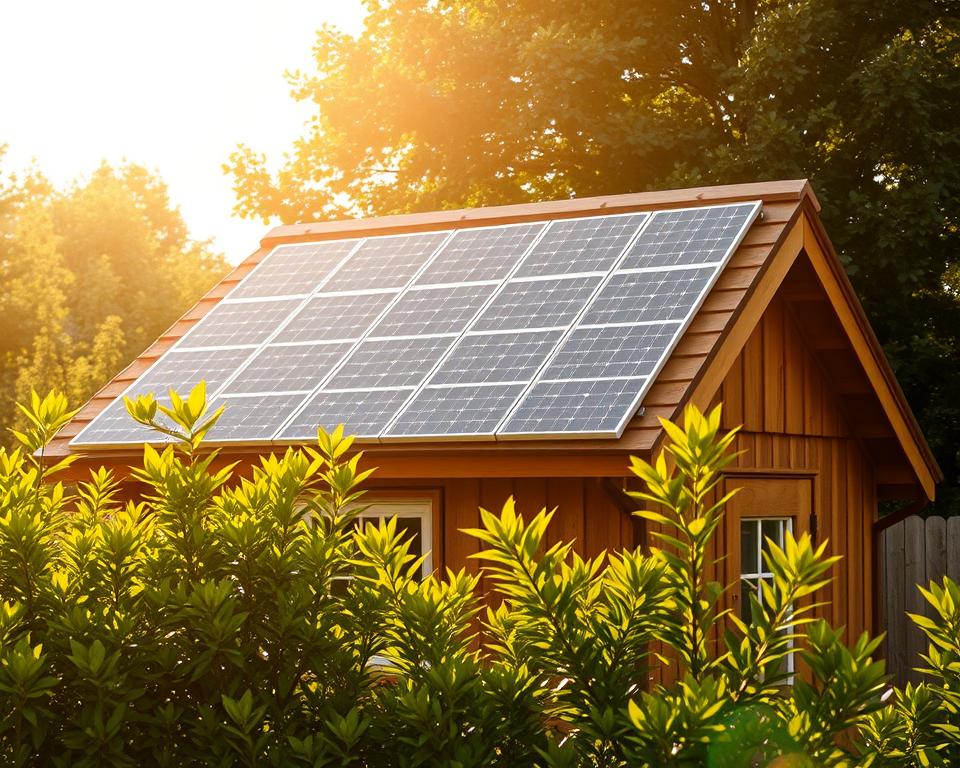
The potential of solar energy for garden sheds extends beyond simple heating. Modern solar technologies offer comprehensive energy solutions that can transform how we use and maintain outdoor storage spaces.
Panel Installation Guide
Solar panel installation for garden sheds requires careful planning and consideration. Key steps include:
- Assessing shed roof orientation and sun exposure
- Selecting appropriate solar panel wattage
- Ensuring structural integrity of shed roof
- Calculating expected energy generation
Battery Storage Systems
Battery storage for sheds is crucial in maximising solar energy efficiency. These systems allow you to store excess energy generated during sunny periods for use during cloudy days or nighttime.
| Battery Type | Capacity | Typical Cost |
|---|---|---|
| Lithium-Ion | 5-10 kWh | £500-£1,500 |
| Lead-Acid | 3-7 kWh | £300-£800 |
Cost-Benefit Analysis
Investing in solar shed heating requires upfront costs but offers significant long-term benefits. Typical payback periods range from 5-7 years, with potential energy savings of up to 70% on traditional heating methods.
Portable vs Permanent Heating Systems
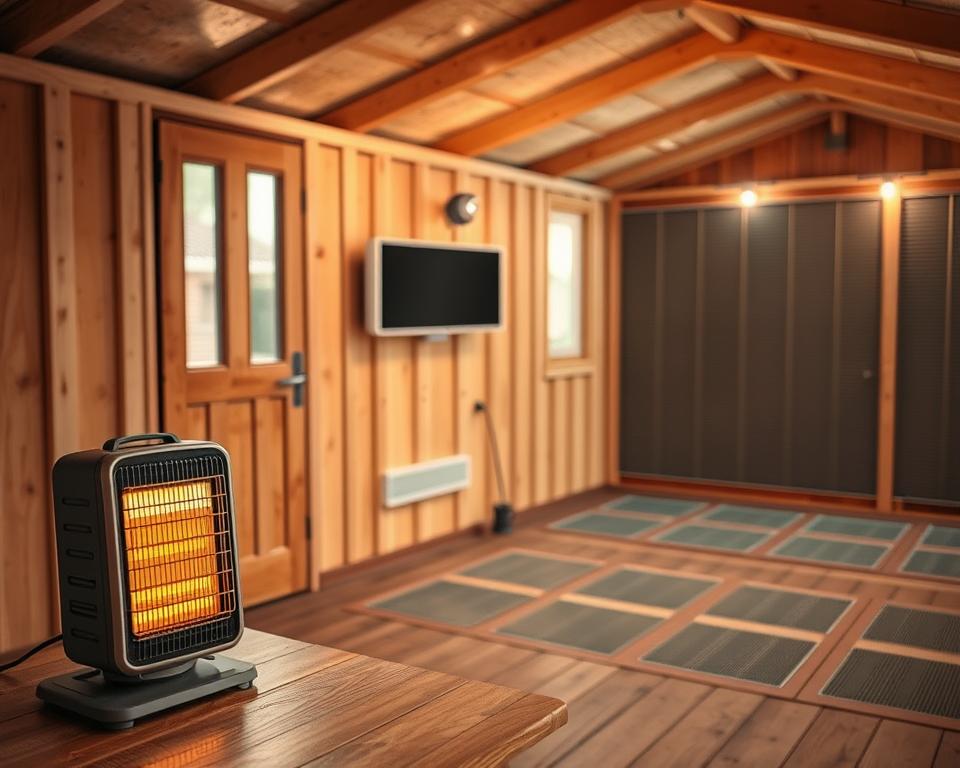
When considering heating options for your garden shed, the choice between portable shed heaters and permanent heating installation can significantly impact your seasonal heating solutions. Each approach offers unique advantages depending on your specific needs and shed usage.
Portable shed heaters provide flexibility and convenience for gardeners and DIY enthusiasts. These compact devices allow you to:
- Move heat exactly where you need it
- Use minimal electricity
- Store easily during warmer months
- Adapt to changing workspace requirements
Permanent heating installation, by contrast, offers more consistent temperature control. Professional installations ensure uniform warmth and protect valuable tools and equipment from moisture-related damage. These systems typically integrate seamlessly with your shed’s structure, providing long-term heating reliability.
“Choosing between portable and permanent heating depends on your shed’s purpose and frequency of use.” – UK Garden Shed Association
Consider these factors when selecting your heating solution:
- Shed size and layout
- Frequency of use
- Budget constraints
- Long-term storage requirements
For occasional use, portable shed heaters might be ideal. Those requiring consistent workspace temperature will benefit from a permanent heating installation that provides stable, energy-efficient warmth throughout seasonal changes.
Safety Considerations for Shed Heating
Ensuring shed heating safety is crucial for protecting your valuable space and preventing potential hazards. Garden shed heating requires careful planning and strict adherence to safety protocols to create a secure environment.
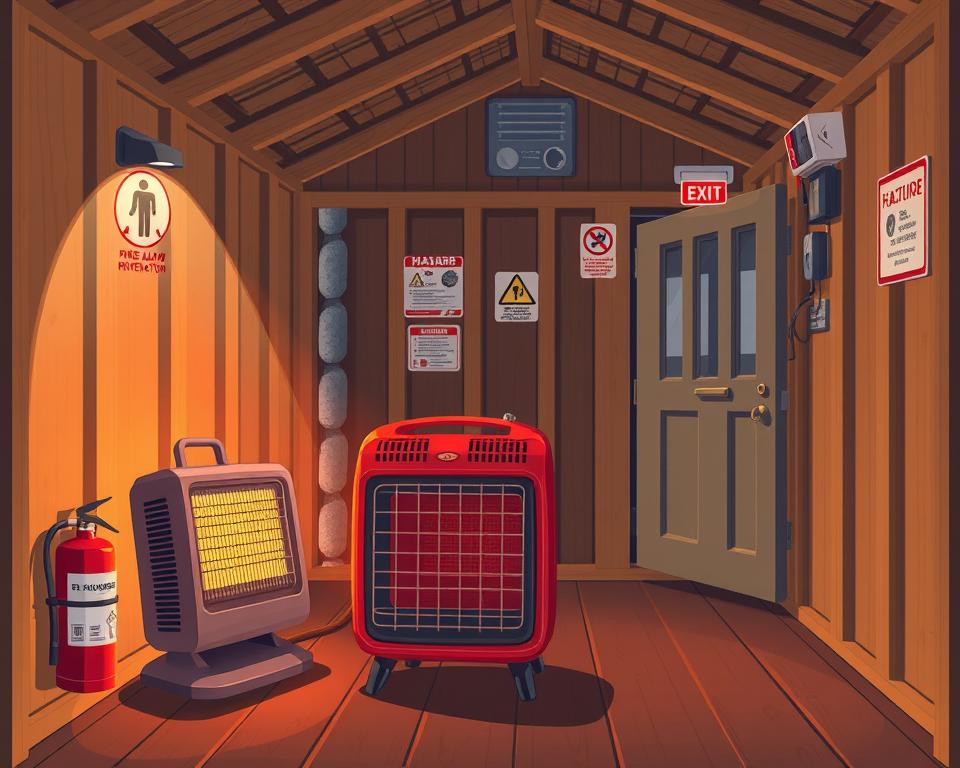
Proper safety measures go beyond simple temperature control. They involve comprehensive strategies to mitigate risks associated with heating enclosed spaces.
Fire Prevention Measures
Fire prevention in sheds demands proactive approaches. Key strategies include:
- Installing smoke detectors near heating equipment
- Keeping flammable materials at least 1 metre from heat sources
- Using certified electrical heating devices
- Ensuring regular equipment maintenance
Proper Ventilation Requirements
Effective proper shed ventilation is essential for safe heating. Adequate airflow prevents moisture buildup and reduces potential fire risks.
- Install ventilation grilles on opposite walls
- Maintain clear air circulation paths
- Check ventilation openings quarterly
- Use dehumidifiers if necessary
Emergency Procedures
Developing clear emergency protocols can save lives and property. Always keep a fire extinguisher accessible and create an evacuation plan.
Safety begins with awareness and preparedness.
By implementing these shed heating safety guidelines, you’ll create a secure and comfortable workspace that protects both your equipment and personal well-being.
Cost-Effective Heating Strategies
Creating a warm garden shed without breaking the bank requires smart planning and energy-efficient approaches. Budget-friendly shed heating isn’t about spending more, but investing wisely in heating solutions that minimise energy consumption.
Smart homeowners can reduce heating costs through strategic choices. Energy-efficient shed heaters come in various affordable options that help cut down overall heating expenses. Consider these practical strategies:
- Install thermal curtains or blinds to retain heat
- Use programmable thermostats for precise temperature control
- Implement proper insulation before selecting a heating system
- Choose low-wattage electric heaters with automatic shut-off features
Heating cost reduction starts with understanding your shed’s specific requirements. Smaller sheds might benefit from compact infrared heaters, while larger spaces could need more comprehensive heating solutions.
Tip: Always measure your shed’s dimensions before purchasing a heater to ensure maximum efficiency and minimal waste.
Comparing different heating options can significantly impact your energy expenses. Ceramic heaters, oil-filled radiators, and modern panel heaters offer excellent cost-effective alternatives for garden shed warming.
- Ceramic heaters: Quick warming, energy-efficient
- Oil-filled radiators: Consistent heat, lower running costs
- Panel heaters: Slim design, even heat distribution
By carefully selecting your heating method and implementing energy-saving techniques, you can maintain a comfortable shed environment without excessive spending.
Maintenance Tips for Shed Heating Systems
Proper shed heater maintenance is crucial for ensuring your heating system remains efficient and reliable throughout the year. Regular care can prevent unexpected breakdowns and extend the lifespan of your equipment. This guide will help you develop a comprehensive approach to seasonal heater care and heating system troubleshooting.
Effective maintenance starts with understanding the unique challenges of shed heating systems. Exposure to moisture, temperature fluctuations, and limited use can create specific maintenance requirements that differ from indoor heating solutions.
Creating a Regular Inspection Schedule
Developing a consistent maintenance routine is key to preventing potential issues. Here’s a recommended approach to shed heater maintenance:
- Conduct monthly visual inspections of the heating system
- Clean dust and debris from heater components quarterly
- Check electrical connections and wiring twice a year
- Inspect for signs of moisture or rust annually
Addressing Common Heating System Issues
Heating system troubleshooting often involves identifying and resolving typical problems before they become major repairs:
- Reduced Heating Efficiency: Check for dust buildup and clean filters regularly
- Electrical Connection Problems: Inspect wiring for signs of wear or damage
- Moisture-Related Damage: Ensure proper ventilation and use moisture-absorbing products
Seasonal heater care requires a proactive approach. During winter months, pay extra attention to your shed’s heating system, protecting it from extreme cold and potential condensation issues. Invest in quality covers and consider additional insulation to enhance overall performance.
Pro Tip: Keep a maintenance log to track inspections, repairs, and any performance changes in your shed heating system.
Environmental Impact and Energy Efficiency
Garden shed heating presents a unique opportunity to embrace energy-efficient solutions while minimising environmental impact. Reducing carbon footprint starts with smart choices in shed heating technology.
Eco-friendly shed heating options have evolved significantly in recent years. Sustainable approaches can dramatically cut energy consumption and lower greenhouse gas emissions. Property owners now have multiple strategies to create warmth without compromising environmental responsibility.
- Solar panel installations for renewable energy generation
- Infrared heating systems with low power consumption
- Improved insulation techniques
- Smart thermostatic controls
Modern energy-efficient shed solutions leverage cutting-edge technologies that minimise electricity usage. Intelligent heating systems can reduce energy consumption by up to 40% compared to traditional methods.
Key considerations for environmentally conscious shed heating include:
- Selecting low-energy heating appliances
- Implementing proper shed insulation
- Using renewable energy sources
- Installing programmable thermostats
Homeowners committed to reducing their carbon footprint can transform their garden sheds into models of energy efficiency. By choosing sustainable heating methods, individuals contribute to broader environmental conservation efforts.
Planning Permission and Building Regulations
Navigating the legal landscape of shed heating can be complex for UK homeowners. Understanding shed heating regulations UK is crucial before installing any heating system in your garden shed.
When considering a heated shed, several key legal considerations come into play. Planning permission for heated sheds depends on multiple factors, including the shed’s size, location, and proposed heating installation.
Local Authority Guidelines
Different local councils have varying requirements for shed modifications. Typically, you’ll need to check if your proposed heating installation falls under permitted development rights.
- Verify shed dimensions and placement
- Check local planning restrictions
- Consult your local authority’s building control department
Insurance Considerations
Shed insurance requirements can be significantly impacted by heating installations. Insurers often have specific guidelines about electrical and gas heating systems in outbuildings.
- Inform your insurance provider about heating modifications
- Ensure professional installation
- Maintain proper safety certifications
Pro tip: Always document your heating installation and keep professional certification for potential insurance claims.
Professional installation and compliance with local regulations are key to protecting your shed and its contents.
Conclusion
Selecting the best shed heating methods in the UK requires careful consideration of your specific needs. Whether you’re protecting valuable tools or creating a year-round workspace, understanding the right heating approach can make a significant difference to your garden shed’s functionality and longevity.
Choosing the right shed heater involves balancing safety, efficiency, and cost-effectiveness. Electric options provide clean and controlled heating, while solar solutions offer eco-friendly alternatives for budget-conscious homeowners. The key is matching your heating solution to your shed’s size, usage, and local climate conditions.
A comprehensive shed heating summary should always prioritise safety, energy efficiency, and proper maintenance. From understanding insulation basics to implementing fire prevention measures, each aspect contributes to creating a warm, protected space that serves your needs throughout the unpredictable British weather.
Ultimately, investing time in researching and implementing the most suitable heating method will transform your garden shed from a simple storage space into a versatile, comfortable area that adds value to your property and enhances your outdoor living experience.
FAQ
What is the most energy-efficient way to heat a garden shed?
Solar-powered heating and well-insulated electric radiators are typically the most energy-efficient options for garden sheds in the UK. These methods help minimise electricity consumption while providing consistent warmth, especially when combined with proper shed insulation.
Do I need planning permission to install a heater in my garden shed?
In most cases, you won’t need planning permission for internal heating installations. However, if you’re making significant structural changes or installing a complex heating system, it’s best to check with your local authority to ensure compliance with building regulations.
How can I prevent damp and mould when heating my garden shed?
Proper ventilation is key to preventing damp and mould. Ensure adequate air circulation, use a dehumidifier if necessary, and choose a heating method that doesn’t create excessive moisture. Insulation and addressing any existing moisture issues are also crucial steps.
Are gas heaters safe to use in a garden shed?
Gas heaters can be used safely with proper precautions. Ensure adequate ventilation, use carbon monoxide detectors, and follow manufacturer’s installation guidelines. Portable gas heaters require extra caution and should never be left unattended.
What heating option is best for a small garden shed?
For smaller sheds, electric fan heaters or compact infrared heaters are often the most practical solutions. They provide quick heating, are easy to install, and can be more cost-effective for smaller spaces compared to permanent heating systems.
How much does it cost to heat a garden shed?
Heating costs vary depending on the method and shed size. Electric heaters typically cost between £30-£100 per year for occasional use, while more intensive heating can range from £100-£300 annually. Solar solutions have higher initial costs but lower running expenses.
Can I use my heated garden shed in winter?
Absolutely! With proper insulation and heating, your garden shed can become a year-round workspace or storage area. Investing in good heating and insulation will protect your tools and create a comfortable environment during cold UK winters.
What safety precautions should I take when heating my shed?
Key safety measures include:
– Installing smoke and carbon monoxide detectors – Keeping flammable materials away from heat sources
– Ensuring proper ventilation
– Using heaters with automatic shut-off features
– Regularly inspecting electrical connections
– Maintaining a clear area around heating equipment
Is solar heating practical for a garden shed in the UK?
While the UK has less sunshine than some countries, solar heating can still be effective. Modern solar panels work efficiently even on cloudy days, and they can significantly reduce electricity costs when combined with battery storage systems.
How often should I maintain my shed heating system?
Conduct a quarterly inspection of your heating system. Check for any electrical issues, clean heaters and vents, test safety features, and ensure there are no signs of wear or damage. Annual professional servicing is recommended for more complex heating installations.