
wooden Summerhouses 9x7 - Best Deals in UK!
Showing all 3 results
-
20% OFF: 7′ x 9′ Shire Casita Wooden Summer House including Veranda (2.16m x 2.72m) £829.9920%

-
11% OFF: Palmako Emma 1 2.6m x 2.2m Log Cabin Summer House (28mm) £2,089.0011%

-
6% OFF: 7′ x 9′ Shire Casita Wooden Summer House including Veranda (2.16m x 2.72m) £972.996%
Wooden summerhouses 9×7 bring a compact, usable garden room into a footprint that fits many plots, offering shelter, style and a proper place to sit, store, work or unwind.
Why a 9×7 wooden summerhouse feels right in the garden
A 9×7 summerhouse sits in that handy middle ground where the building feels roomy without taking over the garden. The rectangular shape gives you enough depth for a table and chairs, a reading corner, or a small hobby setup, while still leaving space around it for planting, paving or simply keeping the garden open. For many buyers, this size makes sense because it is easier to position than a larger cabin, yet it still looks like a proper feature rather than a small shed with windows.
In timber, the look is softer and more natural than metal or plastic alternatives. Wood blends with borders, lawns and fencing, so the building does not fight with the rest of the plot. That matters when you want the summerhouse to feel part of the garden, not just something placed in it.
The shapes and layouts that change how 9×7 works
Although the size is fixed at 9×7, the shape and internal layout can differ quite a bit. These differences affect how the room feels, how much light enters, and how easy it is to place furniture.
Bestseller der Kategorie wooden Summerhouses 9x7
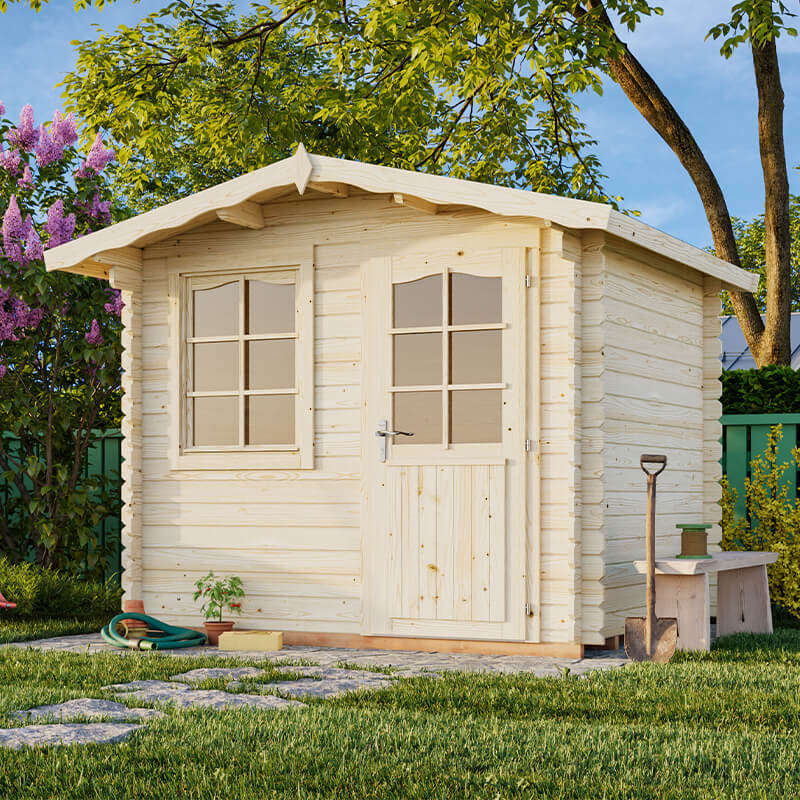
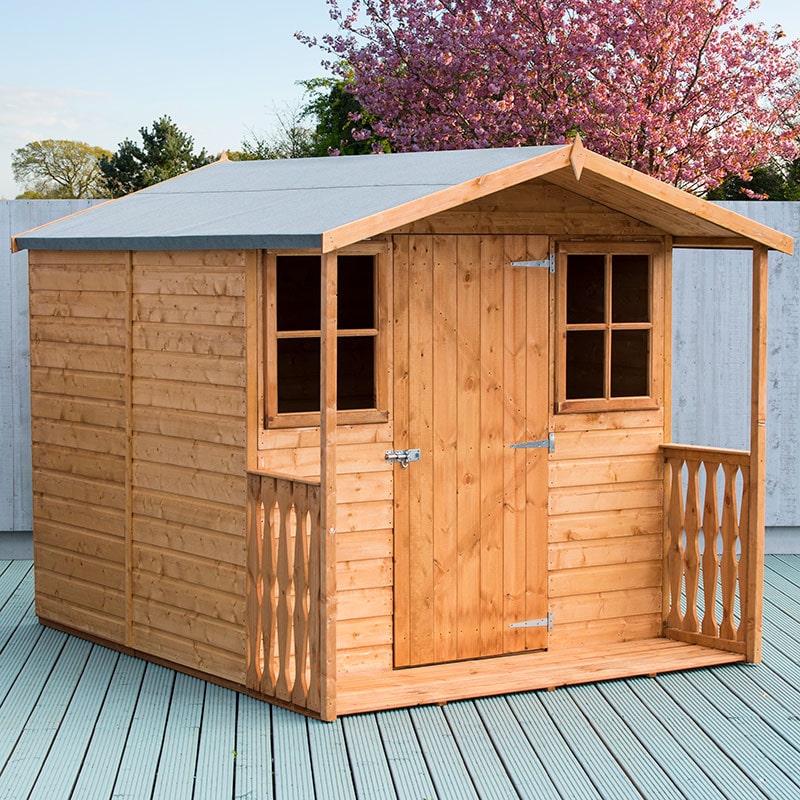
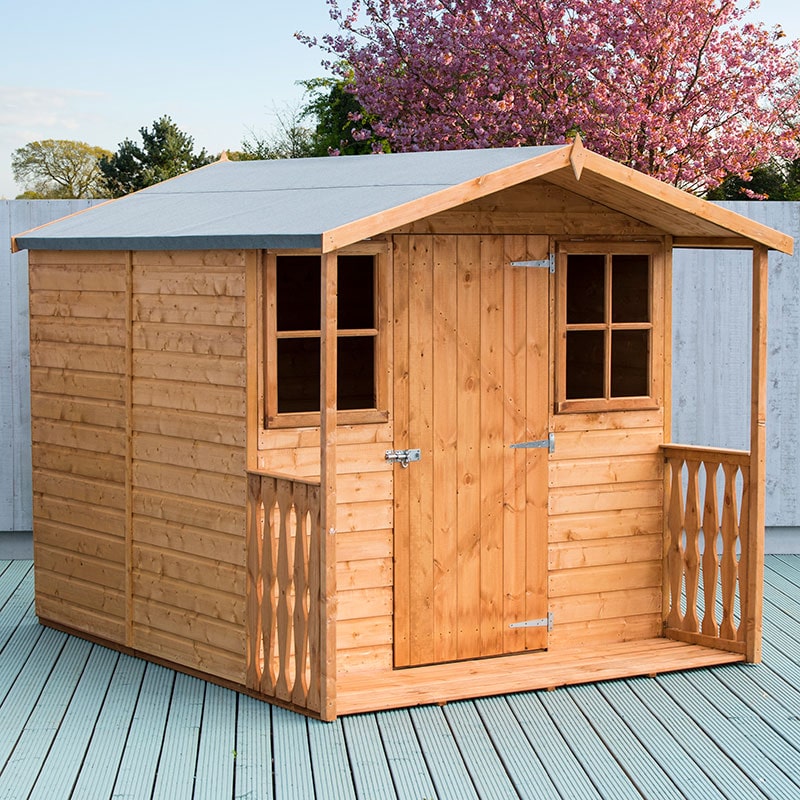
- Rectangular frontage – a straightforward layout that makes the room simple to furnish, with easy wall runs for benches, desks or storage.
- Corner-style orientation – useful if the building is designed to sit into a corner of the garden, leaving more open ground elsewhere.
- Garden room style – often more enclosed and room-like, giving the 9×7 space a calmer, more interior feel.
- Classic summerhouse profile – usually with more decorative lines and a lighter appearance, suited to a relaxed seating area.
- Side-door arrangement – handy when you want the front wall free for windows and the opening tucked away to the side.
The difference between these layouts is not only visual. A front-opening design can make the building feel balanced and social, while a side door may help with privacy or with placing the structure beside a fence. If your garden has a narrow access route, the opening direction can be more important than people first expect.
Wooden summerhouses 9×7: the timber details that matter
The character of a wooden summerhouse often comes down to the timber profile and construction style. Some buyers prefer horizontal cladding because it gives a traditional garden-building look, while others lean toward tighter boarding for a more enclosed feel. The timber type, board thickness and corner finish all change the overall impression, even when the external size stays the same.
On a 9×7 building, the timber details can also influence how substantial the structure feels from the inside. Thicker cladding and a stronger frame tend to give a steadier, more solid impression, which is useful if the room is meant to be used often. Lighter timber construction may suit casual seasonal use and can sometimes look less dominant in a smaller garden.
What people often notice first, though, is the natural grain and the way wood takes on colour. A timber summerhouse can sit quietly among greenery or stand out with a painted finish, depending on the style you want. That flexibility is one reason wooden designs remain a strong choice for this size.
Window styles that change the mood inside
Windows are a key part of any 9×7 summerhouse, because they decide how open the space feels. A building with wide glazed panels will feel brighter and more airy, which is helpful if the room is used for seating, a small dining nook or a workspace. Smaller windows, by contrast, create a more private and sheltered atmosphere.
- Full-height front glazing – brings a lot of daylight and makes the building feel more connected to the garden.
- Side windows – helpful for cross-light and a wider view from inside.
- Half-glazed doors – a common choice that balances light and privacy.
- Smaller cottage-style panes – add a more traditional appearance and soften the look of the front elevation.
The window layout also changes how the room is used. A bright front wall encourages a seating area facing outwards, while side windows can support a desk or craft table without making the occupant feel boxed in. If the summerhouse is positioned to catch a view of borders or trees, window placement becomes a big part of the buying decision.
Roof forms: not just a detail on top
The roof on a wooden summerhouse 9×7 has a strong effect on both its appearance and its internal feel. Some roofs sit lower and cleaner, giving a neat profile that suits modern gardens. Others rise more traditionally, adding presence and a more familiar summerhouse silhouette. Even if you are mainly looking at floor area, the roof shape can change the way the building sits in the space.
- ApEx roof – gives a classic shape with a central ridge, often associated with a traditional garden look.
- Reverse apex – shifts the ridge line so the front can feel more open or more symmetrical depending on the design.
- Pent roof – a sloping single-face roof that creates a clean, contemporary outline.
The different roof forms can also affect how the summerhouse meets surrounding structures. A pent roof may suit a fence line or boundary position better, while an apex form can provide a more recognisable focal point in the garden. The right choice depends on whether you want the building to blend in or mark out a defined destination.
What the 9×7 footprint gives you in real terms
A 9×7 footprint is useful because it gives enough room for more than one purpose without feeling oversized. You can arrange a small seating set and still have circulation space, or set up a compact hobby area with shelves and a chair. In many gardens, this scale works especially well where the owner wants to avoid losing too much lawn.
Compared with smaller summerhouses, the 9×7 format gives a bit more freedom with furniture placement. A sofa-style bench, a narrow table, or a pair of chairs can fit more naturally. Compared with larger buildings, though, it remains easier to site and usually feels less imposing. That middle position is a real selling point for buyers who want a usable room, but not a full cabin taking over the plot.
Different uses that suit this size without forcing the space
The appeal of wooden summerhouses 9×7 is that they can support several uses, as long as the layout matches the purpose. Some owners want a quiet sitting room with a couple of chairs and a side table. Others want a garden office corner, a place for crafts, or somewhere for afternoon tea away from the house. This size can manage those ideas without requiring awkward compromises.
- Seating room – works well with glazed frontage and a clear view into the garden.
- Garden office nook – better suited to a calmer window layout and a more enclosed feel.
- Hobby room – useful when you need a stable, separate area for model making, sewing or drawing.
- Reading retreat – benefits from softer light and a layout that keeps the seating away from the door.
- Guest spot – possible when the internal arrangement allows for compact seating and a bit of privacy.
The key difference is not only what you put inside, but how the room is framed by the windows and doors. A summerhouse designed for light and outlook may feel too open for a private work space, while a more enclosed design may feel perfect for quiet use. Choosing the right version at the start saves disappointment later.
Practical buying points that people often overlook
When looking at wooden summerhouses 9×7, the little details can matter as much as the overall look. Buyers often focus on the front view, but the side elevation, door position, and window balance can affect how easy the building is to live with. A good-looking design that blocks a corner of the garden can feel less useful than a plainer one that sits neatly in place.
- Door position – think about access from paths, patios or lawn edges.
- Window placement – check whether the main view falls towards planting, fencing or open space.
- Internal shape – a simple rectangle is easier to furnish than a layout with awkward narrow zones.
- Roof pitch – can influence the overall presence of the building in a lower or taller garden setting.
- External finish – a painted or natural timber look changes how formal or relaxed the summerhouse feels.
It also helps to imagine the building in use, not just standing empty. If a chair is going near a window, check the opening direction. If the room will hold a table, make sure there is space to pull seats out without feeling cramped. These are the sort of small checks that make a 9×7 format work properly.
How wooden summerhouses differ from other garden buildings
Compared with a shed, a wooden summerhouse is usually more about comfort and atmosphere than storage. It tends to have larger windows, a more social layout and a finish that looks intended for time spent inside. Compared with a garden office, it often feels less rigid and more relaxed, which can be a better fit if the space is meant for occasional use rather than all-day working.
The 9×7 size strengthens that difference because it sits between small utility buildings and larger room-like structures. You get enough scale to make the space useful, but the building still reads as a garden feature. For buyers who want something that feels part of the outdoors, that balance is important.
Choosing the version that suits the garden, not just the catalogue image
It is easy to focus on the front-facing picture and ignore how the summerhouse will sit in the real garden. A 9×7 wooden summerhouse should be chosen according to the shape of the plot, nearby fences, existing planting and the view from the house. A design that looks compact in a photo might feel long in a narrow side garden, while a more symmetrical model could anchor a wider lawn very neatly.
Think about whether the building should be seen as a focal point or a tucked-away room. If it is meant to draw the eye, a glazed front and defined roofline can help. If it should sit quietly among borders, a softer timber finish and a more modest window arrangement may suit better. This is where wooden designs have a real advantage: they can feel either decorative or subdued, depending on the style chosen.
Small tips that make a 9×7 layout work better
There are a few simple things that can make a wooden summerhouse 9×7 feel more balanced once it is in place.
- Leave visual breathing room around the structure so it does not feel squeezed by hedging or fencing.
- Match the roof form to the garden line – a pent roof can sit neatly in tighter spaces, while an apex design can suit a more open plot.
- Think about the view inward and outward – the best summerhouses work well from both sides.
- Keep the interior plan simple – too many pieces of furniture can spoil the usefulness of the 9×7 size.
- Choose window styles carefully – more glass gives brightness, less glass gives a calmer feel.
It helps to picture how the room will feel on a normal day, not only on a sunny one. A summerhouse is often bought for the mood it creates as much as for the practical floor space, so the mix of shape, timber and glazing matters quite a bit.
A final thought on the appeal of 9×7 in wood
Wooden summerhouses 9×7 stand out because they give a real room-like space without demanding a huge section of the garden. The size is flexible, the timber finish feels natural, and the different roof, window and door options let buyers steer the look towards traditional, relaxed or more contemporary styles. For anyone comparing garden buildings, this format offers a clear middle path: usable, characterful, and easy to fit into a wide range of plots. Not every garden needs a large structure, and not every buyer wants a tiny one either. This size just lands in a useful place.
[Sassy_Social_Share]