
wooden Summerhouses 8x6 - Best Deals in UK!
Showing all 4 results
-
17% OFF: 6′ x 8′ Traditional Broadway Wooden Summer House (1.83×2.44m) £1,849.0017%

-
13% OFF: 8′ x 6′ Traditional Shiplap 6′ Cabin Garden Shed (2.44m x 1.83m) £1,039.0013%

-
12% OFF: Shire Avesbury 2.5m x 1.8m Log Cabin Summerhouse (19mm) £943.9912%

-
8% OFF: 6′ x 8′ Traditional Shiplap 8′ Cabin Garden Shed (1.83m x 2.44m) £1,089.008%

Wooden summerhouses 8×6 offer a compact yet usable garden room, ideal for seating, storage, hobbies or a calm place to sit out of the weather. Explore shapes, timber styles and layout options.
A practical footprint with a proper room feel
An 8×6 wooden summerhouse sits in that useful middle ground where the building is small enough for many gardens, but still gives a genuine sense of space inside. The 8ft x 6ft size works well when you want more than a shed, but do not want a structure that takes over the whole plot. It can suit a narrow side area, a courtyard garden, or a corner that needs turning into something usable rather than left empty.
What makes this size appealing is the balance between floor area and garden impact. You can fit a bistro set, a pair of armchairs, a small desk, or a mix of seating and storage, depending on the internal layout. For buyers comparing summerhouses, the 8×6 format often feels less bulky than 10×8 designs, yet more comfortable than a tiny garden store. It is a size that tends to work with, not against, the garden shape.
Different roof forms, different visual effects
The roof style changes the whole feel of a wooden summerhouse 8×6. A pent roof gives a cleaner, more compact outline and usually suits modern spaces or plots where the building needs to sit under a boundary line without looking too heavy. It can also create a stronger front elevation, especially where the roof slopes from front to back and keeps the face of the building neat.
Bestseller der Kategorie wooden Summerhouses 8x6
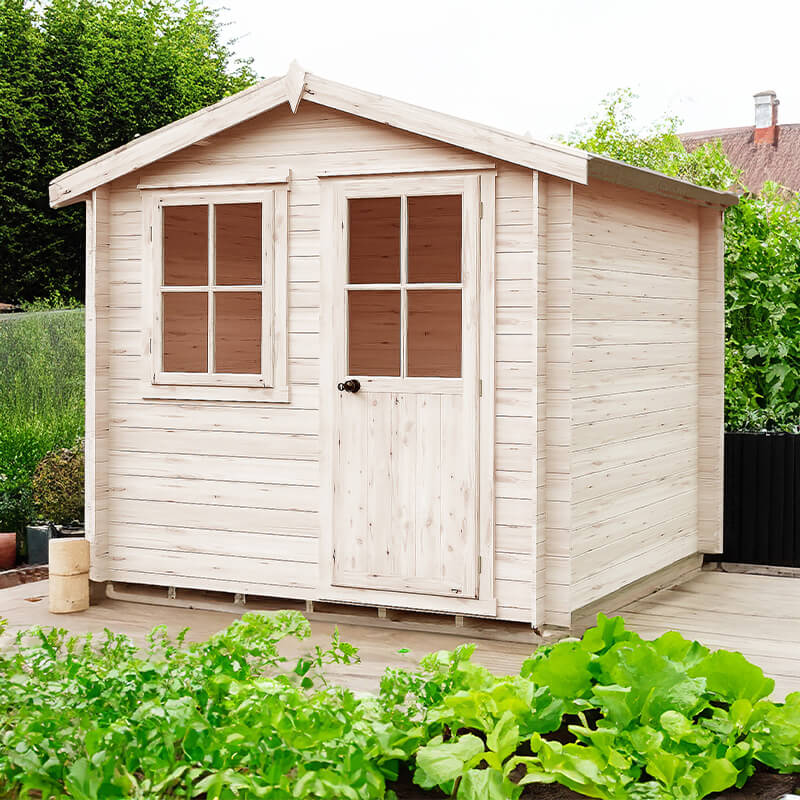
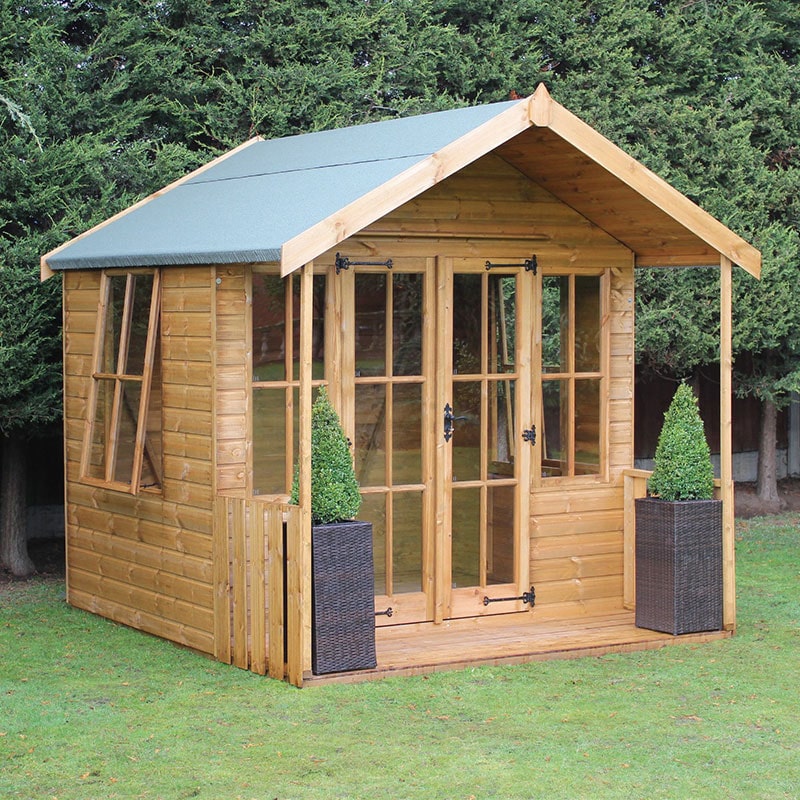
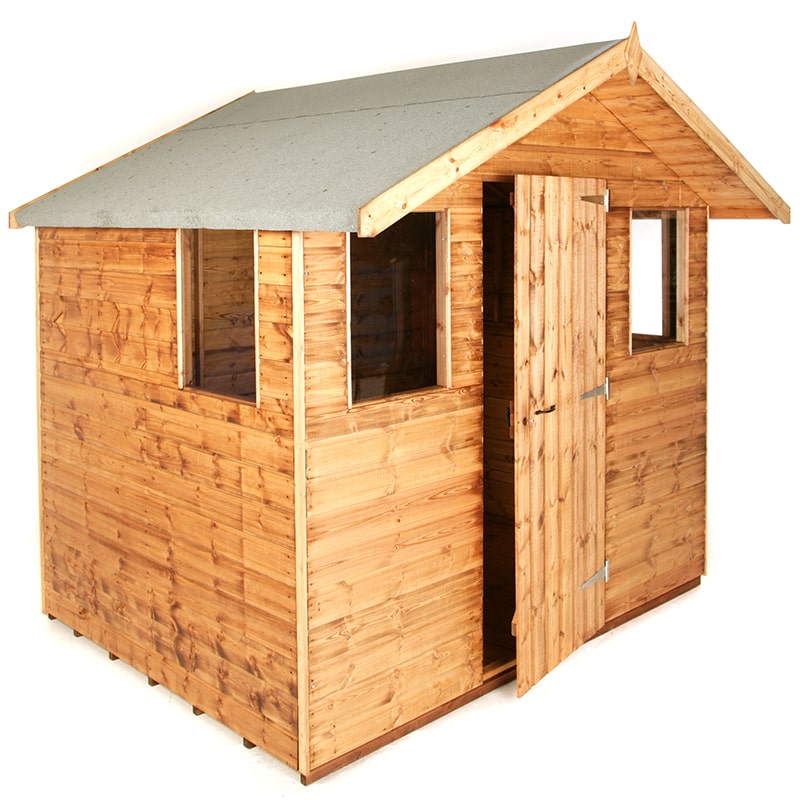
A reverse apex roof is another option on this footprint, with the ridge running front to back. This can open up the front aspect and help the structure feel a bit more traditional from the outside. By contrast, an apex roof with the ridge across the width can create a familiar cottage-like shape, and that can suit gardens where the summerhouse is meant to feel more like a small retreat than an outbuilding.
The choice is not just about looks. Roof form can affect internal headroom, how the building sits in the garden, and the way windows can be arranged. If the aim is to place chairs near the front and keep the centre open, the roof shape may influence how comfortable the space feels when standing or moving about. Buyers often notice this only when they compare layouts side by side, so it is worth thinking through before choosing.
Cladding styles that change the character
Wooden summerhouses in 8×6 size can come with different cladding profiles, and this is where the character of the building starts to show. Shiplap cladding has a neat, overlapping profile that creates a smooth, ordered appearance. It usually suits gardens where a tidy, joined-up look matters, and many buyers like it because it gives the summerhouse a polished feel without becoming too formal.
Tongue and groove is also widely associated with quality timber construction. The boards fit together closely, giving a more solid visual finish and a pleasing sense of structure. On an 8×6 summerhouse, tongue and groove can make the walls look substantial without making the building appear too heavy. It is a good choice if you want the room to feel a little more like a proper garden cabin.
Another style sometimes seen is overlap cladding, which has a more rustic look. It can feel less refined and a bit more relaxed, which may suit informal gardens or buyers after something with a softer, country-style character. The main difference between these cladding types is how they look and how they shape the overall impression of the building. Some buyers prefer the sharper lines of shiplap, while others lean towards the more natural feel of overlap boards.
Front styles that shape how usable it feels
The front of an 8×6 wooden summerhouse is not just about appearance; it also affects how practical the building is once it is in use. A model with a wide glazed front can bring more light inside and make the room feel open, which is useful if you plan to sit, read, or work in there. Larger windows can also make the structure feel less enclosed from the inside, especially during darker afternoons.
By contrast, a summerhouse with smaller window openings may feel a bit more enclosed and private. That can work well if you want a space that feels separate from the rest of the garden, or if you intend to use it for quiet storage, a hobby room, or somewhere to keep cushions and smaller items out of sight. The difference comes down to whether you prefer a bright garden room or a more sheltered, tucked-away feel.
Some 8×6 designs include double doors, while others use a single entrance. Double doors make it easier to move chairs or a small table in and out, and they tend to give the structure a more open, sociable feel. Single doors can save frontage space and may suit narrower gardens where the building needs to remain compact at the entrance point. It is a small detail, but it changes how the summerhouse behaves day to day.
When 8×6 works better than larger sizes
For many gardens, the main advantage of 8×6 wooden summerhouses is simply that they fit where larger buildings would overpower the space. If your garden is more modest in scale, a bigger summerhouse can make the rest of the plot feel cramped. An 8×6 unit gives you a defined room without taking away too much open ground for planting, paths, or lawn.
This size can also be a better choice where the summerhouse is meant to sit near a fence or boundary. It usually leaves enough room for sightlines and movement around the structure, which helps the garden still feel usable. In some layouts, a larger summerhouse might work on paper but feel awkward in person. The 8×6 footprint is often chosen because it looks more proportionate once built.
Compared with smaller summerhouses, an 8×6 design gives more freedom with furniture placement. You can create a seating corner and still leave space for a small shelf, compact desk, or storage box. That extra flexibility matters, because a summerhouse that is only just large enough can become fiddly to arrange. An 8×6 building usually gives you enough room to avoid that tight, boxy feeling.
Why timber appeals in this size
Wooden construction gives the 8×6 summerhouse a warmer and more natural presence in the garden than many non-timber alternatives. Timber softens the outline of the building, which helps it blend with planting, fencing and decking. On this size in particular, the material matters because the building is close enough to the house and garden to feel part of the overall layout.
Wood also suits the kind of look many buyers want from a summerhouse: not too industrial, not too formal, and still clearly a garden building. The grain, joint lines and natural tone all contribute to that effect. Even when the finish is simple, a wooden 8×6 summerhouse often looks more at home beside shrubs, borders and patio furniture than a harder-looking structure would.
Another advantage is that timber works well across different design styles. The same 8×6 size can look traditional with cottage-style windows, modern with sharper lines and a pent roof, or rustic with a softer front and overlap cladding. So the size does not lock you into one look. That makes it easier to match the building to the rest of the garden, which buyers often value more than they first expect.
Layout ideas that suit the dimensions
The internal space in an 8×6 wooden summerhouse is best used with a clear purpose. One option is a relaxing seating room, with two chairs or a compact sofa placed to face the windows or doors. This works especially well if the glazing brings in good light. Another option is a garden work nook, where the narrower depth helps keep the space focused and not too echoey or empty.
Some buyers use this size as a mixed-use room. For example, one side can hold a small table and chairs, while the other side keeps folded cushions, a drinks trolley, or hobby items. This can be handy if the summerhouse needs to do more than one job across the year. The 8×6 format is not huge, so mixed use needs a bit of planning, but it can work very well if the furniture is chosen with care.
If the building will be used for entertaining, double doors and a wider glazed front can make a real difference. They help the room feel more connected to the garden, which is part of the appeal of a summerhouse anyway. If the goal is a quieter space, a more enclosed layout with fewer openings may be a better fit. There is no single right answer here; it depends on how you picture using the room.
Subtypes buyers tend to compare
When looking at wooden summerhouses 8×6, buyers often compare a few clear subtypes:
- Traditional summerhouses with cottage-style glazing and a classic roof shape
- Modern summerhouses with cleaner lines and a more minimal front
- Corner-style layouts that make good use of awkward garden edges
- Glazed-front designs for brighter seating or hobby use
- More enclosed versions for added privacy and a tucked-away feel
The main difference between these types is not the footprint, but how the space behaves. A glazed-front design feels brighter and more open. A corner layout can save room in the garden while still giving useful internal space. A traditional style often brings a softer, more decorative look, while a modern shape feels more structured and neat. Buyers usually narrow their choice once they decide whether the summerhouse should feel like a feature, a room, or a private hideaway.
What makes an 8×6 choice feel right
Choosing an 8×6 wooden summerhouse is often about finding the right middle point between presence and practicality. If the structure is too small, it can feel like a glorified storage box. If it is too large, it may dominate the garden and reduce the space left for everything else. The 8×6 size sits comfortably in between, which is why it remains such a popular format for people wanting a timber garden room.
It also suits buyers who want a building that can change with use. One year it may be a reading room, another year a place for outdoor cushions and occasional seating. That kind of flexibility matters because garden spaces do not always stay fixed in purpose. A well-chosen 8×6 summerhouse gives some room for that change, without needing a redesign every time your plans shift.
There is also a simple visual advantage: this size tends to look balanced. It is large enough to be noticed, but not so large that it overwhelms paths, borders, or lawn. That can make the whole garden feel more thought through. In a lot of cases, the building ends up improving the layout rather than just sitting in it.
Small details that help when comparing options
When comparing 8×6 wooden summerhouses, the useful details are often the ones people notice only after looking closely. Think about the door position, because it changes how easy the room is to furnish. Consider the window arrangement, because that affects both light and privacy. Look at the roof pitch and how it influences the profile from the garden. Even the way the front is proportioned can shift the whole feeling of the building.
It is also worth comparing how the structure will sit alongside what is already in the garden. A summerhouse with a broad glazed front may suit an open patio area, while a more enclosed design might fit better beside planting or a boundary. The best choice is often the one that makes the rest of the garden feel more resolved, not the one that only looks good in isolation.
For buyers who want a timber garden building that does a lot without asking for too much space, wooden summerhouses 8×6 are worth a close look. They bring together manageable proportions, useful internal room and a choice of styles that can lean traditional, modern or somewhere in between. That mix is a big part of why this format keeps finding a place in so many gardens.
[Sassy_Social_Share]