
wooden Summerhouses 12x8 - Best Deals in UK!
Showing all 2 results
-
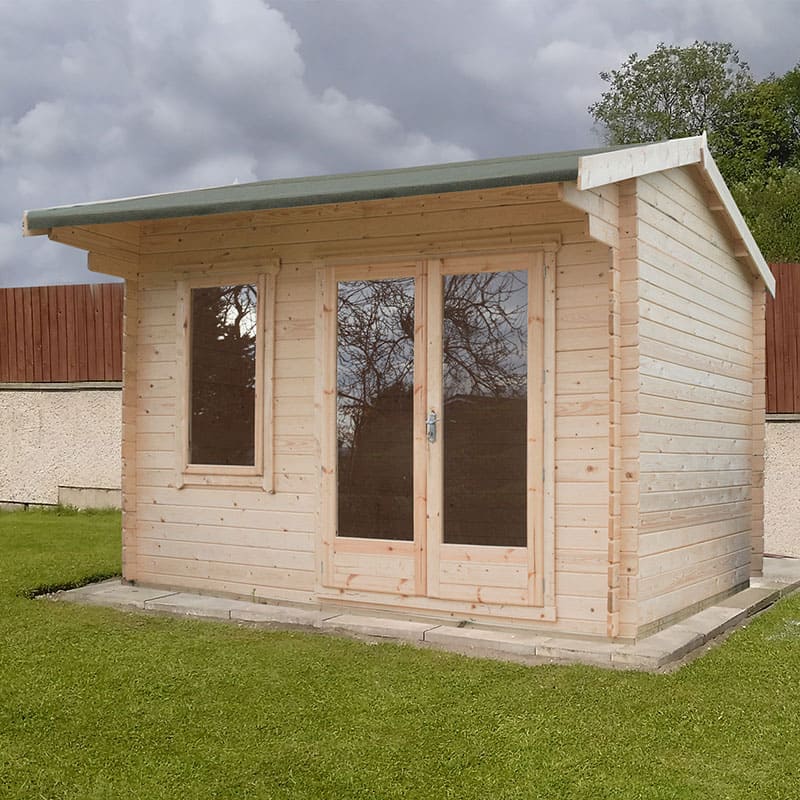
17% OFF: Shire Marlborough 3.6m x 2.4m Log Cabin Summerhouse (28mm) £2,599.0017%

-
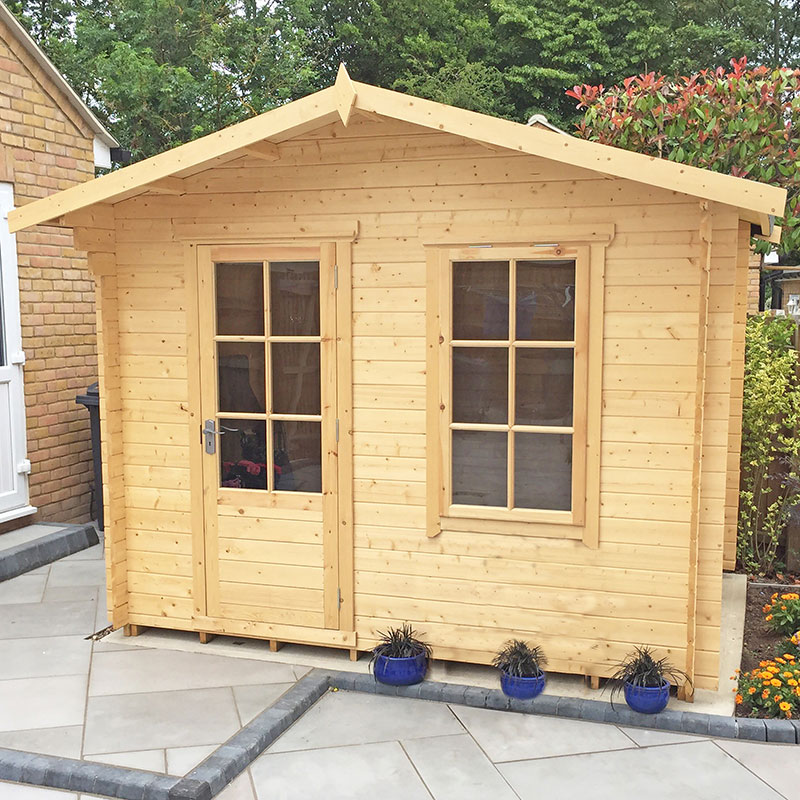
13% OFF: Shire Bucknells 3.6m x 2.4m Log Cabin Summerhouse (28mm) £2,484.9913%

Wooden summerhouses 12×8 bring together a compact footprint, usable indoor space and the natural character of timber, making them a practical choice for gardens where every metre counts.
A size that feels balanced, not cramped
A 12×8 summerhouse sits in a very handy middle ground. It is large enough to create a proper garden room, yet it does not dominate the plot in the way a much bigger building can. For many buyers, that means a space that can be used for relaxed seating, a hobby area, a quiet corner for reading, or a neat spot for garden storage with room left over to enjoy. The proportions also suit a range of layouts, from narrow side returns to more open lawns, so the building can be placed with a bit more freedom than a square unit.
Because the shape is rectangular, a 12×8 footprint often gives a clearer internal layout than smaller or more irregular garden buildings. One wall can take a sofa or bench, another can hold shelving, and the remaining side may be left open for circulation. That kind of arrangement feels useful straight away, rather than making you work around awkward corners.
Why timber changes the feel
The appeal of wooden summerhouses is not only visual. Timber gives the structure a softer look in the garden, blending more naturally with planting, fencing and lawns than many harder materials do. It can make the building feel more like part of the outdoor space instead of a separate object sitting on it. That matters when you want the garden to keep its character, rather than turning into a yard with a box in it.
Bestseller der Kategorie wooden Summerhouses 12x8
There is also a practical side to choosing wood. A timber summerhouse can suit traditional gardens as well as more modern outdoor spaces, depending on the panel style, roof shape and glazing layout. It can look simple and neat or more like a small retreat, without changing the basic usefulness of the 12×8 size. Buyers often notice that timber gives them a warmer impression, and that can make the space feel inviting from the outset.
Different shapes within the 12×8 format
Not every 12×8 wooden summerhouse looks the same. The dimensions may stay fixed, but the shape of the building can make a real difference to how it sits in the garden and how it is used inside. Some have a straightforward rectangular outline, while others include more decorative front elevations or gentler roof lines that soften the appearance.
- Rectangular summerhouses keep the cleanest internal layout and are easy to plan around.
- Corner-style designs can work well where the building needs to tuck into an unused space, even when the footprint is still 12×8.
- Hexagonal or octagonal influences may appear in the front design, giving a more characterful look without changing the overall size too much.
- Lean-to inspired forms suit spots where height or boundary lines call for a lower profile.
The shape you choose often affects more than appearance. It can influence how light enters the room, where furniture can go and how enclosed the building feels from the garden. A more open front can make the room feel broader, while a traditional enclosed form can give a more private atmosphere. There is no single right answer, which is part of the appeal.
Roof styles that quietly do a lot of work
Roof style makes a bigger difference than many people expect. On a 12×8 timber summerhouse, the roof does not just finish the building; it shapes the whole character. A pent roof usually gives a neat, modern line and can sit well against fences or walls because it has a lower side. A gable roof creates a more classic outline, with a pitched top that adds a familiar garden-building look. Both can work well, but they give very different impressions.
There are also versions with a more decorative roof edge or a front canopy feel, which can help create a sheltered entrance area. That little detail may seem minor, yet it can make the summerhouse feel more usable in changeable weather, especially when stepping in and out with a drink, cushions, or gardening bits. It is one of those features that people tend to appreciate more after they have lived with the building for a while.
Glazing options and what they change
The amount and style of glazing have a direct impact on how a wooden summerhouse 12×8 behaves in daily use. More windows usually mean a brighter interior and a stronger connection to the garden, which suits a room used for sitting, crafting or simply looking out across the plot. Fewer openings can give a calmer, more enclosed feeling if the space is meant to be private.
- Full-height glazed fronts allow plenty of daylight and make the interior feel more open.
- Half-glazed doors offer a balance between light and a more solid, sheltered look.
- Side windows help spread daylight through a longer 12×8 layout.
- Fixed glazing can keep the line of the structure simple and tidy.
The difference between a highly glazed model and a more modestly glazed one is not only about appearance. It changes how the room feels in the morning, how much of the garden you can see from inside, and how suitable it is for different uses. If you want the summerhouse to act as an airy garden room, glazing becomes a very important part of the choice. If you prefer a sheltered hideaway, a more restrained window arrangement may suit better.
Panel styles with different characters
Another thing that separates one wooden summerhouse from another is the way the walls are built and finished. Some designs have a more classic tongue-and-groove look, giving a familiar garden-building texture that many buyers find reassuring. Others lean into cleaner cladding lines for a more contemporary feel. These details may seem small, but they shape the overall impression of the building and whether it feels traditional, neat, or a bit more architectural.
For a 12×8 size, panel style can also affect how substantial the summerhouse appears in the garden. Narrow vertical lines can make the structure feel taller and more refined, while broader boards may give a stronger, more rustic presence. If the garden already has plenty of texture from planting or gravel, a cleaner wall finish can help avoid visual clutter. If the space is quite plain, a more characterful timber surface can add some life without needing any extra ornament.
What people use a 12×8 summerhouse for
The real strength of a 12×8 garden summerhouse is its flexibility. It is not a tiny shed and it is not a full outbuilding either, so it sits in that useful middle zone where multiple uses are possible. Some buyers want a place for quiet seating, others need a dedicated hobby room, and some simply want somewhere to keep outdoor items neat while still having a room that feels pleasant to enter.
- Garden seating room for drinks, reading and relaxed time outside.
- Craft or hobby space with enough length for tables, storage and movement.
- Occasional guest room style setting where the layout allows chairs, a daybed or fold-away pieces.
- Combined leisure and storage use with zoning across the 12×8 floor area.
The advantage here is not that the room must serve one fixed purpose. It can shift with the season or with how your household changes. A good 12×8 layout leaves room for that sort of adjustment, which is often what makes buyers feel that the purchase has long-term value rather than being a one-off garden extra.
Timber types and the look they give
While the category is centred on wooden summerhouses 12×8, the timber finish still matters. Different wood grains, tones and surface treatments alter how the building sits against the rest of the garden. A lighter finish can make the room feel more open and slightly less formal. A deeper tone brings more weight and can help the summerhouse stand out as a feature. Natural timber, by its nature, tends to look approachable rather than harsh.
The point for buyers is that the same size can feel quite different depending on the timber presentation. A simpler finish can suit a practical garden scheme, while a more defined wood character may suit a space with flowering borders, mature trees or a classic lawn. It is worth thinking about the visual balance of the whole garden, not just the summerhouse on its own. When the finish sits well with the surrounding space, the building feels placed, not just added.
Practical differences buyers often notice
When people compare 12×8 summerhouses, they usually notice a few key differences quite quickly. First is the amount of internal openness. Some models make the most of the floor area with fewer obstructions, which can help if you want to move furniture around or keep the room airy. Others prioritise style at the front, with decorative glazing or a more pronounced roof line, which may appeal if appearance matters as much as function.
Another difference is how private the interior feels. A more open glazed front can be lovely in a sunny garden, but if the building faces a neighbour or a busy area, a more enclosed design may feel more comfortable. Then there is the issue of access. Wider doors can make it easier to bring in chairs, tables or storage items, and that little detail can save annoyance later. People sometimes overlook it, then wish they had not.
Choosing with your garden layout in mind
A 12×8 wooden summerhouse works best when the layout of the garden supports it rather than fighting against it. Long, narrow gardens can benefit from the rectangular form because it follows the shape naturally. Wider gardens may allow the summerhouse to become a focal point, especially if paths or planting lead towards it. The surrounding space matters because it affects how the building is experienced, both from the house and from inside the summerhouse itself.
It can also help to think about what you want to see from the windows. Some buyers place the building to face the best planting or the main lawn view, which makes the room more enjoyable to use. Others prefer a more tucked-away position where the summerhouse feels sheltered. Both approaches are valid, but they create very different moods. That is one reason why the same size can suit so many gardens.
Useful buying tips without the fluff
Before choosing a wooden summerhouse 12×8, it helps to focus on the features that affect daily use rather than just the front picture. Check whether the internal layout suits the furniture you already have in mind. Think about whether you need more light, more privacy, or a balance of both. Look at the roof style and glazing together, because they shape the whole feel of the room more than people often realise.
- Measure the intended garden area carefully so the building sits comfortably, not tightly.
- Match the shape to the space rather than forcing a design into a awkward corner.
- Consider the amount of glazing if daylight is important for your planned use.
- Think about door position for access and furniture placement.
- Choose a timber look that works with your garden rather than against it.
These are the kinds of decisions that make the difference between a summerhouse that just fills a gap and one that becomes a proper part of the garden. A well-chosen 12×8 model can feel surprisingly generous without taking over the plot, which is exactly why this size remains such a popular option.
A category with room to work
Wooden summerhouses 12×8 offer a nice mix of structure and flexibility. They are compact enough to remain manageable, yet spacious enough to feel like a destination in the garden. With different shapes, roof lines, glazing patterns and timber finishes available within the same footprint, there is room to find a version that suits both the garden and the way you plan to use it. For buyers looking for a building that feels useful, comfortable and visually in tune with the outdoor space, this category has a lot going for it.
It is that combination of practical size, timber character and adaptable layout that keeps the 12×8 format appealing. You are not locked into one narrow idea of use, and you do not have to give up too much garden space to enjoy it. That balance is what makes the category easy to browse and, for many gardens, very easy to imagine in place.
[Sassy_Social_Share]