
wooden Summerhouses 10x8 - Best Deals in UK!
Showing all 6 results
-
16% OFF: 10′ x 8′ Traditional Shiplap 8′ Cabin Garden Shed (3.05m x 2.44m) £1,519.0016%

-
15% OFF: 10’3×8’4 Shire Blenheim Wooden Summer House With Bi-Fold Doors £1,739.0015%

-
13% OFF: Shire Bucknells 3m x 2.4m Log Cabin Summerhouse (28mm) £2,241.9913%

-
13% OFF: Shire Marlborough 3m x 2.4m Log Cabin Summerhouse (28mm) £2,379.9913%

-
12% OFF: Shire Maulden 2.4m x 3.2m Log Cabin Summer House (19mm) £1,269.0012%

-
12% OFF: Shire Maulden 2.4m x 3.2m Log Cabin Summer House (19mm) £1,342.9912%
Wooden Summerhouses 10×8 bring together generous floor space, warm natural character and a practical footprint for gardens that need a proper outdoor room.
A generous 10×8 footprint without losing the garden
A 10×8 wooden summerhouse gives you a layout that feels useful straight away: roomy enough for seating, a small table, plants or a quiet corner for reading, yet still compact enough to sit neatly in a medium or larger garden. The rectangular shape is one of the reasons this size is so popular, because it makes it easier to plan the inside and to place the building against a fence, path or boundary without wasting space.
Compared with smaller garden buildings, a 10×8 summerhouse tends to feel less like a decorative extra and more like a real part of the garden. You get a clearer sense of depth, which helps if you want one area for chairs and another for storage baskets, a desk, or a small dining setup. For buyers who like a wooden structure that looks settled rather than oversized, this size often feels just right.
What wooden brings to a summerhouse
Choosing wooden construction matters because timber has a softer, more natural look than many other materials. It sits well among planting, fences and lawns, and it helps the summerhouse feel like it belongs in the garden rather than being dropped into it. In this category, the wood itself is part of the appeal: grain, texture and colour all add to the feel of the building.
Bestseller der Kategorie wooden Summerhouses 10x8
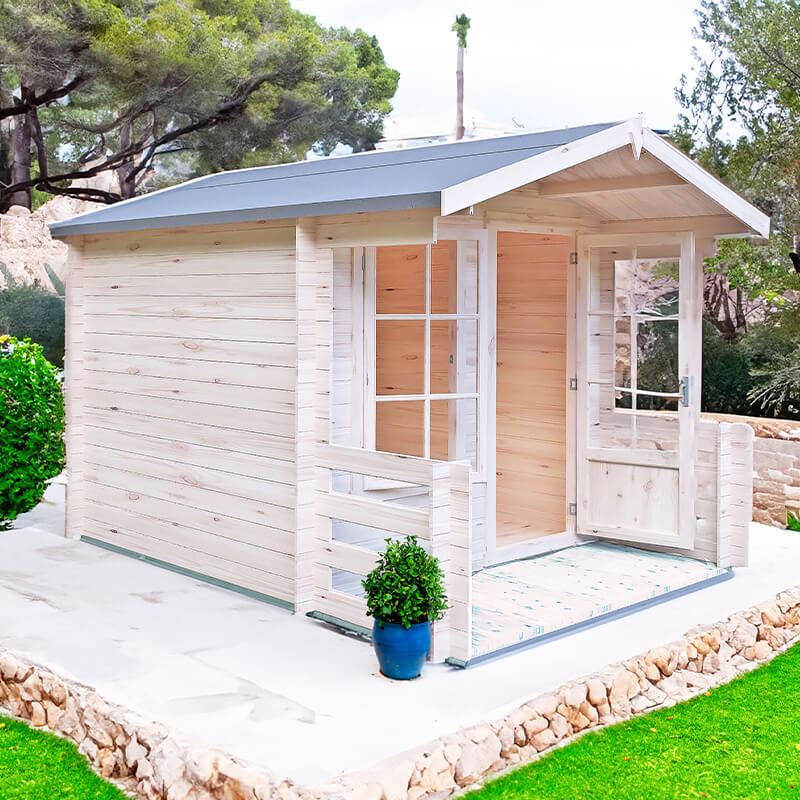
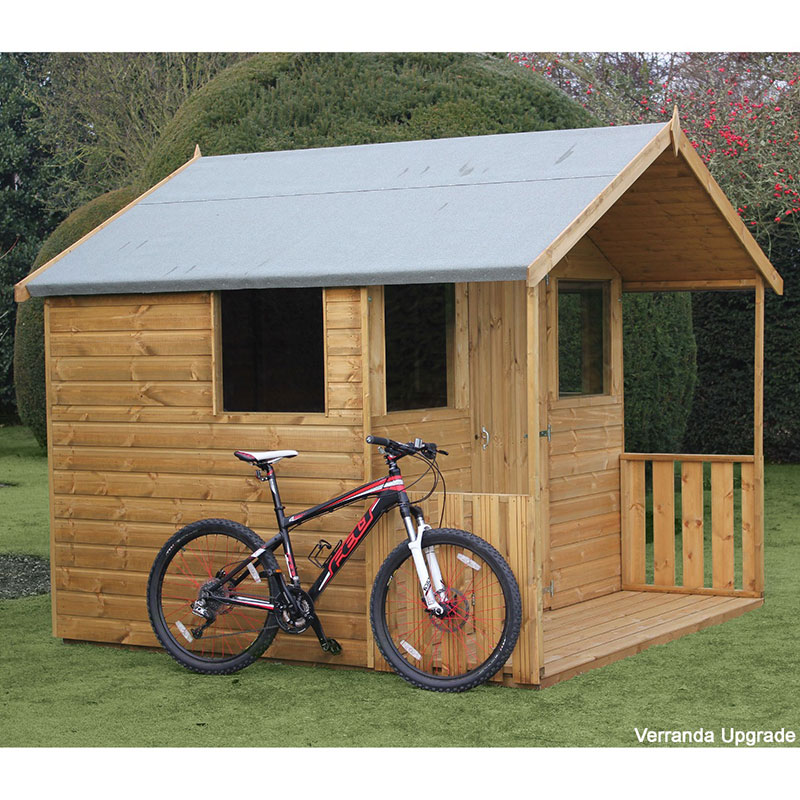
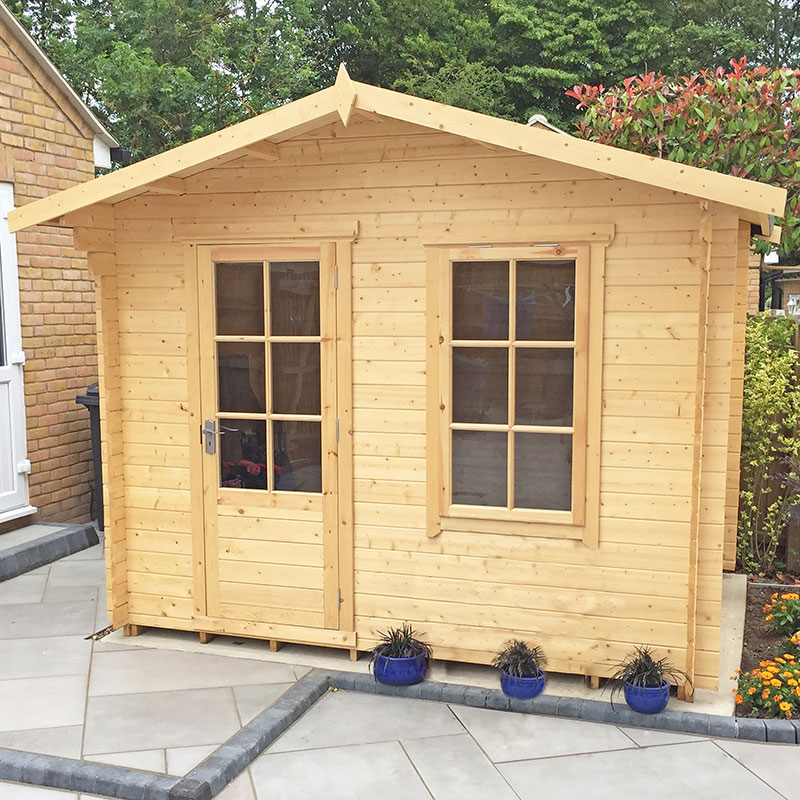
Another reason people choose wooden summerhouses is the way they suit different garden styles. A painted finish can work with a more formal layout, while a natural timber look can feel relaxed and understated. The material also works nicely with glazing, veranda fronts and different roof shapes, which means a 10×8 timber summerhouse can be tailored visually without changing the core footprint.
Different 10×8 styles worth looking at
Within the 10×8 summerhouse category, you will often see a few common styles, each with a slightly different feel and use.
- Corner summerhouses in a 10×8 size can make smart use of awkward garden space and help open up the centre of the garden.
- Traditional apex summerhouses bring a familiar pitched-roof look, often suited to classic gardens and cottage-style planting.
- Modern flat-roof designs usually feel more architectural and clean-lined, which suits contemporary gardens and minimalist layouts.
- Hexagonal or octagonal styles give a softer, more feature-led shape, often chosen when the summerhouse is meant to be a focal point.
- Veranda-front summerhouses add a small covered outdoor edge, which can make the front feel more open and sociable.
Although the footprint remains 10×8, the shape changes the whole mood of the building. A rectangular front usually gives the best wall space inside, while a corner form can feel more tucked away and practical for tighter plots. If you want easy furniture placement, straight walls are often the simplest option. If you want the building to stand out as a garden feature, a less standard shape can be more appealing.
How the layout changes the way you use it
The real value of a 10×8 layout is not just the size, but the way that size can be used. A long wall gives room for a sofa or bench seating, while the shorter wall can suit a table, shelves or a compact work area. This makes the building more flexible than a smaller shed-like structure, yet not so large that it takes over the plot.
If you are looking at a wooden summerhouse 10×8 for social use, the proportions are useful because they can accommodate a small gathering without everyone being crammed together. If the aim is more private, the same footprint can create a calm reading room, hobby space or garden hideaway with clear zones. That is one reason this category suits so many different buyers: it can lean towards leisure, work or everyday escape without needing a bigger build.
Glazing choices that change the atmosphere
Glazing is a big part of the decision when comparing wooden summerhouses 10×8. Full-glazed fronts give a brighter feel and let the building connect visually with the garden. Half-glazed designs usually keep a more balanced look, with a bit more privacy and a more solid exterior. There are also designs with larger window sections on the sides, which can help the inside feel open without making the front too exposed.
The difference is not only about style. More glass generally creates a lighter interior, which is useful if the summerhouse will be used for sitting, hobbies or daytime time. More boarded sections can feel more enclosed and sometimes more suitable if you want the building to feel tucked away. For many buyers, the best choice comes down to how much of the garden view they want from inside, and how visible they want the summerhouse to be from outside.
Roof shapes and what they say about the building
Roof design has a strong effect on both the look and the feeling of a 10×8 wooden summerhouse. An apex roof usually gives a familiar profile and a little extra headroom in the centre, which can make the inside feel less flat. A pent roof tends to look cleaner and more modern, with a subtle slope that suits contemporary gardens or side returns. Some buyers prefer a more georgian-style roofline because it adds character and a slightly more traditional presence.
The roof style also changes how the summerhouse sits in the garden. A taller apex can stand out more against planting and fencing, while a lower pent roof can blend in and look more discreet. If your garden already has strong vertical elements, such as tall shrubs or boundary trellis, a lower roof can stop the building from feeling too dominant. If the aim is to make the summerhouse the main feature, a pitched roof often gives it more presence.
Why 10×8 suits more than one purpose
One of the practical strengths of a wooden summerhouse 10×8 is that it can work for different uses without the shape feeling awkward. The space is large enough for a pair of lounge chairs and a side table, but it can also handle a slim desk, garden storage chest or a compact dining setup. That flexibility matters when a buyer wants the summerhouse to do more than one job through the year.
For some, the appeal is a simple garden sitting room. For others, it is a creative corner or a place to host a few guests without being inside the house. The 10×8 size gives you options, and the wooden finish helps those options feel warm rather than utilitarian. It is a useful middle ground for anyone who wants a building with enough room to be practical, but not so much that it feels overcommitted.
Features that make one summerhouse feel different from another
When comparing different wooden summerhouses 10×8, small details can change how the building feels in use. Some are more open and airy, while others are more enclosed and private. Some have more pronounced framing and a stronger cottage look, while others keep the lines simple and neat. These are not huge differences on paper, but they matter a lot once the building is in the garden.
- Wide front glazing tends to suit buyers who want a brighter, more open interior.
- Half-glazed doors can strike a balance between light and privacy.
- Solid lower panels often create a more grounded, enclosed feel.
- Veranda areas can add a useful threshold between garden and interior.
- Double doors usually make the room feel easier to furnish and more open on warm days.
It is worth looking carefully at these differences, because the same 10×8 footprint can feel very different depending on how open the front is, how much glass is included and how the walls are divided. A buyer wanting a peaceful retreat may prefer a more enclosed style, while someone planning to entertain might lean towards a brighter, more open design.
Where a rectangular shape wins, and where it does not
The rectangular 10×8 form is often the easiest to live with because furniture fits against the walls more naturally. It is straightforward for a table, bench or sofa placement, and it makes the most of the internal corners. If you want a practical, easy-to-plan room, this shape is hard to beat.
That said, a rectangular building is not always the right visual choice. In a more decorative garden, a hexagonal or corner shape can soften the look and make the summerhouse feel like a feature rather than a box. So the difference is really about use versus atmosphere. A rectangle usually offers the cleanest arrangement. A more unusual shape may offer a more interesting silhouette.
What buyers often like about timber over other materials
There is a reason many people keep coming back to timber summerhouses. Wood has a way of looking settled in a garden, especially when surrounded by shrubs, path edging or lawn. It does not feel too hard or too industrial, and that makes it easy to pair with plants and outdoor furniture. A wooden 10×8 summerhouse can therefore feel more like part of the garden design than a separate object.
Another advantage is the sense of choice. Timber buildings come in a range of forms, from more traditional to more modern, without changing the basic usefulness of the room. Buyers who want a specific mood can usually find it in wood more easily than in materials that only come in one visual style. That variety is important when the summerhouse is meant to be seen as well as used.
Useful buying points that are easy to overlook
Before choosing a 10×8 wooden summerhouse, it helps to think about the exact way you want the room to feel once it is in place. A sunny plot may suit more glazing, while a more sheltered spot might benefit from a design with stronger wall presence. If the building will face a lawn, open windows and doors can make it feel connected to the rest of the garden. If it will sit near a boundary, a more private design may be more comfortable.
- Check the internal arrangement rather than only the external footprint.
- Think about access if you plan to bring in chairs, tables or storage pieces.
- Compare front styles to see whether the building feels open, formal or tucked away.
- Look at roof height and shape if the garden has visual limits or nearby structures.
- Choose a style that suits the garden rather than forcing the garden to suit the building.
These details can make a real difference to satisfaction later, because the best summerhouse is not just the one that looks nice in isolation, but the one that fits the plot, the view and the way the space will actually be used.
A category with enough room to feel worthwhile
Wooden summerhouses 10×8 sit in a very useful place between compact garden rooms and larger outbuildings. They offer enough space to feel like a proper destination in the garden, while still staying manageable in most medium-sized plots. The wooden finish gives them warmth, the size gives them flexibility, and the different shapes and glazing options mean there is plenty to compare without straying away from the core purpose.
For buyers who want a garden building that can be both practical and pleasant to look at, this category has a lot going for it. It is broad enough to cover traditional and modern tastes, open and private layouts, and relaxed or more defined uses. That mix is what makes a 10×8 wooden summerhouse such a strong choice for anyone wanting to make better use of outdoor space without making the garden feel crowded.
[Sassy_Social_Share]