
wooden sheds 8x8 - Best Deals in UK!
Showing all 12 results
-
15% OFF: 8′ x 8′ Traditional Shiplap Pent Security Wooden Garden Shed (2.44m x 2.44m) £1,449.0015%

-
14% OFF: 8′ x 8′ Traditional Shiplap Apex Security Wooden Garden Shed (2.44×2.44m) £1,369.0014%

-
14% OFF: 8′ x 8′ Traditional Heavy Duty Shiplap Apex Wooden Garden Shed (2.44m x 2.44m) £1,639.0014%

-
14% OFF: 8′ x 8′ Traditional Heavy Duty Shiplap Pent Wooden Garden Shed (2.44m x 2.44m) £1,639.0014%

-
12% OFF: 8′ x 8′ Traditional Standard Shiplap Apex Wooden Garden Shed (2.44m x 2.44m) £1,109.0012%

-
12% OFF: 8′ x 8′ Shire Iceni Pent Potting Shed (2.5m x 2.5m) £1,149.0012%

-
12% OFF: 8′ x 8′ Shire Sun Pent Wooden Garden Potting Shed (2.58m x2.55m) £1,149.0012%

-
10% OFF: 8′ x 8′ Traditional Shiplap Sun Pent 8′ Gable Wooden Garden Shed (2.43m x 2.43m) £1,869.0010%

-
8% OFF: 8′ x 8′ Traditional Shiplap Wooden Potting Garden Shed with 6′ Gable (2.44m x 2.44m) £1,919.008%

-
7% OFF: 8′ x 8′ Keter Factor Plastic Garden Shed (2.57m x 2.55m) £1,049.007%

-
8′ x 8′ Traditional Shiplap Dutch Barn Heavy Duty Wooden Garden Shed (2.44m x 2.44m) £1,889.004%

-
8′ x 8′ Traditional Standard Shiplap Pent Wooden Garden Shed (2.44m x 2.44m) £1,399.00

8×8 wooden sheds bring together compact storage, a proper timber feel and a square footprint that fits neatly into many gardens, making them a useful choice for tools, bikes, seasonal kit and hobby space.
A square footprint that makes sense
An 8×8 wooden shed sits in that handy middle ground: not so small that it feels cramped, not so large that it dominates the garden. The square layout is one of the main reasons people look for this size. It gives a balanced interior, which is easier to plan than a narrow shed, especially when you want to keep larger items along the walls and still have a clear space in the centre. For many gardens, the 8×8 format also feels more flexible than a long, thin building because it can suit different positions on a plot.
This size works well when you need practical storage without turning the garden into a building site. It is often chosen for everyday use rather than just occasional overflow. You can store garden tools, folding chairs, barbecue items, bags of compost, sports gear or DIY kit, and the shape helps you see everything at a glance. That easy-to-read layout is one of the quiet strengths of an 8×8 shed.
What makes wooden sheds 8×8 different from other sizes
The difference between 8×8 sheds and smaller options is simple: you get much more usable floor area. Compared with 6×4 or 6×6 sheds, the extra space gives room for wider shelving runs, taller items and less awkward stacking. Compared with larger garden buildings, the 8×8 size tends to feel more compact and easier to position, especially in a standard back garden where every metre matters.
Bestseller der Kategorie wooden sheds 8x8
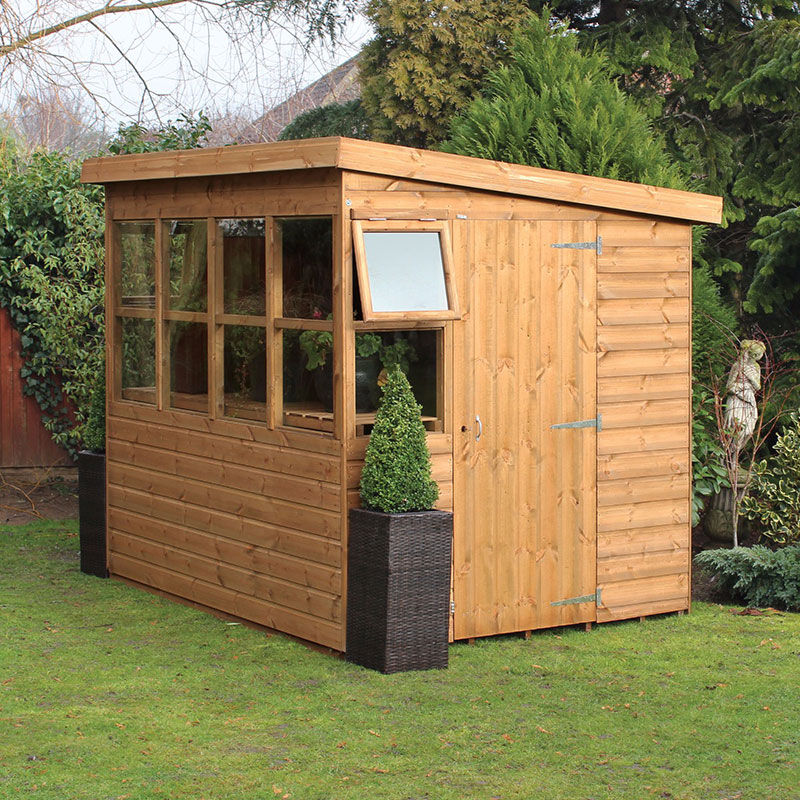
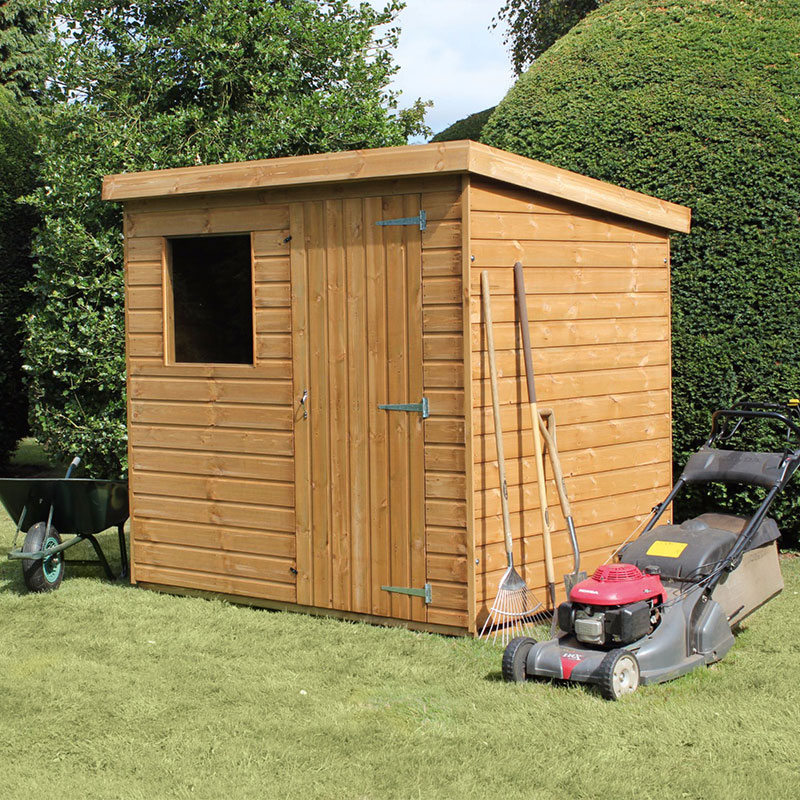
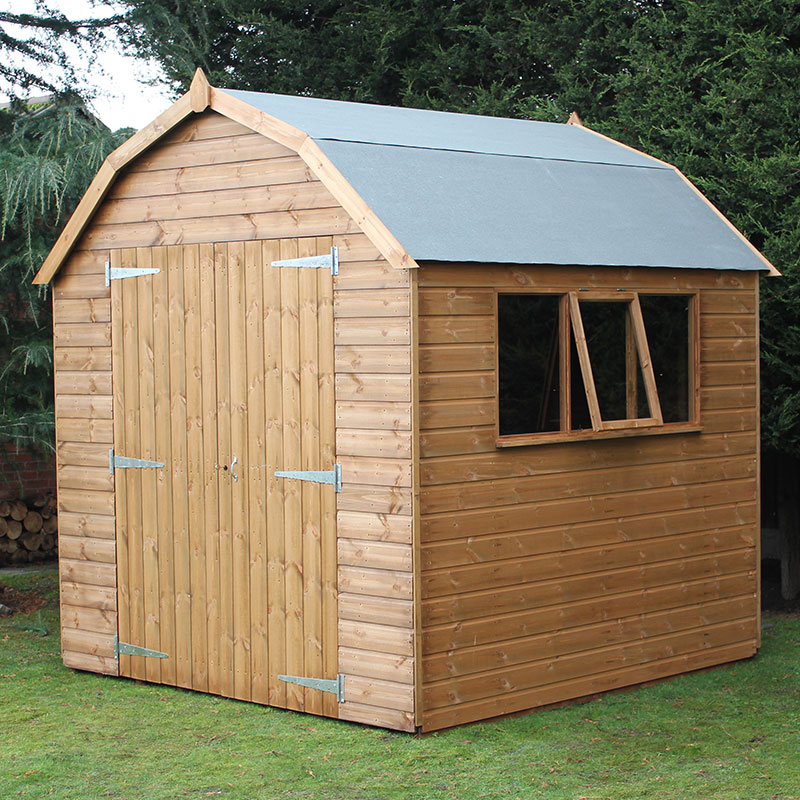
Wooden construction also sets this category apart from metal or plastic alternatives. Timber has a warmer appearance, and an 8×8 wooden shed often looks more in keeping with planting beds, fencing and natural garden features. That visual fit matters more than people think. A shed in this size can sit as a tidy, purposeful part of the garden rather than an obvious add-on.
The 8×8 format is useful when you want a building with a proper sense of room inside, but without moving into the scale of a full workshop or garden studio. It can suit storage-first users, but it can also work for people who want to split the space into zones, such as one side for tools and another for bikes or larger seasonal items.
Popular styles you will see in this size
When browsing wooden sheds 8×8, you will notice that the size is only one part of the choice. The shape of the roof, the style of the doors and the way the cladding is arranged all change how the shed looks and how it feels to use.
- Classic apex sheds offer a pitched roof that suits many gardens and gives a familiar shed profile.
- Pent sheds use a single-slope roof, which can look neat against a fence or boundary and may feel more contemporary.
- Corner-style layouts are less common in the 8×8 range, but a square footprint can still be adapted to fit tighter placements in a garden layout.
- Double-door designs are handy where larger items need to be carried in and out without wrestling them through a narrow opening.
- Single-door versions can suit buyers who want a simpler front and are mainly storing everyday garden items.
The roof shape changes more than the look. An apex roof often provides a familiar interior profile and can make the shed feel a bit more open in the middle. A pent roof can be useful where the shed is placed close to a boundary or where a lower front line is preferred. Neither is better in every case; it comes down to how the shed will sit in the garden and what the eye likes to see.
Cladding, framing and why the timber build matters
In this category, the details of the timber structure really matter. Wooden cladding gives the shed its outer character, while the frame affects how solid the building feels. Some sheds have a more robust, thicker-looking timber profile, while others use a lighter build that keeps the footprint practical and the price point more accessible. The choice affects appearance, but also the way the shed reads in the garden.
You may come across terms like overlap cladding, shiplap cladding or tongue and groove. These are not just technical labels. They reflect different ways the timber boards fit together. Overlap cladding has a more traditional shed look, often with a straightforward, simple structure. Shiplap gives a neater finish where the boards interlock. Tongue and groove tends to be chosen where a tighter, more fitted timber surface is preferred. Each one creates a different feel, so it is worth looking beyond the size and thinking about the style of build too.
For buyers comparing wooden sheds 8×8, this is one of the clearest differences. Two sheds can have the same footprint and still feel quite different in use depending on how the timber is put together. A more substantial timber build may give a stronger impression, while a lighter build can be the more practical match if your main aim is simply tidy storage. It is not about one being right and the other wrong, more about what suits the way you want to use the space.
Roof shapes that change the whole feel
The roof plays a bigger role than many shoppers expect. In an 8×8 wooden shed, the roof shape can alter not only the exterior line but also the sense of headroom and the way rainwater sheds away from the structure. An apex roof gives a central peak and a balanced silhouette. It is often chosen because it feels classic and can provide a little extra height in the middle. That can be useful if you are storing taller items, though the usable space still depends on the internal design.
A pent roof has a cleaner, sloping profile and can look especially tidy where the shed is sited against a fence or wall. It can also create a more contemporary impression, which some buyers prefer in newer gardens or more geometric outdoor layouts. If you are deciding between the two, think about how the shed will sit in relation to trees, borders, existing fences and sight lines from the house. The roof is part of the appearance, not just the cover on top.
Doors and access: a small detail that changes daily use
The door arrangement can make a significant difference to how useful the shed feels day to day. Single doors keep the front neat and suit buyers who mainly need simple access for smaller items. They can also work well when the shed is placed in a tighter position in the garden.
Double doors are worth considering where access matters more. They make it easier to move in larger objects like lawnmowers, bikes, patio furniture or storage boxes. If you have ever tried to manoeuvre an awkward item through a standard opening, you will know why this detail matters. In an 8×8 shed, wider access can help the interior feel less cluttered because bulky things are easier to position where you want them.
Some wooden sheds 8×8 also include windows beside or within the door arrangement. That changes the feel of the interior by bringing in more light, which can be helpful if the shed is used regularly rather than just for drop-off storage. Even a modest window placement can make a square shed easier to navigate.
Why buyers choose this size again and again
There are a few clear reasons the 8×8 size keeps coming up in searches. First, it offers a balanced storage area that can be organised in more than one way. Second, the square format is often easier to place than larger garden buildings with deeper or longer footprints. Third, the timber finish suits a wide range of outdoor settings, from compact town gardens to bigger plots where a shed still needs to sit neatly rather than dominate.
Another reason is simple practicality. An 8×8 shed has enough room for proper storage, but it is still manageable in terms of planning the layout of the garden. It may be used as a storage shed, a space for outdoor kit or a mixed-use building where one corner is devoted to tools and another to household overflow. That flexibility is one of the main selling points.
There is also the question of appearance. Some buyers want a shed that looks like it belongs, not like a box that has been dropped in at the last minute. Wooden garden sheds in an 8×8 size can be a good match for planting schemes, gravel paths and traditional fencing. The timber grain and familiar shed shape can help the building feel part of the outdoor setting rather than just a storage necessity.
Useful buying tips without the fluff
If you are comparing wooden sheds 8×8, it helps to think in very practical terms. Measure the area where the shed will sit, and leave space not only for the footprint but also for opening the doors fully. That sounds obvious, yet it is easy to miss when a shed looks compact on paper but needs more room in reality.
- Check the door width if you plan to store bikes, large tool boxes or awkward garden equipment.
- Compare roof shapes to see which one suits the position in your garden and the look you want.
- Look at the cladding type if you want a more traditional or more fitted timber finish.
- Think about windows if the shed will be used often and you want a brighter interior.
- Consider double doors for easier movement of larger items in and out.
- Measure the route to the site, not just the final spot, because getting an 8×8 building into place can be as important as the shed itself.
It is also worth thinking about the kind of items you actually store. A shed full of smaller tools may work fine with a single-door design, but if your garden gear includes items with awkward lengths or widths, a broader access point can save a lot of irritation later on. These little decisions can make the difference between a shed that just stores things and one that fits your routine properly.
How the right 8×8 shed can fit the garden better
One of the nicer things about a wooden 8×8 shed is the way it can slot into different kinds of gardens without feeling overdone. In a traditional setting, it can blend with timber fencing, borders and older planting. In a cleaner, more modern layout, a pent roof and a simpler front can give the building a more ordered look. The same size can feel quite different depending on the style you choose.
This is why the category is broader than it first seems. You are not just choosing a size. You are deciding how the shed should behave in the garden, how visible it will be, what kind of access it needs and whether it should feel plain, traditional or a bit more smart in appearance. That is a lot to get from a single footprint, but the 8×8 format does carry it well.
Finding the practical match, not just a shed
A good 8×8 wooden shed should feel like a useful part of the garden rather than a compromise. The best choice is the one that suits your storage habits, the shape of your outdoor space and the way you want the building to look from the house. The square floor plan makes planning easier, the timber finish gives a softer visual edge, and the range of roof, door and cladding styles means there is still plenty of room to pick something that feels right.
If you are comparing options, focus on the differences that affect real use: door size, roof profile, cladding style, window placement and how the shed will sit in the available space. That approach usually leads to a better match than chasing features that sound impressive but do not change much day to day. For many buyers, wooden sheds 8×8 hit a sensible point where size, appearance and function come together without fuss.
In short: if you want a timber shed with a balanced footprint, usable interior space and a shape that works in many gardens, 8×8 wooden sheds are a strong category to explore. They give enough room to be genuinely useful, while staying compact enough to fit with care into a typical outdoor layout.
[Sassy_Social_Share]