
wooden sheds 8x3 - Best Deals in UK!
Showing all 3 results
-
6% OFF: 7’5 x 3’4 Asgard Access Plus Metal Bike Shed – 4 Bikes (2.3m x 1m) £804.996%

-
6% OFF: 7’7 x 3’4 Asgard Access Premium Electric Bike Shed (2.3m x 1.05m) £819.996%

-
5% OFF: 8′ x 3′ Traditional Shiplap Pent Wooden Garden Tool Storage Shed (2.44m x 0.91m) £729.995%

Wooden sheds 8×3 offer a slim, practical storage solution for narrower gardens, giving you a tidy place for tools, bikes, logs and seasonal kit without taking over the plot.
A narrow footprint that still works hard
An 8×3 wooden shed is built for gardens where space is precious but storage still matters. The shape is long and slim, so it can sit neatly along a boundary, beside a fence, or down a side return where a wider shed would feel clumsy. That makes it a useful choice for town gardens, compact patios, and side access areas that often get overlooked.
What makes this size so handy is the balance between compact external dimensions and a usable interior run. You get enough length for rakes, ladders, folding furniture and storage boxes, while the 3ft width keeps the shed from dominating the garden. It is a format that suits people who want order without losing open space outdoors.
Why timber suits this shape so well
Wooden sheds bring a warmer look than metal or plastic, and that matters even more in a long, slim build. Timber softens the outline, so the shed feels more like part of the garden rather than a bolt-on store. With an 8×3 shed, the material choice is not only about appearance; it also affects how the structure sits visually in a narrow spot. Wood tends to look less bulky, which is useful when the shed runs along a fence line.
Bestseller der Kategorie wooden sheds 8x3
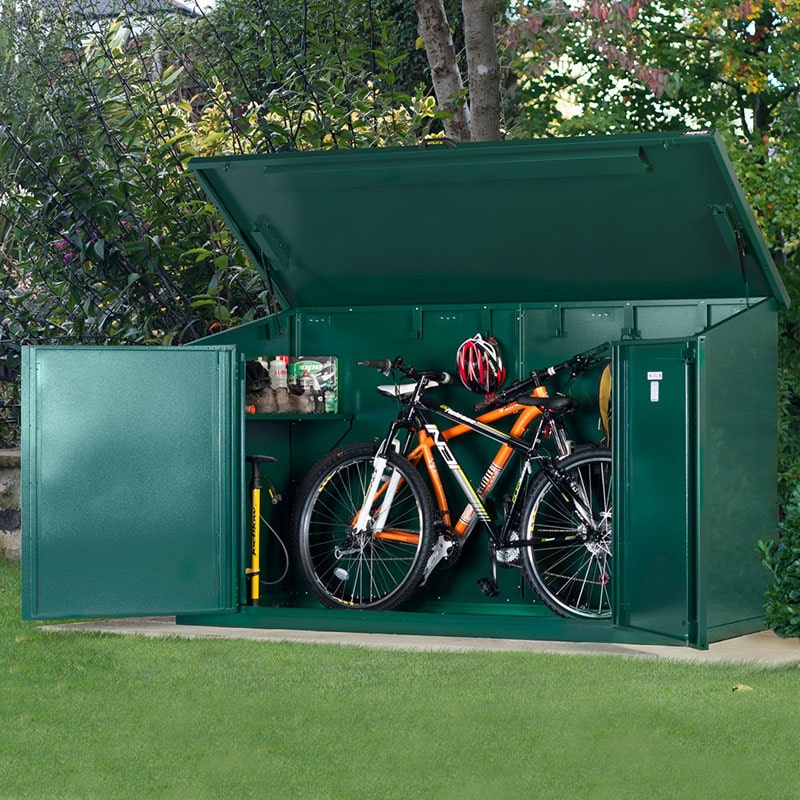
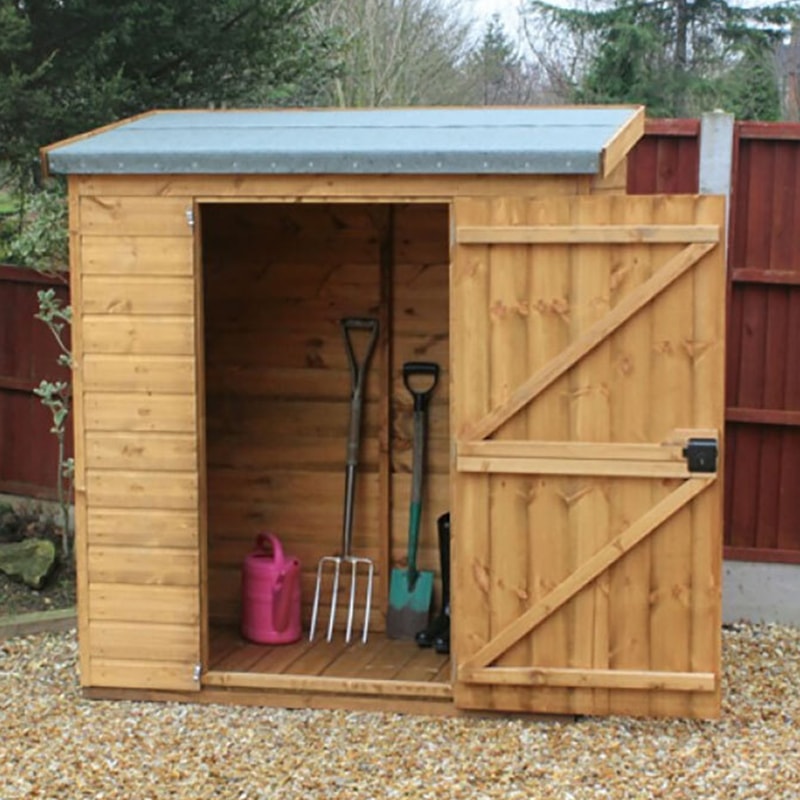
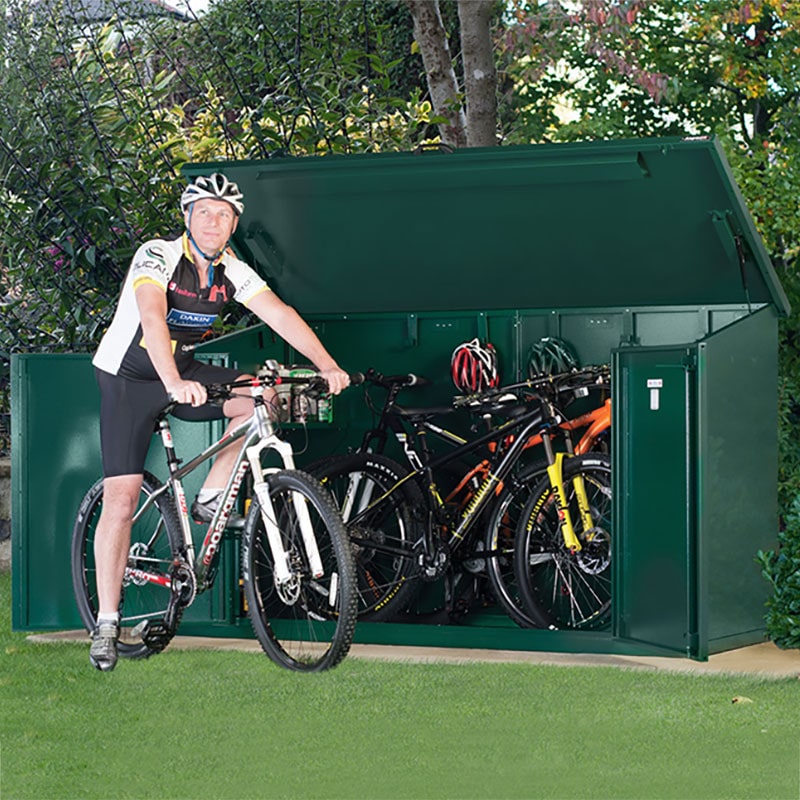
Another reason buyers choose timber for this size is the way it can be built into different styles. The same footprint can take on a pent roof, apex roof, or even a lean-to feel, depending on the design. That means the 8×3 format is not one fixed look; it can be adapted to suit a traditional garden, a more modern layout, or a tight side passage.
Shapes within the 8×3 format
Although the footprint stays the same, there are several wooden shed styles to consider. Each one changes the way the space is used and how the shed feels in the garden.
- Apex roof 8×3 sheds have a central ridge and sloping sides, giving a familiar garden-shed profile and often a little extra headroom in the middle.
- Pent roof 8×3 sheds slope in one direction, which can help them sit neatly against a wall or fence and give a cleaner, more compact outline.
- Corner-style layouts in an 8×3 footprint make use of awkward spaces, especially where the garden layout has an unused angle or a leftover strip.
- Long-line storage sheds are ideal when the main need is to keep lengthier items in one clear run, with less emphasis on wide internal movement.
The difference between these shapes is not just visual. An apex design may feel more open in the centre, while a pent roof can look more restrained and suit lower boundary lines. If the shed is going under trees or close to a neighbour’s fence, the lower profile of a pent style can sometimes feel more in keeping. If you want a more classic shed appearance, the apex shape tends to tick that box.
What fits in a shed this size
An 8×3 wooden shed is often chosen for storage that runs lengthwise rather than spreading out across the floor. That makes it a strong fit for items that are awkward in square sheds. Long-handled garden tools, folding sun loungers, bikes, kids’ outdoor toys, plant pots, and narrow shelving can all sit more naturally in this format.
The shape is especially useful when you want to separate categories of items along the shed. For example, one end can hold garden tools, the middle can be left for boxes or seasonal décor, and the far end can take larger objects such as a mower or compact outdoor furniture. Because the width is only 3ft, choosing the right internal layout matters, but when planned well it can work very efficiently.
The practical gains buyers notice first
A lot of people are drawn to wooden sheds 8×3 because they solve a very specific problem: storage space without a big footprint. That means you can keep the garden feeling open while still getting a proper shed rather than a flimsy store. For narrower plots, that can make the whole outside area feel more organised and less cluttered.
There is also a useful visual advantage. A long narrow shed can help shape the garden, almost like a boundary feature, instead of sitting in the middle of the view. Some buyers like that it creates a clearer edge to the space. Others like that it tucks away discreetly and does not interrupt the rest of the garden. Either way, the 8×3 size often feels like a considered compromise, not an awkward afterthought.
Timber types and finishes that change the feel
Not every wooden shed looks the same, even when the size is identical. Overlap cladding, shiplap cladding, and tongue and groove construction all alter the appearance and the sense of quality. Overlap boards give a more traditional, rustic feel and are often associated with straightforward utility. Shiplap creates a neater lined surface and can look more polished. Tongue and groove tends to give a tighter finish, which many buyers see as a step up in construction.
The finish also changes how the shed reads in a small garden. In a narrow footprint, a cleaner cladding line can make the building feel less busy. A more rustic profile can work well if the garden already has a relaxed, informal look. There is no one right answer here; the best choice is the one that sits comfortably with the rest of the space.
Door position matters more than you think
In an 8×3 shed, the position of the door can change the whole experience of using it. A door at the short end creates a simple in-and-out flow down the length of the shed. That works well if you want to line the side walls with storage. A side door, where available, can be helpful in a narrow passage or when the front of the shed faces a less convenient area.
Some designs use a single door, while others offer double doors. In a slim shed, a single door can be enough for everyday access, but double doors make it easier to move bulkier things in and out, such as a mower or boxed furniture. The choice is less about style and more about how you plan to use the interior. If the shed is mainly for slim items, a single door may suit perfectly. If you know you will be pushing awkward things inside, the wider opening can make life simpler.
Windowed or solid: two very different moods
Some wooden sheds 8×3 are fitted with windows, while others are made with solid walls for a more closed storage space. Windowed versions bring in light, which can make the long interior easier to use. That matters in a narrow shed, because one dim corner can make the whole space feel tighter than it really is. With a window or two, the shed can feel less like a tunnel and more like a practical garden room for storage.
Solid-sided sheds, on the other hand, offer a more private and simple appearance. They are often chosen where the main aim is secure storage and less visibility from outside. This is one of the main differences buyers should weigh up: light versus privacy. A windowed shed can feel friendlier and easier to organise, while a solid shed can look cleaner from the outside and keep contents out of sight. Some people lean towards a combination of both, depending on the exact layout.
Where the 8×3 format really makes sense
This size works especially well in gardens with a narrow side run, a long back edge, or an otherwise awkward strip that is too useful to ignore. An 8×3 wooden shed can make that strip count. It can also suit terraces and semi-detached plots where every inch has to justify itself. Instead of forcing a square shed into a space that does not want one, the 8×3 shape follows the garden’s line more naturally.
For people comparing shed sizes, the main difference is often between depth and width. A standard square or near-square shed may give more turning room inside, but it can eat into the lawn or patio. A rectangular 8×3 shed gives less width, yet keeps useful overall capacity through its length. That trade-off is exactly why it appeals to many buyers with compact gardens.
Small details that affect everyday use
The usefulness of an 8×3 shed often comes down to small design details. Shelf depth, door swing, internal height, and where items can sit along the walls all matter more in a narrow shed than in a broad one. If you expect to use boxes or stackable containers, it helps when the side walls are easy to access. If you plan to store long tools, a clear run from end to end is useful.
It is also worth thinking about how you move around inside. In a 3ft width, the shed is not designed for lots of free movement, so the best layouts usually keep one side more open than the other. That sounds simple, but it makes a big difference. A shed that feels cramped on paper can feel quite workable when the storage is organised in a sensible line.
Choosing between utility and a tidier garden view
Some buyers want an 8×3 shed mainly as a storage tool. Others want it to blend into the garden and help the overall look feel calmer. Wooden sheds can do both, but the balance shifts depending on the style. A more traditional overlap shed may feel practical and straightforward. A neater shiplap or tongue and groove version can look more composed, especially if it sits in view of a patio or seating area.
That visual part should not be overlooked. A shed is a big object, even in a narrow size, so the way it presents from the house or from the main seating area matters. A well-proportioned 8×3 timber shed can make the garden feel designed rather than crowded. That is a subtle advantage, but one that many buyers notice once the shed is in place.
What to compare before deciding
If you are narrowing down wooden sheds 8×3, compare the following points carefully:
- Roof shape – apex for a more classic profile, pent for a lower and simpler line.
- Door type – single for straightforward access, double for larger items.
- Wall style – overlap, shiplap, or tongue and groove, each with a different look and feel.
- Window layout – useful if you want more light in a long, slim interior.
- Internal use – whether the shed needs to hold long tools, bikes, boxes, or mixed storage.
- Garden position – along a fence, beside a path, or tucked into an unused side area.
These differences may sound small, but in a narrow shed they can decide whether the space feels orderly or awkward. An 8×3 shed gives you a clear framework; the details decide how well it performs day to day.
A size that suits real gardens, not just ideal ones
Wooden sheds 8×3 are popular because they work in ordinary gardens with ordinary constraints. Not every plot has room for a large square shed, and not every buyer needs one. This format gives a neat answer to that problem. It is long enough to be genuinely useful, but slim enough to leave room for paths, plants, lawn, or seating.
If you need a shed that stores more than a small box of tools but does not take over the plot, this size sits in a very practical middle ground. The shape is tidy, the timber finish feels at home outdoors, and the footprint is easier to place than many people expect. For the right garden, it is a sensible choice that still looks considered. And honestly, that is often what buyers are looking for.
[Sassy_Social_Share]