
wooden sheds 7x3 - Best Deals in UK!
Showing all 2 results
-
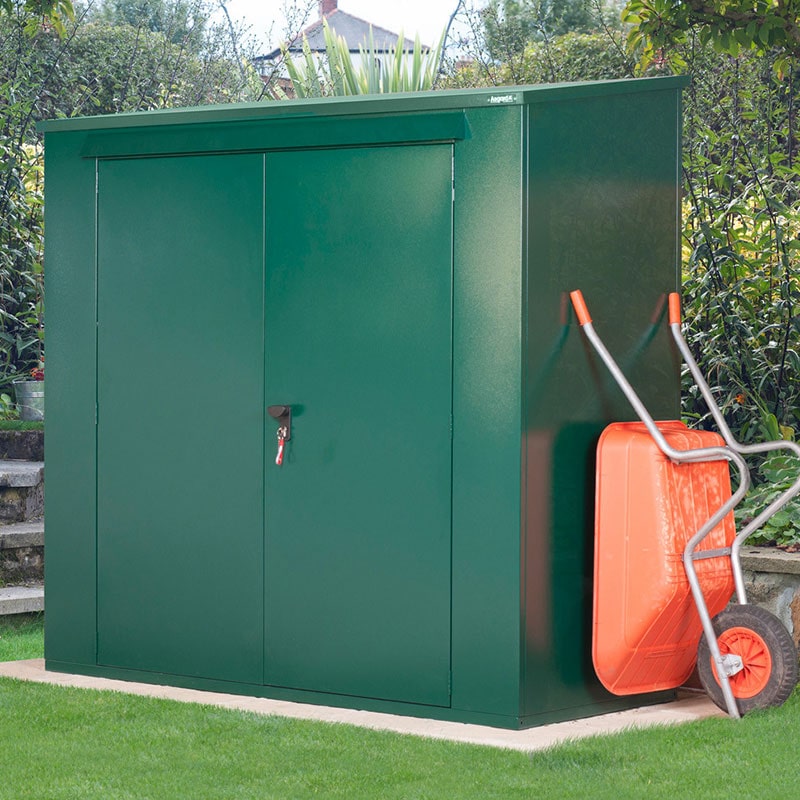
6% OFF: 7’2 x 3′ Asgard Trojan Plus Metal Shed & Bike Shed Combo (2.2m x 0.95m) £853.996%

-
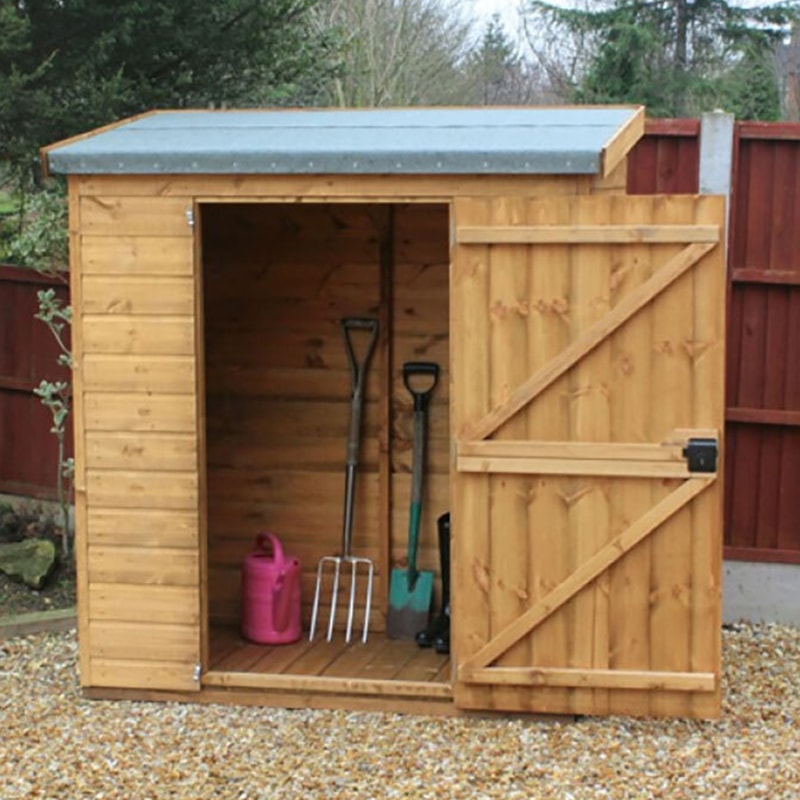
7′ x 3′ Traditional Shiplap Pent Wooden Garden Tool Storage Shed (2.14m x 0.91m) £679.993%

Wooden sheds 7×3 offer a slim, practical footprint for tool storage, bikes and garden kit, with natural timber looks, flexible roof styles and useful access options.
A narrow shed that still works hard
A 7×3 wooden shed is built for gardens where space is tight, but storage still needs to feel proper, not squeezed in as an afterthought. At roughly 7 feet by 3 feet, it has a long, slim shape that slips neatly beside a fence, along a boundary, or into that awkward strip down the side of a house. It is not a bulky garden building, and that is exactly the point. You get a tidy timber structure for items that would otherwise clutter a garage, lean against a wall, or end up stacked under tarps.
The appeal of this size is the balance between footprint and usefulness. A 7×3 shed is long enough to organise things in a line, yet narrow enough to avoid taking over the plot. That makes it a sensible choice for small gardens, narrow courtyards, side returns, and allotments. It can hold long-handled tools, folded furniture, plant pots, watering gear, hand tools, and smaller outdoor bits without feeling like a box dropped into the middle of the garden.
Why timber suits this shape
Wooden sheds suit the 7×3 format particularly well because timber gives the structure a lighter visual feel than metal or plastic. On a slim build, that matters. The shed does not need to look heavy or industrial. Timber can sit quietly against planting, sleepers, gravel paths, or a panel fence. It also works with the garden instead of fighting it.
Bestseller der Kategorie wooden sheds 7x3
Another reason people choose wood is the range of construction styles available. With a 7×3 shed, the wall format is narrow, so the build details stand out more. The panel type, roof style, door position, and window layout all change how the shed looks and how easy it is to use. Even a few inches of difference in opening position can make the inside feel more orderly. That is especially useful in a shed that is not very wide to begin with.
Panel types that change the feel
When comparing wooden sheds 7×3, the wall construction is worth a close look. It affects strength, appearance, and the way the shed behaves once assembled.
- Overlap panels have boards that slightly cover one another. This gives a more traditional garden-shed look and often a more flexible wall structure.
- Shiplap panels fit together with a rebated edge, giving a flatter finish and a more enclosed feel. Many buyers like the neater lines on a compact building.
- Tongue and groove boards slot tightly together and usually feel more substantial. On a 7×3 shed, this can make the interior seem more refined and less patchwork.
The difference is not only visual. A shiplap or tongue and groove shed tends to look more structured, which suits a slim building where clean lines help it appear orderly. Overlap styles can feel more classic and practical, and some gardeners prefer that softer, simpler look. None of these is automatically the right answer; it comes down to how you want the shed to sit in the garden and what sort of finish you prefer.
Roof shapes with a small footprint in mind
The roof on a 7×3 wooden shed changes both the appearance and the usability. Because the building is narrow, the roofline has a strong effect on how it fits beside a boundary or under overhanging branches. Different forms suit different spots.
- Apex roof creates a peaked top and brings a more traditional shed silhouette. It can add extra headroom in the middle, which helps if you are reaching for shelves or taller items.
- Pent roof slopes in one direction and often works neatly in tight side spaces. It can sit lower against a fence line, which may suit more modern gardens.
- Lean-to style is useful where the shed is meant to sit close to another structure. It has a simpler profile and can feel less intrusive.
For a 7×3 shed, a pent roof is often chosen when the aim is a neat, low look that does not dominate the garden. An apex roof makes the shed feel a bit more like a classic outbuilding and can offer a slightly easier feel in the middle of the structure. The shape also changes how rain sits on the roof, so the profile is not only about looks. It affects the whole character of the shed.
Doors that decide how easy it is to use
In a narrow shed, the door setup matters more than people expect. A building that is only 3 feet deep needs sensible access. If the door layout is awkward, the shed may be fine on paper but annoying every time you use it.
Single doors can suit a 7×3 shed where the contents are light, narrow, or stored in a tidy line. They keep the front simple and may leave more wall space for internal shelving or hooks. Double doors make sense if you plan to store bulkier items, such as folded chairs, larger equipment, or a push mower that needs easier entry. In a 7×3 format, the door choice can completely change how practical the shed feels.
Some sheds place the door on the long side rather than the narrow end. That can be useful if the shed is going into a long, thin run beside a house. It gives a wider opening area and can make the interior feel easier to arrange. If the shed is going to be used often, that detail is worth checking before buying. A lovely-looking shed with a poor door position soon feels like a mistake.
Windows, light and the narrow interior
Light is one of the main things that shapes the usefulness of a 7×3 wooden shed. Because the inside is narrow, a dark interior can feel more cramped than it needs to. A window or two can make a noticeable difference, not because the shed becomes a workshop by magic, but because it is easier to see what is where.
Glazed panels or modest windows help with visibility for stored items, and they can stop the shed feeling like a long tunnel. In a slim build, a window on the side wall can work well if the shed sits where it will still receive daylight. On the other hand, if the shed is tucked near neighbouring property or you prefer less visibility into the building, a more enclosed design may suit better. It is a matter of layout, not just taste.
Storage that fits the 7×3 format
The shape of a 7×3 shed invites a particular sort of organisation. It is long rather than square, so items tend to work best when placed with the length of the shed in mind. That means the interior can be used in runs or zones instead of as one open block.
- Long-handled tools such as spades, rakes, and hoes fit well against the back or side wall.
- Folded garden furniture can be stacked at one end if the door opening is wide enough.
- Watering cans, pots, seed trays, and hand tools can be grouped in smaller sections, which suits the slimmer depth.
- Bike storage is possible in some layouts, though the exact fit depends on the door position and whether the handlebars need more clearance.
Because the shed is not deep, it often rewards careful planning more than larger buildings do. That is actually an advantage. There is less temptation to pile everything in and forget it. A narrow shed naturally encourages clearer sorting, and that can make outdoor kit easier to find when you need it. If you are tired of a messy corner in the garage, this shape can feel like a proper reset.
Different timber builds, different personalities
Not all wooden sheds 7×3 feel the same, even when the measurements are similar. The difference often comes down to build style and the balance between rustic and tidy.
A more traditional overlap shed may look comfortable in a cottage garden or beside planting that already has a softer feel. A shiplap shed can give a neater, more finished impression and often suits patios, paved side returns, or spaces where lines matter. Tongue and groove tends to sit somewhere between the two in feel, with a stronger, more enclosed look that many buyers associate with a better-built shed, though the rest of the specification still matters.
There are also differences in trim, corner detail, and door framing. These are the things you notice when standing close to the shed. On a 7×3 model, such details matter because the building is compact enough that every line is visible. A tidy corner finish or a well-proportioned door can make the shed seem more settled in place.
Where a 7×3 shed fits best
This size is especially useful where the garden layout leaves a long, narrow run. Along a fence, beside a garage, or at the end of a path, the shed can slot in without blocking the central part of the garden. That can be a big part of the decision for buyers who do not want to lose seating space, lawn area, or planting beds.
It also works well when the aim is storage rather than a full garden room. A 7×3 shed is not trying to be a workshop, studio, or heavy-duty outbuilding. It is a focused storage building that does one job properly. If you need somewhere for garden kit, seasonal pieces, or the odds and ends that do not belong in the house, this footprint is often just enough without feeling excessive.
What to check before choosing
Because the shed is slim, a few practical checks are worth doing before you settle on one.
- Measure the site carefully, including any overhang from the roof and space needed to open the door fully.
- Think about access from the gate or path to the final position, especially if the shed needs carrying through a narrow route.
- Match the door side to the way you naturally approach the garden. A shed can be annoying if the opening faces the wrong way.
- Consider window placement if you want daylight inside but do not want the shed to feel exposed.
- Check the internal layout against the items you actually own, not the items you think you might own one day.
These details may sound small, but they decide whether the shed feels useful from day one. A 7×3 wooden shed can be very well suited to a particular corner, yet awkward in another. The right fit matters more than squeezing in a larger idea that does not suit the garden.
A size that avoids overcomplicating things
One of the neat things about wooden sheds 7×3 is that they keep storage simple. There is enough room to separate tools from accessories, bins of compost from pots, or bikes from general gear, but not so much room that the building becomes hard to organise. That middle ground is useful. Buyers often realise they do not need a huge shed; they need a building that suits the shape of the garden and the things they actually use.
This is also why the 7×3 format can be a sensible purchase for people who want a timber shed without the visual weight of a larger structure. It gives the garden a defined storage point, while still leaving room for the rest of the plot to breathe. In that way, it can feel less like an addition and more like a well-placed part of the layout.
Small in width, useful in the day to day
For many buyers, the real value of a 7×3 wooden shed shows up in everyday use. The spade is where you expect it. The fold-up chair set is not sitting in the way. The small hand tools are not scattered across a shelf in the garage. It sounds modest, but that kind of order can make the rest of the garden feel easier to manage.
If your space is limited and you want something that looks in keeping with the garden, timber in this size does a clear job. It gives you a compact, natural-looking storage solution with enough variety in roof shape, panel style, and door layout to suit different sites. The result is not flashy, and that is part of the attraction. It is a shed that makes practical sense, which is usually what people really want once they start comparing options.
So if you are planning a narrow storage spot and want a building that sits comfortably in a smaller garden, a wooden shed 7×3 is worth a close look. The format suits tidy layouts, and the different styles let you choose the version that fits your space instead of forcing the space to fit the shed.
[Sassy_Social_Share]