
wooden sheds 70 sq ft / 6 m² - Best Deals in UK!
Showing all 2 results
-
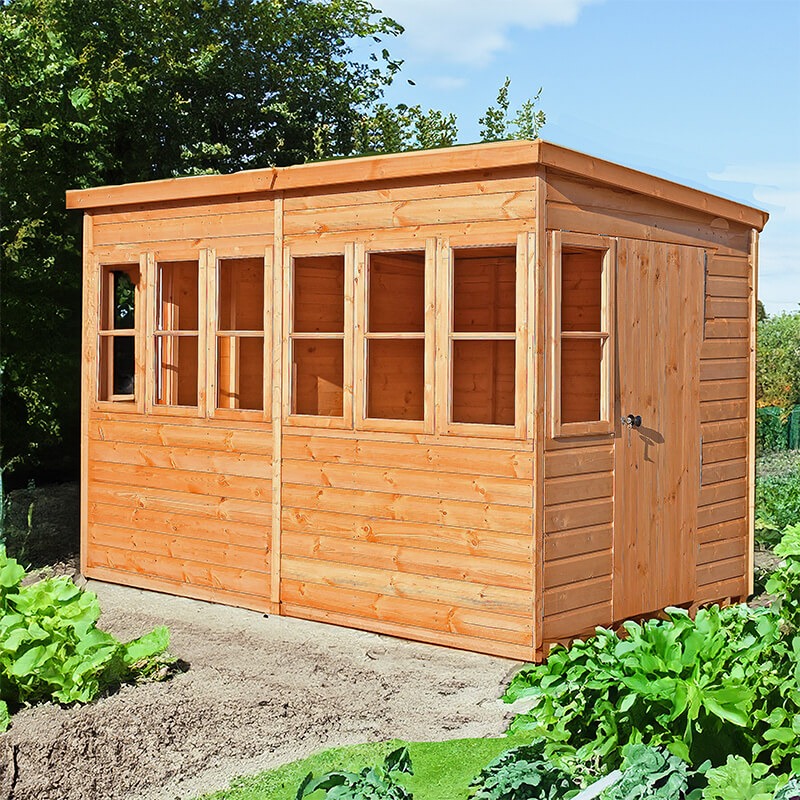
12% OFF: 10′ x 6′ Shire Sun Pent Wooden Garden Potting Shed (3.22m x 1.94m) £1,169.0012%

-
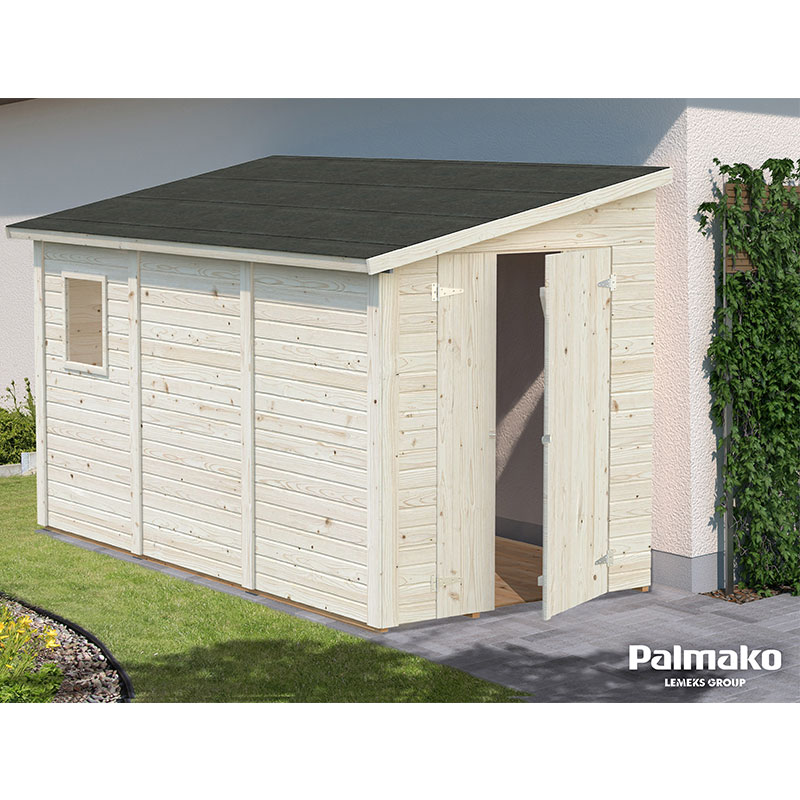
8% OFF: 12′ x 6′ Palmako Mia Heavy Duty Lean To Shed (3.5m x 1.8m) £1,289.008%

Wooden sheds 70 sq ft / 6 m² are a practical size for garden storage, workshop corners and tidy outdoor organisation, offering room for tools, bikes, pots and more without taking over the plot.
A size that fits real gardens
A 70 sq ft / 6 m² wooden shed sits in that useful middle ground: not so small that every item has to be stacked awkwardly, and not so large that it dominates the garden. For many homes, this footprint gives enough space for a lawnmower, hand tools, folding chairs, plant feed, hose reels and a few bulkier bits that never seem to fit anywhere else.
The appeal is not only the floor area, but the way this size feels balanced. It can work beside a lawn, along a boundary, tucked behind a terrace, or placed where a larger building would feel too heavy. In other words, it is a manageable outdoor building with proper presence, but without the bulk of a large workshop shed.
What 70 sq ft really gives you inside
Space planning matters more than square footage on paper. In a 6 m² shed, the layout decides whether it feels roomy or cramped. A narrow garden tool store can waste its depth, while a wider rectangular footprint can allow clearer access and better zoning. Some buyers use this size for a simple storage room; others want a small work area at one end and storage at the other.
Bestseller der Kategorie wooden sheds 70 sq ft / 6 m²
For example, a basic setup might hold:
- Long-handled tools on a wall or rail
- Seasonal items such as cushions, parasols or garden lighting
- Bikes or mobility equipment if the internal width allows it
- Potting trays and compost bags for those who like to keep things together
- Foldable furniture that gets moved in and out with the weather
The exact mix depends on door position, roof shape, and how much internal wall space is usable. A shed with a central double door feels different from one with a single side entry, even if the floor area is the same.
Roof shapes that change how the shed feels
The roof is not just a style choice; it changes the interior feel and the way the shed sits in the garden. With wooden sheds in this size, the main options usually include pent roofs, apex roofs, and sometimes reverse apex or more compact cabin-style profiles. Each one suits a different use.
A pent roof has a simple, sloping line that often works well against a wall, fence or boundary. It can feel neat and modern, and is often chosen when the shed needs to sit low in the garden. The lower front profile can make it less visually dominant, which is useful in smaller plots.
An apex roof gives the classic shed silhouette. The pitched shape creates a more traditional look and can bring extra headroom at the centre. This can be helpful if you want to stand comfortably inside or store taller items without that awkward leaning effect. It also tends to suit gardens where a more familiar timber building feels right.
A reverse apex places the ridge the other way round, which can make access and wall use feel different. It is often chosen when the shed layout needs the door on a specific face, or when the internal storage plan works better with the roof line in that direction. Small detail, big difference, really.
Timber styles with different looks and uses
When people search for wooden sheds 70 sq ft / 6 m², they are often comparing the timber style as much as the size. The cladding profile changes appearance, weather exposure and the general mood of the building. The main types are usually shiplap, tongue and groove, and overlap.
Shiplap cladding gives a neat, interlocking finish with a clean appearance. The boards overlap in a way that helps direct water away from the structure, and the outside looks orderly without feeling too formal. It is a good fit where the shed is visible from the house or patio.
Tongue and groove cladding is often chosen for a more solid, tighter-feeling build. The boards slot together in a way that creates a tidier internal and external face. Buyers often like this style when they want the shed to feel a bit more substantial, especially if the building will see regular use rather than occasional storage only.
Overlap cladding has a more traditional utility feel. It can suit a shed that is mainly for practical storage, and it often gives a slightly more rustic, informal look. Some people prefer this because it feels properly garden-like, not too polished. There is a charm in that.
Which door layout suits your routine?
Door placement may seem minor, but in a 6 m² shed it affects everything. A wide double door can make it easier to roll in a mower, move bikes, or carry compost bags without awkward twisting. A single door can save wall space and create a more enclosed feel, which suits narrower plots or sheds that are more about storage than frequent access.
There is also a difference between a front-opening shed and one with doors on the long side. A front-facing opening often suits a compact square footprint, while side access can work better in a rectangular layout where you want to use the far end for shelving or taller storage.
For anyone comparing options, ask yourself how you actually use the garden. If the shed is mainly for quick grab-and-go access, a wider opening helps. If it is more about keeping items safe, dry and out of sight, a simpler single-door arrangement may be enough.
Square, rectangular, and tucked-away shapes
Not every 70 sq ft shed feels the same. The footprint shape can make the building behave very differently inside. A roughly square shed can feel easy to organise because the usable space is even. A rectangular shed can offer better zoning, especially if you want one side for large items and the other for smaller kit.
A square or near-square layout is often good when you want to turn in the middle of the shed without feeling pinched. It can suit general storage or mixed use. A longer rectangular shape can be better if you are planning shelving on one wall and bulk storage on the other, or if you want a little aisle down the middle.
There are also practical reasons for shape choice outside the shed itself. A slimmer form may fit a side return or boundary strip more easily. A squarer layout may suit a more open lawn area where the building can be approached from several sides. It all sounds obvious, but it catches people out more than you’d think.
Why wood feels different from plastic or metal
Compared with plastic or metal, wooden sheds bring a warmer look and a more natural fit in a planted garden. Timber softens the appearance of the storage space, so the shed can blend with fencing, pergolas, raised beds and other wooden features. That matters when the building is visible from the house or seating area.
Wood also gives more flexibility in how the shed is used and arranged. It is easier to imagine adding shelving, tool rails, hooks or a worktop inside because timber walls feel more adaptable. In a small footprint, that adaptability is a real advantage, since every wall matters.
Against metal, wood tends to feel less hard-edged and less industrial. Against plastic, it often feels more in keeping with an established garden. Buyers who care about the overall look of the plot often lean towards timber for that reason alone, even before they get into the practical side.
Useful buying points that affect day-to-day use
Small differences in construction can change how a wooden shed 70 sq ft / 6 m² works once it is in place. Wall thickness, door width, roof overhang and internal height all matter. In this size category, those details decide whether storage is neat and easy or a bit of a wrestle.
Some useful points to check include:
- Internal headroom if you want to stand upright or use overhead storage
- Door width for wheelbarrows, bikes or larger boxes
- Wall straightness for shelving and hanging tools
- Roof profile if you want a lower visual line in the garden
- Layout flexibility if storage needs may change over time
It is also worth checking how much usable wall area you actually get after the door and roof structure are accounted for. A shed can look spacious from outside and still have awkward corners inside. Happens all the time.
Storage and hobby uses without going larger
The good thing about this size is that it can serve more than one purpose without crossing into a full workshop footprint. Some people use a 70 sq ft shed strictly for garden storage. Others divide it into zones: tools and machines on one side, a small bench or folding work surface on the other. That split can make the whole structure feel more organised.
For hobby use, timber sheds in this category are often chosen because they feel less temporary than a basic store. A tidy wooden interior can work for potting, seed sorting, model making, or just a quiet place to keep projects out of the kitchen. Not a grand studio, just a sensible little base for things you do in bits and pieces.
If you want the shed to do double duty, think about where larger items will live so they do not block the doorway. In a modest footprint, access routes are as important as storage volume. That is the difference between a space that helps and one that becomes a pile.
Traditional charm or neat modern lines?
There is a clear style split within wooden sheds in this size. Some lean towards a traditional garden look with apex roofs, visible timber grain and a cottage-like profile. Others feel more modern, with low pent roofs and cleaner edges that sit quietly against fencing or walls.
A traditional style often suits older homes, planting-heavy gardens and plots where the shed should feel like part of the landscape. A more modern style can work well where the garden design is clean and structured, with straight paths, gravel areas or contemporary fencing.
Neither approach is better across the board. The real question is which one makes the shed look like it belongs. A shed that fits the garden tends to feel like a proper addition, not an afterthought.
What makes this size easier to place
A 6 m² footprint gives you enough presence to be useful, but it is still compact enough to place with some flexibility. It can sit at the rear of a plot, along a side return, or near a hardstanding area without swallowing the available space. That makes it a sensible choice where access and outdoor living need to coexist.
The size also makes visual balance easier. A shed that is too large can close in a small garden, while one that is too tiny can look lost and underused. This middle size gives you a building that can anchor the garden without taking over the view. That’s quite important if the shed will be seen from the house window every day.
Details buyers often compare before choosing
When comparing wooden sheds 70 sq ft / 6 m², buyers often focus on a few practical differences rather than just appearance:
- Rectangular vs square footprint for better internal flow
- Single door vs double door for access and wall space
- Pent roof vs apex roof for look and headroom
- Shiplap vs tongue and groove vs overlap for finish and feel
- Low-profile vs taller build for garden impact and internal use
These differences can sound small on paper, but they change how the shed fits your habits. A shed that suits your routine will feel useful much sooner, and that is really the point.
A sensible choice for tidy, usable outdoor space
If you want a garden building that stores the messy bits without becoming the messy bit, wooden sheds in the 70 sq ft / 6 m² range make a strong case. They offer a practical amount of room, a natural timber look, and several layout options that can suit storage, light hobby use or mixed-purpose organisation.
What makes this category appealing is the balance: enough room for proper use, enough variation to match different gardens, and enough character to feel part of the outdoor setting. For buyers comparing shape, roof, cladding and access, the details matter more than the label. And once those details match the way you actually use your space, the shed starts earning its keep straight away.
[Sassy_Social_Share]